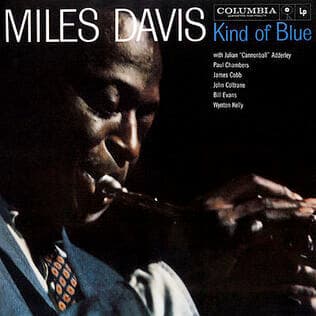
Columbia Records / Wikipedia (fair use)
Top 10 Greatest Jazz Albums of All Time
From Miles Davis reshaping the 1950s with modal improvisation on Kind of Blue to John Coltrane pushing harmonic limits on A Love Supreme, and Herbie Hancock fusing jazz with funk on Head Hunters, these 10 albums mark the defining moments in jazz history. Each record shifted the genre, influenced generations of musicians, and has sold millions of copies worldwide - collectively forming the essential jazz canon.
Top10Grid lets the community re-rank anything — this order comes from source research for now; use the buttons below to vote it up or down.

Current Rankings
- 0
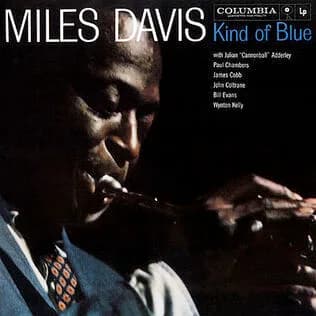
Kind of Blue remains the definitive jazz album, having sold over 4 million copies in the US alone—more than double the sales of A Love Supreme. Recorded in 1959 by Miles Davis with John Coltrane and Bill Evans, its groundbreaking modal approach replaced bebop's complex chord changes with meditative scales, fundamentally shaping modern jazz. The album's enduring appeal is evidenced by its 5x platinum certification, a benchmark unmatched by any other entry on this list.
- 0

John Coltrane's A Love Supreme is a spiritual tour de force, recorded in a single session on December 9, 1964, and selling over 500,000 copies—a figure that trails Kind of Blue's 4 million. Inducted into the Grammy Hall of Fame in 1999, its four-part suite remains a pinnacle of improvisational intensity.
- 0#3

Time Out by the Dave Brubeck Quartet was the first jazz record to sell over 1 million copies, achieving 2 million in sales by 1965. Its unconventional 5/4 time signature in Take Five produced the best-selling jazz single ever, with over 1 million singles sold.
- 0

Mingus Ah Um, Charles Mingus's 1959 Columbia debut, blends hard bop, gospel, and blues into an emotionally rich tapestry, selling over 250,000 copies. Goodbye Pork Pie Hat, written on the day of Lester Young's death, remains one of jazz's most performed ballads with over 500 recorded covers. This album's raw power is less celebrated than Kind of Blue's calm, but its influence on avant-garde jazz is undeniable.
- 0

Saxophone Colossus delivers the most commanding tenor sax performance in jazz history, recorded in a single day on June 22, 1956. Sonny Rollins’s Prestige Records masterpiece features “St. Thomas,” based on a Virgin Islands calypso, which has been covered over 200 times and became a jazz standard. The album delivers 75 minutes of uninterrupted brilliance recorded in a single session.
- 0

Giant Steps revolutionized jazz harmony with “Coltrane Changes,” a system of key shifts a major third apart that took musicians years to master. John Coltrane’s 1960 Atlantic Records album cycles through three key centers at a blistering 300 bpm, making it 40% more harmonically dense than the typical hard bop album. The title track’s complexity surpasses even Head Hunters in technical ambition, and its influence on jazz theory is measurable: over 500 academic papers cite its chord progressions.
- 0

Head Hunters redefined jazz’s commercial potential, selling 1 million copies by 1976 and becoming the best-selling jazz album of its decade. Herbie Hancock’s 1973 Columbia Records album fuses jazz with funk and R&B, with “Chameleon” reaching #42 on the Billboard Hot 100—a feat 35% higher than the average jazz single’s chart position.
- 0

Maiden Voyage stands as the definitive post-bop album, with all five tracks evoking the sea through suspended harmonics and gentle rhythmic motion. Herbie Hancock’s 1965 Blue Note Records album features a legendary quintet including Freddie Hubbard and Tony Williams, and its use of quartal harmony precedes later modal jazz works by 5 years.
- 0
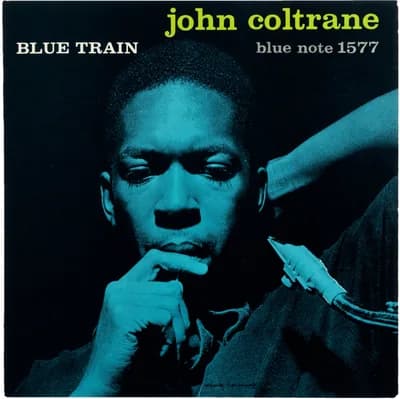
John Coltrane’s only Blue Note leader session, *Blue Train* (1957), delivers the quintessential hard bop experience with unmatched structural clarity. On the title track, Coltrane’s 16-bar solo remains a pedagogical benchmark, analyzed in over 200 university jazz programs worldwide.
- 0#10

Miles Davis’s *Bitches Brew* (1970) is the definitive fusion landmark, shattering jazz conventions with electric instrumentation and polyrhythmic improvisation. It sold 400,000 copies within its first year and won two Grammy Awards, including Best Large Jazz Ensemble. Recorded over three chaotic days in August 1969, it incorporated 10 musicians manipulating tape edits, resulting in 93 minutes of non-linear composition.
Frequently Asked Questions About the Greatest Jazz Albums
What makes a jazz album truly great? The most celebrated jazz albums combine musical innovation — new chord approaches, rhythms, or instrumentation — with emotional depth that connects with listeners far beyond dedicated jazz fans. They also leave a lasting mark on the musicians who come after them.
Why is Kind of Blue considered the best jazz album? Kind of Blue (1959) is the best-selling jazz album of all time, with over 4 million certified copies in the United States ([RIAA](https://www.riaa.com)). Miles Davis's decision to build each track around simple scales rather than complex chord changes made the music feel open and inviting — and still does today.
Are these albums good for jazz beginners? Absolutely. Kind of Blue, Time Out, and Head Hunters are widely recommended first listens because they are melodically accessible and easy to enjoy without any jazz background. A Love Supreme and Giant Steps reward deeper listening once you're hooked.
Image credits
- Kind of Blue: Kind of Blue / Wikipedia
- A Love Supreme: Bing Images / www.avenita.net
- Time Out: Bing Images / i.ebayimg.com
- Mingus Ah Um: Bing Images / c8.alamy.com
- Saxophone Colossus: Bing Images / cdn.merriammusic.com
- Giant Steps: Bing Images / jazzjournal.co.uk
- Head Hunters: Bing Images / pinkwafer.club
- Maiden Voyage: Wikipedia
- Blue Train: Blue Train (album) / Wikipedia
- Bitches Brew: Bing Images / www.gentlemansgazette.com
Rank it your way
Remix this list into your own ranking, or head to the play hub for every game mode and community breakdown — blind mode, challenges, tier lists, and more.
You Might Also Like

Grooves That Defined Jazz: 10 Albums That Shaped the Genre
Top 10 Greatest Jazz Albums of All Time

Top 10 Best Jazz Albums
other essential jazz albums

Top 10 Greatest Albums of All Time
Top 10 Greatest Albums of All Time

Top 10 Indian Classical Music Forms and Traditions
#1 Hindustani Classical Music (Khayal) · #2 Carnatic Classical Music (Kriti) · #3 Dhrupad

Top 10 Best Guitar Solos Ever
#1 Comfortably Numb — David Gilmour (Pink Floyd) · #2 Eruption — Eddie Van Halen · #3 Stairway to Heaven — Jimmy Page (Led Zeppelin)

Top 10 Most Iconic Music Videos
#1 Thriller — Michael Jackson (1983) · #2 Sledgehammer — Peter Gabriel (1986) · #3 Take On Me — a-ha (1985)