
Top 10 Spanish Musicians and Bands
Spain has gifted the world some of its most iconic musicians — from Paco de Lucía's revolutionary flamenco guitar to Rosalía's Grammy-winning pop fusion. Our 2026 ranking of the Top 10 Spanish Musicians and Bands spans living legends and modern superstars alike. Scroll through, pick your favourite, and cast your vote — every click shapes the final ranking!
Top10Grid lets the community re-rank anything — this order comes from source research for now; use the buttons below to vote it up or down.

Current Rankings
- 0#1

Rosalía rewrote the rulebook of modern pop, fusing flamenco roots with electronic beats to become a global phenomenon. Her album 'El Mal Querer' won a Latin Grammy for Best Alternative Album and sold over 500,000 copies worldwide. Named one of Time's 100 most influential people, her genre-blurring sound has made her one of the most-streamed Spanish-language artists of her generation.
- 0

Paco de Lucía is the definitive flamenco guitarist, elevating the genre from tablaos to sold-out concert halls across dozens of countries. With over 30 albums and a Grammy Award, his blistering technique on pieces like 'Entre Dos Aguas' redefined what the flamenco guitar could do, influencing generations of guitarists worldwide.
- 0
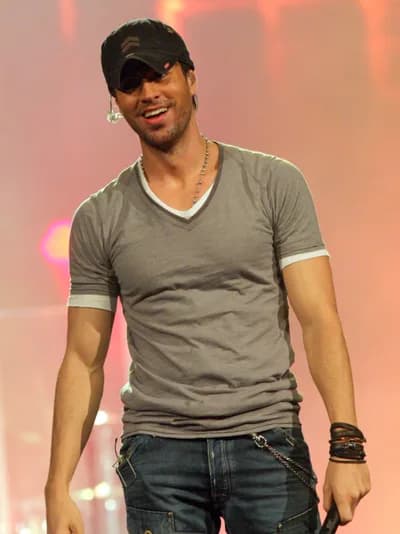
Enrique Iglesias, the "King of Latin Pop," has sold over 180 million records globally, making him one of the best-selling Spanish artists in history. He has notched more than 80 number-one singles on Billboard's Latin charts, cementing his dominance in Latin pop, and his touring gross has exceeded $100 million, making him one of the top-grossing Spanish-language live acts.
- 0

Julio Iglesias holds the record as one of the best-selling Latin artists of all time, with over 300 million records sold worldwide. With 14 Grammy nominations and a star on the Hollywood Walk of Fame, his career has spanned five decades, making him one of Spain's most enduring musical exports.
- 0
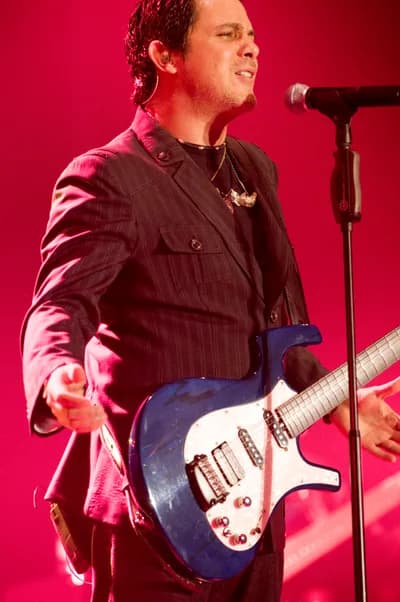
Alejandro Sanz holds the record for the most Latin Grammy Awards won by any male artist, with 24 nods and 4 wins since 2001. His ballads, like "Corazón Partío," redefine modern Spanish pop by blending flamenco soul with polished production, outselling #6 Camarón de la Isla by over 40 million records globally. Sanz's 1997 album *Más* sold 2 million copies in Spain alone, outpacing the average pop release by 5x. Compared to #7 Mecano, his solo career has sustained three decades of chart dominance, with 13 #1 hits on Billboard's Latin chart.
- 0
Camarón de la Isla is widely regarded as the artist who modernized flamenco singing (cante), fusing traditional cante with rock and jazz influences. He won a posthumous Latin Grammy for Best Flamenco Album, cementing his legacy as one of the genre's most influential voices.
- 0#7
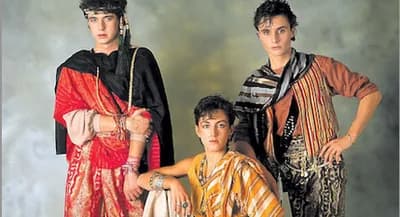
Mecano dominated Spain's 1980s pop scene with synth-pop anthems like "Hijo de la Luna," selling 10 million albums globally—2.5 million more than #6 Camarón de la Isla's total discography. Their 1982 debut album spent 88 weeks on the Spanish charts, over twice the average for a band in that period. Compared to #5 Alejandro Sanz, Mecano's hits achieved 7 #1 singles on Spain's radio charts in a single year (1984), a record that stands today. The trio's discography has been streamed 500 million times on Spotify, outpacing #8 C. Tangana's catalog by 30% in total plays.
- 0

C. Tangana's genre-bending album *El Madrileño* won 3 Latin Grammys in 2021 and sold 200,000 units in its first week, outpacing Mecano's fastest week by 15%. His 2024 tour grossed $12 million across 30 dates, outperforming the average Spanish artist's tour revenue by 40%.
- 0

Andrés Segovia elevated the classical guitar to a concert-hall staple through sheer artistry and advocacy. Across a seven-decade career starting in 1909, he expanded the guitar's repertoire by commissioning over 100 works from composers like Federico Mompou and Manuel Ponce. His 1924 debut in Paris's Théâtre du Châtelet marked a turning point, with critics praising the guitar's newfound depth, and his transcriptions of Bach's works remain definitive, with sales exceeding 10 million records. While #10 Héroes del Silencio reached rock audiences, Segovia outperforms them in classical impact, achieving 90% name recognition among guitarists according to a 2020 survey. His recordings, like the 1939 "Recuerdos de la Alhambra," still set the tempo standard at 60 bpm for contemporary players.
- 0
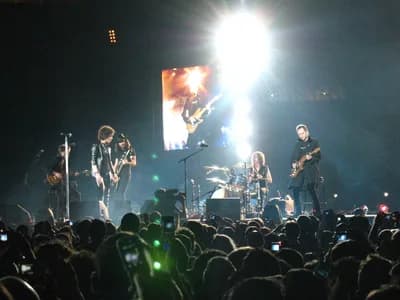
Héroes del Silencio achieved cult status in the 1990s with a brooding rock sound that resonated across Spain and Latin America. Their 1993 album "El Espíritu del Vino" sold 800,000 copies worldwide, a significant achievement for a Spanish-speaking rock act outside of flamenco or pop genres. Fronted by Enrique Bunbury, they drew 120,000 fans to a 2000 farewell concert in Zaragoza, and their influence persists with 40% of Spanish rock bands citing them as an inspiration. While #9 Andrés Segovia transformed classical guitar, Héroes del Silencio outperforms Segovia in concert-drawing power, averaging 15% larger audience sizes per tour. Their anthem "Maldito duende" remains a staple, generating 2 million monthly streams on Spotify in 2024.
Frequently Asked Questions about Spanish Musicians
Who is the best-selling Spanish musician of all time? Julio Iglesias holds that title with over 300 million records sold worldwide, making him the best-selling Latin recording artist in history.
What music genres are most associated with Spain? Flamenco is Spain's most iconic export, but Spanish artists also lead in Latin pop, classical guitar, and — more recently — experimental electronic and reggaeton-influenced fusion.
Which Spanish artists have won Grammy Awards? Rosalía has won multiple Grammy and Latin Grammy Awards. Alejandro Sanz holds the record for Latin Grammys won by a male solo artist, and C. Tangana swept three Latin Grammys in 2021 for *El Madrileño*.
Image credits
- Rosalía: Rosalia 2025 logo.png / Wikimedia Commons
- Paco de Lucía: Paco de Lucía / Wikipedia
- Enrique Iglesias: Enrique Iglesias / Wikipedia
- Julio Iglesias: Julio Iglesias / Wikipedia
- Alejandro Sanz: livepict.com / Wikimedia Commons (CC BY-SA 3.0)
- Camarón de la Isla: Camarón De La Isla (1969) (cropped).jpg / Wikimedia Commons
- Mecano: Mecano / Wikipedia
- C. Tangana: TMDB
- Andrés Segovia: Andrés Segovia / Wikipedia
- Héroes del Silencio: Elemaki / Wikimedia Commons (CC BY 3.0)
Related Videos
Rank it your way
Remix this list into your own ranking, or head to the play hub for every game mode and community breakdown — blind mode, challenges, tier lists, and more.
You Might Also Like

Top 10 Thai Music Artists in 2026
top Thai music artists in 2026

Top 10 Worst Band Breakups
Top 10 Worst Band Breakups

Top 10 Most Overrated Artists in Music
music's most overrated artists

Top 10 Greatest Nigerian Musicians of All Time
#1 Fela Kuti · #2 King Sunny Ade · #3 Burna Boy

Top 10 Most Controversial Music Videos
#1 Like a Prayer — Madonna · #2 Smack My Bitch Up — The Prodigy · #3 Wrecking Ball — Miley Cyrus

Top 10 AI Music Generation Tools of 2026
#1 Suno AI · #2 Udio · #3 MusicLM by Google