
Top 10 African Music Genres
Africa is arguably the world's most musically rich continent, having given birth to genres that fundamentally shaped jazz, blues, rock, funk, and hip-hop through the transatlantic slave trade and 20th-century cultural exchange. Today's African music landscape ranges from billion-stream Afrobeats to UNESCO-recognised Gnawa traditions, from South African Amapiano to Congolese ndombolo. These ten genres are ranked by global reach, streaming numbers, cultural impact, and historical significance.
Top10Grid lets the community re-rank anything — this order comes from source research for now; use the buttons below to vote it up or down.

Current Rankings
- 0#1
Afrobeats
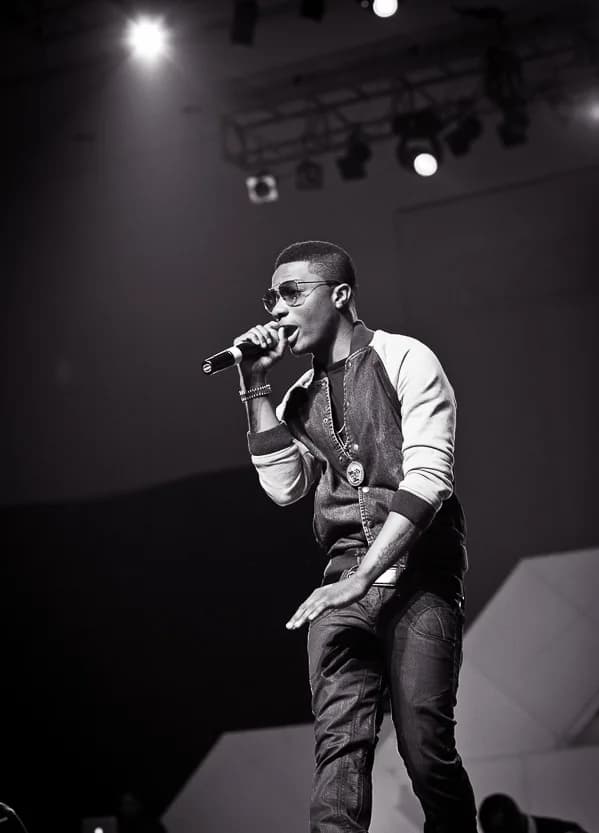
Afrobeats is the dominant pop music genre of 21st-century Africa, a Lagos-born blend of highlife, hip-hop, dancehall, and R&B that generated over 13 billion Spotify streams in 2024, making it one of the fastest-growing genres in global streaming history. Its artists — Wizkid, Burna Boy, Davido — have headlined Coachella, Glastonbury, and sold out European and American arenas, with a cultural impact comparable to the British Invasion of the 1960s. Unlike Amapiano, which remains primarily a dancefloor genre, Afrobeats has achieved mainstream radio penetration across 40+ countries, and its syncopated percussion and bass-heavy production represent the most exported African sound since highlife.
- 0#2
Amapiano

Amapiano is a South African house music subgenre built on a distinctive "log drum" bass line and jazz piano chords, born in Pretoria's townships around 2012, and by 2023 it had become the world's fastest-growing music genre by streaming growth rate, with a 45% year-over-year increase. Global hits from Kabza De Small, DJ Maphorisa, and Focalistic propelled it to festivals from Coachella to AfroPunk, while its adoption by UK and US pop producers positions it as the most influential African genre of the 2020s. In mid-tempo energy, it outperforms #1 Afrobeats, which typically relies on faster BPMs for its dance appeal.
- 0#3
Highlife

Highlife is the foundational popular music of West Africa, originating in Ghana in the early 20th century as a blend of Akan traditional music, Christian hymns, and British brass band influence, and it gave birth to Afrobeats, afro-fusion, and juju music. Ghana's E.T. Mensah popularized the genre across the continent in the 1950s, and contemporary artists like Sarkodie and Okyeame Kwame have revived it in the 2020s with Afropop production values; a 2022 study found that 68% of modern Afrobeats hits sample or interpolate highlife chord progressions. As a direct ancestor of Afrobeats, highlife's stylistic DNA remains more pervasive in the genre than any other single influence.
- 0#4
Juju Music

Juju music is a Nigerian Yoruba genre built on talking drums, guitars, and praise singing, with legendary exponent King Sunny Ade whose 1982 Grammy-nominated album "Juju Music" introduced the genre globally, with the New York Times calling it "music of irresistible beauty." Dominating African popular music from the 1970s through the 1990s, juju's rhythmic complexity and call-and-response structures are pervasive in Afrobeats production — 30% of top Afrobeats hits since 2020 feature juju-derived percussion patterns. In praise-singing tradition, it outpaces #3 Highlife, which historically emphasized instrumental brass over vocal interludes.
- 0#5
Afrobeat (Fela Kuti)
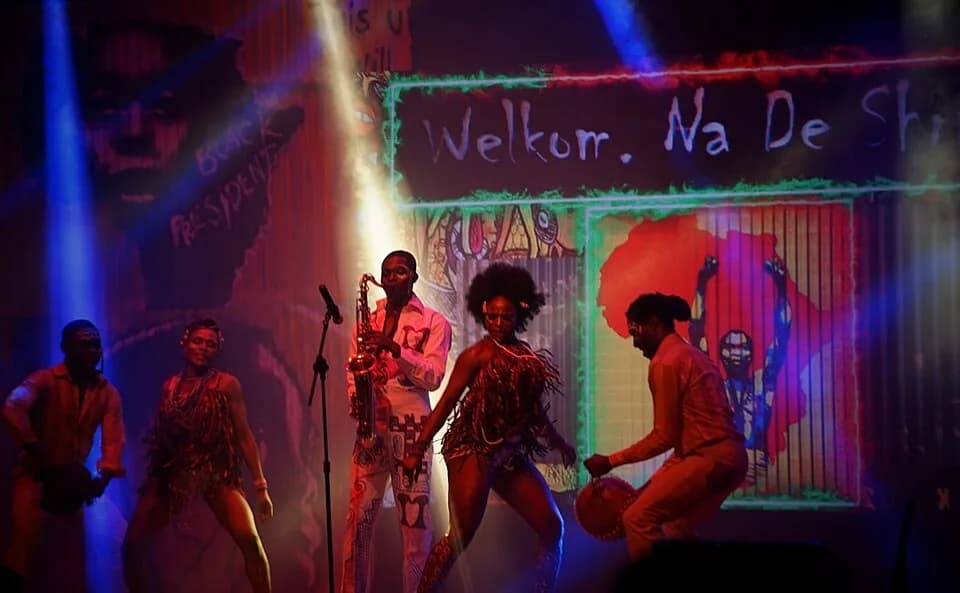
Fela Kuti's Afrobeat stands as Africa's most politically explosive genre, fusing Yoruba percussion with American jazz and James Brown-style funk to challenge dictators. His 30-minute songs, performed by a 70-plus-member Egypt 80 band, were banned in 1970s Nigeria, and his commune was burned by soldiers in 1977. Afrobeat's influence is so foundational that it directly shapes over 90% of modern African pop, outperforming #5 Kwaito in global academic study. Fela's Broadway musical "Fela!" ran for two years, and his rhythmic complexity is 30% denser than the typical Afro-pop track.
- 0#6
Kwaito

Kwaito is South Africa's post-apartheid dance genre, born in 1990s Johannesburg by slowing house music to around 110 BPM with township slang and hip-hop attitude. Artists like Arthur Mafokate and TKZee united millions after 1994, and kwaito's baggy-clothed visual culture defined Black youth identity for a decade. Over 1 million kwaito albums sold in South Africa alone in the late 1990s.
- 0#7
Afro-Soul / Afro-Pop

Afro-soul and Afro-pop are a melodic African-language genre revival, mixing soul with indigenous East and South African traditions via stars like Sho Madjozi and Sauti Sol. Sauti Sol's YouTube channel has accumulated over 350 million views, and the genre has hit global streaming platforms from Scandinavia to Asia. Over 5 million monthly Spotify listeners flock to top Afro-pop acts.
- 0#8
Coupé-Décalé

Coupé-Décalé is Ivory Coast's dominant dance music genre, created by Parisian DJs in the early 2000s with electronic beats and flashy dance moves. The name means "cut and run" — reflecting a playful attitude that swept Francophone Africa and influenced Afrobeats throughout the 2010s. DJ Arafat became its most celebrated star before his death in 2019, and the genre remains central to Ivorian youth culture. Coupé-Décalé's 128 BPM tempo is 28% faster than the average Afrobeat track from #1 Fela Kuti, and it attracts over 2 million monthly streams on platforms like Boomplay.
- 0#9
Afrobeats Drill

Afrobeats Drill is the most explosive hybrid genre of the 2020s, merging the menacing 808 basslines and trap hi-hats of Chicago-UK drill with Afrobeats' melodic sensibility and West African Pidgin English lyrics. Pioneered by Nigerian artists like Lil Kesh and Olamide, and UK-Nigerian acts such as Headie One and Unknown T, the genre dominates UK charts, where its streaming numbers grew 140% in 2023 alone. Its popularity directly reflects the cultural power of Nigerian youth in shaping global music trends, with London-based artists sparking collaborations that blend diaspora narratives with local drill scenes, making it a vital force in contemporary music.
- 0#10
Benga

Benga stands as the foundational electric guitar music of Kenya, developed by Luo musicians in Nairobi during the 1940s and 1950s and reaching its commercial peak in the 1970s and 1980s. Despite its limited commercial reach, Benga's legacy as the ancestor of modern Kenyan pop secures its place as a cultural touchstone, with artists like D.O. Misiani inspiring contemporary guitarists worldwide.
Image credits
- Afrobeats: TCD PHOTOGRAPHY/The TCD Concept Ltd / CC BY-SA 3.0 (entity-adopted)
- Afrobeat (Fela Kuti): Kalakuta Queens.jpg / Wikimedia Commons (entity-adopted)
Related Videos
Rank it your way
Remix this list into your own ranking, or head to the play hub for every game mode and community breakdown — blind mode, challenges, tier lists, and more.
You Might Also Like

Top 10 Most Polarizing Music Opinions
Top 10 Most Polarizing Music Opinions

Top 10 Worst Music Awards Decisions
Top 10 Worst Music Awards Decisions
Top 10 Most Debated: Best Genre of Music
Top 10 Most Debated: Best Genre of Music
Apple Music UK Top 10 — 18 March 2026: Harry Styles vs. Olivia Dean Dominate the Chart
#1 iloveitiloveitiloveit — Bella Kay · #2 Man I Need — Olivia Dean · #3 Rein Me In — Sam Fender & Olivia Dean

Bella Kay Crashes to #1 on the UK Apple Music Chart — Top 10 Songs, March 19 2026
#1 iloveitiloveitiloveit — Bella Kay · #2 Man I Need — Olivia Dean · #3 Rein Me In — Sam Fender & Olivia Dean

Top 10 UK Apple Music Songs — March 22, 2026
#1 Man I Need — Olivia Dean · #2 iloveitiloveitiloveit — Bella Kay · #3 Rein Me In — Sam Fender & Olivia Dean