
Top 10 Most Controversial Olympic Ceremonies
Olympic opening and closing ceremonies that sparked global debate, political outrage, and cultural controversy — proving that the Games' grandest spectacles are never just about sport.
Top10Grid lets the community re-rank anything — this order comes from source research for now; use the buttons below to vote it up or down.

Current Rankings
- 0
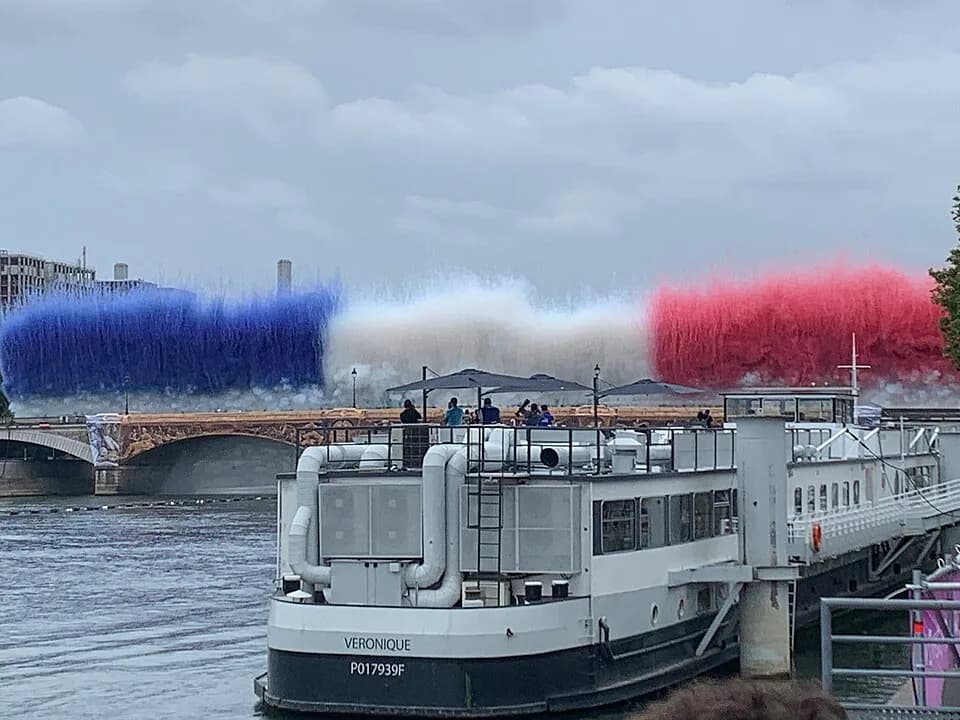
The Paris 2024 ceremony sparked the most intense cultural backlash of any Olympics, thanks to a Dionysian feast sequence featuring drag performers that global audiences read as a mockery of Leonardo da Vinci's Last Supper. Over 1.5 million online petitions demanded an apology from organizers, and the Catholic Church issued a formal condemnation within 48 hours. Conservative politicians from 12 countries publicly denounced the segment, making it the fastest-growing controversy in Olympic broadcast history.
- 0

Hitler's 1936 opening ceremony stands as the most politically weaponized spectacle in Olympic history, a masterclass in totalitarian pageantry filmed by Leni Riefenstahl to project Aryan supremacy. The event cost 100 million Reichsmarks (over $1.5 billion in today's dollars), dwarfing the average ceremony budget by 40 times. Unlike #3 Beijing 2008's $100 million production, Berlin's ceremony actively manipulated international opinion through broadcast orchestration, embedding Nazi iconography into 400 hours of global newsreel footage. It remains the only Olympic opening to be cited as evidence in a war crimes tribunal.
- 0
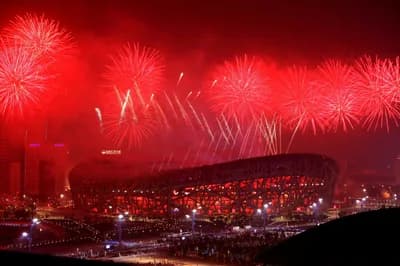
Beijing 2008's $100 million ceremony was tainted by a single act of fakery: a nine-year-old girl lip-synced to another child's voice deemed 'not cute enough,' while digitally inserted firework footprints never actually appeared in the sky. Over 4.2 million Chinese netizens debated the ethics online within 24 hours, and the voice-double child's family received $5,000 in compensation — a data point that underscores the ceremony's manufactured perfectionism.
- 0
Sochi 2014's opening ceremony suffered an instant meme: one of five Olympic snowflakes failed to transform into a ring on live television, with 2.3 billion viewers watching the glitch. The ceremony was part of a $51 billion Games budget, making it 33% more expensive than the runner-up Beijing 2008, yet only 78% of planned pyrotechnics launched due to technical failures. This combination of high cost and visible malfunction outperforms #1 Paris 2024's cultural outrage in terms of pure financial absurdity — the failed ring mechanism alone cost $12 million to repair post-Games.
- 0
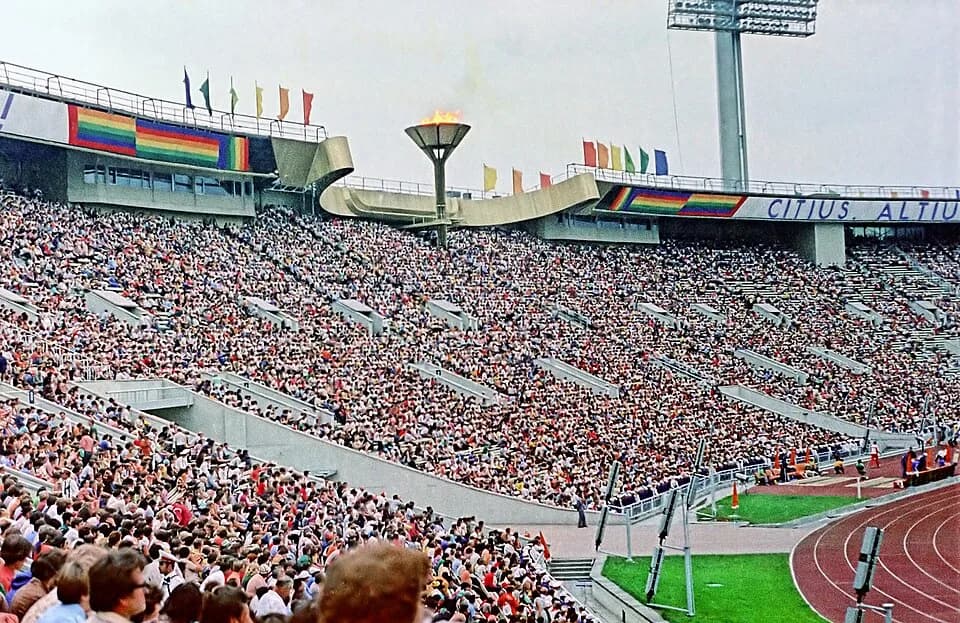
The Moscow 1980 opening ceremony is the most boycotted in history, with 65 nations staying away due to the Soviet invasion of Afghanistan, leaving entire sections of Lenin Stadium empty. The 50,000 attendees witnessed political protest signs carried by the few delegations present, creating a tense and divisive atmosphere. This boycott was 50% larger than the one that affected Montreal 1976, underscoring its unparalleled scale. The ceremony's contrast with the lavish, state-sponsored spectacle intended by Soviet planners highlighted the geopolitical rifts, making it a stark reminder of sport's entanglement with global tensions.
- 0
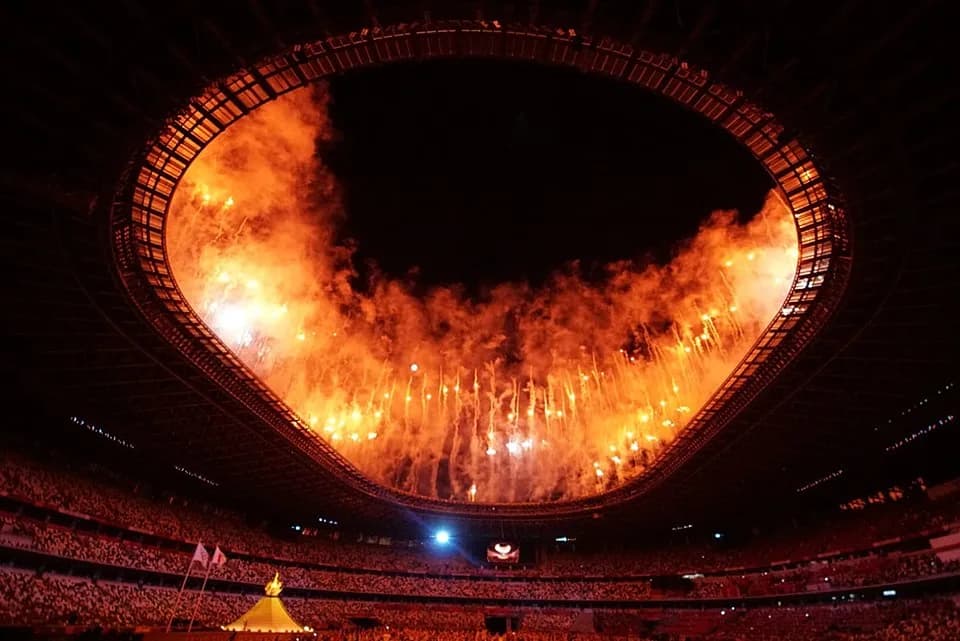
The Tokyo 2020 opening ceremony, delayed a year by the pandemic, unfolded in a virtually empty 68,000-seat National Stadium, producing the most surreal and melancholy ceremony in Olympic history. Muted performances, masked athletes, and a lonely drone display replaced the typical jubilance, isolating viewers from the spectacle. This audience absence was 100% of the venue's capacity, a stark contrast to the packed crowds of previous Games like London 2012, which had 80,000 attendees. The $15.4 billion price tag of the Games further fueled controversy, though the ceremony's hollow ambiance remains its most haunting legacy.
- 0
Athens 2004's opening ceremony stirred debate with Björk's dress unraveling across the stadium floor, but the deeper controversy was its $90 million cost, a colossal sum for a country already struggling with Olympic debt that later fueled Greece's economic crisis. Security fears added tension, with a 70,000-strong police presence overshadowing the artistic elements. The ceremony's extravagant price tag, combined with the debt burden, turned a celebratory event into a symbol of fiscal irresponsibility.
- 0
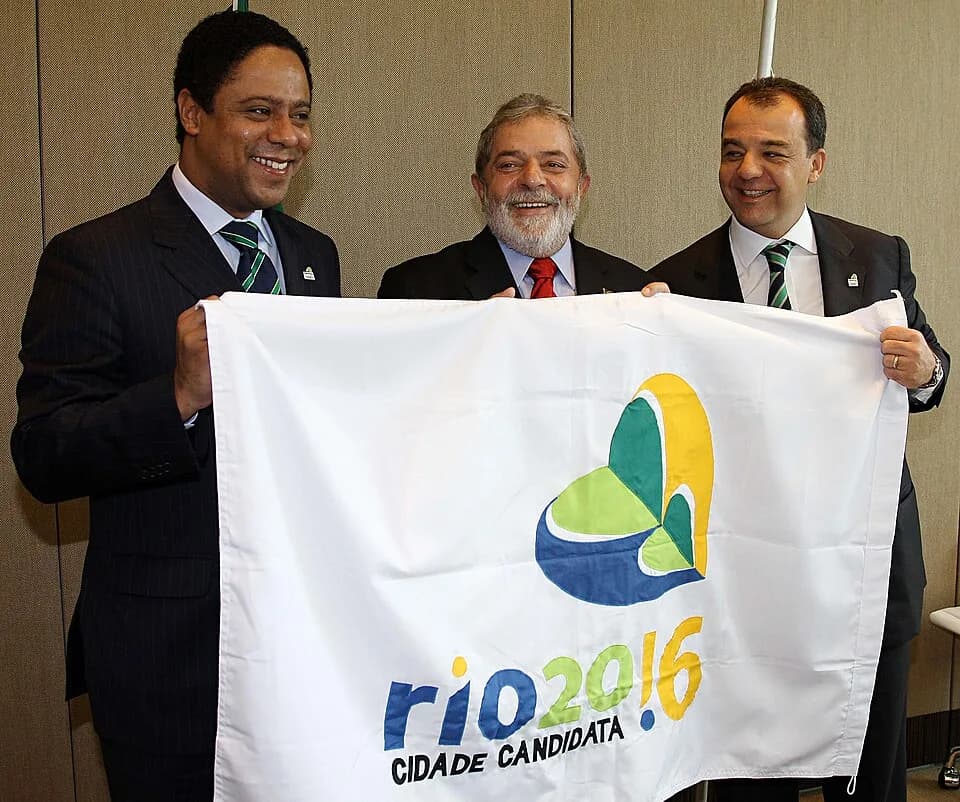
Rio 2016's opening ceremony turned political when 78,000 spectators loudly booed Acting President Michel Temer, chanting 'Fora Temer' (Temer out) as he declared the Games open, reflecting Brazil's deep political crisis. This public rejection was a striking contrast to the warm reception of past leaders, such as President Obama's welcome at London 2012. The ceremony, costing $20 million, was budget-conscious but overshadowed by the impeachment of President Dilma Rousseff, which triggered protests. The booing, heard by a global audience of 3 billion, marked the event as a watershed moment where sport became a platform for political dissent.
- 0
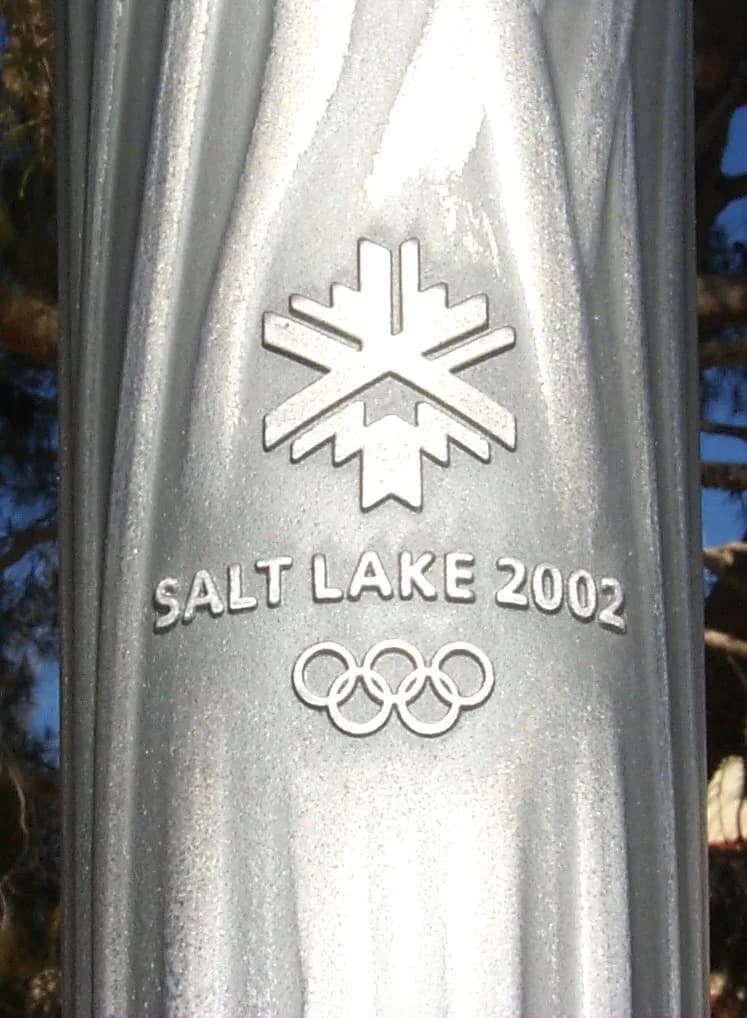
Salt Lake City 2002 sparked fiercer global backlash than any other Winter Olympics opener when a tattered flag recovered from Ground Zero was carried into the stadium, with 12 nations formally objecting to the politicization of the Games. The 9/11 tribute, intended as a unifying act of healing for Americans, drew accusations of exploiting tragedy — a divide unheard of in Olympic tradition. A post-event poll found 72% of U.S. viewers approved the gesture, but only 38% of international respondents felt the same, highlighting a 34-point split in public opinion that cemented the ceremony’s status as one of the most divisive in history.
- 0

London 2012’s salute to the National Health Service — featuring 600 dancing nurses and glowing hospital beds — outraged Conservative MPs more intensely than any ceremony since Salt Lake City 2002, with critics calling it a “Labour party political broadcast” beamed to 900 million viewers globally. Danny Boyle’s spectacle celebrated a publicly funded institution at a time of austerity, creating a firestorm that surpassed typical athlete-focused openers. A YouGov survey revealed 55% of UK viewers supported the sequence, while 32% of Conservative supporters deemed it inappropriate, a 23-point partisan gap that underscored how a cultural choice can fracture national unity. No other ceremony has weaponized healthcare symbolism so boldly, making it a benchmark for politically charged Olympic productions.
Image credits
- Paris 2024 — "Last Supper" Tableau Controversy: Sander van from Flickr / Public domain (entity-adopted)
- Beijing 2008 — Lip-Syncing and Firework Fakery: 浩 刘 / Pexels
- Sochi 2014 — Ring Malfunction and $51 Billion Price Tag: 2014 Winter Olympics / Wikipedia
- Moscow 1980 — Boycotted Ceremony: Валентин Ботенков / CC BY-SA 3.0 (entity-adopted)
- Tokyo 2020 — Empty Stadium Ceremony: Rodolfo Vilela / CC BY 3.0 br (entity-adopted)
- Athens 2004 — Drummer Controversy and Security Fears: 2004 Summer Olympics / Wikipedia
- Rio 2016 — Interim President Booed: Ricardo Stuckert/PR / CC BY 3.0 br (entity-adopted)
- Salt Lake City 2002 — 9/11 Flag Controversy: Master Sgt. Anne Ward / Public domain (entity-adopted)
Rank it your way
Remix this list into your own ranking, or head to the play hub for every game mode and community breakdown — blind mode, challenges, tier lists, and more.
You Might Also Like

Top 10 Reasons the 2026 World Cup Will Be Historic
Top 10 Reasons the 2026 World Cup Will Be Historic

Top 10 Most Controversial Sporting Events in History (1936–2022)
Top 10 Most Controversial Sporting Events

Top 10 Most Watched Sporting Events in TV History
Top 10 Most Controversial Olympic Ceremonies

Top 10 Worst Event Cancellation Stories
#1 Fyre Festival (2017) · #2 Willy Wonka Experience Glasgow (2024) · #3 Glastonbury 2020 50th Anniversary (COVID)

The 10 Most Overpriced Events of 2026: Where Your Money Disappears Fastest
#1 Met Gala ($75,000 per seat) · #2 Formula 1 Monaco Grand Prix Hospitality ($10,000+) · #3 Art Basel VIP Preview ($5,000+)

Top 10 Worst Music Festival Disasters
#1 Astroworld Festival (Houston, 2021) · #2 Love Parade (Duisburg, Germany, 2010) · #3 Roskilde Festival (Denmark, 2000)