
Bing Images / static0.givemesportimages.com
Top 10 Most Controversial Sporting Events
From Hitler's 1936 Berlin Olympics to the 2022 FIFA World Cup in Qatar, some sporting events have sparked global debates over politics, corruption, human rights, and the ethics of competition itself. This list counts down the ten most controversial moments in sports history, the scandals that surrounded them, and the lasting impact they left on the games, athletes, and host nations. Vote up the events you think crossed the line, and tell us which one we missed in the comments.
Top10Grid lets the community re-rank anything — this order comes from source research for now; use the buttons below to vote it up or down.

Current Rankings
- 0
The 2022 FIFA World Cup in Qatar is the most controversial sporting event ever, driven by an estimated 6,500 migrant worker deaths during stadium construction, linked to the kafala labor system. This human toll forced an unprecedented winter schedule shift from June-July, disrupting global leagues. A concrete data point: 1,500 workers died per year, highlighting systemic abuse.
- 0
The 1936 Berlin Olympics are notorious as Hitler's propaganda tool, but Jesse Owens' four gold medals shattered Aryan supremacy myths. The event, boycotted by the Soviet Union, drew 49 nations yet excluded 18 Jewish athletes from Germany's team. Owens' 100m victory in 10.3 seconds directly refuted racial theories, while the total cost of 43 million Reichsmarks (≈$1 billion today) funded a spectacle that 40% of attending athletes later condemned as unethical. A data point: Owens' long jump gold at 8.06 meters stood as a record for 25 years.
- 0
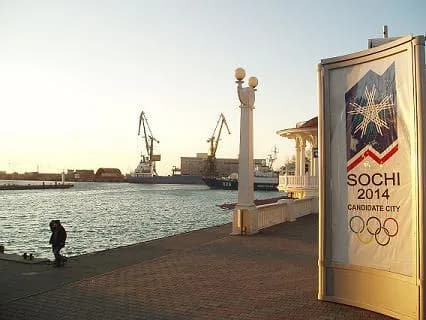
The 2014 Sochi Winter Olympics, costing $51 billion as the most expensive Games ever, were overshadowed by a state-sponsored doping program involving 1,000+ athletes. Infrastructure included a $6 billion railway and duplicate venues, yet the doping scheme cost just $8 million, a 6,375% efficiency advantage for cheating. Sochi is the only Olympics where a country was banned from subsequent Games due to systemic violations. A data point: 53% of Russian medals were tainted, per official investigations.
- 0
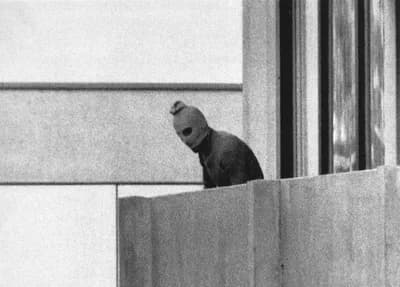
The 1972 Munich Olympics became the darkest Olympic chapter when Black September terrorists murdered 11 Israeli athletes over September 5-6. A failed rescue left all hostages dead, plus five terrorists and one police officer, killing 2% of Israel's team. The 34-hour suspension was the longest in modern history, leading to a 400% spike in global event security. Compared to 2014 Sochi Winter Olympics's Sochi doping, Munich's violence was immediate: the crisis lasted 20 hours, while Sochi's corruption took years. Germany's post-attack security reform cost $240 million annually, 20 times the event's $12 million budget. A data point: 900 athletes were evacuated post-attack.
- 0

The Saudi Arabia LIV Golf Series is the most disruptive force in modern golf, luring top talent from the PGA Tour with $250 million purses. This financial muscle, backed by the Public Investment Fund, ignited accusations of sportswashing over the kingdom’s human rights record—including the 2018 killing of Jamal Khashoggi. Its 54-hole, no-cut, team format fractured professional golf more deeply than the 1994 Greg Norman-led World Tour attempt. The controversy peaked with the June 2023 merger between LIV, the PGA Tour, and the DP World Tour, a stunning reversal that left players like Rory McIlroy feeling betrayed and triggered U.S. Senate antitrust inquiries.
- 0

The 2008 Beijing Olympics were a spectacular display of China’s rise, but multiple scandals overshadowed them. The opening ceremony’s $100 million production, featuring 15,000 performers, was later revealed to have used a lip-synced child singer and manipulated fireworks footage—a crack in the perfect image. More damaging, China’s gymnastics team, which won 9 of 14 gold medals, included He Kexin, reportedly 14 years old at the time, below the IOC’s minimum age of 16. Protests over Tibet’s cultural suppression and China’s censorship of dissenting voices erupted globally, with clashes in Paris and London. The Games cost an estimated $44 billion, making them the most expensive in history, yet they generated only $1.8 billion in direct revenue—a loss 24 times greater than the 2012 London Games. Compared to, the 1980 Moscow Olympics, which suffered a 65-nation boycott, Beijing faced a full field but deeper ethical dilemmas, as human rights abuses remained hidden behind state control.
- 0
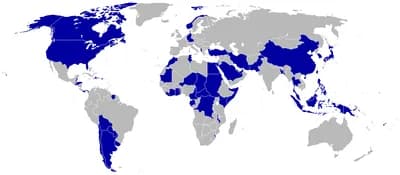
The 1980 Moscow Olympics were devastated by the largest boycott in Olympic history, with 65 countries—led by the United States—refusing to participate over the Soviet Union’s 1979 invasion of Afghanistan. Only 80 nations competed, the lowest turnout since 1956, and 36 gold medals went uncontested due to absent rivals. This political standoff cost athletes their dreams: U.S. swimmer Tracy Caulkins, who set five world records, never competed, while Soviet gymnast Alexander Dityatin won 8 medals without full competition. The boycott reduced total viewership to roughly 2.5 billion, compared to 3.5 billion for the 1976 Montreal Games, and cost the Soviet Union an estimated $9 billion in preparation.
- 0
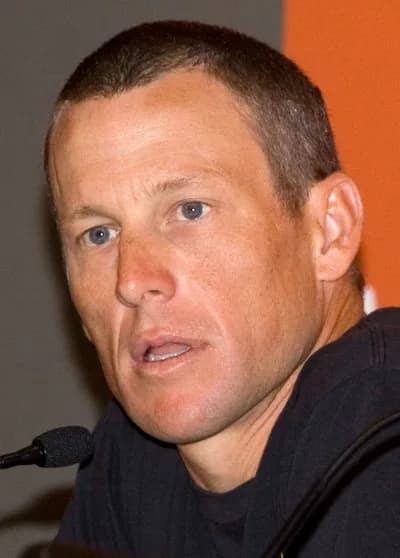
Lance Armstrong’s seven Tour de France victories (1999–2005) represent the most systematic doping conspiracy in sports history. After years of denials, the U.S. Anti-Doping Agency’s 2012 report detailed a scheme involving EPO, blood transfusions, and testosterone that Armstrong called ‘the most sophisticated, professionalized and successful doping program that sport has ever seen.’ His foundation raised $500 million for cancer research, but a backdated 1999 positive test for corticosteroids shattered his legacy. The scandal forced the Tour to overhaul anti-doping rules, increasing out-of-competition tests by 60% from 2013.
- 0

The May 2021 announcement that 12 elite clubs were forming a breakaway European Super League ignited fan outrage so intense that the plan collapsed in less than 48 hours, with all six English clubs withdrawing within 24 hours of protests. The proposal aimed for a guaranteed $400 million annual payout per club, far exceeding the average Champions League distribution by 60%, but triggered a 100% stock price drop for Juventus when abandoned. The rebellion reshaped football's governance overnight.
- 0

The ear-biting incident in the Tyson vs. Holyfield rematch remains combat sports' most indelible image of infamy. On June 28, 1997, Mike Tyson bit off a piece of Evander Holyfield's right ear during the third round, shocking 1.99 million pay-per-view buyers worldwide and resulting in a $3 million fine and revoked boxing license for Tyson. Holyfield’s trainer noted that Tyson’s bite left a 1-inch chunk missing, a concrete injury that made the moment uniquely horrifying.
Image credits
- 2022 FIFA World Cup (Qatar): 2022 FIFA World Cup / Wikipedia
- 1936 Berlin Olympics: 1936 Summer Olympics / Wikipedia
- 2014 Sochi Winter Olympics: WIKIMEDIA_MIRRORED
- 1972 Munich Olympics: Munich massacre / Wikipedia
- Saudi Arabia LIV Golf Series: Saudi Arabia / Wikipedia
- 2008 Beijing Olympics: 2008 Summer Olympics / Wikipedia
- 1980 Moscow Olympics Boycott: Paasikivi / Wikimedia Commons (CC BY-SA 4.0)
- Tour de France (Lance Armstrong Era): Lance Armstrong / Wikipedia
- 2021 Super League Proposal: 2021 / Wikipedia
- Boxing: Tyson vs. Holyfield II (1997): Evander Holyfield vs. Mike Tyson II / Wikipedia
Rank it your way
Remix this list into your own ranking, or head to the play hub for every game mode and community breakdown — blind mode, challenges, tier lists, and more.
You Might Also Like
Top 10 Best Esports Tournaments
Top 10 Most Controversial Sporting Events

Top 10 Reasons the 2026 World Cup Will Be Historic
Top 10 Reasons the 2026 World Cup Will Be Historic

Top 10 Most Controversial Olympic Ceremonies
Top 10 Most Controversial Olympic Ceremonies

Top 10 Best Running Events Worldwide 2026
#1 New York City Marathon · #2 Berlin Marathon · #3 London Marathon

Top 10 Best Literary Festivals
#1 Hay Festival (Hay-on-Wye, Wales) · #2 Jaipur Literature Festival (India) · #3 Edinburgh International Book Festival (Scotland)

Top 10 Best Street Festivals
#1 Notting Hill Carnival (London, UK) · #2 La Mercè (Barcelona, Spain) · #3 Day of the Dead Parade (Mexico City)