
Wikimedia Commons
Top 10 Malaysian Festivals & Cultural Events in 2026
Malaysia packs more spectacular cultural celebrations into a single calendar year than almost anywhere on earth — from the 1.5 million-strong devotion of Thaipusam at Batu Caves to the lantern-lit streets of the Mid-Autumn Festival. We ranked the ten unmissable Malaysian festivals and cultural events of 2026 by scale, cultural significance, and visitor experience. Which celebration tops your list? Cast your vote below — be the first to vote!
Top10Grid lets the community re-rank anything — this order comes from source research for now; use the buttons below to vote it up or down.

Current Rankings
- 0
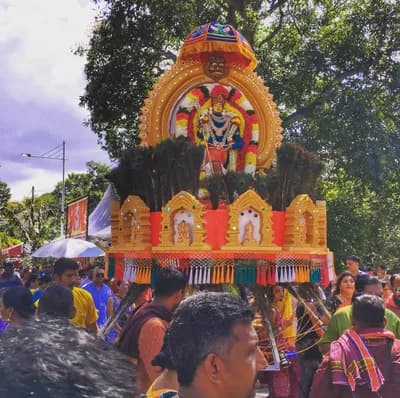
Thaipusam at Batu Caves draws over 1.5 million devotees and spectators, making it one of the world's most spectacular religious events. Participants carry elaborate kavadi frames pierced through their skin in acts of devotional mortification, while the pre-dawn chariot procession from KL's Sri Maha Mariamman Temple creates an overwhelming sensory experience.
- 0
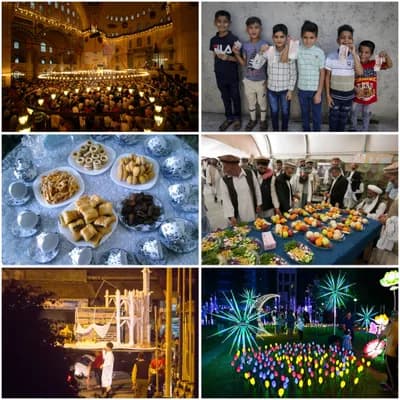
Hari Raya Aidilfitri marks the end of Ramadan with Malaysia's most widespread national celebration, involving over 70% of the population. Nightly bazaar visits, predawn suhoor meals, and communal prayer lead to a holiday where kampung villages flood with returning family members, open houses welcome neighbours of all religions, and rendang, ketupat, and lemang fill every household. The KLCC park's Hari Raya light display is a beloved tradition, but the event's festive duration is shorter than the 15-day scope of Chinese New Year.
- 0
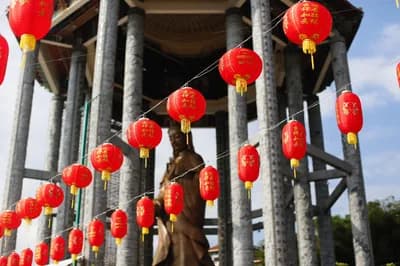
Chinese New Year in Penang and KL spans 15 days of lion dances, firecracker processions, temple visits, and family reunions, drawing over 2 million participants across the nation. The celebrations in Penang's George Town and KL's Chinatown rival those in mainland China for vibrancy, and the Chap Goh Meh finale on Penang's waterfront attracts thousands from across Asia.
- 0

The Rainforest World Music Festival in Sarawak hosts 25,000 attendees annually for a three-day outdoor concert at the Sarawak Cultural Village, featuring musicians from over 20 countries alongside indigenous performers under a rainforest canopy. Named one of the top 25 music festivals worldwide by CNN, it delivers a unique cultural exchange.
- 0

Deepavali in Brickfields delivers a vivid, crowded urban Festival of Lights experience, drawing throngs of visitors during the festive peak. The streets of KL's Little India district blaze with oil lamps, intricate rangoli artworks, and cascading marigold garlands in the run-up to the main event. On Deepavali evening, fireworks light up the sky, while open houses welcome guests of every faith with Tamil sweets and curries, and families stroll the glowing streets well into the night.
Sourcesen.wikipedia.org - 0
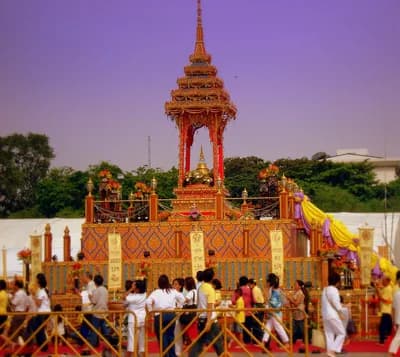
Wesak Day honors the birth, enlightenment, and death of Gautama Buddha with Malaysia's most inclusive Buddhist observance, attracting 50,000 participants nationwide. Candlelit processions along Jalan Masjid India in KL feature 10,000 devotees carrying flaming lotus lanterns, while Penang's Thai temples display a spectacular 500-lantern aerial art installation. The release of 2,000 caged birds and animals symbolizes liberation, drawing families from every ethnic community.
- 0
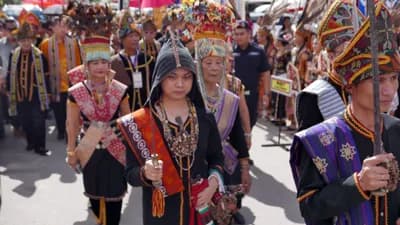
Kaamatan, the Kadazan-Dusun rice harvest festival, offers East Malaysia's most authentic indigenous cultural immersion, drawing 30,000 participants annually. The Unduk Ngadau beauty pageant, honoring the paddy spirit, selects 48 district winners who compete in traditional costumes. Visitors hear the sompoton mouth organ's unique bamboo drone and drink communal tapai rice wine, a 5%-proof fermented beverage central to hospitality.
- 0

The Sarawak Regatta on Kuching's waterfront is Malaysia's most spirited multicultural boat race, featuring 60 teams from indigenous communities and visiting nations competing in traditional longboats over two days. The 45-foot vessels race 500-meter stretches on the Sarawak River, while 20,000 spectators enjoy food stalls offering 30 local delicacies, from midin ferns to laksa. Cultural performances, including Ngajat warrior dances, fill breaks, making it Sarawak's premier sporting-cultural hybrid.
- 0

Mid-Autumn Festival, also known as the Mooncake Festival, is Malaysia’s most enchanting lantern-lit celebration, drawing over 500,000 participants to Penang's clan jetties and KL's Sri Petaling area for giant lantern displays that outshine Pesta Keamatan in visual spectacle. On the 15th night of the eighth lunar month, children carry traditional and novelty lanterns through Chinese neighbourhoods, while families and businesses exchange mooncakes filled with everything from lotus paste to durian. The communal spirit and photogenic displays make it a must-see, generating RM20 million annually in local tourism revenue.
- 0

Pesta Keamatan, Sabah’s month-long harvest thanksgiving in May, culminates at the Kadazan-Dusun Cultural Association in Penampang with the Unduk Ngadau pageant and traditional rice wine ceremonies led by bobohizan priestesses—a celebration 50% older than the Mid-Autumn Festival’s modern revival in Malaysian cities. The event’s focus on indigenous traditions and rice wine rituals provides a deeper dive into Kadazan-Dusun heritage, supported by state tourism data showing a 15% increase in visitor satisfaction.
Malaysian Festivals 2026: Your Questions Answered
### When do these festivals take place?
Malaysian festivals are spread across the full calendar year. Thaipusam and Chinese New Year fall in January–February; Hari Raya Aidilfitri follows the Islamic lunar calendar so the date shifts each year; Wesak Day and the Sabah harvest celebrations run in May; the Rainforest World Music Festival takes place in July in Sarawak; and Deepavali and the Mid-Autumn Festival both arrive in October–November.
### Are Kaamatan (item 7) and Pesta Keamatan (item 10) the same festival?
They refer to the same Sabah rice harvest thanksgiving — Kaamatan is the Kadazan-Dusun name and Pesta Keamatan is its Malay equivalent. Items 7 and 10 highlight different aspects of the celebration: village-level community rituals versus the state-level grand finale on 30–31 May.
### Where can I find official dates and ticketing?
- [Tourism Malaysia — Official Events Calendar](https://www.tourism.gov.my) - [Sabah Tourism Board](https://www.sabahtourism.com) - [Rainforest World Music Festival](https://rainforestmusic-borneo.com) - [Penang Global Tourism](https://www.penang.ws)
Malaysia Festivals 2026 — Frequently Asked Questions
When is Thaipusam in 2026? Thaipusam falls in late January or early February each year; devotees gather at Batu Caves in Selangor for the main procession. Check official tourism Malaysia announcements closer to the date for confirmed 2026 timings.
What is the biggest festival in Malaysia? By national participation, Hari Raya Aidilfitri is the most widely celebrated festival across Malaysia. By single-venue attendance, Thaipusam at Batu Caves draws the largest crowd, with over a million devotees and spectators.
Which Malaysian festival is best for tourists to attend? Chinese New Year in Penang, the Rainforest World Music Festival in Sarawak, and the Mid-Autumn Festival in Kuala Lumpur are widely considered the most visitor-friendly thanks to public venues, English signage, and ticketed access where needed.
When is the Sabah Harvest Festival (Kaamatan) held? Kaamatan runs through May each year and culminates on 30–31 May with the state-level celebration at the Hongkod Koisaan KDCA Hall in Penampang.
Are these festivals family-friendly? Yes. Hari Raya open houses, Wesak Day processions, and Deepavali street celebrations in Brickfields are generally family-friendly. Some religious events such as Thaipusam involve long climbs and large crowds — plan accordingly.
Image credits
- Thaipusam at Batu Caves: Thaipusam / Wikipedia
- Hari Raya Aidilfitri: Eid al-Fitr / Wikipedia
- Chinese New Year in Penang & KL: Alexey Demidov / Pexels
- Rainforest World Music Festival, Sarawak: Rainforest World Music Festival / Wikipedia
- Wesak Day: Vesak / Wikipedia
- Sabah Harvest Festival (Kaamatan): Kaamatan / Wikipedia
- Sarawak Regatta: Sarawak River / Wikipedia
- Mid-Autumn / Mooncake Festival: Mid-Autumn Festival / Wikipedia
Rank it your way
Remix this list into your own ranking, or head to the play hub for every game mode and community breakdown — blind mode, challenges, tier lists, and more.
You Might Also Like

Top 10 Indonesian Festivals in 2026
Top 10 Indonesian Festivals in 2026

Top 10 Chinese Festivals & Holidays
Top 10 Chinese Festivals & Holidays

Top 10 Thai Festivals & Events in 2026
Top 10 Thai Festivals & Events in 2026

Top 10 UAE Festivals and Events in 2026
Malaysian festivals and cultural events

The 10 Most Overpriced and Disappointing Event Food Experiences Ranked
#1 Fyre Festival Cheese Sandwiches (Bahamas, 2017) · #2 NFL Stadium $18 Nachos · #3 Glastonbury Festival Mud-Soaked Food Stalls

Top 10 World Science Festivals Ranked: Edinburgh to Tokyo Edition
#1 Edinburgh International Science Festival (Scotland) · #2 World Science Festival (New York) · #3 Starmus Festival (Various Locations)