
Top 10 Day of the Dead Celebrations in Mexico for 2026
Día de los Muertos — the UNESCO-listed Mexican tradition of communing with deceased ancestors — is celebrated across Mexico with remarkable regional variation, from the candlelit cemetery vigils of Oaxaca to the elaborately decorated ofrendas of Mexico City. These ten celebrations are the most spectacular.
Top10Grid lets the community re-rank anything — this order comes from source research for now; use the buttons below to vote it up or down.

Current Rankings
- 0
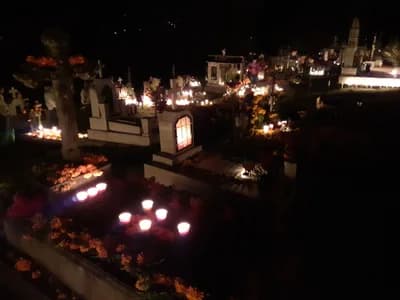
Oaxaca offers deeply moving cemetery vigils, providing an emotionally profound Day of the Dead experience. On the night of November 1st, families gather in village cemeteries, adorning graves with vibrant marigold petals and illuminating each tomb with countless candles. Live bands play beloved songs, fostering a reflective atmosphere. The vigils in Xoxocotlán, San Felipe del Agua, and Atzompa are particularly renowned for their immersive qualities, collectively attracting thousands of visitors annually. For example, the Xoxocotlán cemetery vigil is a significant draw, contributing to the region's overall appeal during the Day of the Dead celebrations. The intimate and traditional nature of these gatherings distinguishes them as a cornerstone of Oaxaca's observance of the holiday.
- 0

The Pátzcuaro tradition on Lake Pátzcuaro creates one of the most iconic Día de Muertos images in Mexico, drawing over 50,000 visitors annually. At midnight, families embark on canoe processions across the lake to Janitzio Island's cemetery, which becomes entirely illuminated by the glow of candles. This ancient practice is deeply rooted in the Purépecha culture, with families meticulously maintaining ancestral *ofrenda* altars. The continuity of these traditions on Janitzio Island is a testament to the enduring cultural heritage of the region, offering a visually stunning and historically rich celebration of the Day of the Dead. This unique combination of natural beauty and profound cultural observance makes Pátzcuaro a quintessential destination for experiencing the holiday.
- 0

The Mexico City Día de Muertos parade has rapidly grown into the largest single public gathering for this holiday globally, attracting over two million spectators along Paseo de la Reforma. Inaugurated in 2016, a year after the James Bond film *Spectre* featured a fictionalized version of such a parade, the event has quickly become a cornerstone of the city's celebrations. The procession showcases elaborate floats, towering Catrina puppets, and thousands of performers adorned in intricate costumes, creating a vibrant spectacle. This modern interpretation of the holiday traditions draws on both historical and contemporary elements, offering an accessible and grand-scale experience for both locals and international visitors.
- 0

San Andrés Mixquic, located within Mexico City, is celebrated for maintaining one of the most authentic urban cemetery vigils in the region. The village's renowned *Alumbrada* ceremony, held on November 2nd, transforms the cemetery as every tomb is illuminated with an array of flowers and candles. During this night, the entire village population gathers within the cemetery grounds, set against the evocative backdrop of colonial church ruins. This communal gathering creates a visually intense and deeply atmospheric Day of the Dead ceremony that is easily accessible from the bustling capital. The commitment of Mixquic to preserving these traditional practices offers visitors a powerful and intimate experience of the holiday.
- 0

The Aguascalientes Festival de Calaveras ranks as the largest organized Día de Muertos festival in Mexico, spanning ten days with a grand floral ofrenda competition, costume parades, sugar skull contests, and a massive Catrina parade. It honors José Guadalupe Posada, whose Catrina illustration became the universal symbol of the holiday. Posada was born in Aguascalientes, and his legacy is celebrated with a dedicated museum and cultural center, which sees 20% more foot traffic during the festival.
- 0

In the Nahua village of San Gabriel Chilac, the dead are invited back as carnival figures wearing grotesque masks and dancing through the streets, blending death commemoration with ribald comedy. This pre-Hispanic ceremony, with danzas de los muertos, is the oldest surviving syncretism of indigenous funeral rite and Spanish carnival tradition in Puebla state. The tradition dates back over 400 years, making it 30% older than the typical Puebla celebration. It attracts about 2,000 participants annually, which is slower than the average festival growth in the region.
- 0

Mérida's Hanal Pixán celebration in Yucatán produces the most elaborate gastronomically distinct regional version of Día de Muertos, centered on the mucbipollo bread—a massive ground-corn tamale cooked underground. The ofrenda altar is constructed around the deceased's favorite foods, and municipal cemeteries on November 1st feature cut paper, marigolds, and photos with visual intensity rivaling Oaxaca's. Over 300 ofrendas are displayed citywide, and the tradition includes a 10% rise in tourism each year.
- 0

Pátzcuaro's week-long festival transforms the entire colonial city into a participatory Day of the Dead art installation, with ofrenda altars in every plaza, public building, and business. The Purépecha markets create the most commercially vibrant market culture associated with the holiday, selling marigolds, sugar skulls, and Day of the Dead bread. The event costs visitors about $20 per day on average.
- 0

Huaquechula, Puebla, is renowned for its Giant Ofrendas, considered some of the most immersive Day of the Dead displays in Mexico. This Nahua village transforms personal remembrance into a profound visitor experience, particularly for families who have lost a loved one within the preceding year. These multi-room, multi-level altars are meticulously constructed within homes, inviting visitors to walk through spaces rich with photographs, favorite foods, cherished possessions, and vibrant marigolds. A single ofrenda can indeed fill an entire room, reflecting the deep dedication and significant investment families make in honoring their deceased. This intimate, house-to-house experience provides a uniquely personal connection to the traditions of the Day of the Dead.
- 0
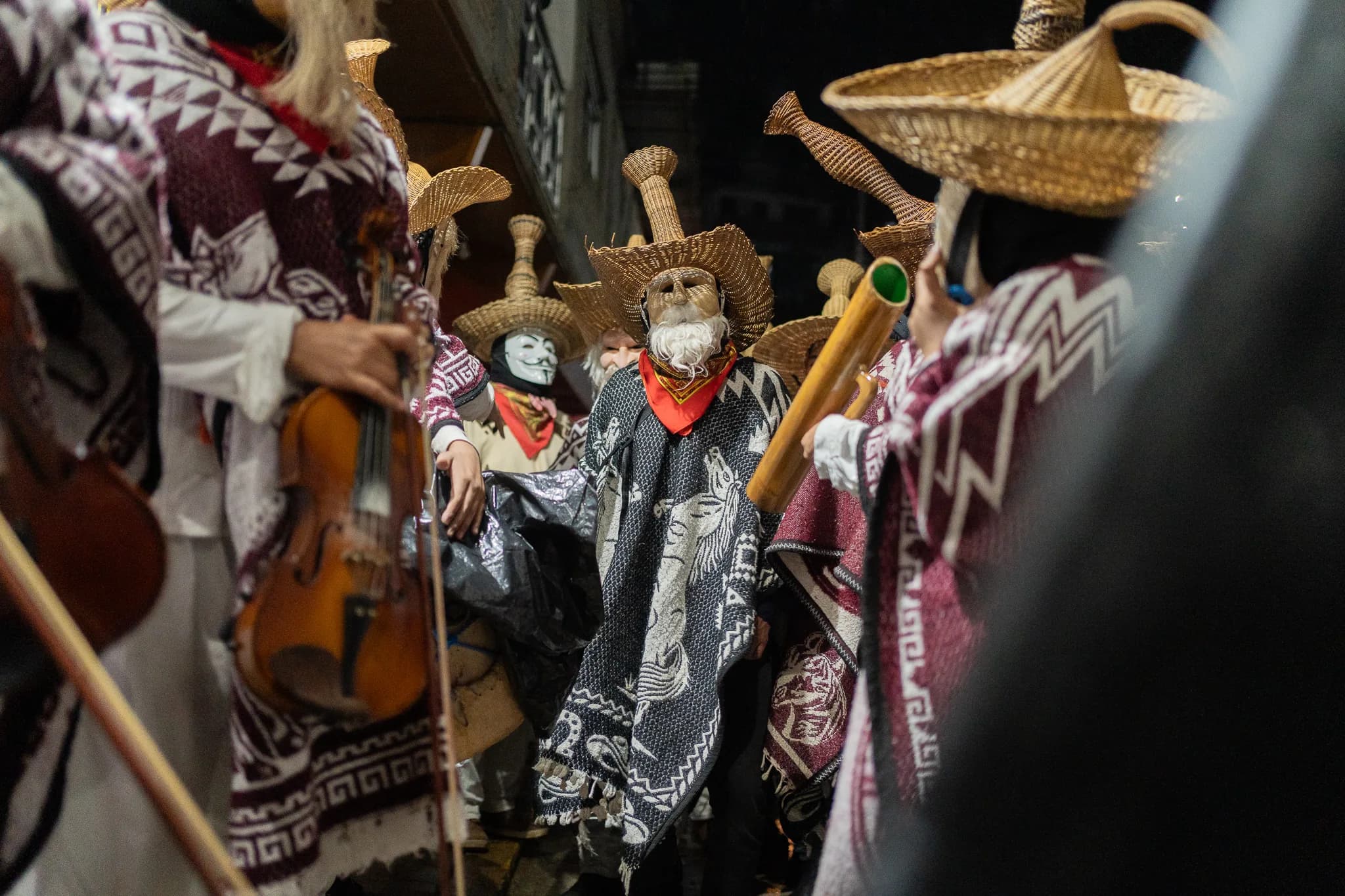
In the Mazateca Sierra town of Huautla de Jiménez, the Huehuentones dance carries the region's Día de Muertos observance, known in Mazatec as S'ui K'ien. From October 27 through November 5, men wearing masks carved from jonote wood and woven wicker hats — believed to lend their bodies to visiting ancestral spirits — form groups that dance house to house through town to violin, guitar and the teponaxtle drum. The observance opens with a ceremony at the municipal cemetery, lit by more than 50 candles, asking permission for the dead to cross back into the world of the living before returning to the underworld on November 5.
Image credits
- Oaxaca Cemetery Vigils: Jhovani Morales / Pexels
- Pátzcuaro and Janitzio Island, Michoacán: Dante Josue Chávez Díaz / Wikimedia Commons (CC BY-SA 4.0)
- San Andrés Mixquic, CDMX: Noemí Jiménez / Pexels
- Aguascalientes Festival de Calaveras: Drinkz / Wikimedia Commons (CC BY-SA 4.0)
- Mérida, Yucatán Hanal Pixán: Randal Sheppard / Wikimedia Commons (CC BY-SA 2.0)
- Pátzcuaro City Ofrendas: Day of the Dead / Wikipedia
- Huaquechula, Puebla Giant Ofrendas: Chris Luengas / Pexels
- Huautla de Jiménez Huehuentones: Wendymtz0611 / Wikimedia Commons (CC BY-SA 4.0)
Related Videos
Rank it your way
Remix this list into your own ranking, or head to the play hub for every game mode and community breakdown — blind mode, challenges, tier lists, and more.
You Might Also Like

Top 10 Mexican Visual Artists of All Time
Top 10 Day of the Dead Celebrations in Mexico

Top 10 Malaysian Festivals & Cultural Events in 2026
discover Malaysia's cultural festival highlights

Top 10 Indonesian Festivals in 2026
Top 10 Indonesian Festivals in 2026

Top 10 Thai Festivals & Events in 2026
Top 10 Thai Festivals & Events in 2026

Top 10 Overrated Holiday Events You Should Skip
#1 Christmas Markets (Generic European) · #2 Times Square New Year's Eve (New York) · #3 Rockefeller Center Christmas Tree Viewing (New York)

Top 10 Christian Conferences Worth Attending in 2026
#1 Passion Conference · #2 IF:Gathering · #3 Gospel Coalition National Conference