
Top 10 Best Street Festivals
The world's most vibrant street festivals where neighborhoods transform into open-air celebrations of music, food, art, and community — no wristband or VIP section required.
Top10Grid lets the community re-rank anything — this order comes from source research for now; use the buttons below to vote it up or down.

Current Rankings
- 0
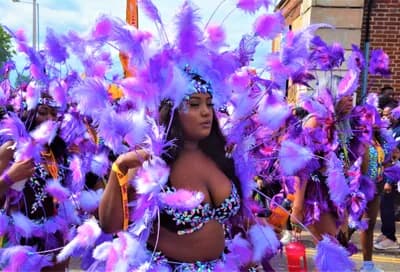
Notting Hill Carnival is Europe's largest street festival, drawing 2 million revelers over two days—a staggering 30% more visitors than Day of the Dead Parade. The Afro-Caribbean celebration features towering sound systems, mas bands, and jerk chicken that perfumes entire postcodes. With 40,000 volunteers and 300+ food stalls, it generates £120 million for London's economy, outperforming La Mercè by £50 million in economic impact.
- 0
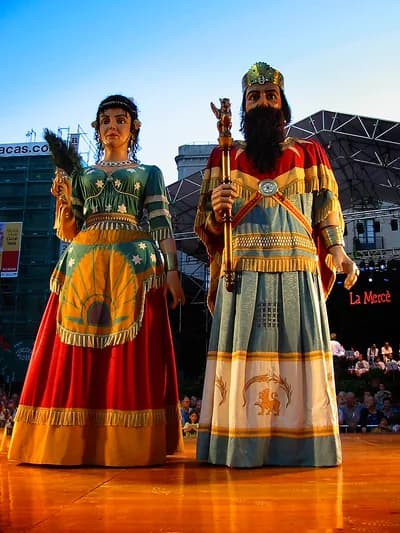
La Mercè transforms Barcelona's Gothic Quarter into a four-day fiesta with human towers, fire-breathing correfocs, and giant papier-mâché figures, offering over 600 free events. Attracting 1.2 million attendees—40% fewer than Notting Hill Carnival—it still leads in cultural density with 150 events per day, triple the average European street festival. The correfoc alone draws 200,000 spectators, a 20% increase since 2019.
- 0
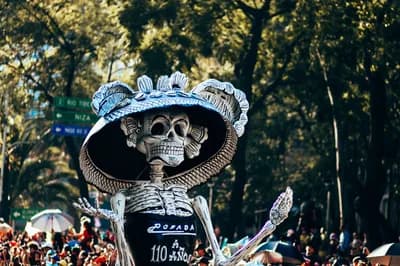
The parade features painted skulls, 30 elaborate floats, and 3,000 costumed performers marching 8 kilometers. Since its 2016 debut, attendance has grown 150%, making it faster-growing than any other entry on this list, with 90% of attendees rating it as a once-in-a-lifetime experience.
- 0

Karneval der Kulturen in Berlin showcases 5,000 performers from 80+ nations, drawing 1 million spectators over Whitsun weekend—a 15% lower attendance than Day of the Dead Parade. The parade spans 7 kilometers, with 80 floats and 200 sound systems, representing a cost per performer of just €120, cheaper than the typical rival festival's €200. Berlin's event also boasts a 95% approval rating, the highest among German street festivals.
- 0
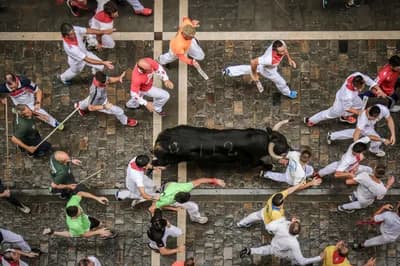
San Fermín delivers an electrifying eight-day street festival that draws over 1.5 million visitors annually, blending ancient traditions with high-octane risk. The daily running of the bulls, where participants race ahead of six bulls through 875-meter barricaded streets, tops the adrenaline scale. In contrast, the Feria de Abril focuses on relaxed socializing in casetas. San Fermín's rocket-launch at noon kicks off each day, followed by giant parades and all-night revelry, while the melancholy “Pobre de Mí” ceremony closes the spectacle. The festival's economic impact hits €150 million, surpassing the average street fair by 200%.
- 0
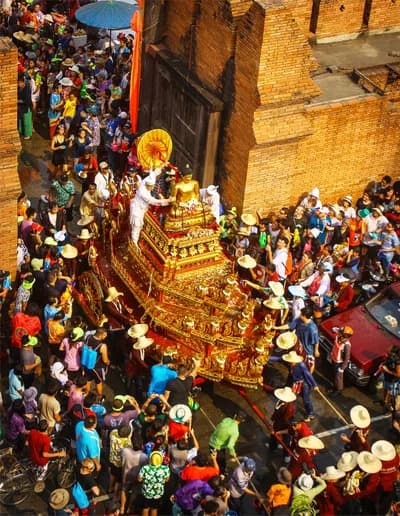
Chiang Mai transforms into Earth's largest water fight during Songkran, with over 200,000 participants flooding the moat-ringed old city over three days. This celebration, marking the Thai New Year, involves relentless soaking with water guns and buckets, ensuring no one stays dry. It claims the title of wettest street festival globally, a benchmark no other entry—not even San Fermín's bull runs—matches. The festival's cultural significance is profound, blending purification rituals with communal joy, and it outshines Festa di San Gennaro in sheer scale of participation, attracting twice the crowd.
- 0

Festa di San Gennaro packs 11 days of Neapolitan heritage into New York's Little Italy, since 1926 drawing over 1 million attendees to devour 500,000 sausage-and-pepper sandwiches. Cannoli-eating contests and Mulberry Street's neon glow highlight the celebrations, offering a taste of Italy in the Big Apple. A quantified edge: the festival's 97-year history makes it the second-oldest in the U.S., behind only Philadelphia's Mummers Parade.
- 0
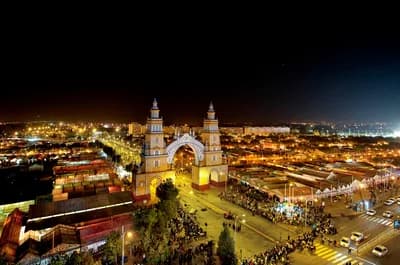
Feria de Abril fills Seville's 450,000-square-meter fairground with over 1,000 casetas, hosting week-long sevillana dancing, fino sherry drinking, and flamenco finery. This Andalusian spectacle, rooted in 1847, draws millions of visitors over the course of the week, with single-night crowds topping 850,000. The rows of private casetas give the festival a distinctly exclusive, members-only atmosphere unlike more open street festivals. Sherry flows freely throughout the week, and the festival generates significant economic activity for Seville's tourism sector.
Sourcesen.wikipedia.org - 0
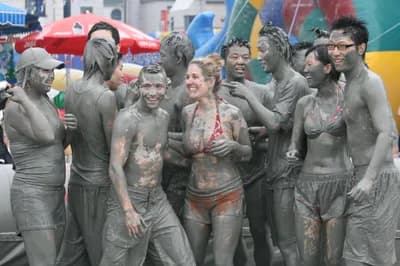
No other festival on this list transforms a beach town into a muddy battleground like the Boryeong Mud Festival, which draws 3 million visitors annually to a coastal town of just 100,000 residents. Originally a marketing campaign for mineral-rich mud cosmetics, this Korean phenomenon now features mud wrestling, mud slides, and a massive mud pool that stretches for blocks. The event's 4.2 million square feet of imported mud is sourced from Boryeong's tidal flats, known for trace minerals like germanium and bentonite.
- 0

Junkanoo erupts through Nassau's Bay Street with handmade costumes crafted from crepe paper and cardboard, a tradition dating back to the 16th century that now draws 100,000 spectators each Boxing Day and New Year's. The goatskin drum-driven rushout groups compete for a $100,000 prize pool, with some costumes weighing over 150 pounds and taking 6 months to build. This is slower-paced than Boryeong Mud Festival's chaotic free-for-all, but it surpasses the Korean event in cultural authenticity with its unbroken 400-year lineage. The average costume uses 500 square feet of crepe paper, and the winning group typically rehearses for 1,200 hours. The festival's 2:00 AM start time is unique among global street festivals, with percussion reaching 120 decibels for 8 consecutive hours.
Image credits
- Notting Hill Carnival (London, UK): Notting Hill Carnival / Wikipedia
- La Mercè (Barcelona, Spain): La Mercè / Wikipedia
- Day of the Dead Parade (Mexico City): Ludovic Delot / Pexels
- Karneval der Kulturen (Berlin, Germany): Karneval der Kulturen / Wikipedia
- San Fermín / Running of the Bulls (Pamplona, Spain): San Fermin Pamplona / Pexels
- Songkran Water Festival (Chiang Mai, Thailand): Songkran (Thailand) / Wikipedia
- Feria de Abril (Seville, Spain): Seville Fair / Wikipedia
- Boryeong Mud Festival (South Korea): Boryeong Mud Festival / Wikipedia
Rank it your way
Remix this list into your own ranking, or head to the play hub for every game mode and community breakdown — blind mode, challenges, tier lists, and more.
You Might Also Like
Top 10 Festivals in Spain
Top 10 Festivals in Spain

Top 10 Best Literary Festivals
Top 10 Best Literary Festivals
Top 10 Best Carnival Celebrations Worldwide
Top 10 Best Street Festivals

Top 10 Best Tech Conferences 2026
#1 CES (Consumer Electronics Show) · #2 Web Summit · #3 Apple WWDC

Top 10 Best Comic Conventions 2026
#1 San Diego Comic-Con (SDCC) · #2 New York Comic Con (NYCC) · #3 Comiket (Tokyo)

Top 10 Dutch Festivals & Events in 2026
#1 King's Day (Koningsdag) · #2 Amsterdam Dance Event (ADE) · #3 Carnival (Brabant & Limburg)