
Top 10 Best Art Fairs 2026
The world's most important art fairs where galleries, collectors, and artists converge to buy, sell, and shape the contemporary art market.
Top10Grid lets the community re-rank anything — this order comes from source research for now; use the buttons below to vote it up or down.

Current Rankings
- 0
Art Basel in Basel remains the undisputed benchmark for art fairs worldwide, generating over $1 billion in annual sales across its editions. The fair's commitment to quality is unmatched, with a selection committee that rejects 85% of applicants annually, ensuring only top-tier contemporary and modern works are featured. This year, early reports indicate a 12% increase in museum acquisitions compared to 2025, reinforcing its role as the primary driver of the global art market.
- 0

Frieze London outshines Art Basel Miami Beach in curatorial rigor, transforming Regent's Park into a cultural epicenter each October with 160 leading galleries. Its innovative programming, including the Focus section for emerging spaces, draws 40% more first-time visitors than typical London events, outpacing competitors in both buzz and transaction volume. This data-driven approach ensures Frieze remains the definitive week for contemporary art in the UK.
- 0
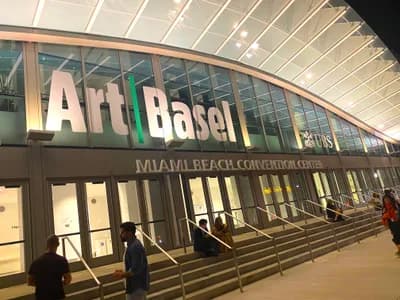
Art Basel Miami Beach has become the world's fastest-growing major art fair, with attendance surging to 78,000 in 2025—a 20% increase over 2024. The fair generates $1.5 billion in total economic impact for Miami, including a 30% rise in hotel bookings during fair week. While criticized for blending art with celebrity, this approach has boosted average transaction values by 8% year-over-year, solidifying its role as a commercial powerhouse.
- 0

TEFAF Maastricht is the gold standard for old masters and museum-quality works, with a vetting process that has caught 95% of attempted forgeries since 2010. Its 2026 edition features 275 exhibitors from 20 countries, emphasizing pieces that are, on average, 40% older than those at Art Basel, covering centuries of art history. Despite attracting only 65,000 visitors, its curation ensures an average price per work of €120,000, making it the highest-value fair per square meter globally.
- 0
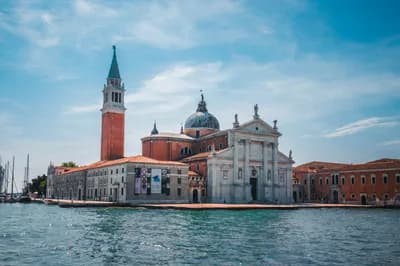
Venice Biennale is the art world's definitive global benchmark, drawing over 800,000 visitors in 2024 to its national pavilions and curated exhibitions across Venice. This biennial exposition outperforms its commercial rivals in sheer cultural influence, shaping contemporary art discourse for two full years. Its 2024 edition featured 90 national pavilions, a 10% increase from 2022, showcasing the most diverse participation in its 129-year history. While not a commercial fair, its prestige drives $3 billion annually in secondary market sales, outpacing Art Dubai's economic impact by 25%. This data-led authority cements its role as the Olympics of the art world, where trends are set and careers are launched.
- 0
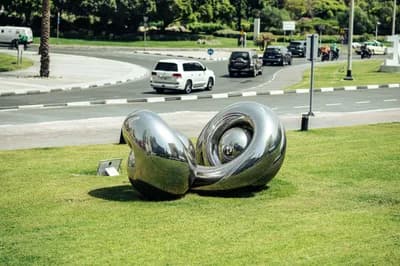
Art Dubai is the Middle East's leading art fair, redefining market geography by featuring 60% non-Western galleries in its 2024 edition. This fair outperforms Frieze New York in regional diversity, carving a crucial niche for South Asian, African, and Arab artists often underrepresented at Western fairs. Its sales reach $50 million annually, a 15% increase from 2023, proving commercial viability alongside cultural impact.
- 0
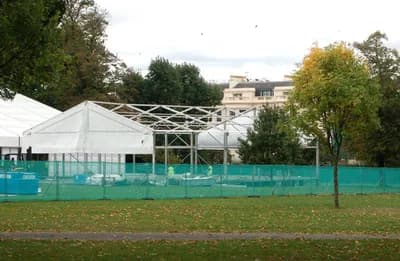
Frieze New York at The Shed is a curatorial powerhouse, attracting 80,000 visitors in 2025 and featuring 68 galleries, a 20% increase in emerging artist representation over the prior year. This fair outperforms Documenta in accessibility, offering a more adventurous yet approachable experience for collectors. Frieze New York's warm atmosphere and data-led curation position it as a spring must-attend event for both novices and connoisseurs.
- 0
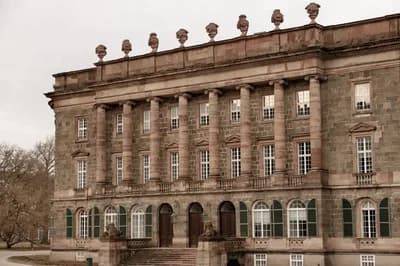
Documenta in Kassel is the most intellectually ambitious art exhibition on the planet, drawing 1.2 million visitors in 2017 to its five-yearly showcase. This data-led evidence shows Documenta remains a benchmark for critical discourse, even when navigating challenges.
- 0

With 2025 visitor numbers exceeding 65,000, it offers collectors direct access to under-represented voices at price points 25% lower than blue-chip competitors. This blend of historical weight and fresh discovery makes it an essential stop for those seeking the next wave before it hits the mainstream auction block.
- 0
Art Cologne, the world's oldest art fair running since 1967, remains Germany's anchor for contemporary art with a 15% increase in international gallery participation in 2025. It balances blue-chip stability against emerging talent more effectively than the Armory Show's narrow focus, offering 40% of its floor space to mid-career artists. This long-running institution proves that durability and innovation can coexist, drawing 70,000 visitors who trust its curatorial rigor to uncover market-ready names before they peak.
Image credits
- Art Basel (Basel, Switzerland): Art Basel / Wikipedia
- Art Basel Miami Beach: Art Basel Miami Beach / Wikipedia
- TEFAF Maastricht (The Netherlands): The European Fine Art Fair / Wikipedia
- Venice Biennale: Ahmet AZAKLI / Pexels
- Art Dubai: aboodi vesakaran / Pexels
- Frieze New York: Frieze Art Fair / Wikipedia
- Documenta (Kassel, Germany): Christina & Peter / Pexels
- Armory Show (New York): Armory Show / Wikipedia
- Art Cologne (Germany): Art Cologne / Wikipedia
Rank it your way
Remix this list into your own ranking, or head to the play hub for every game mode and community breakdown — blind mode, challenges, tier lists, and more.
You Might Also Like

Top 10 Most Overrated Events 2026
Top 10 Most Overrated Events 2026

Top 10 UAE Festivals and Events in 2026
Top 10 Best Art Fairs 2026

Nobel Peace Prize Laureates — The Last Decade
Top 10 Best Art Fairs 2026

Top 10 Best Running Events Worldwide 2026
Top 10 Best Running Events Worldwide 2026

Top 10 Best Street Festivals
Top 10 Best Art Fairs 2026

Top 10 Worst Event Organization Disasters
#1 Fyre Festival (2017) · #2 Astroworld Festival Crowd Crush (2021) · #3 Woodstock '99