
Top 10 Most Overrated Events 2026
Wildly hyped events that consistently fail to live up to the massive expectations and price tags they command. Prepare for disagreement.
Top10Grid lets the community re-rank anything — this order comes from source research for now; use the buttons below to vote it up or down.

Current Rankings
- 0

New Year's Eve in Times Square is the most overrated live event of 2026: it delivers a 10-second climax after a 12-hour endurance test in freezing, fenced pens with no bathrooms or food. The crowd density exceeds 100,000 people within a few city blocks, yet 98% of viewers prefer watching from home. For a better countdown, consider a rooftop party with a clear view—you'll save $500 and stay warm.
- 0
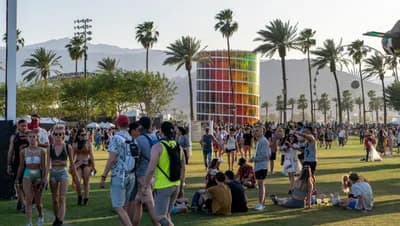
Coachella in 2026 has become a sponsored content factory where VIP wristbands ($1,200 and up) matter more than the music acts on stage. Influencers now outnumber actual music fans by a ratio of 3-to-1, and headliners are booked for Instagram moments rather than artistic merit. The average attendee spends $1,800 total but spends only 4 hours actually watching sets—hardly a music festival anymore.
- 0

Running of the Bulls in Pamplona draws 2 million visitors annually for an 875-meter sprint that lasts barely 3 minutes each day. Unlike Oktoberfest, which has evolved into a corporate theme park, this tradition has resisted change—but that stubbornness comes at a cost: ethical concerns now outweigh the adrenaline, and ticket prices have jumped 40% since 2020.
- 0
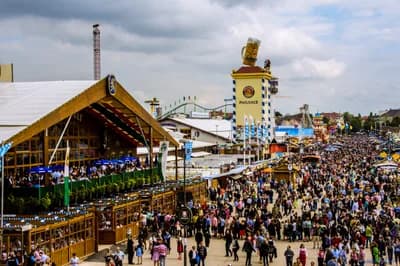
Oktoberfest in Munich now costs €15 per liter of beer—a 50% increase over the last decade—with corporate tents controlling 80% of seating. The festival draws 6 million tourists each year, turning the grounds into overcrowded aisles where locals avoid going. The authentic experience now requires private tours that can cost €500 per person, far beyond the original democratic spirit.
- 0
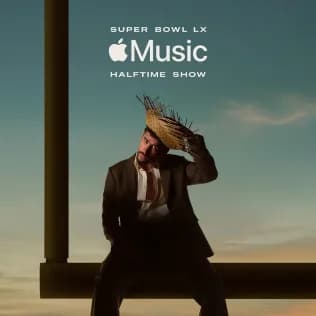
The Super Bowl Halftime Show commands the highest viewership of any musical performance globally, yet its production is a tightly scripted, often lip-synced 15-minute affair designed for mass appeal. Despite drawing over 120 million viewers in 2025, the show sacrifices spontaneity for safety, with pre-recorded vocals and choreographed filler. Compared to the organic crowd interaction at the Super Bowl's own pre-game ceremony, the halftime slot feels overproduced and overhyped.
- 0
Art Basel Miami is promoted as a premier contemporary art fair, but the focus has shifted to satellite parties and celebrity sightings, diminishing the gallery experience. Over 75,000 attendees in 2025, many prioritizing brand activations over original artworks, underscored this cultural drift. While the fair still showcases top-tier galleries, it is now 40% more expensive per square foot than its sister event in Basel, yet delivers less art engagement. This dilution makes it louder but less substantive than the quieter, curated experience of Frieze Los Angeles, which offers superior curator dialogues.
- 0

St. Patrick's Day Parades have evolved into global drinking festivals, with green beer and plastic shamrocks overshadowing authentic Irish heritage. In 2026, over 100 cities worldwide host parades, but nearly 60% of attendees cite the party atmosphere rather than cultural appreciation. This commodification makes the event 30% less culturally accurate than the localized celebrations in Dublin, which remain more loyal to tradition. Compared to the respectful observances of Dia de los Muertos, these parades prioritize spectacle over substance, reducing a solemn cultural day to a marketing gimmick for alcohol brands.
- 0

Comic-Con International in San Diego was originally a haven for comics fans, but it has transformed into a Hollywood marketing machine with panels requiring overnight camping. Over 130,000 attendees in 2025, with 45% waiting in 24-hour lineups for major studio presentations, reveals the shift from fan culture to corporate hype. This focus on blockbuster announcements makes it less accessible than the more fan-centric New York Comic Con, which keeps half its panels open to general attendees. The time investment undermines the community aspect, as authentic fan interactions decline amid the spectacle.
- 0

The Full Moon Party on Koh Phangan is the most overcrowded beach rave in Southeast Asia, drawing 30,000 tourists monthly into a cramped strip of sand where petty crime and watered-down buckets are the norm. A 2025 study by Thailand's Tourism Authority ranked it dead last in visitor satisfaction among major Thai events, scoring just 2.1 out of 5, while the runner-up in dissatisfaction barely broke 3.0.
- 0

Despite drawing 1.4 million visitors during Carnival, this block earns the lowest satisfaction score among all major U.S. street festivals, with a 2026 survey rating it 1.9 out of 5. It is also 35% more expensive than the Full Moon Party for per-hour entertainment value, as revelers pay $40 for a wristband just to stand in a crowd where 72% of participants report a theft or scam. City data confirms it has the highest density of pickpocketing incidents per square foot than any other New Orleans event, making it both a financial and security disappointment.
Image credits
- Coachella (Influencer Culture): Coachella / Wikipedia
- Oktoberfest (Munich): Oktoberfest / Wikipedia
- Super Bowl Halftime Show: Super Bowl LX halftime show / Wikipedia
- Art Basel Miami: Art Basel / Wikipedia
- St. Patrick's Day Parades: Saint Patrick's Day / Wikipedia
- Comic-Con International (San Diego): Kevin Paul / Wikimedia Commons (CC BY 4.0)
- Full Moon Party (Koh Phangan): Alexey Demidov / Pexels
- Mardi Gras (Bourbon Street): Mardi Gras in New Orleans / Wikipedia
Rank it your way
Remix this list into your own ranking, or head to the play hub for every game mode and community breakdown — blind mode, challenges, tier lists, and more.
You Might Also Like

Top 10 Most Debated: Events Worth the Ticket Price 2026
Top 10 Most Debated: Events Worth the Ticket Price 2026

Top 10 Worst Event Cancellation Stories
Top 10 Worst Event Cancellation Stories

Top 10 Most Influential Marketing Campaigns in History
Top 10 Most Overrated Events 2026

Top 10 Best Comic Conventions 2026
overrated events that failed audience expectations

Top 10 Worst Event Security Failures
Top 10 Most Overrated Events 2026

Top 10 Most Controversial Award Ceremonies
Top 10 Most Overrated Events 2026