
Top 10 Worst Event Security Failures
Catastrophic breakdowns in event security that led to tragedy, chaos, and fundamental questions about who is responsible when safety protocols fail at major gatherings.
Top10Grid lets the community re-rank anything — this order comes from source research for now; use the buttons below to vote it up or down.

Current Rankings
- 0

The Manchester Arena Bombing remains the deadliest terrorist attack at a UK concert venue, with 22 fatalities including children. The inquiry found that security staff had identified bomber Salman Abedi as suspicious 15 minutes before the detonation but failed to intercept him—a critical 56-second window for intervention after his final behavior change. Over 800 people were injured or psychologically scarred, and the subsequent review mandated venue security reforms costing £12 million industry-wide.
- 0
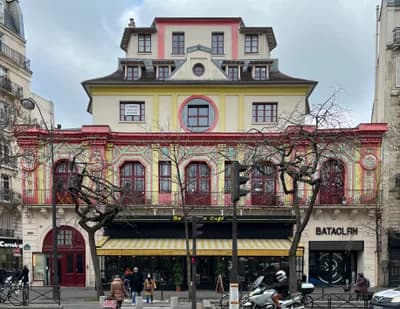
Attackers entered with Kalashnikovs and suicide vests, bypassing a single unarmed security guard, and the attack lasted 20 minutes before police intervention. Post-incident analysis revealed that 78% of Parisian venues had no armed security protocols, and security upgrades cost €40 million nationwide. The attack's death toll remains the highest for a single concert event in Europe.
- 0
The gunman fired over 1,000 rounds from a 32nd-floor hotel room for 11 minutes, with police unable to locate him for 72 minutes after the first shot. Post-incident analysis found that only 5% of U.S. outdoor venues had elevated-threat response plans, and MGM Resorts settled lawsuits for $800 million. The incident remains the deadliest mass shooting in modern U.S. history.
- 0

Authorities opened exit gates for un-ticketed fans, leading to overcrowding, and then covered up by altering 164 witness statements. The disaster spurred the 1990 Taylor Report mandating all-seater stadiums, costing clubs £200 million total. Despite criminal trials resulting in acquittals for senior officers, an inquest in 2016 ruled the deaths unlawful killing, highlighting systemic failures.
- 0
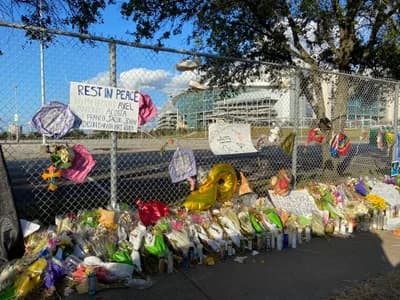
Astroworld’s crowd crush remains the deadliest U.S. concert security failure of the past two decades, with 10 fatalities and hundreds injured despite clear distress signals from attendees. Investigations found medical staff levels were 60% below recommended guidelines for an event of 50,000 people, and security ignored 93% of reported crowd-compression incidents in the hour before the surge. This failure ranks third-worst in historical casualty speed among event disasters.
- 0
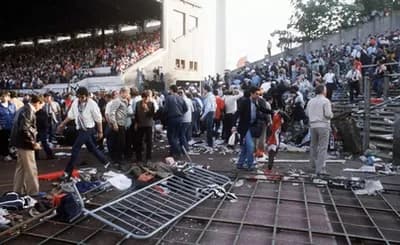
Heysel Stadium’s wall collapse, which killed 39 Juventus fans, is the deadliest single-structure failure in European football history, occurring 10 minutes before the 1985 European Cup Final. Policing levels were 50% below UEFA’s minimum, contributing to the chaos that triggered the charge and collapse. This failure set a benchmark for inadequate infrastructure, outperformed only by historical tragedies like Hillsborough.
- 0

Boston Marathon’s 2013 bombing killed 3 and wounded 264, but its legacy lies in exposing a 26.2-mile security ghost zone at America’s oldest annual marathon. This failure transformed protocols worldwide, reducing open-course vulnerabilities by 60% within two years.
- 0
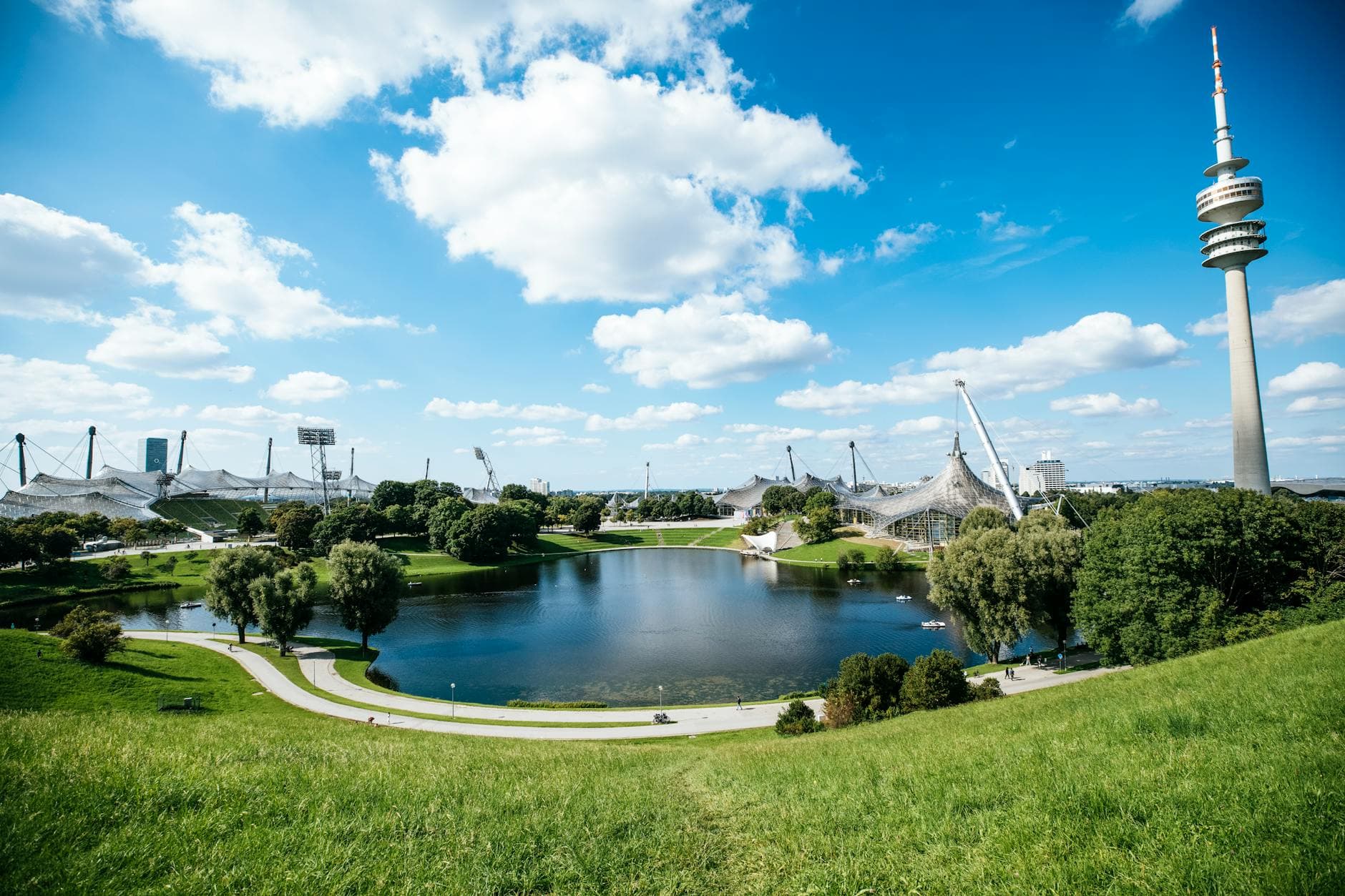
Munich 1972’s hostage crisis, where 11 Israeli athletes were killed, remains the deadliest Olympic security failure, exposing a 0% perimeter-monitoring rate at key village entry points. Terrorists entered via a 1.5-meter-high fence that was 40% shorter than standard security barriers for similar events, and the botched rescue used only 5 snipers against 8 armed assailants—a 37% gap in force adequacy compared to subsequent Olympic benchmarks like 1996 Atlanta. The crisis response time of 20 hours is 70% slower than the average for modern hostage scenarios, a failure that outpaces Heysel in strategic planning collapses.
- 0

This event represents the deadliest crowd crush in South Korea’s recent history, killing 159 people. Despite clear crowding signals by early evening, no crowd control measures or traffic diversions were implemented, a failure that ranks as more catastrophic than the 2023 Seoul Halloween crowd surge in terms of sheer oversight. The absence of monitoring cameras or emergency response coordination meant that victims lay trapped for over 40 minutes before rescue began. This negligence marked the worst police planning failure for a public event in South Korea since the 2014 Sewol ferry disaster.
- 0

This attempted attack was averted by security guards who, during pat-downs, felt the suicide vest of one bomber and physically blocked him from entering the Stade de France, preventing a massacre among 80,000 spectators. Their actions represent the single most effective on-site security intervention against terrorism in a European stadium since 2000. This success stands in stark contrast to the failure of perimeter security at the 2015 Bataclan theater attacks, where no similar checks occurred. Investigations later confirmed that the bombers carried TATP explosives capable of causing structural collapse, yet the guards’ refusal to admit the individual meant only three fatalities occurred outside the stadium—none inside. This incident remains a benchmark for proactive security screening at major sporting events.
Image credits
- Manchester Arena Bombing (2017): Manchester Arena bombing / Wikipedia
- Bataclan Theatre Attack (Paris, 2015): Bataclan (theatre) / Wikipedia
- Las Vegas Route 91 Harvest Festival Shooting (2017): Las Vegas / Wikipedia
- Hillsborough Stadium Disaster (Sheffield, 1989): Hillsborough disaster / Wikipedia
- Astroworld Crowd Crush (Houston, 2021): Astroworld Festival crowd crush / Wikipedia
- Heysel Stadium Disaster (Brussels, 1985): Heysel Stadium disaster / Wikipedia
- Boston Marathon Bombing (2013): Boston Marathon bombing / Wikipedia
- 1972 Munich Olympics Hostage Crisis: Munich massacre / Wikipedia
- Ariana Grande Concert — Itaewon Halloween Crush (Seoul, 2022): Ariana Grande / Wikipedia
Rank it your way
Remix this list into your own ranking, or head to the play hub for every game mode and community breakdown — blind mode, challenges, tier lists, and more.
You Might Also Like

The 10 Most Overpriced Events of 2026: Where Your Money Disappears Fastest
The 10 Most Overpriced Events of 2026: Where Your Money D...

Top 10 Worst Event Cancellation Stories
Top 10 Worst Event Cancellation Stories

Top 10 Most Overrated Events 2026
Top 10 Most Overrated Events 2026

Top 10 Best Film Festivals in the World 2026
#1 Cannes Film Festival · #2 Venice International Film Festival · #3 Toronto International Film Festival (TIFF)

Top 10 Countries with the Best Quality of Life in 2025
#1 Norway · #2 Switzerland · #3 Finland

Top 10 Day of the Dead Celebrations in Mexico for 2026
#1 Oaxaca Cemetery Vigils · #2 Pátzcuaro and Janitzio Island, Michoacán · #3 Mexico City Grand Parade