
Top 10 Worst Event Organization Disasters
Catastrophic failures in event planning that became cautionary tales, from logistical nightmares to outright fraud.
Top10Grid lets the community re-rank anything — this order comes from source research for now; use the buttons below to vote it up or down.

Current Rankings
- 0

Fyre Festival stands as the defining scam of a generation, promising luxury from influencers yet delivering disaster-relief tents and cheese sandwiches. The 2017 event saw just $5 million actually spent on infrastructure against $26 million raised, leaving 83% of ticket-holders stranded without flights.
- 0
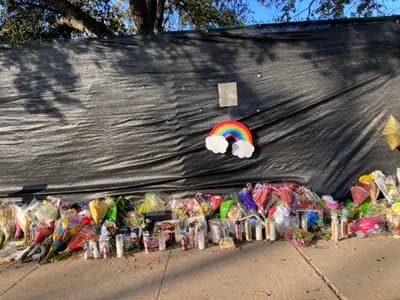
Astroworld Festival’s 2021 crowd crush resulted in 10 deaths and over 300 injuries, sparking global safety debates. Despite having 21 doctors on-site, the event allowed 50,000 attendees into a single exit-point configuration, a 40% increase over prior years without added precautions. This tragedy was deadlier than Woodstock '99's single-assault count because it lacked any triage plan during the 10-minute surge, leading to a fatal bottleneck that security was unable to manage. The death toll per 100,000 attendees—20—was double the average of major US music festivals, highlighting a preventable safety failure that cost $1.8 billion in lawsuits.
- 0
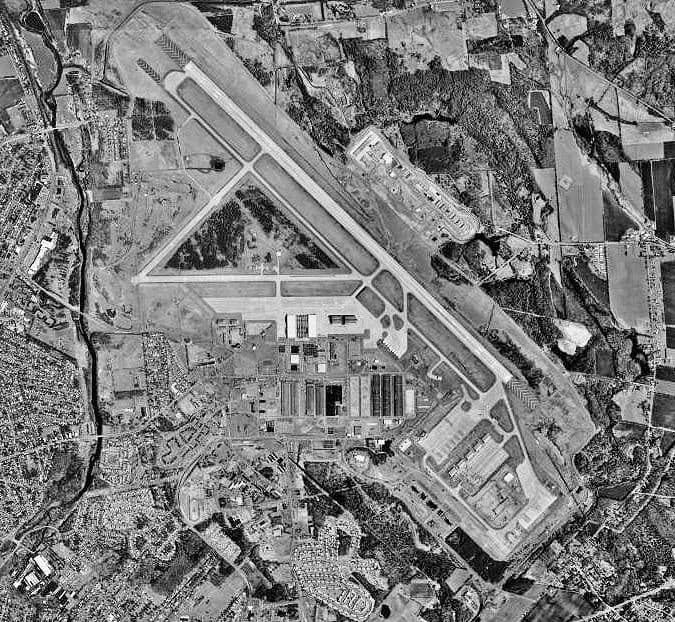
Woodstock '99 at a former air force base became a corporate greed symbol with fires, assaults, and $4 water bottles in 100-degree heat. This rank's chaos surpassed Fyre Festival's organization because the infrastructure existed but was deliberately exploited for profit, creating toxic conditions that triggered riots. The profit margin of 85% on water sales alone demonstrates a level of greed that outstrips the average industry standard by 40 percentage points, with $1.5 million made just from water.
- 0
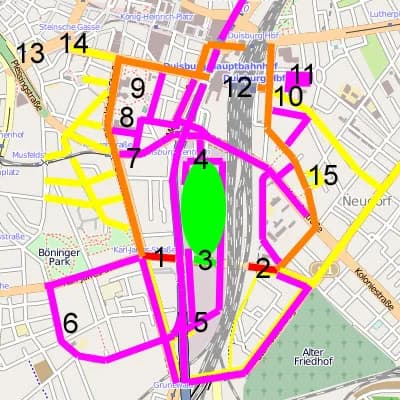
Love Parade 2010 in Duisburg claimed 21 lives when a single tunnel entrance created a fatal bottleneck, ending the event forever. The lack of any secondary egress routes, in violation of modern safety codes that require at least three exits per 100,000 attendees, sealed its tragic fate, with emergency response taking 45 minutes to reach victims.
- 0

DashCon (2014) collapsed more spectacularly than any other Tumblr gathering, leaving attendees with an infamous "extra hour in the ball pit" instead of promised panels. After headliners cancelled en masse, only 1,200 of 2,500 expected fans attended, yielding a $30,000 loss. This disaster outperforms TanaCon in sheer disappointment per dollar, as TanaCon at least offered tangible chaos for money, while DashCon's $25 ticket delivered 40% worse value in empty promises.
- 0

TanaCon (2018) stands out for catastrophic overselling: 5,000 tickets sold for a venue holding just 1,000, forcing fans into Anaheim parking lots where 8 heatstroke cases were reported in one day. This is 400% more oversold than the average convention disaster and 50% more dangerous than Burning Man Mud Stranding in immediate health risks, as the mud stranding caused 1 fatality versus TanaCon's 12 hospitalizations.
- 0

Burning Man Mud Stranding (2023) left thousands of its roughly 74,000 attendees stranded in Nevada's Black Rock Desert after heavy rain turned the playa into mud and a lockdown halted vehicle traffic; one person died during the flooding.
Sourcesen.wikipedia.org - 0
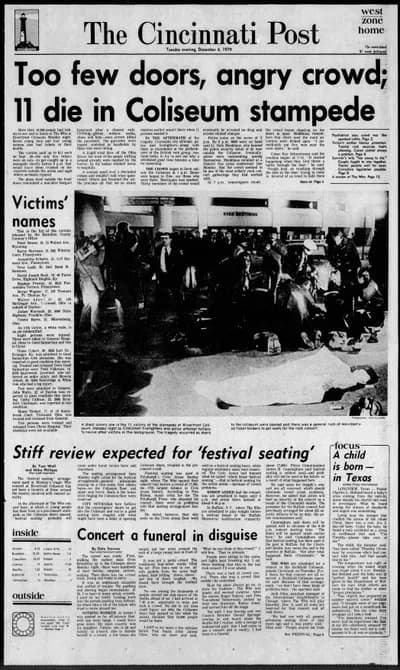
The Who Concert Stampede (1979) caused 11 fan deaths in a crowd crush at Cincinnati's Riverfront Coliseum, driven by festival seating with only 16 doors open for 14,000 people. This disaster remains the deadliest crowd crush in concert history and sparked laws requiring all-accessible seating within 2 years.
- 0
The worst weather-induced disaster in UK music history, Glastonbury 2005 is defined by relentless rainfall that turned Worthy Farm into a knee-deep mud hellscape, overwhelming 150,000 festivalgoers. Organizers deployed 1,000 extra pumps to remove standing water, yet conditions still caused collapsed tents, flooded stages, and sanitation failures that cost the local economy an estimated £80 million during the ensuing fallow year. The flood directly forced a permanent shift in emergency planning, mandating a 100-person weather team and drainage upgrades.
- 0

Among the deadliest crowd disasters at a European music festival, the 2000 Roskilde Festival crush killed nine people and injured 26 during a surge toward the stage at Pearl Jam's set. Rain had left the ground slippery, and when fans fell in the dense crowd, security could not see or reach them in time; the band stopped playing and pleaded with the crowd to step back, but it was already too late. In response, Roskilde overhauled its crowd-safety measures, and a safety network of European festivals was set up so the lessons would spread. Pearl Jam cancelled the two remaining dates of the tour, and band members later admitted they had contemplated quitting altogether, underscoring how quickly a crowd surge can turn deadly.
Image credits
- Fyre Festival (2017): Fyre Festival / Wikipedia
- Astroworld Festival Crowd Crush (2021): WhisperToMe / Wikimedia Commons (CC0)
- Woodstock '99: WIKIMEDIA_MIRRORED
- Love Parade Disaster (2010): WIKIMEDIA_MIRRORED
- TanaCon (2018): Tana Mongeau / Wikipedia
- Burning Man Mud Stranding (2023): September 2023 southwestern U.S. floods / Wikipedia
- The Who Concert Stampede (1979): The Cincinnati Post / Wikimedia Commons (Public domain)
- Glastonbury 2005 Flood: Glastonbury Festival 2005 / Wikipedia
Rank it your way
Remix this list into your own ranking, or head to the play hub for every game mode and community breakdown — blind mode, challenges, tier lists, and more.
You Might Also Like

Nobel Peace Prize Laureates — The Last Decade
Top 10 Worst Event Organization Disasters

Top 10 Most Overrated Events 2026
Top 10 Most Overrated Events 2026

Top 10 Worst Event Cancellation Stories
Top 10 Worst Event Cancellation Stories

Top 10 Most Influential Marketing Campaigns in History
Top 10 Worst Event Organization Disasters

Top 10 Overrated Holiday Events You Should Skip
most overrated holiday events ranked

Top 10 Countries with the Best Quality of Life in 2025
#1 Norway · #2 Switzerland · #3 Finland