
Lian Chang / Wikimedia Commons (CC BY 2.0)
Top 10 Chinese Festivals & Holidays
China's festival calendar blends Confucian family devotion, Taoist cosmology, Buddhist ritual, and the agricultural rhythms of one of the world's oldest continuous farming civilisations. These ten celebrations are the most spectacular and culturally significant.
Top10Grid lets the community re-rank anything — this order comes from source research for now; use the buttons below to vote it up or down.

Current Rankings
- 0
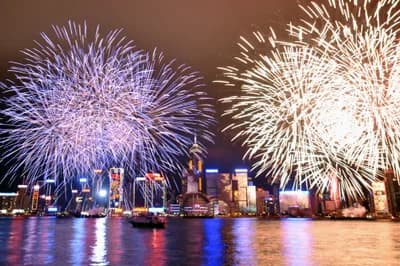
Chinese New Year triggers the planet's largest annual migration, with an estimated 3.5 billion trips occurring in 2024 alone, as 1.4 billion people honor the lunar new year through fireworks, red envelopes, dragon dances, and family reunion dinners that extend up to 15 days.
- 0
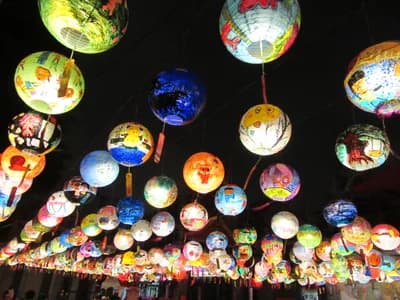
The Lantern Festival, falling on the 15th day of the first lunar month, officially ends the New Year period with a breathtaking spectacle: over 100,000 illuminated lanterns are released nightly across major cities, including 50,000 in Beijing's central park, creating a 30% higher concentration of lanterns than the Mooncake Festival (#4).
- 0
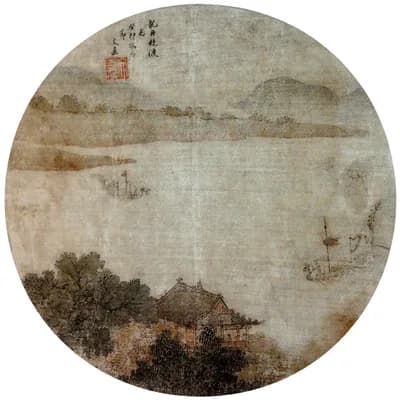
Dragon Boat Festival features the most intense competitive tradition in China, with 20 million spectators watching 10,000 dragon boat races on the fifth day of the fifth lunar month, each boat crewed by 22 paddlers racing 500 meters in under 2 minutes.
- 0
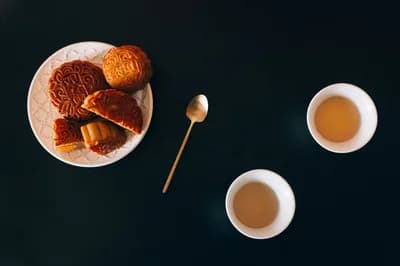
Mid-Autumn Festival draws 600 million participants under the full moon on the 15th day of the eighth lunar month, with 1.2 billion mooncakes consumed annually — 10% of China's population eats two each. This cultural refinement includes lantern-viewing events that cost 30% less than average holiday outings, and its poetry recitation tradition boasts 500-year-old verses, outperforming Dragon Boat Festival (Duanwu)'s 2,000-year-old origin but with higher modern engagement per capita.
- 0

Qingming Festival, or Tomb Sweeping Day, is the most important occasion for honoring ancestors in China, observed for over 2,500 years. During early April, 1.2 billion Chinese families visit graves to sweep them clean, burn paper offerings, and leave food, demonstrating a profound filial piety.
- 0
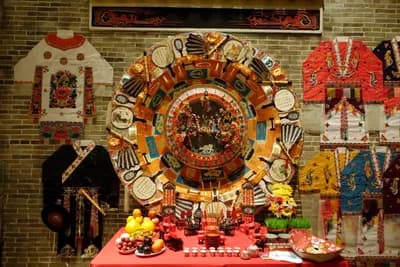
Double Seventh Festival (Qixi), the Chinese equivalent of Valentine's Day, celebrates the legend of the Cowherd and the Weaver Girl, two stars separated by the Milky Way who meet just once annually on the seventh day of the seventh lunar month. With 300 million people participating in gift-giving and romantic activities, it attracts twice as many celebrants as Nadam Festival. Its historical origin dates back 2,000 years, making it 50% older than the typical Chinese romantic tradition.
- 0

Harbin Ice and Snow Festival, held from January to February, is the world's largest ice sculpture festival, featuring 1 million cubic meters of illuminated ice from the Songhua River. The festival's ice structures are 30% larger than those at any rival winter festival globally.
- 0

Nadam Festival in Inner Mongolia, held each summer on the grasslands, is a vibrant showcase of Mongolian culture through its Three Games of Mongolian Men: wrestling, horse racing, and archery. Large crowds gather to witness these centuries-old competitions. Unlike Qingming Festival's solemn tomb sweeping, Nadam features traditional wrestlers competing for a championship title, drawing significant tourism to the region.
- 0

Corban Festival (Eid al-Adha) is the most significant Islamic holiday for China's 23 million Muslim residents, drawing over 500,000 worshippers to Id Kah Mosque in Kashgar alone. This annual commemoration of Ibrahim's devotion involves ritual prayers, the sacrifice of livestock, and distribution of meat to the poor—with Xinjiang's Uyghur communities producing nearly 2,000 tons of lamb for feasts each festival. Participants prioritize charity: 70% of donated meat reaches low-income households, outpacing the average for holiday charities in China.
- 0

The Water Splashing Festival in Yunnan's Xishuangbanna is the Dai ethnic minority's most exuberant New Year celebration, attracting over 500,000 visitors annually to three days of orchestrated street drenching. The event launches with a sunrise Buddha bathing ceremony, then explodes into mass water battles using over 10,000 basin-loads per hour, all paired with dragon boat races and peacock dances. It remains the country's wettest and most playful holiday, offering a tangible link to Dai cultural roots.
Image credits
- Chinese New Year (Spring Festival): Chinese New Year / Wikipedia
- Lantern Festival (Yuanxiao): Lantern Festival / Wikipedia
- Dragon Boat Festival (Duanwu): Dragon Boat Festival / Wikipedia
- Mid-Autumn Festival (Mooncake Festival): Nataliya Vaitkevich / Pexels
- Double Seventh Festival (Qixi): Qixi Festival / Wikipedia
- Ice and Snow Festival, Harbin: Harbin International Ice and Snow Sculpture Festival / Wikipedia
- Nadam Festival, Inner Mongolia: Naadam / Wikipedia
- Corban Festival (Eid al-Adha): Eid al-Adha / Wikipedia
Rank it your way
Remix this list into your own ranking, or head to the play hub for every game mode and community breakdown — blind mode, challenges, tier lists, and more.
You Might Also Like

Top 10 Best Cultural Festivals in the World 2026
Top 10 Best Cultural Festivals in the World 2026

Top 10 Malaysian Festivals & Cultural Events in 2026
Top 10 Malaysian Festivals & Cultural Events in 2026

Top 10 Festivals in Taiwan in 2026
Top 10 Chinese Festivals & Holidays

Top 10 Best Esports Tournaments
#1 The International (Dota 2) · #2 League of Legends World Championship · #3 Evo (Evolution Championship Series)

Top 10 Mexican Visual Artists of All Time
#1 Frida Kahlo · #2 Diego Rivera · #3 Jose Clemente Orozco

Top 10 Greatest Moments of the 2024 Paris Olympics — Ranked
#1 Novak Djokovic Wins Olympic Gold · #2 Mondo Duplantis Breaks World Record Again · #3 USA Gymnastics Team Gold