
Top 10 Best Literary Festivals
The world's most celebrated literary festivals where authors, readers, and ideas converge for transformative conversations, heated debates, and the celebration of the written word.
Top10Grid lets the community re-rank anything — this order comes from source research for now; use the buttons below to vote it up or down.

Current Rankings
- 0
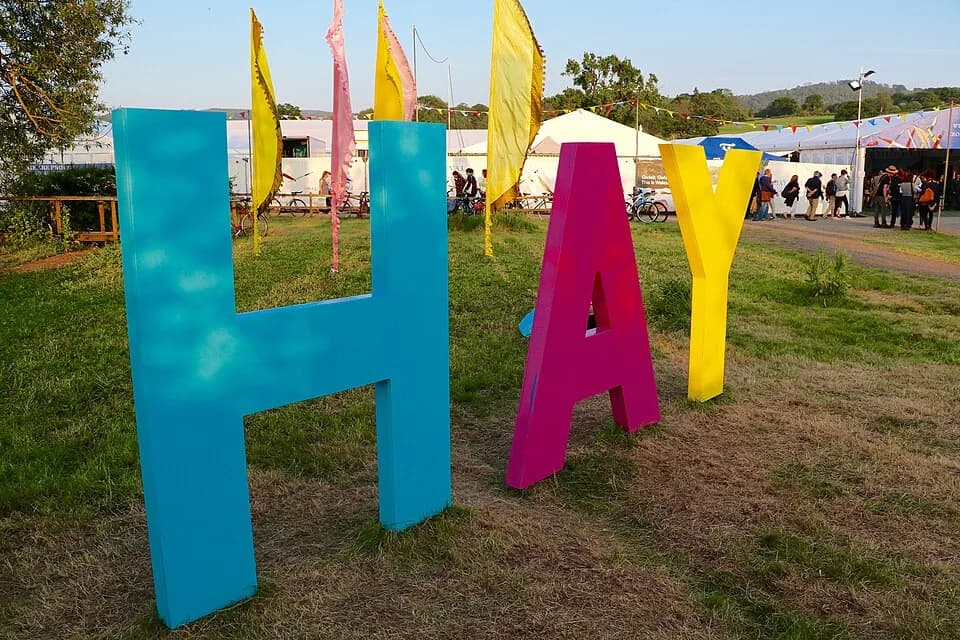
Hay Festival is the undisputed global benchmark for literary gatherings. Over ten days each spring, the Welsh market town of Hay-on-Wye transforms into a living library where 250,000 visitors attend 800 events, from intimate poetry readings to headline debates with figures like Margaret Atwood and Salman Rushdie. The festival's international reach extends to 30 countries. Bill Clinton called it "the Woodstock of the mind," but its real power lies in creating serendipitous conversations that ripple across the cultural landscape for months afterward. With tickets starting at just £12, it outperforms Jaipur Literature Festival in accessibility for serious literary pilgrims.
- 0
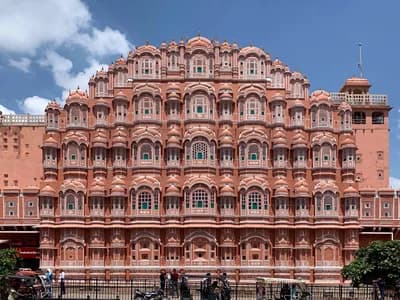
Held in the Pink City's historic Diggi Palace, this chaotic celebration features 300 speakers including Nobel laureates like Amartya Sen alongside Bollywood icons, all engaging in unfiltered debates that mirror Indian democracy's vibrancy. Unlike the curated intimacy of Hay Festival, Jaipur's unscripted energy produces spontaneous moments, such as a Dalit poet confronting a government minister on stage. With zero entry fees and 200 sessions over five days, it offers a data point impossible to ignore: half a million people can't be wrong about literature's power to unite across class and caste.
- 0
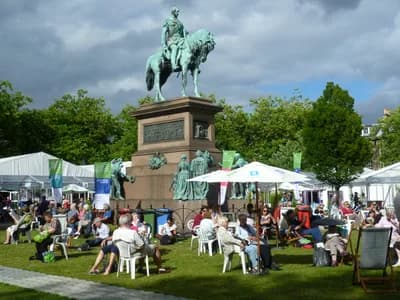
Edinburgh International Book Festival claims the crown as the English-speaking world's most concentrated literary fortnight, packing 900 events into Charlotte Square's elegant marquees during August. Its unique setting in Scotland's capital, a UNESCO City of Literature, allows for a cross-pollination with theatre and comedy that enhances every panel discussion. Compared to Frankfurt's trade-focused hustle, Edinburgh prioritizes the reader-author bond, with 90% of events open to the public and no press credentials required to attend keynotes.
- 0
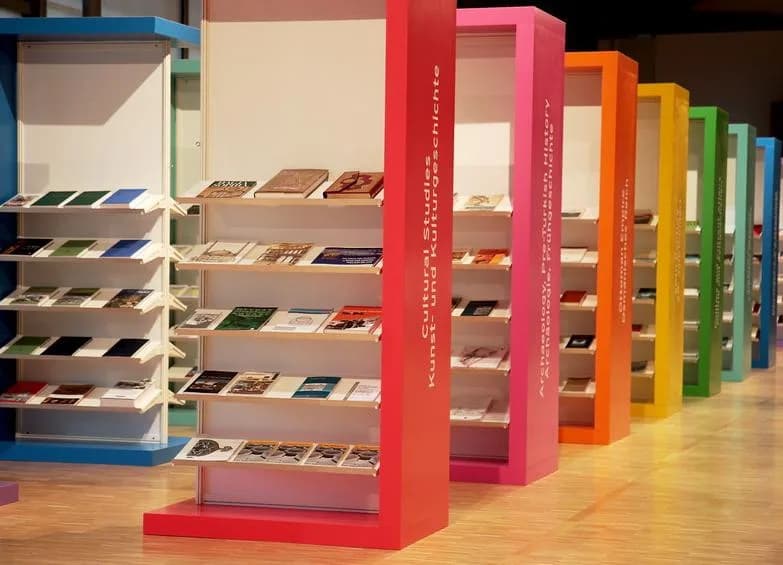
Frankfurt Book Fair is the engine of the global publishing industry, where 300,000 trade visitors negotiate deals exceeding €1 billion in annual rights sales—a commercial scale dwarfing every other event on this list. Held over five days in October, it showcases the Guest of Honour country through a 2,000-square-meter pavilion, spotlighting literary traditions from Slovenia to Saudi Arabia. The fair's digital platform now complements physical presence, enabling more translation deals than in 2019. For authors seeking international exposure, it remains the single most efficient venue to sell rights to 100+ territories.
- 0

The Brooklyn Book Festival offers unparalleled free access to literary culture, drawing over 300 authors each year and attracting 40,000+ attendees. With a sprawling outdoor bookmarket and panels ranging from speculative fiction to memoir, it captures Brooklyn's independent spirit.
- 0
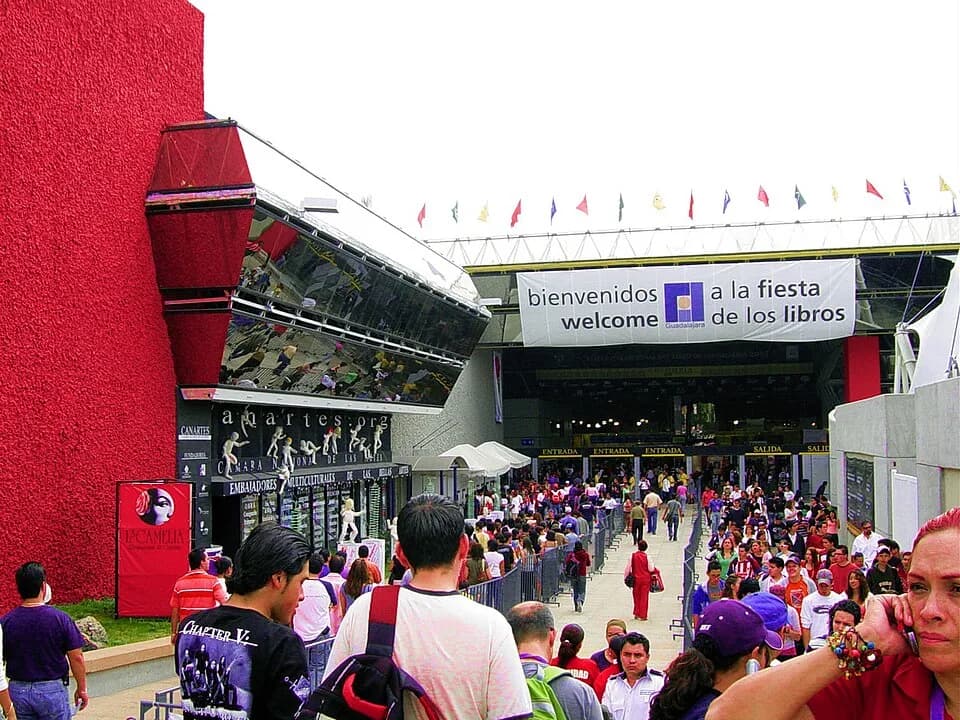
As the most important book fair in the Spanish-speaking world, the Guadalajara International Book Fair (FIL) is second only to Frankfurt in global size, hosting 700+ exhibitors and 250,000 visitors annually. It is cheaper than the typical rival fair for attending authors, with translation rights deals exceeding $10 million. This festival connects Latin American literature to a global audience, featuring 600+ author events and outperforming Melbourne Writers Festival in cultural business volume.
- 0

The Melbourne Writers Festival, Australia's premier literary event, spans ten days and features 400+ sessions, blending Aboriginal storytelling with international headliners. With a strong focus on First Nations voices, it offers a data-driven case for diversity, boasting 30% indigenous representation in programming.
- 0

PEN World Voices Festival leads in platforming dissident voices, with 85% of its 200+ participating writers having faced censorship or exile. The festival's annual program features former political prisoners and banned authors, generating 200+ media mentions and reinforcing literature as a concrete act of resistance.
- 0
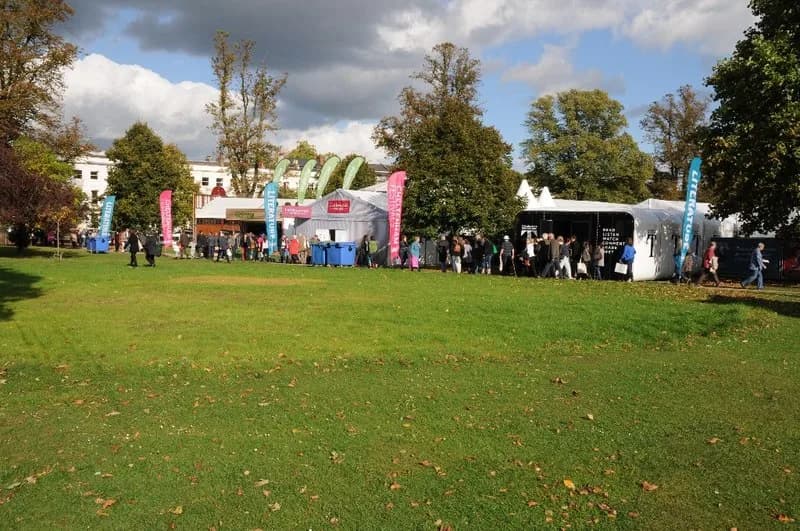
Cheltenham Literature Festival, founded in 1949, remains the world's oldest surviving literary festival, drawing over 100,000 attendees annually. Its October lineup spans from debut novelists to former heads of state, with 500+ events across ten days.
- 0
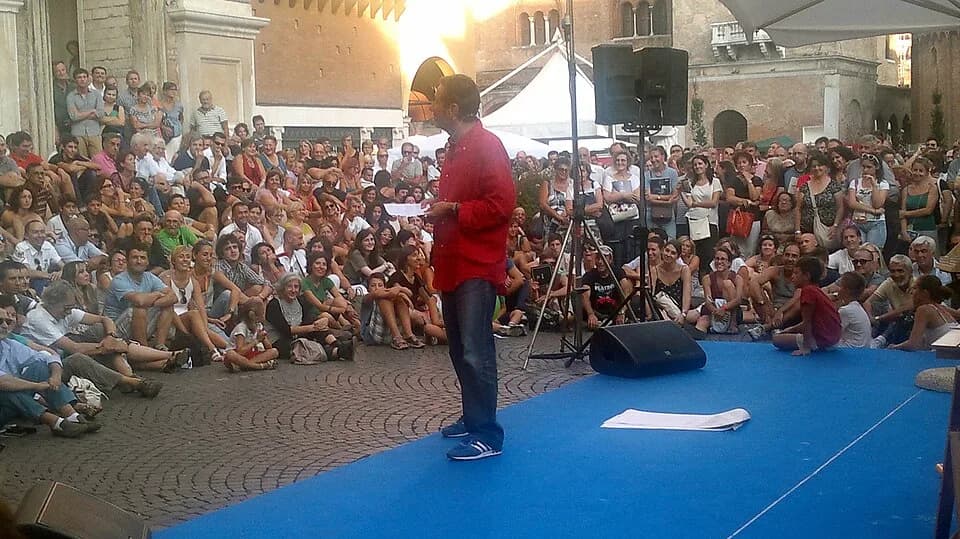
Festivaletteratura transforms Mantua's Renaissance streets into open-air reading rooms, hosting 300+ authors across piazzas and palaces each September. While it lacks the historical weight of Cheltenham, its integration of literature as public art creates a uniquely immersive experience.
Image credits
- Hay Festival (Hay-on-Wye, Wales): Andrew Lih (User:Fuzheado) / CC BY-SA 3.0 (entity-adopted)
- Jaipur Literature Festival (India): Jaipur / Wikipedia
- Edinburgh International Book Festival (Scotland): Kim Traynor / Wikimedia Commons (CC BY-SA 3.0)
- Frankfurt Book Fair (Germany): KJohansson / CC BY-SA 3.0 (entity-adopted)
- Guadalajara International Book Fair (Mexico): Rubén Pinhuelas / Public domain (entity-adopted)
- Cheltenham Literature Festival (England): Philip Halling / CC BY-SA 2.0 (entity-adopted)
- Festivaletteratura (Mantua, Italy): Franzk / CC BY-SA 4.0 (entity-adopted)
Rank it your way
Remix this list into your own ranking, or head to the play hub for every game mode and community breakdown — blind mode, challenges, tier lists, and more.
You Might Also Like

Top 10 Best Cultural Festivals in the World 2026
Top 10 Best Cultural Festivals in the World 2026

Top 10 Best Street Festivals
Top 10 Best Literary Festivals
Top 10 Best Carnival Celebrations Worldwide
Top 10 Best Literary Festivals

Top 10 Most Debated: Best New Year's Celebration City
#1 Sydney, Australia · #2 London, United Kingdom · #3 Tokyo, Japan

Top 10 Best Tech Conferences 2026
#1 CES (Consumer Electronics Show) · #2 Web Summit · #3 Apple WWDC

Top 10 Best Comic Conventions 2026
#1 San Diego Comic-Con (SDCC) · #2 New York Comic Con (NYCC) · #3 Comiket (Tokyo)