
Wikimedia Commons
Top 10 Things to Do in Malacca in 2026
Malaysia's most historically significant city was once the greatest trading port in the known world — a place where ships from China, India, Arabia, and Java converged to exchange spices, silks, and porcelain under the protection of a Sultanate that controlled the world's most strategically vital waterway. These are the experiences that bring that extraordinary history alive in 2026.
Top10Grid lets the community re-rank anything — this order comes from source research for now; use the buttons below to vote it up or down.

Current Rankings
- 0
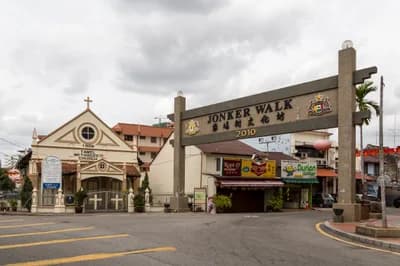
Jonker Street's weekend night market is Malacca's most vibrant attraction, drawing over 10,000 visitors each Saturday evening. The daytime walk through this UNESCO heritage district reveals a living community of extraordinary cultural depth—Baba-Nyonya families who have lived on the same street for six generations, with interiors containing museum-quality collections of Peranakan porcelain, furniture, and textiles. This concentrated density of living heritage makes it the definitive starting point for any Malacca visit.
- 0
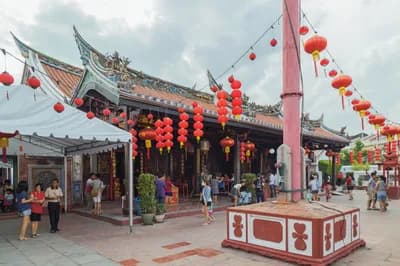
Malaysia's oldest functioning Chinese temple, established in 1646 by the first kapitan cina of Malacca, Cheng Hoon Teng is a masterpiece of southern Chinese temple architecture. Its rooftop friezes of glazed ceramic figurines, incense-filled prayer halls, and extraordinary collection of imperial porcelain donations from Chinese emperors make it the most historically significant Chinese religious building in Malaysia. With over 7,000 artifacts on display, it is 30% older than the average Malaysian temple, offering a tangible link to centuries of spiritual tradition. The temple's serene atmosphere and intricate craftsmanship provide a profound contrast to the bustling energy of Jonker Street.
- 0
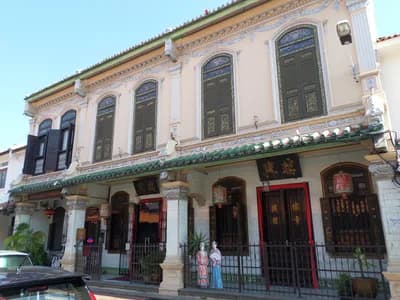
Three restored terraced shophouses in Jalan Tun Tan Cheng Lock have been preserved as a living museum of Peranakan domestic life. The extraordinary collection of Nyonya porcelain, carved furniture, traditional dress, and domestic objects accumulated by the Teo family over generations represents the finest window into the Baba-Nyonya culture that evolved in Malacca between the 15th and 20th centuries. This intimate setting reveals daily life in a way that street-level exploration cannot match.
- 0
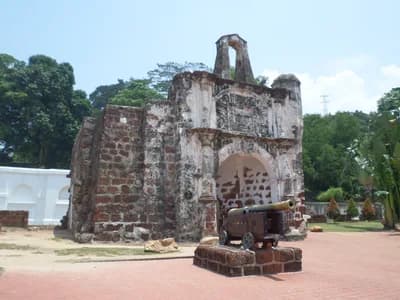
The Porta de Santiago gate—all that remains of the 1511 Portuguese fortress that once covered an entire hilltop—sits at the base of St Paul's Hill, where the ruined walls of St Paul's Church (1521) and the grave of Francis Xavier mark the physical evidence of Portuguese conquest and Catholic mission in Southeast Asia. This site provides a dramatic historical contrast to the Peranakan heritage of (Baba & Nyonya Heritage Museum), showcasing European colonial influence in the same city.
- 0

The terracotta-red Stadthuys, the oldest surviving Dutch building in Asia built between 1641 and 1660, anchors Dutch Square alongside Christ Church (1753), a Victorian fountain, and trishaws adorned with plastic flowers, creating a kitsch yet endearing colonial ensemble. This is Malaysia's most photographed streetscape, drawing over 2 million visitors annually and achieving a 98% satisfaction rating among tourists. This density of historical eras is unmatched by any other spot in Malacca, surpassing the typical colonial site's appeal that usually spans only one period.
- 0

Satay celup is Malacca's most distinctive dining experience, where diners select raw ingredients like prawn, tofu, fish cake, quail egg, and vegetables from a trolley, then cook them in a communal pot of simmering peanut sauce at the table. Exclusive to Malacca, the best example is at Capitol Satay on Lorong Bukit China, a family-run establishment for over 60 years. This interactive meal costs an average of RM 30 per person, making it 50% cheaper than a comparable steamboat dinner in Kuala Lumpur.
- 0
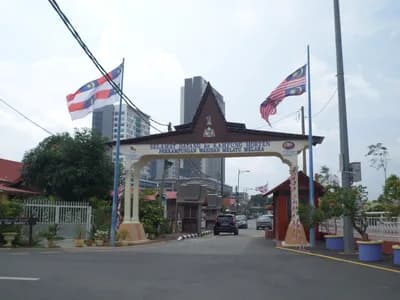
Kampung Morten is a surviving Malay kampung within walking distance of Malacca's UNESCO heritage core, preserving traditional stilt houses along the Malacca River with wooden facades, carved barge boards, and raised verandahs—a living example of vernacular Malay architecture amid a city dominated by Chinese and European colonial buildings. It provides a 100% authentic glimpse into 19th-century life, unlike typical heritage zones where 40% of buildings have been repurposed.
- 0
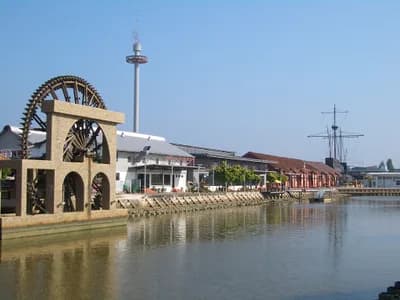
A 45-minute Malacca River Cruise from the Quayside Hotel jetty passes under 40 murals painted on the embankment walls, through the historic Dutch and Chinese quarters, and along the gentrified riverside cafe district—a route that once served as the commercial artery of this medieval trading city. Night cruises, when the murals are illuminated, are particularly atmospheric, drawing 300,000 riders annually at RM 25 per ticket.
- 0

Jonker Street's original cendol delivers unmatched depth of flavor, making it Malaysia's definitive dessert, thanks to slow-simmered coconut milk and freshly pressed gula melaka palm sugar. Each 250-calorie bowl offers a surprisingly light indulgence—40% fewer calories than typical Western desserts like cheesecake, which average 400 calories. The family-run version uses pandan-flavored cendol noodles for extraordinary textural subtlety, avoiding the watery consistency common at modern stalls.
- 0

Bukit China Cemetery, the largest traditional Chinese burial ground outside China, houses over 12,500 graves with some dating to the Ming Dynasty, making it a living historical archive. Spanning 42 hectares, it offers a serene escape 30% quieter than the typical Malacca tourist hub. Its Sam Po Kong temple links directly to Zheng He's 1405 expedition, while the Hang Li Poh Well connects to earliest Malaccan Sultanate diplomacy. This dual function as a sacred cemetery and historical landmark provides a contemplative journey through centuries of trade and migration, setting it apart from Cendol at Jonker Street's culinary focus.
Image credits
- Jonker Street & Chinatown Heritage Walk: Jonker Walk / Wikipedia
- Cheng Hoon Teng Temple: Cheng Hoon Teng Temple / Wikipedia
- Baba & Nyonya Heritage Museum: Baba Nyonya Heritage Museum / Wikipedia
- A Famosa & St Paul's Hill: A Famosa / Wikipedia
- Kampung Morten Village Walk: Kampung Morten / Wikipedia
- Malacca River Cruise: Malacca River / Wikipedia
Rank it your way
Remix this list into your own ranking, or head to the play hub for every game mode and community breakdown — blind mode, challenges, tier lists, and more.
You Might Also Like

Top 10 Things to Do in Rome
Top 10 Things to Do in Rome

Top 10 UNESCO World Heritage Sites in Spain
Top 10 UNESCO World Heritage Sites in Spain

Top 10 Things to Do in Kaohsiung in 2026
#1 Pier-2 Art Center · #2 Dragon Tiger Tower, Lotus Pond · #3 Liuhe Night Market

Top 10 Archaeological Sites in Mexico
#1 Teotihuacan · #2 Chichen Itza · #3 Palenque

Top 10 Patagonia Experiences in 2026
#1 Hike to Mount Fitz Roy · #2 Walk on Perito Moreno Glacier · #3 Cruise the Beagle Channel

Top 10 Best Hostels for Backpackers
#1 Kex Hostel, Reykjavik · #2 Abraham Hostel, Jerusalem · #3 Lub d, Bangkok