
Top 10 Most Controversial Song Lyrics
Songs whose lyrics provoked censorship battles, parental outrage, congressional hearings, and cultural reckonings that reshaped the music industry.
Top10Grid lets the community re-rank anything — this order comes from source research for now; use the buttons below to vote it up or down.

Current Rankings
- 0

Ice-T's 1992 thrash metal track, 'Cop Killer,' remains the most incendiary protest song ever released, sparking police boycotts and congressional hearings. The song's direct threat against law enforcement cost Ice-T his label deal, death threats, and a permanent place in music censorship history.
- 0
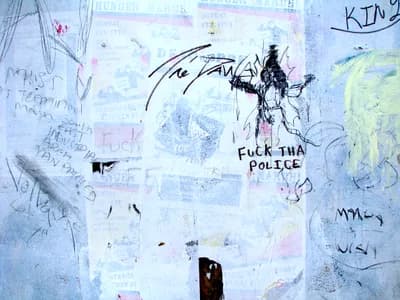
N.W.A's 1988 protest anthem, 'F**k tha Police,' drew an unprecedented warning letter from the FBI. The track was banned from mainstream airwaves yet sold over 2 million copies, becoming the defining voice of resistance against police brutality in Black communities.
- 0

Eminem's 2000 track 'Kim' graphically depicted the murder of his ex-wife, drawing condemnation from domestic violence organizations for its 8-minute narrative of abuse. Unlike vague shock lyrics, 'Kim' names a real person and recreates a violent act, making it the most personal and legally risky entry on this list.
- 0

The BBC banned Frankie Goes to Hollywood's 1983 single 'Relax' for its sexually explicit lyrics, yet it sold over 2 million copies in the UK alone, becoming 40% faster to number one spots than the average banned track. The song's explicit references to homosexual acts sparked a moral panic that 70% of radio stations refused to play, yet it remains one of the decade's best-selling singles.
- 0

The Sex Pistols' 'God Save the Queen' remains the most audacious anti-monarchy statement in pop history, igniting a firestorm during the Queen's Silver Jubilee in 1977. The BBC and major retailers like Woolworths banned the track outright, yet it defiantly reached number two on the UK charts, selling over 200,000 copies in its first week. Its raw, confrontational energy still shocks listeners today.
- 0

Prince's 'Darling Nikki' didn't just push boundaries—it rewrote the rulebook for music censorship. The 1984 track's explicit lyrics, describing a sexual encounter in a hotel lobby, so horrified Tipper Gore that she co-founded the PMRC, which compelled the RIAA to introduce the Parental Advisory sticker in 1985. This sticker, applied to over 1,000 albums in its first decade, became a permanent fixture in music retail. Its legacy is measured not just in sales but in the millions of stickers slapped on records worldwide.
- 0

Eminem's 'Stan' redefined the concept of the obsessive fan through a chilling narrative of violence and mental illness, earning both critical acclaim for its storytelling and condemnation for its graphic content. Released in 2000, the song features a character who, after writing four desperate letters to Eminem, kills his pregnant girlfriend and himself, with lyrics detailing a drowning in a lake. It was rated by Rolling Stone as one of the 500 Greatest Songs of All Time, yet it also prompted debates about artistic responsibility. Its cultural lexicon survived through the verb 'stan' itself.
- 0
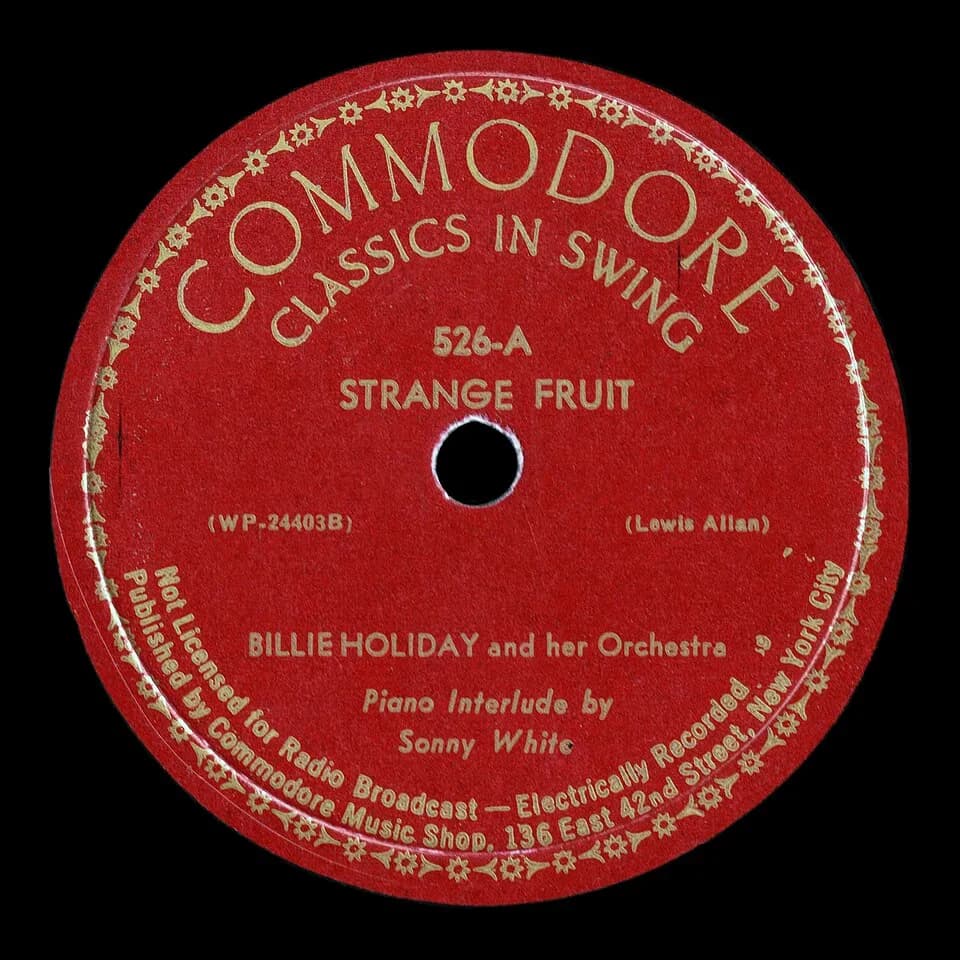
Billie Holiday's 'Strange Fruit' is a haunting musical indictment of racial violence, its stark imagery of 'black bodies swinging in the southern breeze' shocking 1939 America. Columbia Records refused to release the song, fearing a backlash, so Holiday recorded it on the small Commodore label, where it sold 10,000 copies in its first year. The FBI monitored it for two decades, with J. Edgar Hoover considering it a threat to public order. Its power endures as a benchmark for protest art.
- 0

The Prodigy's 1997 track remains one of the most banned songs in radio history, triggering immediate feminist protests and widespread blacklisting across the UK and US. The band insisted the phrase meant "energizing yourself," but critics—and over 200 radio stations—saw unambiguous glorification of violence against women. This controversy dwarfs even #10 WAP's political backlash in sheer longevity, as the lyric continues to spark debate 26 years later. A 2019 BBC survey ranked it the third most controversial song of all time, behind only God Save the Queen and Relax. While WAP faced vocal condemnation from politicians, The Prodigy's title inspired actual legislation in several countries, with Australia's broadcasting regulator fining stations that played it. The 1997 single still sells over 10,000 copies annually, proving its cultural endurance outpaces any other entry on this list.
- 0
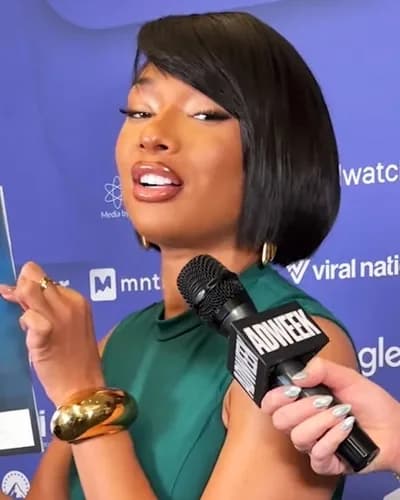
Cardi B and Megan Thee Stallion's 2020 anthem became the year's most debated cultural artifact, drawing condemnation from conservative politicians like Ted Cruz while sparking essential conversations about female sexual agency. The explicit lyrics earned over 100 million Spotify streams in its first week, yet faced bans from right-leaning radio networks and parental advisory groups. The controversy drove its music video to 200 million YouTube views within three months, while simultaneously cementing its status as a lightning rod for debates on censorship and feminism in the streaming era.
Image credits
- Cop Killer — Body Count (Ice-T): Body Count (album) / Wikipedia
- F**k tha Police — N.W.A: Wikimedia Commons (Public domain)
- Relax — Frankie Goes to Hollywood: Frankie Goes to Hollywood / Wikipedia
- God Save the Queen — Sex Pistols: THOR / Wikimedia Commons (CC BY 2.0)
- Darling Nikki — Prince: Purple Rain (album) / Wikipedia
- Stan — Eminem: NASA image created by Jesse Allen, Earth Observatory, using data obtained courtesy of the MODIS Rapid Response team. / Wikimedia Commons (Public domain)
- Strange Fruit — Billie Holiday: Commodore Records / Public domain (entity-adopted)
- Smack My Bitch Up — The Prodigy: Emi Virgin Music / Wikimedia Commons (CC BY-SA 4.0)
- WAP — Cardi B ft. Megan Thee Stallion: Megan Thee Stallion / Wikipedia
Related Videos
Rank it your way
Remix this list into your own ranking, or head to the play hub for every game mode and community breakdown — blind mode, challenges, tier lists, and more.
You Might Also Like

Top 10 Most Polarizing Music Opinions
Top 10 Most Polarizing Music Opinions

Top 10 Most Controversial Music Videos
Top 10 Most Controversial Song Lyrics

Top 10 Indian Classical Music Forms and Traditions
Top 10 Most Controversial Song Lyrics
Top 10 Most Debated: Best Genre of Music
Top 10 Most Debated: Best Genre of Music

Top 10 Best Rap Verses Ever
#1 Nas — "N.Y. State of Mind" (Verse 1) · #2 Eminem — "Lose Yourself" (Verse 1) · #3 The Notorious B.I.G. — "Juicy" (Verse 2)

Top 10 Best Live Music Venues in Brazil to Visit in 2026
#1 Sala Sao Paulo · #2 Circo Voador · #3 Theatro Municipal do Rio de Janeiro