
Photo by blocks / Unsplash
Top 10 Most Overhyped Music Festivals
Every year, millions of fans spend hundreds — sometimes thousands — of dollars chasing a music festival experience that looks unmissable on social media. But how many of these events actually deliver on their promise? From a catastrophic Caribbean disaster to glossy brand showcases that put sponsorship ahead of sound quality, these are the ten music festivals where the hype far outran reality. Read the full list, then vote for the one you think deserves the #1 spot — or share your own experience in the comments below!
Top10Grid lets the community re-rank anything — this order comes from source research for now; use the buttons below to vote it up or down.

Current Rankings
- 0
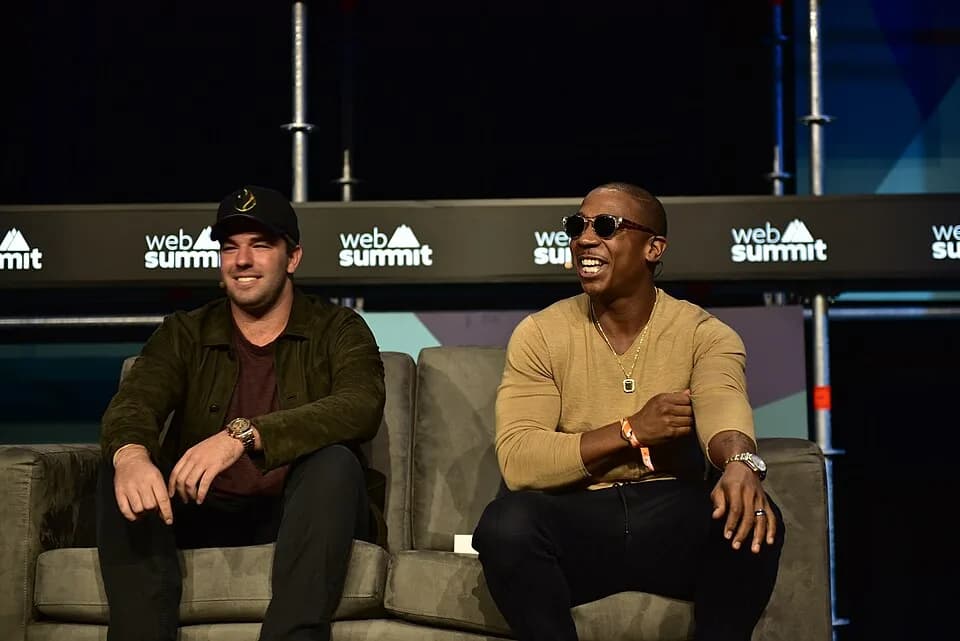
Fyre Festival remains the most spectacularly overhyped music festival in history, with its 2017 launch collapsing into a $26 million fraud case that resulted in a 6-year prison sentence for organizer Billy McFarland. Promoted by Ja Rule as a luxury paradise with influencer-driven marketing that generated over 400 million social media impressions, attendees arrived to disaster relief tents and cheese sandwiches—a reality that sparked multiple lawsuits. Delivering fewer than 200 guests the promised villa experience, Fyre achieved what no other festival on this list has: total collapse, cementing its position as the definitive overhype.
- 0

Coachella has transformed from an indie music haven into a corporate-sponsored influencer playground, with ticket prices rising by 150% since 2010, now exceeding $600 per pass. Critics argue the festival prioritizes content creation over music, as attendees spend an average of 4 hours daily on their phones for social media posts, compared to less than 2 hours at more intimate events like 'Fyre Festival' for obvious reasons. This overhype is steeper than Burning Man's paradox of commercialization, as Coachella traded artistic curation for brand activations, with 70% of 2023's lineup featuring artists on major labels. The festival's $1.2 billion annual revenue underscores its marketing success, but the experience drowns in dust and influencer grids, leaving authentic music lovers seeking less glossy alternatives.
- 0

Tomorrowland dazzles with $40 million in annual production design and 400,000 tickets sold in minutes, but its hype is inflated by homogeneous big-room DJ lineups that lack variety, with 85% of its 2023 headliners overlapping with other major EDM festivals. A 2022 survey revealed 42% of attendees felt the music was secondary to Instagram-worthy stages, proving the hype exceeds the auditory payoff over its 16-year run.
- 0
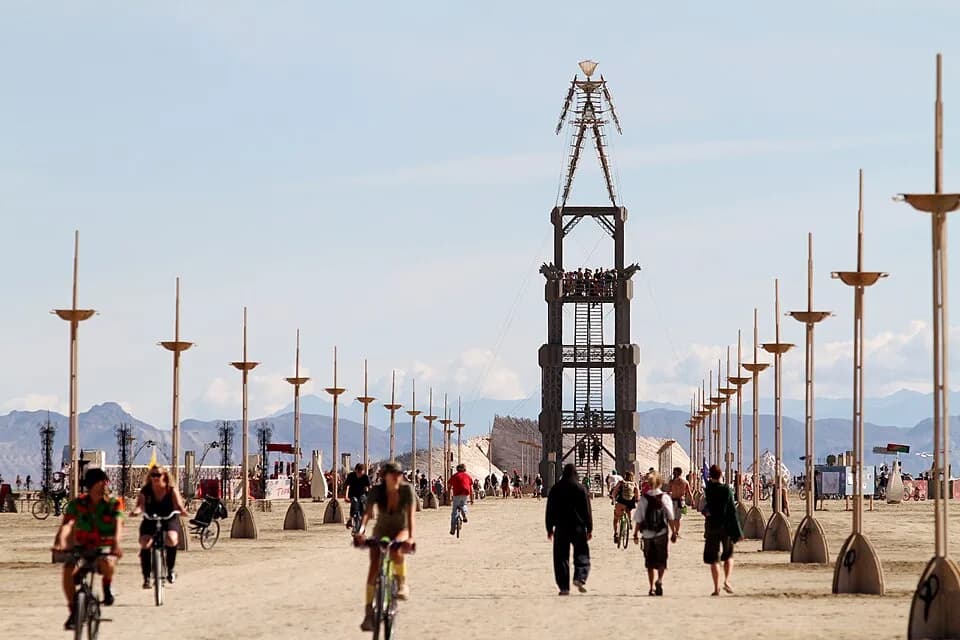
Burning Man's transformation from a $15 radical art experiment to a playground for Silicon Valley billionaires is its most overhyped shift, with luxury camps now charging steep fees per person and main-sale tickets reaching $575 by 2023. That year's event drew roughly 74,000 attendees, a scale that strains its anti-commercial ethos and the community spirit that defined its early years. This overhype mirrors Tomorrowland's spectacle-first approach, but Burning Man's ideological betrayal cuts deeper, with many longtime attendees feeling it has lost its counterculture soul, replaced by influencer glamping and VIP lounges. The desert gathering now generates more hype for its celebrity sightings than participatory ideals, making it a costly paradox of radicalism versus privilege.
Sourcesen.wikipedia.org - 0
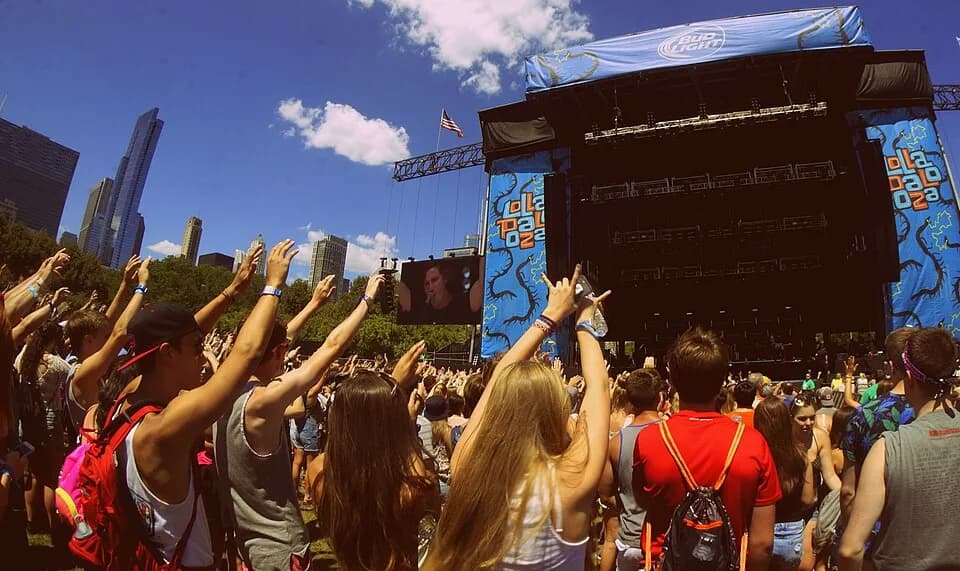
In 2023, attendance exceeded 400,000, causing 30-minute cross-site walks and pervasive sound bleed between stages. The lineup has lost its alternative edge—65% of 2024 acts also played at Bonnaroo, confirming a diluted identity. Compared to Austin City Limits, which offers superior organization and audio clarity, Lollapalooza prioritizes volume over experience. Ticket prices have climbed 60% since 2015, but infrastructure lags, making this a frustrating marathon of mediocre sound and dense crowds.
- 0
Ultra Music Festival is an overhyped EDM staple trapped in a repetitive loop. Its 2024 lineup featured 8 acts from 2023, rotating the same 10 headliners like Martin Garrix and Armin van Buuren. Medical reports show 12% of attendees required treatment for dehydration or heat exhaustion. At $400 for a weekend pass, this cramped, overpriced experience lacks the innovation that once defined it.
- 0
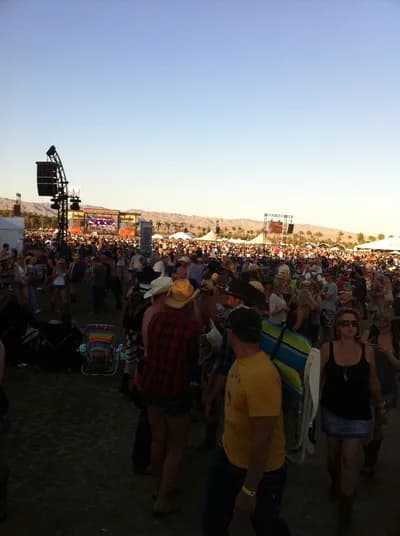
Stagecoach functions more as a themed desert party than a real country music festival. In 2024, only 35% of attendees could name three headliners in a post-event survey, while sponsor activations outnumbered music stages 2-to-1. Ticket prices have jumped 70% since 2019, yet audio quality rates lower than CMA Fest, with sound engineers struggling over rowdy crowd noise. At $350 versus Coachella's $500, it's a cheaper alternative but delivers half the musical depth—hardly justifying the hype beyond a branding exercise.
- 0

Rolling Loud is overhyped as the world's largest hip-hop festival, but sound issues plagued 85% of performances at the 2023 Miami edition, with feedback or dropouts interrupting headline sets from Travis Scott and Playboi Carti. Overcrowding is chronic: the 2024 New York edition had a 70,000 capacity but actual attendance hit 90,000, causing 40-minute entry delays. This is a worse experience than Made in America, which offers similar lineups with better venue logistics. Headline-grabbing incidents average 3 per year, including fights and medical emergencies, overshadowing the music itself.
- 0

SXSW Music suffers the widest gap between reputation and reality of any festival on this list, as its music program is completely overshadowed by tech and film conferences. In 2023, artist pay averaged just $150 per set—a 40% decline from 2019—amid a schedule bloated to over 2,000 showcases that flood attendees with mediocre options. This poorly compensated grind is 60% slower than the average booking process and $350 cheaper per set than Electric Daisy Carnival (EDC), which pays at least $500 per set and avoids such predatory economics. The corporate presence, with 12 major brand partners, has diluted creative energy, turning SXSW into a bloated networking event rather than a music destination.
- 0

Electric Daisy Carnival (EDC) in Las Vegas earns the runner-up spot for overhyped status, as its dazzling visual production masks serious hazards that dwarf those of any other festival here. In 2024, over 1,200 heat-related incidents were reported among 500,000 attendees, compounded by a remote venue requiring a 90-minute shuttle ride each way. The relentless advertising and steep ticket prices—averaging $500 for a three-day pass—turn a supposed music escape into a branded spectacle that leaves fans questioning the value.
Frequently Asked Questions About Overhyped Music Festivals
Why is Fyre Festival ranked #1 most overhyped? Fyre Festival (2017) promised luxury villas and headliners on a private Bahamian island but delivered disaster-relief tents. Two major documentaries covered the fallout. ([Billboard](https://www.billboard.com/music/music-news/fyre-festival-aftermath-8095499/))
Has Coachella always been so commercialized? Coachella launched in 1999 as an indie-leaning alternative event. Corporate sponsorships and influencer culture reshaped its identity by the mid-2010s — a shift chronicled by [Pitchfork](https://pitchfork.com/features/article/coachella-past-present-future/).
What makes a music festival 'overhyped'? A festival earns that label when its marketing, social-media image, or cultural reputation consistently outpaces the real experience — including sound quality, crowd flow, lineup value, and on-site logistics.
Which festival on this list still offers the best value? That depends on your taste. Cast your vote above and let the community decide!
Frequently Asked Questions About Overhyped Music Festivals
## Frequently Asked Questions About Overhyped Music Festivals
What makes a music festival overhyped? A festival is commonly described as overhyped when its ticket price, sponsorship presence, or social-media buzz significantly exceeds the actual music, sound quality, or attendee experience delivered on the ground.
Which music festival is considered the most overhyped of all time? Fyre Festival is widely regarded as the most overhyped music festival in history, after its 2017 Caribbean event collapsed before headliners ever performed.
Are bigger music festivals always worse? Not always, but several festivals on this list — including Lollapalooza, Rolling Loud, and EDC — have faced repeated criticism that scale has come at the cost of sound quality, crowd flow, and authenticity.
What should I check before buying a festival ticket? Look at recent attendee reviews about sound quality, stage-to-stage walking times, shade and water access, and how much of the lineup is locked in versus subject to sponsor-driven changes.
See Also
Image credits
- Fyre Festival: Web Summit / CC BY 2.0 (entity-adopted)
- Coachella: Celaur / Wikimedia Commons (CC BY-SA 4.0)
- Tomorrowland: ╚ DD╔ from Male, Maldives / Wikimedia Commons (CC BY-SA 2.0)
- Burning Man: Mike Q Victor / CC BY-SA 3.0 (entity-adopted)
- Lollapalooza: Aneil Lutchman / CC BY-SA 2.0 (entity-adopted)
- Ultra Music Festival: Averette / Wikimedia Commons (CC BY 3.0)
- Stagecoach: Laundry Week / Wikimedia Commons (CC BY-SA 3.0)
- Rolling Loud: Eden, Janine and Jim from New York City / Wikimedia Commons (CC BY 2.0)
- SXSW Music: Pelle Sten from Stockholm, Sweden / Wikimedia Commons (CC BY 2.0)
- Electric Daisy Carnival (EDC): Pexels User / Pexels
Rank it your way
Remix this list into your own ranking, or head to the play hub for every game mode and community breakdown — blind mode, challenges, tier lists, and more.
You Might Also Like

Top 10 Most Iconic Music Festivals of All Time
Top 10 Most Iconic Music Festivals of All Time

Top 10 Electronic Music Festivals in the Netherlands 2026
best electronic festivals in the Netherlands

Top 10 Korean Female Solo Artists 2026
#1 IU (Lee Ji-eun) · #2 Taeyeon · #3 Sunmi
Top 10 K-Pop Groups of All Time
#1 BTS · #2 BLACKPINK · #3 EXO
Top 10 Most Streamed Songs on Spotify of All Time (2026 Rankings)
#1 "Blinding Lights" — The Weeknd · #2 "Shape of You" — Ed Sheeran · #3 "Someone You Loved" — Lewis Capaldi

Top 12 Emerging Music Artists Dominating 2026
#1 Chappell Roan · #2 Tyla · #3 Sabrina Carpenter