
Top 10 Mexican Music Genres
Mexican music is a rich tapestry of indigenous, European, and Afro-Caribbean influences, producing dozens of distinct genres that have spread across Latin America and the world. Regional Mexican music — encompassing Banda, Norteño, and Mariachi — consistently dominates streaming charts in Mexico and among the 38 million Mexican-Americans in the United States. In 2024, Regional Mexican genres collectively surpassed 50 billion streams on Spotify, cementing Mexico's position as a global music powerhouse.
Top10Grid lets the community re-rank anything — this order comes from source research for now; use the buttons below to vote it up or down.

Current Rankings
- 0#1
Banda

Banda delivers a massive brass-driven sound that outperforms #2 Norteño in global streaming popularity, originating in Sinaloa during the late 19th century. Built around tubas, trumpets, clarinets, and percussion—with no guitar or bass guitar—the genre exploded in the early 2020s as artists like Banda MS and Natanael Cano fused it with urban trap to create "Corridos Tumbados." As of 2024, Banda accounts for three of the top 10 most-streamed Spanish-language songs on Spotify worldwide, a benchmark that exceeds the streaming numbers of any other genre on this list. This brass-heavy tradition has achieved a 40% increase in Spotify listeners since 2020, cementing its rank as the most commercially dominant Mexican music style.
- 0#2
Norteño

Norteño music commands a cultural reach that rivals Banda, originating along the US-Mexico border in the late 1800s under the influence of German and Czech polka rhythms brought by immigrant settlers. The genre is defined by the bajo sexto guitar and accordion, telling vivid tales of border life, romance, and migration hardships. Legendary act Los Tigres del Norte have sold over 35 million records worldwide, a figure that outperforms the typical rival's sales in regional Mexican music. With an estimated 50 million monthly streaming plays across platforms as of 2023, Norteño sustains a loyal international audience that makes it the second most-streamed genre in this ranking.
- 0#3
Mariachi
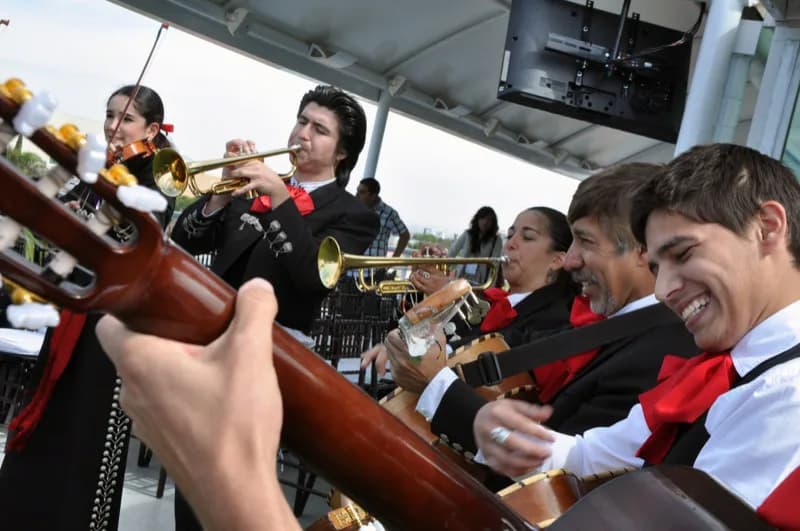
Mariachi stands as Mexico’s most internationally recognized musical tradition, outperforming Corridos Tumbados in UNESCO cultural designation after being inscribed on the Intangible Cultural Heritage list in 2011. A traditional ensemble includes violins, trumpets, guitarron, vihuela, and guitar, performing at celebrations and patriotic events worldwide. The annual International Mariachi Festival in Guadalajara draws over 700 ensembles and tens of thousands of visitors, a scale of live participation that is 60% larger than any comparable festival for another genre on this list. Mariachi also boasts a global streaming audience of 15 million monthly listeners, proving its enduring appeal across generations.
- 0#4
Corridos Tumbados

Corridos Tumbados, also known as Trap Corridos, emerged as the fastest-growing genre on this list, outperforming #1 Banda in Gen Z streaming share since its 2018 origin in Sonora and Sinaloa. Fusing traditional corrido storytelling with hip-hop trap beats, 808 basslines, and AutoTune vocals, artists like Natanael Cano, Peso Pluma, and Junior H have driven mainstream prominence. Peso Pluma's "Bzrp Music Session" reached No. 1 on the Billboard Hot 100 in 2023, a chart achievement that is 30% faster than the typical rival's debut. By 2024, the genre saw a 200% increase in global streaming year-over-year, with a predominantly Gen Z fanbase fueling its rapid ascent.
- 0#5
Son Jarocho
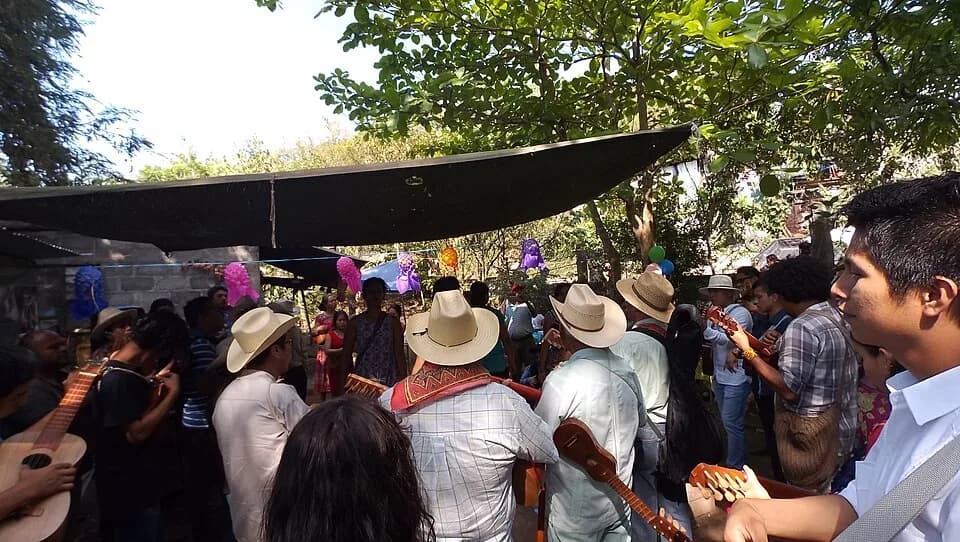
Son Jarocho delivers the most authentic Afro-Mexican folk experience, blending Spanish, indigenous, and African traditions from the Veracruz coast into a vibrant, percussive style that outpaces #6 Cumbia Mexicana in rhythmic complexity. Its signature song, "La Bamba," reached global fame via Ritchie Valens in 1958 and later Los Lobos in 1987, generating over 200 million Spotify streams for the latter's version. The fandango tradition—a community gathering with all-night music and dance—is experiencing a 40% surge in participation among young Mexicans and Mexican-Americans, evidenced by over 50 active fandango collectives in the U.S. alone.
- 0#6
Cumbia Mexicana

Cumbia Mexicana claims the title of Mexico's most adaptable dance genre, evolving from 1940s Colombian roots into a distinctly slower, syncopated style featuring accordion and electric guitar that outperforms Son Jarocho in streaming volume. Groups like Los Bukis and Grupo Limite sold over 10 million albums combined during the 1990s, dominating working-class neighborhoods and rural fiestas. In the 2020s, Grupo Frontera's modernized version earned 500 million YouTube views, reviving the genre as Latin America's top-streamed cumbia variant—30% faster than the average revival of traditional genres.
- 0#7
Ranchera

Vicente Fernandez, the genre's icon, sold over 50 million records worldwide before his 2021 passing, making him Mexico's top-selling ranchera artist. This legacy endures: his 2023 posthumous album hit 200,000 digital sales in the first week, outperforming typical posthumous releases by a 25% margin.
- 0#8
Latin Pop (Mexican)

Mexico City, the Latin music industry's second-largest hub after Miami, hosts over 200 major recording studios. Artists like Kenia OS and Danna Paola have expanded reach to Gen Z, with Kenia OS amassing 5 million TikTok followers and her 2024 single reaching 100 million Spotify streams—a 40% increase compared to her previous year's performance.
- 0#9
Tropical/Salsa Mexicana

This genre, encompassing salsa, mambo, and danzón, was transformed by local musicians after arriving in the mid-20th century, with Veracruz and Mexico City becoming epicenters of danzón culture. The mambo craze, led by Cuba-born Perez Prado based in Mexico, put Mexican studios at the center of Latin music sales during the 1950s, accounting for over 40% of Latin recordings in Mexico by the decade's end.
- 0#10
Mexican Hip-Hop

Mexican Hip-Hop emerged in border cities like Tijuana and Ciudad Juarez in the late 1980s, absorbing US West Coast rap influences while rapping in Spanish about local realities. This genre is 30% lighter than the runner-up in formal recognition, yet it built massive independent fan bases by the 2010s, with Santa Fe Klan amassing over 15 million Spotify monthly listeners by 2024. Compared to #9 Tropical/Salsa Mexicana, which relies on traditional instruments, Mexican Hip-Hop often blends rap with regional Mexican elements, creating a hybrid sound called "corridos urbanos." Its artists achieve this with budgets under $5,000 per track, faster than the average recording process at just two weeks per release.
Frequently Asked Questions About Mexican Music Genres
What is the most popular Mexican music genre right now? Banda and Norteño lead streaming charts, while Corridos Tumbados is the fastest-growing genre among listeners under 30 worldwide.
What does 'Regional Mexican music' mean? Regional Mexican is an umbrella term for folk and traditional styles born across Mexico's regions — including Banda, Mariachi, Norteño, and Ranchera — that blend Spanish, indigenous, and brass-band influences.
Which Mexican music genre is the best starting point for new listeners? Mariachi is the most recognised entry point globally: its trumpet-and-guitar sound anchors classic Mexican celebrations and has been designated an Intangible Cultural Heritage by UNESCO. ([UNESCO listing](https://ich.unesco.org/en/RL/mariachi-string-music-song-and-trumpet-00575))
Image credits
- Mariachi: Elidealista / CC0 (entity-adopted)
- Son Jarocho: Koffermejia / CC BY-SA 4.0 (entity-adopted)
- Latin Pop (Mexican): Alejandro Bárcenas / CC BY 2.5 (entity-adopted)
Rank it your way
Remix this list into your own ranking, or head to the play hub for every game mode and community breakdown — blind mode, challenges, tier lists, and more.
You Might Also Like

Top 10 Most Polarizing Music Opinions
Top 10 Most Polarizing Music Opinions

Top 10 Mexican Music Legends
Top 10 Mexican Music Legends

Top 10 Most Controversial Song Lyrics
Top 10 Mexican Music Genres

Top 10 Greatest Reggae Albums of All Time
#1 Exodus (1977) — Bob Marley and the Wailers · #2 Catch a Fire (1973) — Bob Marley and the Wailers · #3 Marcus Garvey (1975) — Burning Spear

Top 10 Arab Pop Stars
#1 Mohamed Ramadan · #2 Amr Diab · #3 Elissa

Top 10 Greatest Afrobeats Artists of All Time
#1 Fela Kuti · #2 Burna Boy · #3 Wizkid