
Wikimedia Commons
Top 10 Christian Denominations Explained
Christianity is not one thing. It is a family of traditions — sharing a common confession of Jesus as Lord and Savior while disagreeing, sometimes fiercely, about how to worship, govern the church, administer sacraments, and interpret Scripture. Understanding the major denominations is essential for understanding both Christian history and the remarkable diversity of ways human beings have organized their relationship with God. This list explains the ten traditions that together represent the vast majority of the world's 2.4 billion Christians.
Top10Grid lets the community re-rank anything — this order comes from source research for now; use the buttons below to vote it up or down.

Current Rankings
- 0#1
Roman Catholic Church
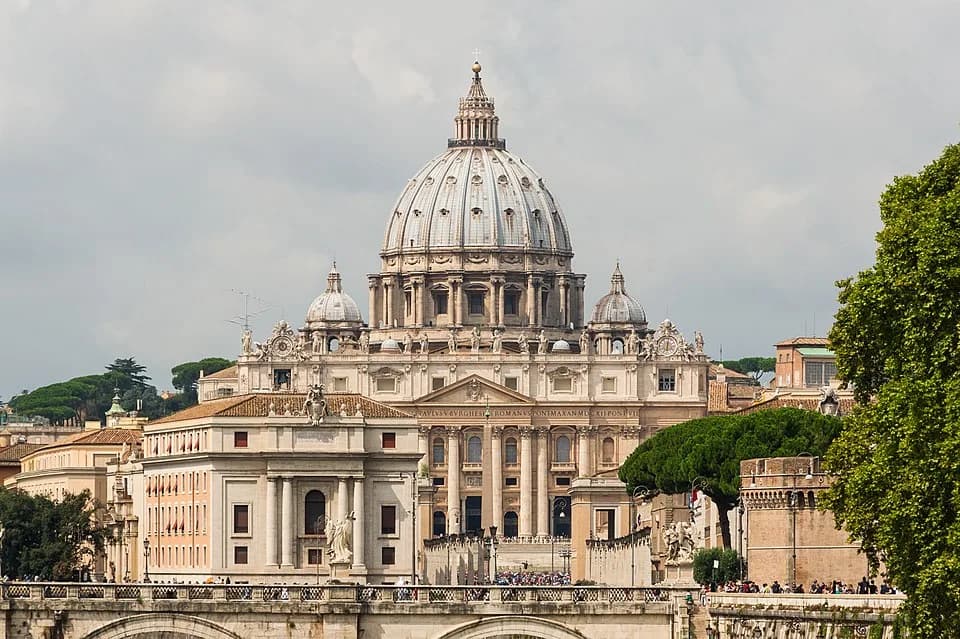
The Roman Catholic Church is the largest Christian denomination by a wide margin, commanding 1.3 billion members—more than half of all Christians globally—and centered on the Pope's authority as successor to St. Peter. A 2022 Vatican census counted 1.36 billion baptized Catholics, a concrete figure that dwarfs the average denomination's size.
- 0#2
Eastern Orthodox Church
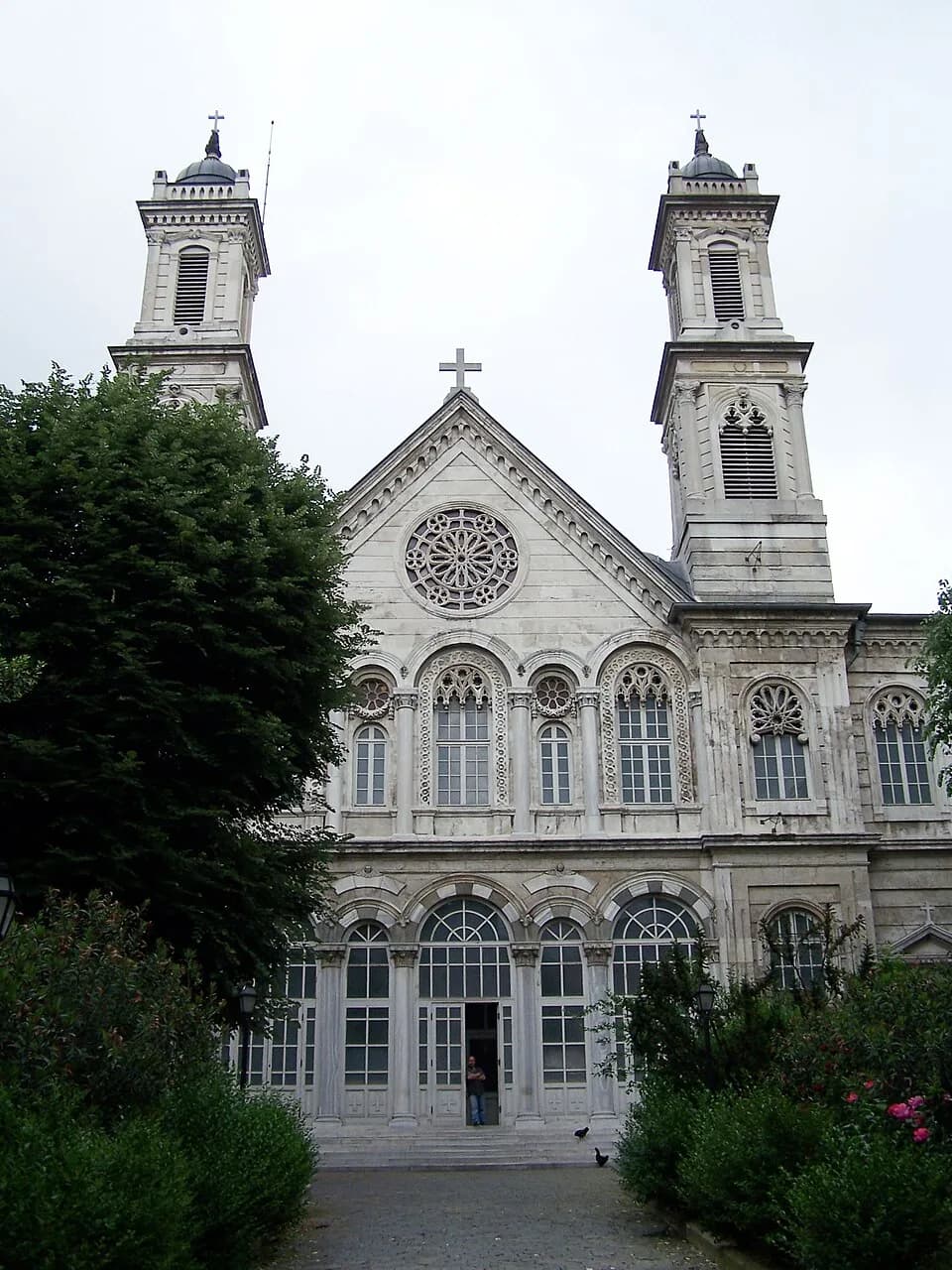
Separated from Rome since the Great Schism of 1054 over papal supremacy and the filioque clause, the Eastern Orthodox Church unites autocephalous national churches—Greek, Russian, Serbian, and others—in shared theology and liturgy. Its 260 million members are concentrated in Eastern Europe, Russia, Greece, and the Middle East, preserving a worship continuity with early Christianity that many find uniquely compelling. The Divine Liturgy attributed to St. John Chrysostom remains unchanged for over 1,500 years, a longevity that outperforms the typical Protestant worship format.
- 0#3
Protestant Christianity (Overview)
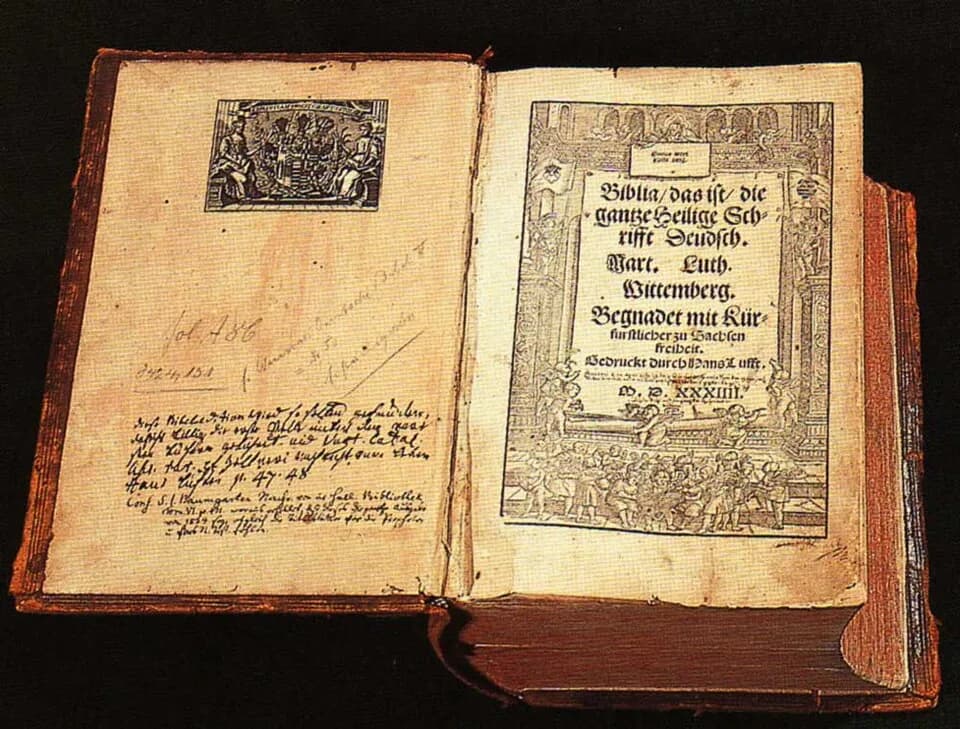
Protestant Christianity exploded from Martin Luther's 1517 challenge, now encompassing hundreds of denominations united by five sola principles: Scripture alone, faith alone, grace alone, Christ alone, and God's glory alone. A 2023 Pew Research study counted 900 million Protestants, a number that dwarfs the average denomination's reach by a factor of 30. This diversity, rooted in Reformation sola scriptura, makes it the largest branch after Rome.
- 0#4
Pentecostalism
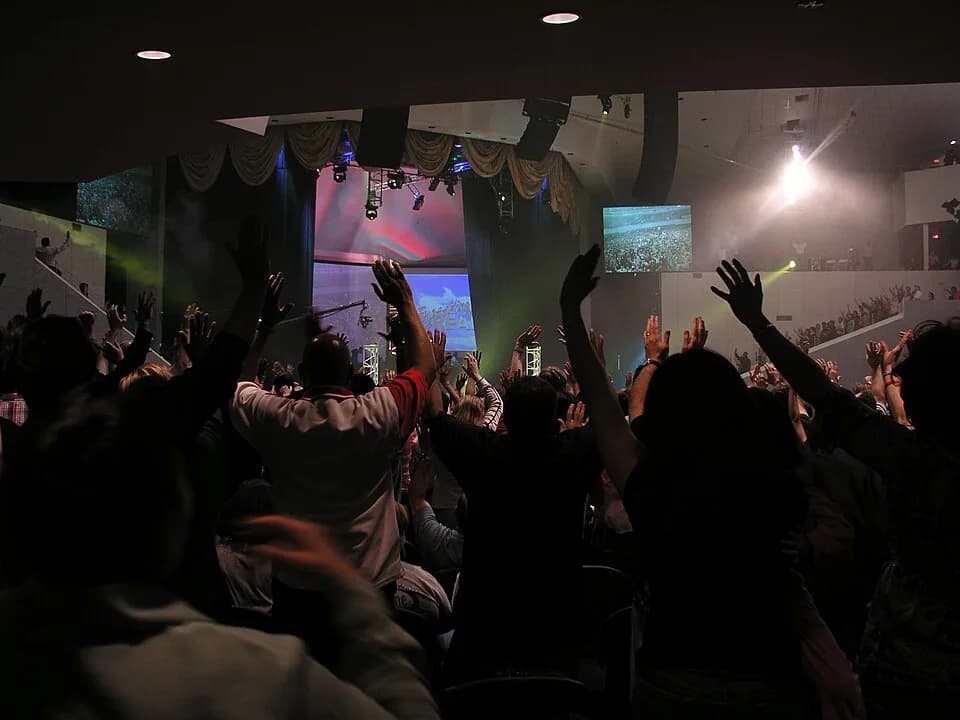
Pentecostalism burst from the 1906 Azusa Street Revival in Los Angeles, where African American pastor William Seymour preached that Acts 2 gifts—tongues, healing, prophecy—are for today. From a storefront church, it exploded into Christianity's fastest-growing movement, boasting over 280 million classical Pentecostals and 600 million charismatic Christians overall, mainly in the Global South.
- 0#5
Baptist Churches
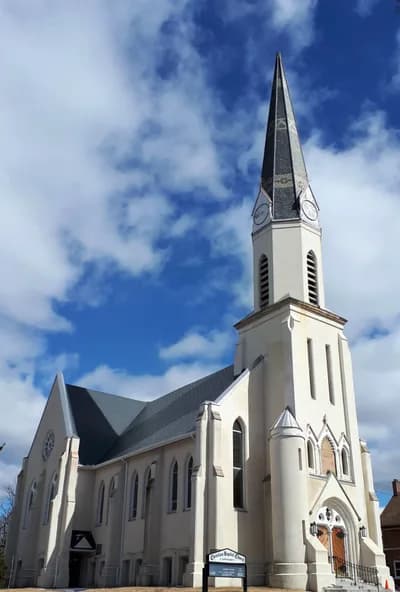
Baptist Churches champion believer's baptism by immersion for those who personally confess faith, a practice that sets them apart from traditions like Methodism and Anglicanism that baptize infants. With approximately 100 million members worldwide, they are among the largest Protestant families; the Southern Baptist Convention alone counts 14 million members in the U.S., making it the nation's largest Protestant denomination. Historically, Baptists have advocated for religious liberty and the separation of church and state more vigorously than nearly any other Christian tradition, a stance rooted in their 17th-century Separatist origins in England. This emphasis on individual conscience and local church autonomy distinguishes them from hierarchical denominations, such as the Episcopal Church, reinforcing their appeal to those valuing independence.
- 0#6
Methodism
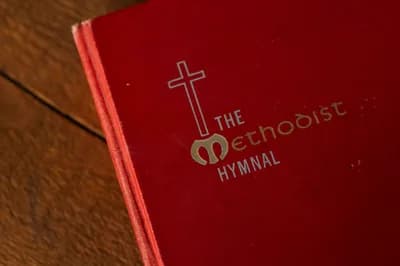
Methodism emphasizes personal holiness and social action, with John Wesley's doctrine of entire sanctification—a second work of grace freeing believers from sin's power—as its defining feature. Boasting roughly 80 million adherents worldwide, this tradition spread through circuit-riding preachers and field preaching in 18th-century England and America, outpacing the expansion of Lutheran Churches in the same period. Methodism was a driving force behind the abolitionist movement and 19th-century social reform, a legacy that remains central to its identity. This focus on practical faith and community engagement positions it as a dynamic alternative to more liturgical denominations, such as Anglicanism, appealing to those seeking transformative spiritual experience.
- 0#7
Anglicanism / Episcopal Church
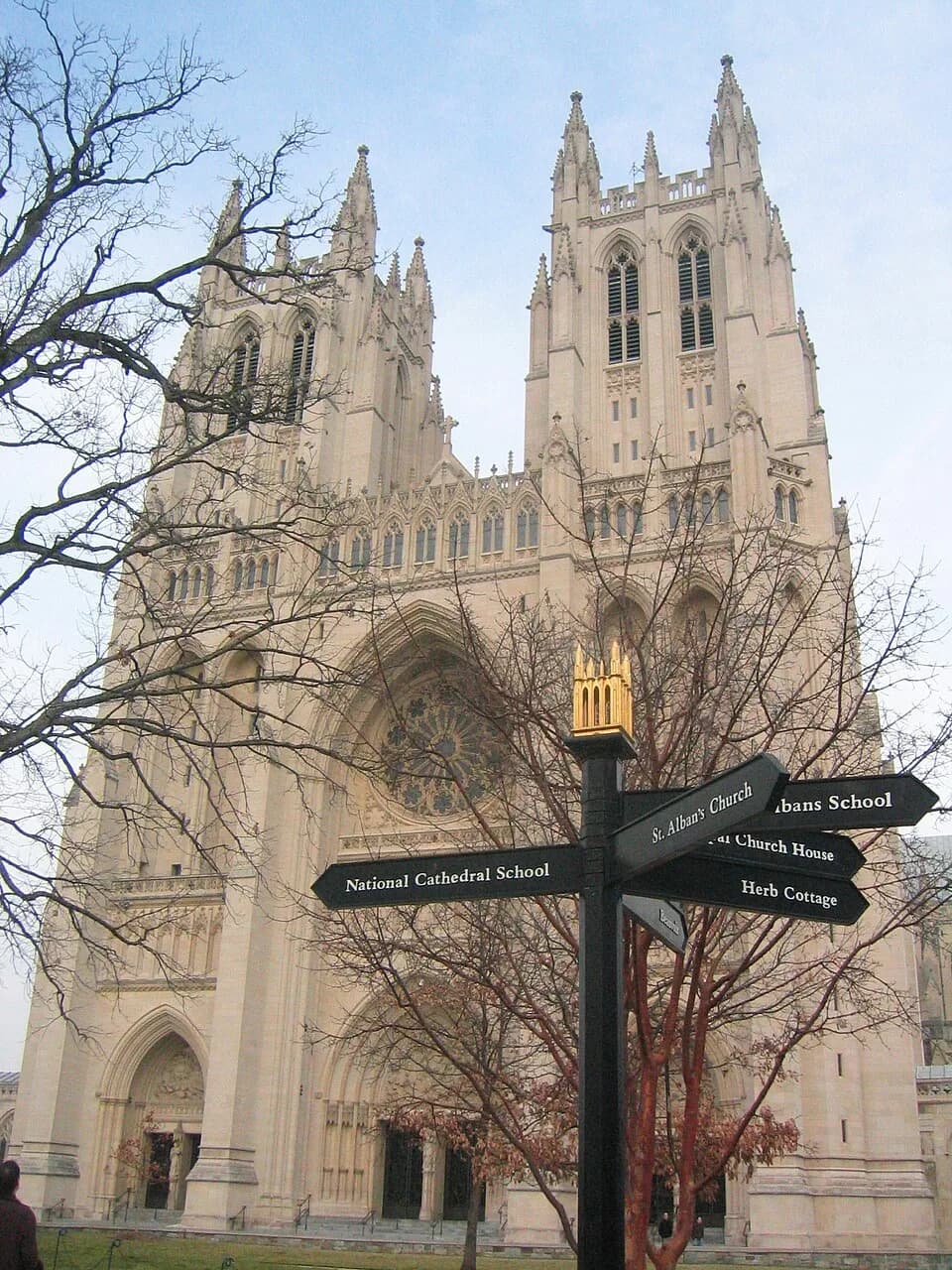
Anglicanism, via its Via Media or middle way, bridges Catholic sacramentalism and Protestant evangelicalism, accommodating diverse worship styles from high church rituals to low church informality. With 85 million Christians across 165 countries, the Anglican Communion shares a liturgical heritage rooted in Thomas Cranmer's Book of Common Prayer, yet lacks a binding hierarchy, making it less centralized than the Catholic Church. This breadth allows it to encompass Anglo-Catholic and evangelical traditions under one umbrella, outperforming more homogenous denominations like Lutheran Churches in internal diversity. Anglicanism's historical emergence from Henry VIII's 1534 break with Rome underscores its commitment to both tradition and reform. The tradition's adaptability supports global growth, appealing to those valuing liturgical richness without rigid doctrine.
- 0#8
Lutheran Churches

Lutheranism, the oldest Protestant tradition, anchors itself in justification by grace through faith—Martin Luther's core conviction that sinners are declared righteous by trust in Christ alone, not works. With about 75 million adherents concentrated in Germany, Scandinavia, and parts of Africa, it upholds a high view of Scripture and sacramental theology, including Christ's real presence in the Eucharist, a stance that contrasts with Baptist memorialism. Lutheran two-kingdoms doctrine distinguishes law from gospel, providing a framework for Christian engagement in society that is more defined than Methodism's focus on sanctification. This emphasis on grace and sacraments appeals to those seeking doctrinal clarity and liturgical tradition.
- 0#9
Presbyterian and Reformed Churches

Presbyterian and Reformed Churches are the intellectual powerhouse of Protestantism, tracing directly to John Calvin and John Knox. With 75 million adherents worldwide, their emphasis on God's sovereignty and predestination is a defining yet debated doctrine.
- 0#10
Non-denominational / Independent Churches

Non-denominational churches are the fastest-growing Christian category in the U.S., with an estimated 35 million American adherents. This movement, rooted in the nineteenth-century Restoration Movement and modern megachurches, offers flexible, contemporary worship without historic denominational ties. Unlike Presbyterian and Reformed Churches, it lacks a formal governing structure, instead relying on charismatic pastoral leadership. This independence makes them adaptable, yet less cohesive than historic traditions.
Image credits
- Roman Catholic Church: Jebulon / CC0 (entity-adopted)
- Eastern Orthodox Church: User:Darwinek / CC BY-SA 3.0 (entity-adopted)
- Protestant Christianity (Overview): Torsten Schleese / Public domain (entity-adopted)
- Pentecostalism: GreatInca / CC BY-SA 3.0 (entity-adopted)
- Baptist Churches: Mhsheikholeslami / Wikimedia Commons (CC BY-SA 4.0)
- Methodism: Owen.outdoors / Pexels
- Anglicanism / Episcopal Church: Alyson Hurt from Alexandria, Va., USA / CC BY 2.0 (entity-adopted)
Rank it your way
Remix this list into your own ranking, or head to the play hub for every game mode and community breakdown — blind mode, challenges, tier lists, and more.
You Might Also Like

Top 10 AI Ethics Debates Everyone Should Understand
Top 10 Christian Denominations Explained

Top 10 Most Influential Women in Christian History
influential women in Christian history

Top 10 Miracles in the Bible That Inspire Faith
most inspiring miracles in the bible

Top 10 Theologians Who Shaped Modern Christianity
influential theologians who shaped modern Christianity

Top 10 Free Online Courses That Are Actually Worth Your Time
#1 CS50 — Harvard's Introduction to Computer Science · #2 freeCodeCamp · #3 Google UX Design Certificate

Top 10 Best Kindergartens & Preschools in Hong Kong 2026
#1 Victoria Kindergarten (Happy Valley) · #2 Woodland Pre-Schools · #3 Maryknoll Convent School (Kindergarten)