From a garage in Los Altos to a $3 trillion empire, the world's most successful tech startups didn't just build companies — they reshaped entire industries, redefined human behaviour, and created the infrastructure of modern life. Ranked by peak valuation, global impact, and the audacity of their founding vision, these ten ventures stand as the greatest entrepreneurial achievements in the history of technology.
Community rankings for this product
Curated by our tech editors. Practical, hands-on reviews weighted by community vote — updated as the field evolves.

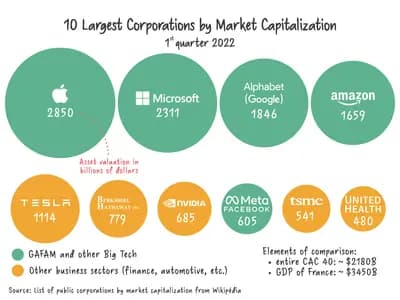
Founded by Steve Jobs, Steve Wozniak, and Ronald Wayne in a Los Altos garage in 1976, Apple was days away from bankruptcy before Jobs returned in 1997 and launched the iMac, iPod, iPhone, and App Store in a single decade. Today Apple commands a $3 trillion market capitalisation — the first company in history to reach that milestone — and generates more annual profit than any other corporation on earth. Its seamless integration of hardware, software, and services across 2 billion active devices makes it the most valuable startup story ever told.

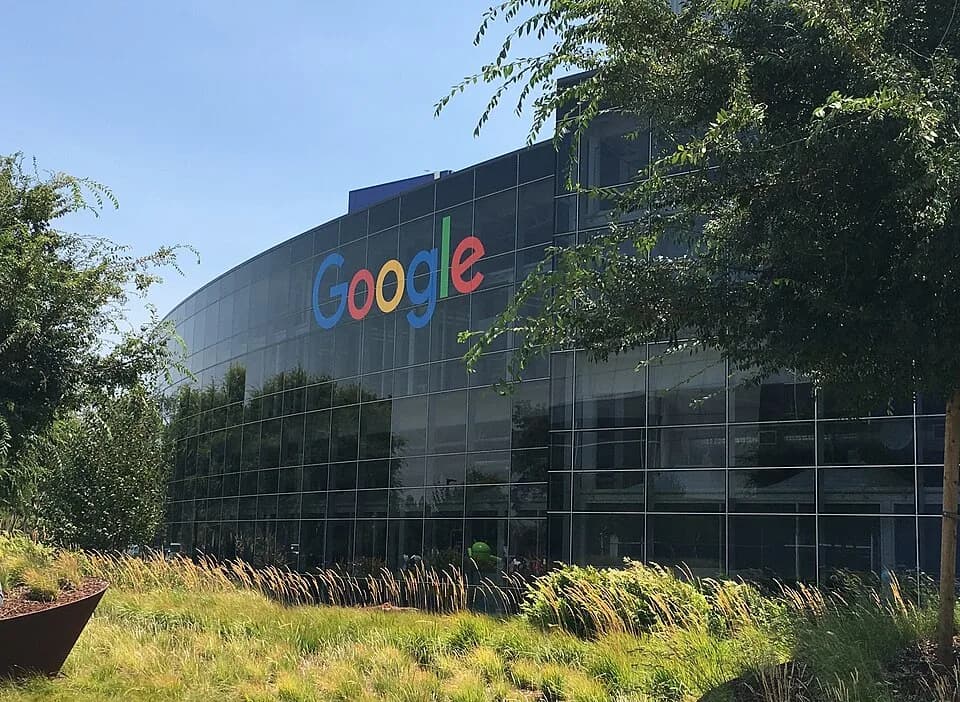
Larry Page and Sergey Brin launched Google in 1998 as a Stanford PhD research project with a $100,000 cheque written to a company that did not yet legally exist. It now handles 8.5 billion searches per day, controls roughly 92% of the global search market, and has expanded into advertising, cloud computing, AI, autonomous vehicles, and quantum computing. With a market capitalisation exceeding $2 trillion, Alphabet — Google's parent — is one of the five most valuable companies in history.

Jeff Bezos started Amazon in his Bellevue garage in 1994 selling books online from a door propped on sawhorses as a desk; within a decade it had become the "everything store," and within two decades its cloud division AWS — launched almost as a side project — was generating over $100 billion in annual revenue and powering a third of the internet. Amazon's $1.5 trillion valuation and 1.5 million employees make it the most structurally transformative startup in commercial history, having upended retail, logistics, cloud infrastructure, and streaming in a single generation.

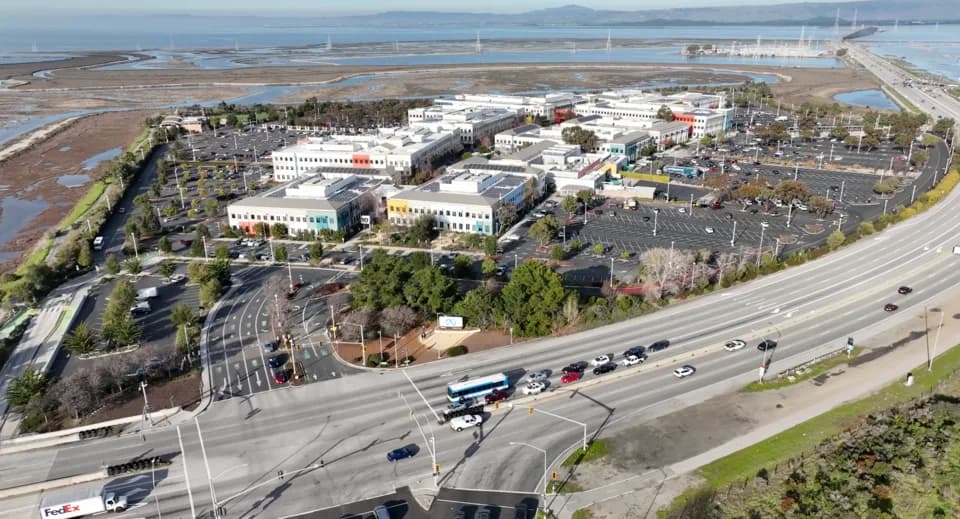
Mark Zuckerberg launched "TheFacebook" from his Harvard dorm room in February 2004 as a campus directory; within two years it had displaced MySpace, and within a decade it had become the largest social network in human history. Meta now connects over 3.2 billion people daily across Facebook, Instagram, and WhatsApp — roughly 40% of the world's population — and generates over $130 billion in annual advertising revenue. The company's near-total dominance of social media has made it one of the most influential and controversial institutions of the 21st century.

Bill Gates and Paul Allen founded Microsoft in Albuquerque, New Mexico in 1975 to sell BASIC interpreters to hobbyist computer enthusiasts; six years later, their $50,000 acquisition of DOS and its licensing to IBM set the company on course to dominate the personal computing era entirely. Microsoft's Windows and Office suite became the operating system of modern work, and its subsequent pivot to cloud computing under Satya Nadella — with Azure now the world's second-largest cloud platform — pushed its market cap past $3 trillion in 2024.

Reed Hastings and Marc Randolph founded Netflix in 1997 as a DVD-by-mail rental service, charging $4 per disc with no late fees — a direct challenge to Blockbuster's punitive model. The company pivoted to streaming in 2007, expanded internationally to 190 countries by 2016, and then bet its survival on original content with House of Cards in 2013. With over 260 million paying subscribers globally and an Emmy haul that has eclipsed every broadcast network, Netflix invented the modern streaming era and triggered the complete restructuring of Hollywood.

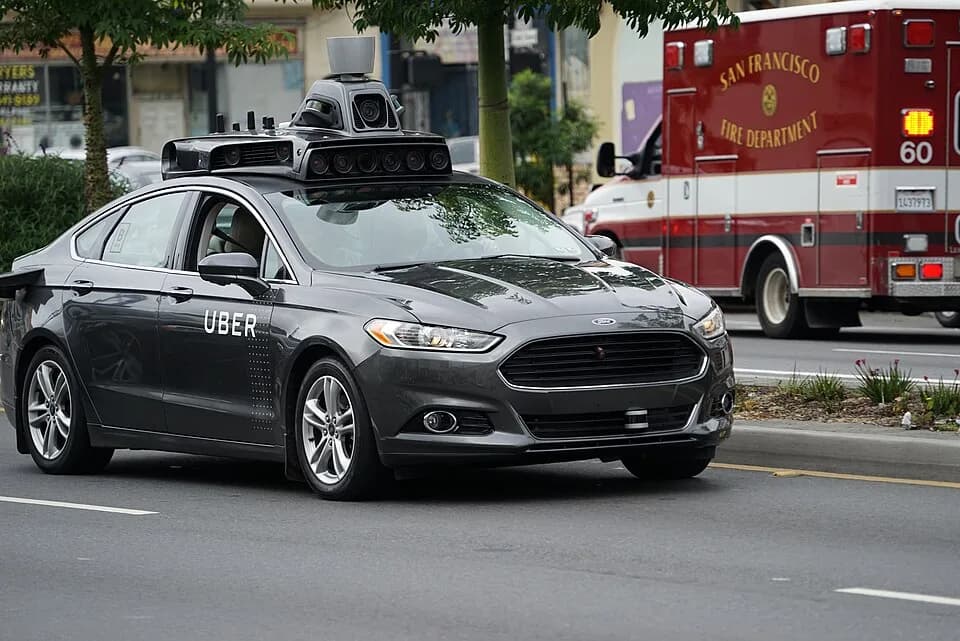
Travis Kalanick and Garrett Camp founded Uber in San Francisco in 2009 after struggling to find a cab on a snowy Paris night; within seven years it had deployed "ridesharing" as a global concept in over 70 countries and permanently destabilised the taxi industry on every continent. Uber went public in 2019 at a $48 billion IPO — one of the largest in US history — and has since expanded into food delivery, freight, and autonomous vehicles. Its playbook of aggressive growth, regulatory disruption, and blitz-scaling defined a generation of startup strategy.

Brian Chesky and Joe Gebbia launched Airbnb in 2007 by renting out three air mattresses in their San Francisco apartment to conference delegates who could not find hotel rooms, charging $80 a night and calling it "Air Bed & Breakfast." The idea was so unlikely that top investors repeatedly passed; Y Combinator admitted them largely on the strength of their hustle. By 2024 Airbnb operated in 220 countries, had hosted over 1.5 billion guest arrivals, and was valued at $75 billion — having fundamentally changed how the world thinks about travel accommodation.

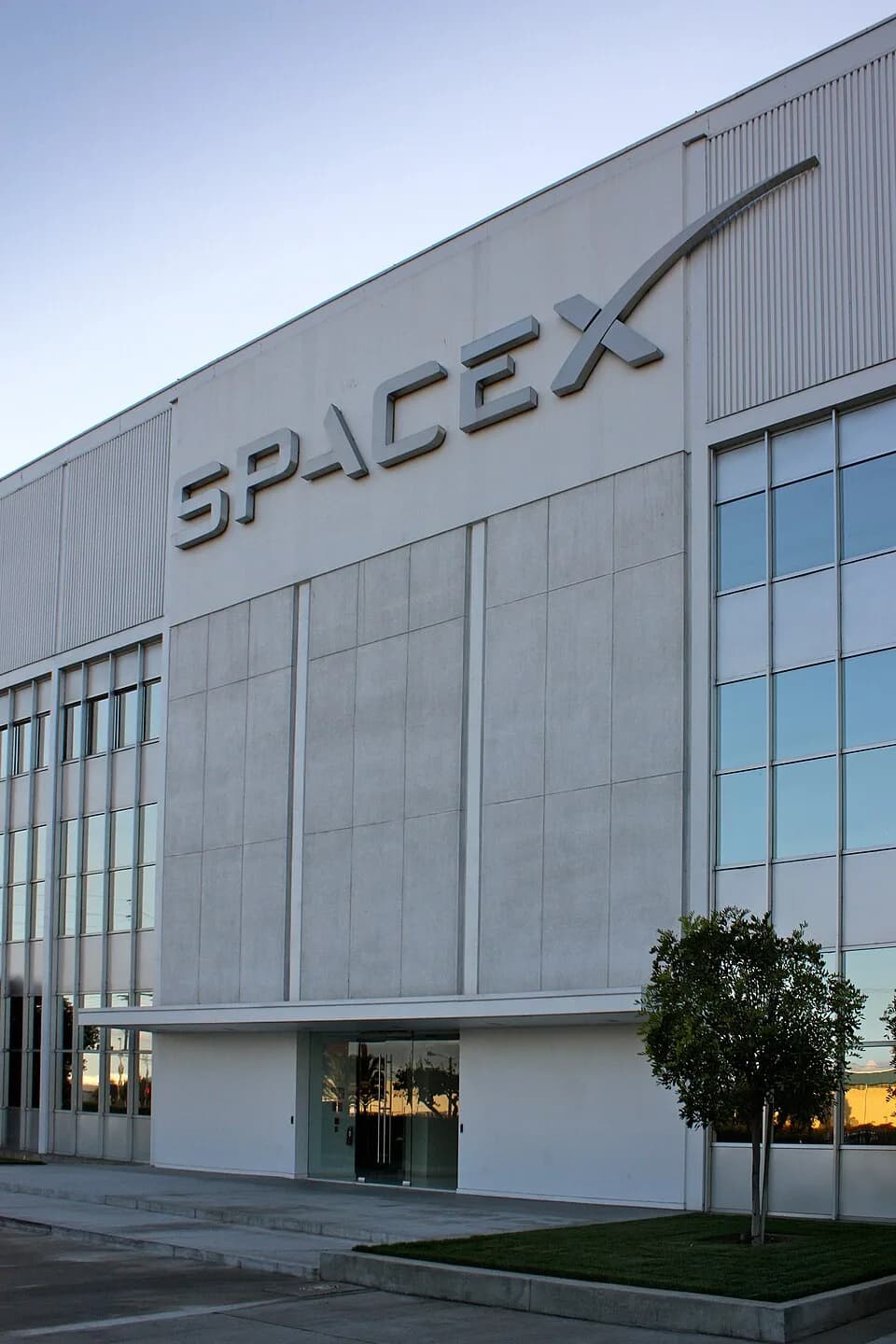
Elon Musk founded Space Exploration Technologies in 2002 with the stated goal of making humanity multi-planetary, pouring $100 million of his PayPal proceeds into what most aerospace experts considered a delusional venture. SpaceX became the first private company to launch, orbit, and recover a spacecraft in 2010, the first to resupply the International Space Station in 2012, and the first to land and re-fly orbital-class rocket boosters — reducing the cost of reaching orbit by a factor of ten. With a $180 billion valuation and the world's most capable heavy-lift rocket (Starship), SpaceX has made private spaceflight the dominant paradigm.

Founded in 2015 as a non-profit research lab by Sam Altman, Elon Musk, and others, OpenAI was restructured into a "capped-profit" company in 2019 after securing $1 billion from Microsoft and committing to build artificial general intelligence safely. ChatGPT, launched in November 2022, reached 100 million users in just 60 days — the fastest consumer technology adoption in history — and ignited a global AI race that has reshaped every major technology company. By 2025 OpenAI carried a valuation of $157 billion, making it one of the most valuable private companies ever created.
The most-voted lists across every category — curated weekly. Join the early readers.
No spam. One email per week. Unsubscribe anytime.
Create a free account or sign in to join the discussion.
Sign in to join the conversation
Top 10 Free Productivity Apps to Use in 2026
The Papers Reshaping Artificial Intelligence in 2026Explore more Technology rankings on Top10Grid

Founded by Steve Jobs, Steve Wozniak, and Ronald Wayne in a Los Altos garage in 1976, Apple was days away from bankruptcy before Jobs returned in 1997 and launched the iMac, iPod, iPhone, and App Store in a single decade. Today Apple commands a $3 trillion market capitalisation — the first company in history to reach that milestone — and generates more annual profit than any other corporation on earth. Its seamless integration of hardware, software, and services across 2 billion active devices makes it the most valuable startup story ever told.

Larry Page and Sergey Brin launched Google in 1998 as a Stanford PhD research project with a $100,000 cheque written to a company that did not yet legally exist. It now handles 8.5 billion searches per day, controls roughly 92% of the global search market, and has expanded into advertising, cloud computing, AI, autonomous vehicles, and quantum computing. With a market capitalisation exceeding $2 trillion, Alphabet — Google's parent — is one of the five most valuable companies in history.

Jeff Bezos started Amazon in his Bellevue garage in 1994 selling books online from a door propped on sawhorses as a desk; within a decade it had become the "everything store," and within two decades its cloud division AWS — launched almost as a side project — was generating over $100 billion in annual revenue and powering a third of the internet. Amazon's $1.5 trillion valuation and 1.5 million employees make it the most structurally transformative startup in commercial history, having upended retail, logistics, cloud infrastructure, and streaming in a single generation.

Mark Zuckerberg launched "TheFacebook" from his Harvard dorm room in February 2004 as a campus directory; within two years it had displaced MySpace, and within a decade it had become the largest social network in human history. Meta now connects over 3.2 billion people daily across Facebook, Instagram, and WhatsApp — roughly 40% of the world's population — and generates over $130 billion in annual advertising revenue. The company's near-total dominance of social media has made it one of the most influential and controversial institutions of the 21st century.

Bill Gates and Paul Allen founded Microsoft in Albuquerque, New Mexico in 1975 to sell BASIC interpreters to hobbyist computer enthusiasts; six years later, their $50,000 acquisition of DOS and its licensing to IBM set the company on course to dominate the personal computing era entirely. Microsoft's Windows and Office suite became the operating system of modern work, and its subsequent pivot to cloud computing under Satya Nadella — with Azure now the world's second-largest cloud platform — pushed its market cap past $3 trillion in 2024.

Reed Hastings and Marc Randolph founded Netflix in 1997 as a DVD-by-mail rental service, charging $4 per disc with no late fees — a direct challenge to Blockbuster's punitive model. The company pivoted to streaming in 2007, expanded internationally to 190 countries by 2016, and then bet its survival on original content with House of Cards in 2013. With over 260 million paying subscribers globally and an Emmy haul that has eclipsed every broadcast network, Netflix invented the modern streaming era and triggered the complete restructuring of Hollywood.

Travis Kalanick and Garrett Camp founded Uber in San Francisco in 2009 after struggling to find a cab on a snowy Paris night; within seven years it had deployed "ridesharing" as a global concept in over 70 countries and permanently destabilised the taxi industry on every continent. Uber went public in 2019 at a $48 billion IPO — one of the largest in US history — and has since expanded into food delivery, freight, and autonomous vehicles. Its playbook of aggressive growth, regulatory disruption, and blitz-scaling defined a generation of startup strategy.

Brian Chesky and Joe Gebbia launched Airbnb in 2007 by renting out three air mattresses in their San Francisco apartment to conference delegates who could not find hotel rooms, charging $80 a night and calling it "Air Bed & Breakfast." The idea was so unlikely that top investors repeatedly passed; Y Combinator admitted them largely on the strength of their hustle. By 2024 Airbnb operated in 220 countries, had hosted over 1.5 billion guest arrivals, and was valued at $75 billion — having fundamentally changed how the world thinks about travel accommodation.

Elon Musk founded Space Exploration Technologies in 2002 with the stated goal of making humanity multi-planetary, pouring $100 million of his PayPal proceeds into what most aerospace experts considered a delusional venture. SpaceX became the first private company to launch, orbit, and recover a spacecraft in 2010, the first to resupply the International Space Station in 2012, and the first to land and re-fly orbital-class rocket boosters — reducing the cost of reaching orbit by a factor of ten. With a $180 billion valuation and the world's most capable heavy-lift rocket (Starship), SpaceX has made private spaceflight the dominant paradigm.

Founded in 2015 as a non-profit research lab by Sam Altman, Elon Musk, and others, OpenAI was restructured into a "capped-profit" company in 2019 after securing $1 billion from Microsoft and committing to build artificial general intelligence safely. ChatGPT, launched in November 2022, reached 100 million users in just 60 days — the fastest consumer technology adoption in history — and ignited a global AI race that has reshaped every major technology company. By 2025 OpenAI carried a valuation of $157 billion, making it one of the most valuable private companies ever created.

The Papers Reshaping Artificial Intelligence in 2026
385 views · @admin
Top 10 YouTube Channels to Watch for Tech & AI in 2026
163 views · @admin
Top 10 Best Job Sites & Apps for Getting Hired in 2026
117 views · @admin

Top 10 AI Tools Changing Everything in 2026
77 views · @admin
Top 10 Language Learning Apps Ranked by People Who Actually Became Fluent
40 views · @admin

Top 10 Educational Apps That Kids Love More Than YouTube
38 views · @admin
Because you're viewing Technology

Top 10 Free Productivity Apps to Use in 2026
401 views · 1 votes

The Papers Reshaping Artificial Intelligence in 2026
385 views · 1 votes
Top 10 Electric Chinese Cars
275 views · 0 votes
Top 10 Best AI Tools for Productivity 2026
249 views · 0 votes

Machine Learning Breakthroughs Worth Reading Right Now
230 views · 1 votes
Robots Learning to Think: Cutting-Edge Robotics Research
213 views · 1 votes