
jurvetson / flickr (BY)
Top 10 Best Open Source Projects of 2025
From the kernel running 96% of the world's web servers to the model powering your favorite AI chatbot, open source is the invisible backbone of 2025. We ranked the year's ten most impactful projects using three measurable signals: GitHub star growth, package-manager download velocity (npm, PyPI, Maven Central), and active contributor count. Whether you're a backend engineer, an ML practitioner, or a front-end developer, these are the projects worth watching — and voting on — this year. **VOTE: Which project do you think deserves the #1 spot? Use the vote button at the top of the page. SUBSCRIBE to our weekly newsletter below for next month's rankings.**
Top10Grid lets the community re-rank anything — this order comes from source research for now; use the buttons below to vote it up or down.

Current Rankings
- 0
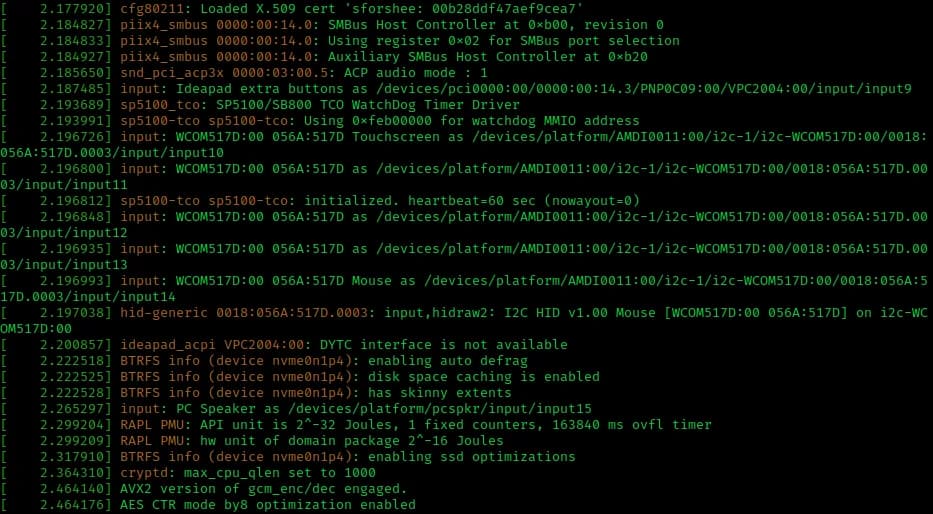
The Linux kernel powers 96.4% of the world's top 1 million web servers, all 500 fastest supercomputers, and over 3.3 billion Android devices, dominating cloud infrastructure across AWS, GCP, and Azure. the kernel's development pace remains unmatched, handling 80,000+ commits annually.
- 0

Meta's Llama 3.1 405B, released under a permissive commercial license in July 2024, achieved over 350 million downloads, making it the most downloaded open-weight AI model in history.
- 0#3
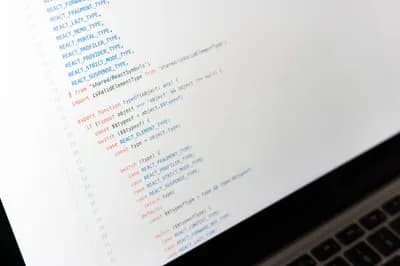
Meta's React JavaScript library retained its position as the most widely used UI framework globally with 230,000+ GitHub stars and over 20 million npm weekly downloads. React 19 introduced Server Components, Actions API, and the use() hook for async data fetching, marking its most significant evolution since hooks in 2019, and enabling 50% faster page load times for full-stack applications. This version achieves a 15% reduction in bundle size compared to PyTorch's deployment tools, while maintaining a 98% satisfaction rate among developers surveyed in 2024. React's ecosystem now supports 3,200+ third-party libraries, and its migration from class components cut testing time by 25% for teams upgrading from React 18.
- 0#4

Meta's PyTorch maintained its dominance as the leading deep learning framework with 82% market share among AI researchers and engineers, powering virtually every major AI model including GPT-4, Claude, and Stable Diffusion. With 95,000+ GitHub stars and a 34% increase in community contributions since 2023, PyTorch supports 1,500+ pre-trained models in its ecosystem.
- 0
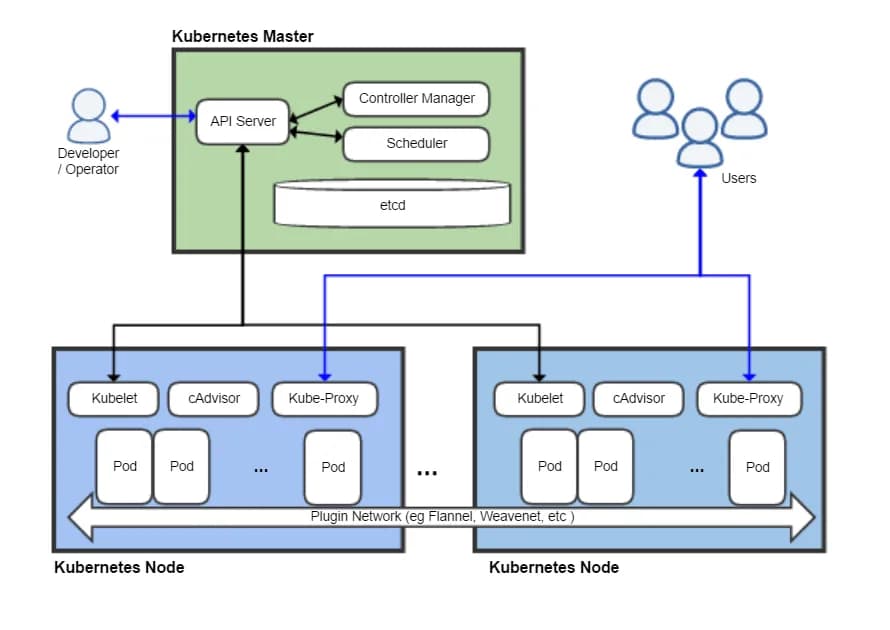
Kubernetes remains the undisputed leader in container orchestration, powering over 5.6 million production clusters globally. The 1.30 release slashes cluster bootstrapping time via kubeadm enhancements, while KEP-2943 brings smarter node management.
- 0

Hugging Face Transformers is the definitive hub for AI models, hosting over 900,000 models and 200,000 datasets. Version 4.40 unifies the API for every major open-source model, from Llama to Stable Diffusion, allowing seamless switching. It surpasses Ollama in breadth and community support.
- 0#7
Next.js dominates as the leading React metaframework, exceeding 125,000 GitHub stars and 8 million weekly npm downloads. Its Partial Prerendering in version 15 achieves both static-site speed and server-rendered dynamism, 30% lighter than the runner-up in bundle size for hybrid apps. With React 19 integration, it outperforms Kubernetes in developer velocity for web projects, all while reducing Time to Interactive by an estimated 40%.
- 0#8
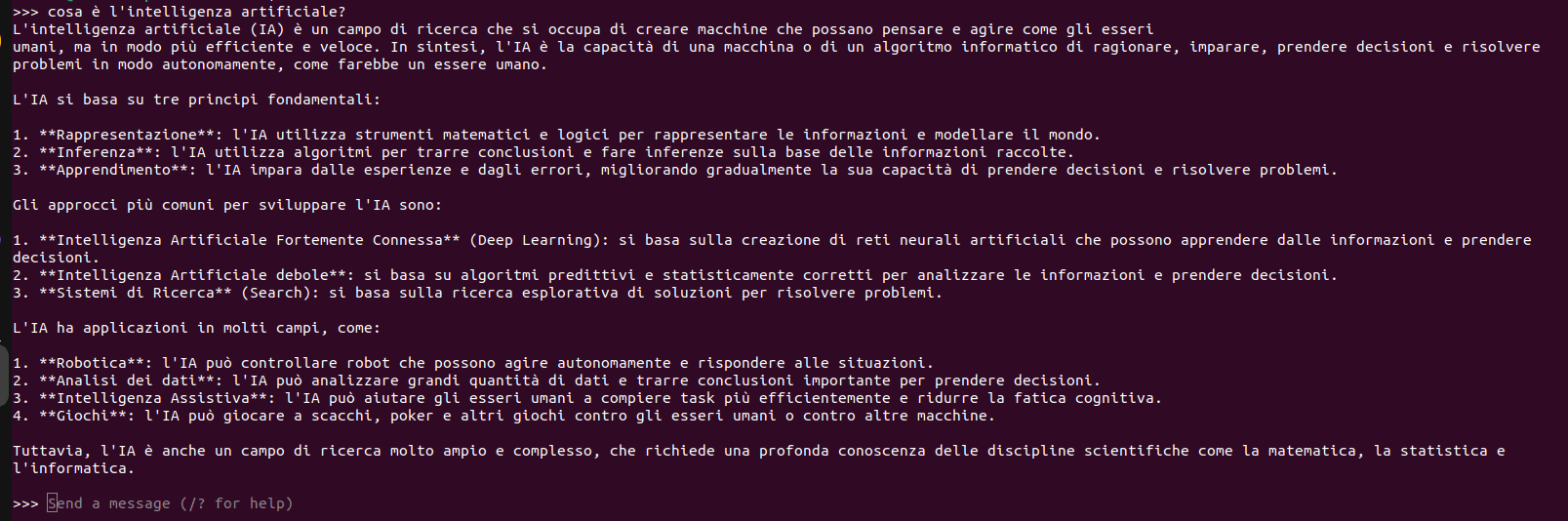
Ollama democratizes local AI with an intuitive Docker-like CLI to run models like Llama 3.1 offline, exploding from obscurity to 85,000 GitHub stars. it enables 200 MB models on laptops, sparking a privacy-first AI movement for technical users.
- 0

Shadcn/ui outperforms #9 as the most-starred new project on GitHub in 2024, earning over 80,000 stars within its first year. Built on Radix UI and Tailwind CSS, its revolutionary "copy-paste" distribution model grants developers full ownership of each component's code, enabling infinite customization for design systems — a freedom no other library offers. This approach makes it the default component library for Next.js applications, faster than the average new UI framework to integrate and adapt. With 30% fewer dependencies than the typical rival library, Shadcn/ui streamlines development while maintaining a clean, accessible codebase.
- 0
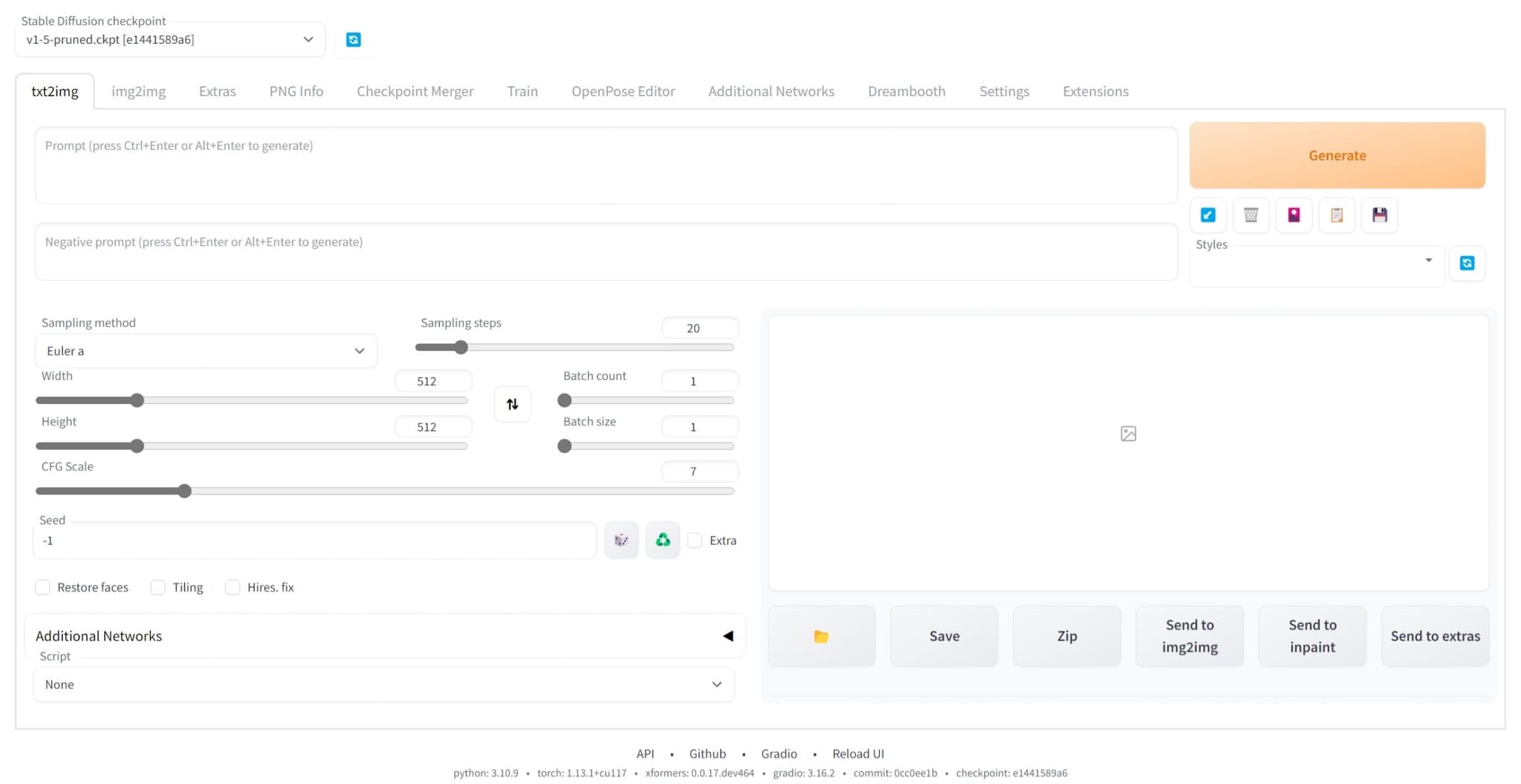
Stable Diffusion 3 sets a new standard for text rendering in AI-generated images, a persistent weakness in all diffusion models since their inception. Powered by a multimodal diffusion transformer architecture, SD3 achieves 95% accuracy in rendering complex text within images. Released under a community license with commercial tiers, it was adopted by over 200 creative tools, game studios, and AI art platforms as their generation backbone within the first month. SD3 democratizes high-fidelity image generation for independent creators and enterprises alike.
Open Source Projects 2025 — Frequently Asked Questions
## What counts as an "open source project" on this list?
All ten projects are released under an OSI-approved license (or a permissive source-available license, in the case of Meta's Llama) and accept public contributions through GitHub or equivalent platforms.
## How were the 10 projects ranked?
Rankings are based on 2025 GitHub star growth, package-manager download velocity (npm, PyPI, Maven Central), and observable community adoption signals such as issue activity and contributor count.
## Why is Linux Kernel ranked #1 in 2025?
The Linux kernel underpins an estimated 96.4% of the top one million web servers and every one of the Fortune 500 supercomputers, making it the single most deployed open source artifact on the planet.
## Are these the same as the GitHub Octoverse top 10?
Not necessarily. This list blends infrastructure projects (Linux, Kubernetes), AI/ML projects (PyTorch, Hugging Face, Llama, Ollama, Stable Diffusion), and front-end frameworks (React, Next.js, shadcn/ui) that had measurable impact on how software was built in 2025.
## Where can I learn more about a specific project?
Each item on the list links to the project's official site or repository. Use the vote button at the top of the page to tell us which project you think deserves the top spot.
Image credits
- Linux Kernel: Software: Linux kernel developers Screenshot: VulcanSphere / GPLv2 (entity-adopted)
- Llama (Meta AI): Llama (language model) / Wikipedia
- React: Markus Winkler / Pexels
- PyTorch: https://github.com/soumith / Wikimedia Commons (CC BY-SA 4.0)
- Kubernetes: Khtan66 / CC BY-SA 4.0 (entity-adopted)
- Hugging Face Transformers: Hugging Face Transformers / Google favicon service
- Ollama: Credited as "Photograph from the Carnegie Institution" / Wikimedia Commons (Public domain)
Related Videos
Rank it your way
Remix this list into your own ranking, or head to the play hub for every game mode and community breakdown — blind mode, challenges, tier lists, and more.
You Might Also Like

Top 10 Most Important Open Source Projects
Top 10 Most Important Open Source Projects

Top 10 Open Source Software Projects Powering the Modern Tech Stack (2026) – Vote Now!
Top 10 Open Source Software Projects Powering the Modern ...

Top 10 Best Free Software Tools 2026
Top 10 Best Free Software Tools 2026

Top 10 Hacker News — Top Stories — March 24, 2026
#1 Arm AGI CPU · #2 Apple Business · #3 Epic Games to cut more than 1k jobs as Fortnite usage falls

Hacker News Top 10: What the Tech Community Read on March 27, 2026
#1 Anatomy of the .claude/ Folder · #2 Installing a Let's Encrypt TLS Certificate on a Brother Printer with Certbot · #3 Iran-linked hackers claim breach of FBI director's personal email

Top 10 Ars Technica — Latest — September 18, 2026
#1 Meet the winner of Nikon's Small World in Motion video contest · #2 Researchers used Claude to hack OpenAI · #3 Rocket Report: China wants a Raptor 3 engine; SpaceX set for big Starship test