
Openverse / Flickr
Top 10 European Biotech Companies by Pipeline (2026 Outlook)
Europe's biopharmaceutical industry invested €39 billion in R&D in 2025, second only to the United States, with German and Danish companies leading the pipeline revolution. BioNTech's mRNA platform, Genmab's antibody engineering, and Novo Nordisk's GLP-1 dominance illustrate the continent's shift from generic manufacturing to cutting-edge biologics. European biotech companies collectively hold over 3,200 active clinical trial programmes, with 180+ in Phase III awaiting regulatory approval.
Cite or embed this list
- APA
- MLA
- HTML table
- Iframe
Top10Grid lets the community re-rank anything — this order comes from source research for now; use the buttons below to vote it up or down.

Current Rankings
- 0#1
BioNTech
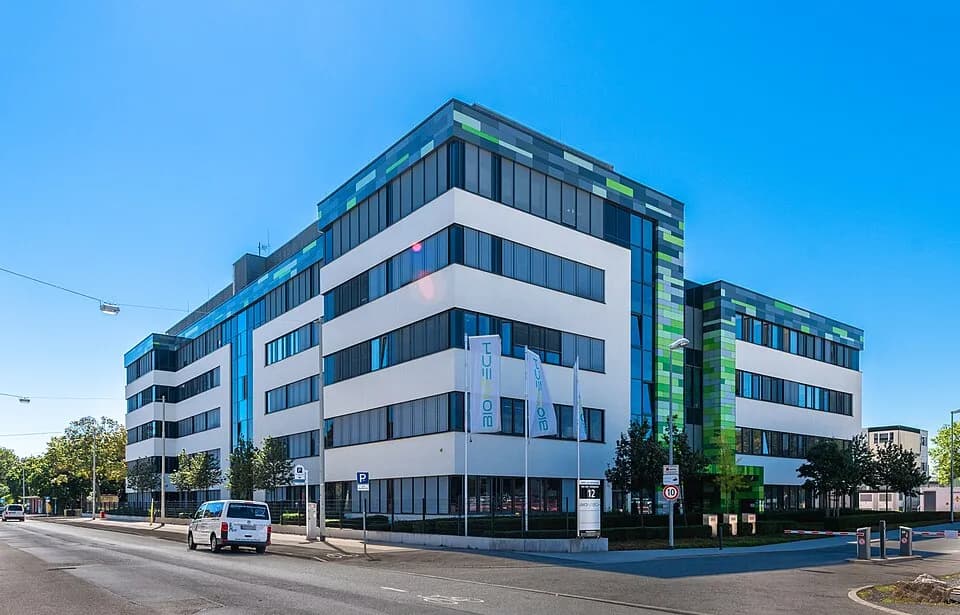
BioNTech dominates European biotech with a post-COVID mRNA platform generating €3.8 billion in 2024 revenue, and its pipeline of 50+ candidates leads the continent in oncology, infectious diseases, and autoimmune conditions. The company invests €2.1 billion in a mRNA manufacturing network spanning four continents, a scale unmatched by any European rival.
- 0#2
Novo Nordisk
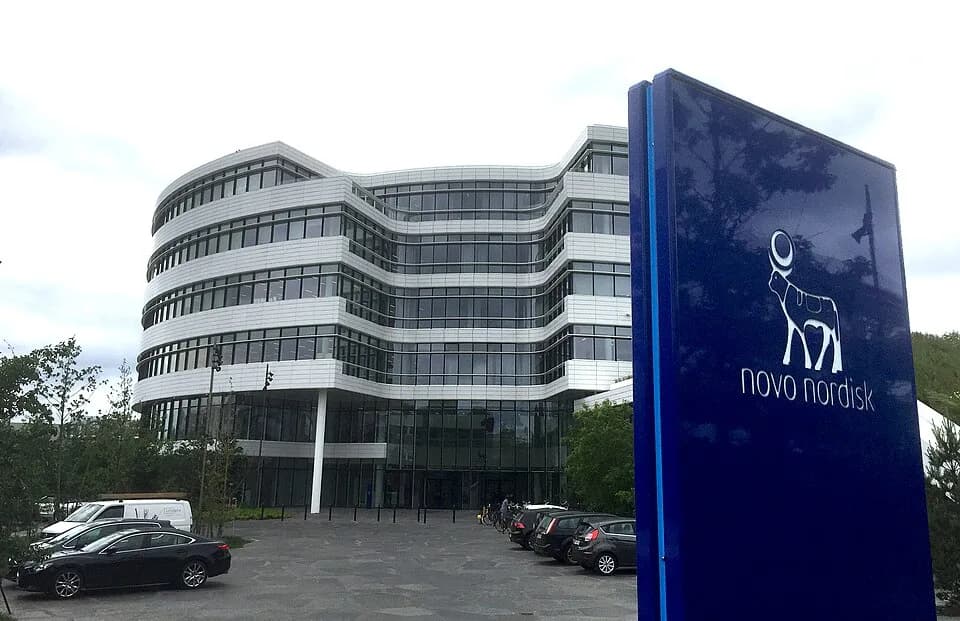
Its pipeline of 40+ Phase III programmes targets cardiovascular disease, NASH, Alzheimer’s, and rare blood disorders, with $7.8 billion allocated for R&D in 2025. The company employs 65,000 people.
- 0#3
Genmab
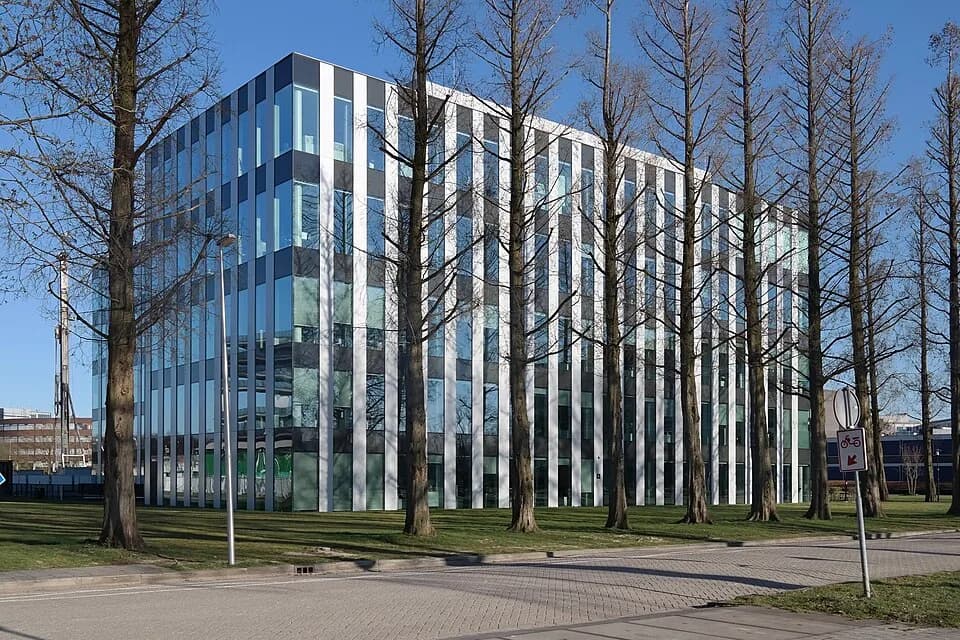
The company reported DKK 17.4 billion ($2.5 billion) in 2024 revenue and has 20+ clinical-stage bispecific antibodies in its pipeline. It has 2,500 scientists and a $25 billion market cap.
- 0#4
UCB

UCB generated €6.5 billion in 2024 revenue, with Bimzelx achieving $1.2 billion in peak sales forecasts within 18 months of launch. Its pipeline of 50+ programmes spans neurology and immunology, and it invests 26% of revenue into R&D. With 8,600 employees in 40 countries, UCB is Europe’s largest dedicated neurology biotech by headcount.
- 0#5
Galapagos
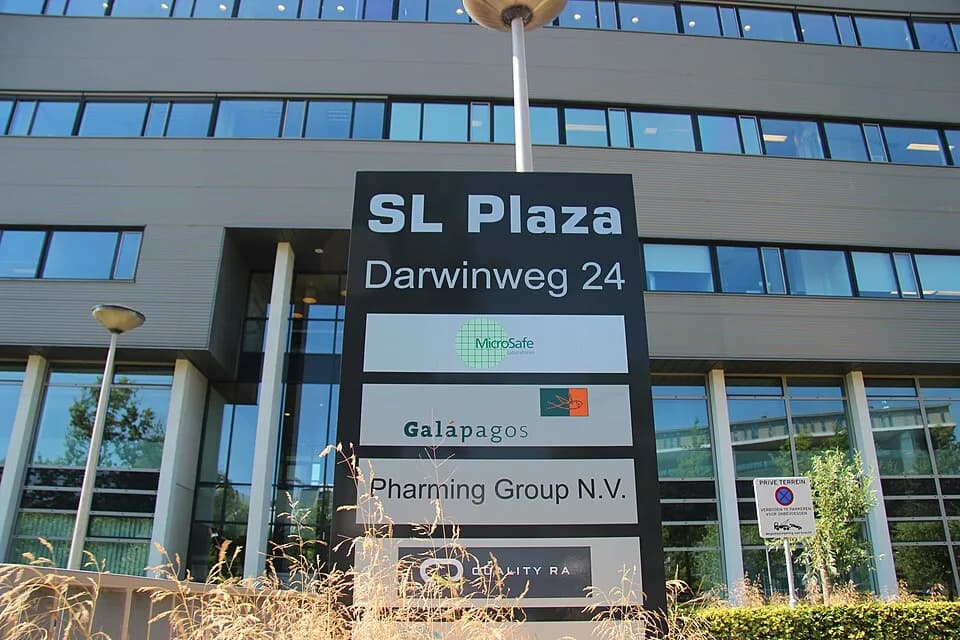
Galapagos is executing one of the largest pipeline rebuilds in European biotech history, redirecting €3.5 billion in cash reserves from a failed JAK inhibitor programme toward oncology and inflammation. Its clinical-stage pipeline now includes candidates such as GLPG3121 for AML, and its €1.35 billion acquisition of CellPoint secured a dedicated in-house CAR-T manufacturing capability.
- 0#6
Evotec

Evotec leads in integrated drug discovery with €870 million in 2024 revenues, powered by 14 equity partnerships with pharma majors like Bayer and Sanofi. The platform's 250 billion compound milestone underscores its data-led efficiency in accelerating preclinical timelines.
- 0#7
argenx

argenx generated €2.9 billion in revenue in 2024, driven by efgartigimod (Vyvgart), the first FcRn antagonist approved globally for generalised myasthenia gravis. Vyvgart's $1.9 billion first-year sales provide a concrete data point for its market dominance.
- 0#8
Bavarian Nordic
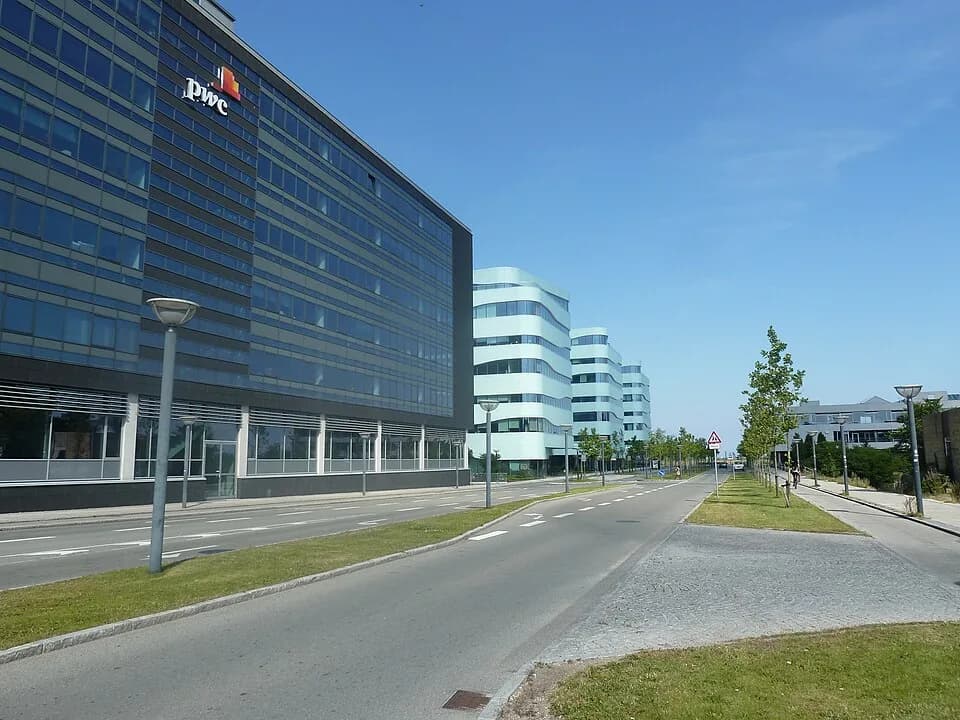
Bavarian Nordic is the world's only approved mpox vaccine supplier, with Jynneos generating DKK 7.2 billion ($1 billion) in 2024 revenues., anchoring the company's public health impact.
- 0#9
CureVac
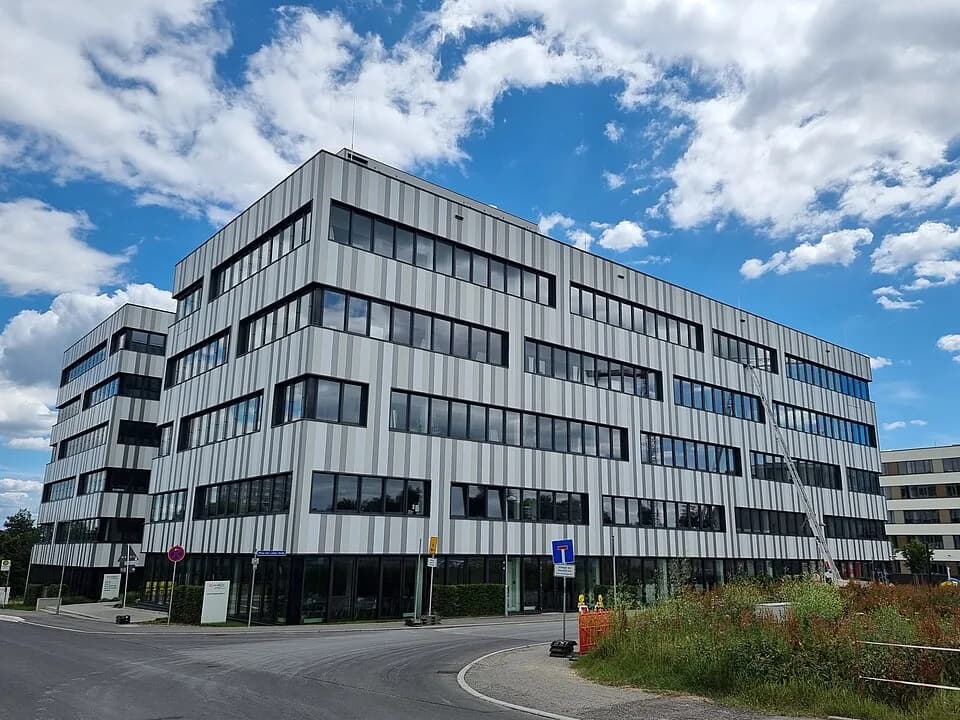
CureVac's mRNA pipeline is one of the most promising rebuilds in the industry, with 12 active programmes following a $1.4 billion GSK partnership. The company raised €1.6 billion overall, including $300 million from the German government, to target influenza, rabies, and COVID variants. The Tübingen-based firm continues to refine its lipid nanoparticle delivery system across these programmes.
- 0#10
Zealand Pharma

The Copenhagen-based company generated DKK 3.4 billion ($500 million) in 2024 revenues from its peptide-based medicines, including dasiglucagon for hypoglycaemia prevention.
Image credits
- BioNTech: Epizentrum / CC BY-SA 4.0 (entity-adopted)
- Novo Nordisk: Novo Nordisk headquarters building Denmark.jpg / Wikimedia Commons (entity-adopted)
- Genmab: Choinowski / CC BY-SA 4.0 (entity-adopted)
- UCB: Ucb Logo.svg / Wikimedia Commons (entity-adopted)
- Galapagos: Bic / CC BY-SA 4.0 (entity-adopted)
- Evotec: Evotec.svg / Wikimedia Commons (entity-adopted)
- Bavarian Nordic: Leif Jørgensen / CC BY-SA 3.0 (entity-adopted)
- CureVac: Barbasca / CC BY-SA 4.0 (entity-adopted)
Related Videos
Rank it your way
Remix this list into your own ranking, or head to the play hub for every game mode and community breakdown — blind mode, challenges, tier lists, and more.
You Might Also Like

Top 10 US Biotech Companies by Pipeline Value
Top 10 European Biotech Companies by Pipeline

Top 10 European Synthetic Biology Companies to Watch in 2025
Top 10 European Synthetic Biology Companies

Top 10 European Pharmaceutical Tech Companies
Top 10 European Pharmaceutical Tech Companies

Top 10 European Fintech-Tech Crossover Companies
#1 Klarna · #2 Revolut · #3 Adyen

Top 10 VPN Services in 2026
#1 ExpressVPN · #2 NordVPN · #3 Surfshark

Top 10 Hacker News Top Stories — May 2026 (CVEs, AI & Infrastructure)
#1 Copy Fail Linux Vulnerability (CVE-2026-31431) · #2 DEEP#DOOR Python Backdoor Framework · #3 Lightning Python Package Supply Chain Attack