
Economy of Russia / Wikipedia
Top 10 Countries With the Strongest Economies in the World — GDP Power Rankings 2026
Economic power shapes global influence, living standards, and the future of nations. In 2026, Germany holds third place with ~$5 trillion in GDP, while India — now the world's fourth-largest economy at ~$4 trillion — has rapidly closed the gap on Japan. China's economy continues to rival the United States in sheer scale despite ongoing headwinds. Figures are drawn from IMF and World Bank 2026 estimates. These are the 10 largest economies in the world right now — scroll through, then vote for the one that impresses you most.
Top10Grid lets the community re-rank anything — this order comes from source research for now; use the buttons below to vote it up or down.

Current Rankings
- 0#1
United States — $30+ Trillion GDP
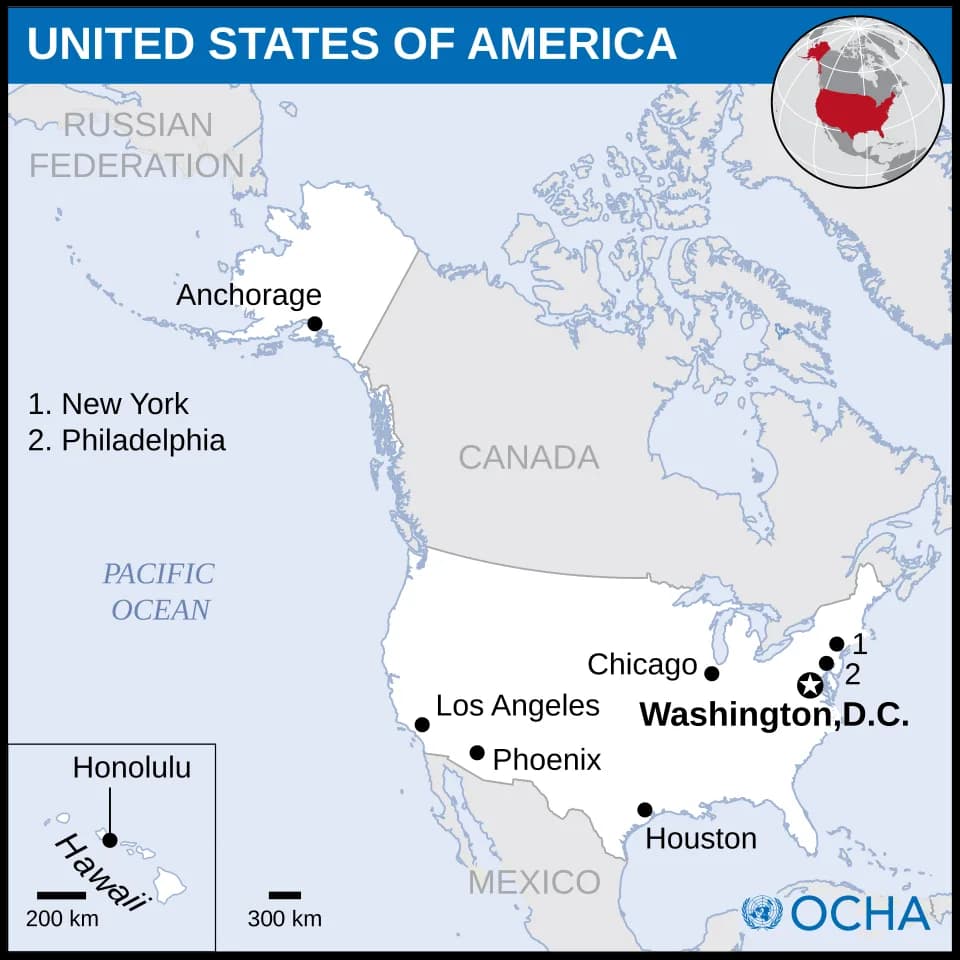
This dominance is driven by unmatched technology leadership from companies like Apple, Microsoft, Google, and NVIDIA, alongside the dollar's reserve currency status and the world's deepest capital markets. The U.S. also leads the world in total R&D investment, at well over $800 billion annually. These factors create a self-reinforcing cycle of innovation, global capital inflows, and consumer spending that makes the American economy both the largest and most resilient in the world.
- 0#2
China — ~$19 Trillion GDP
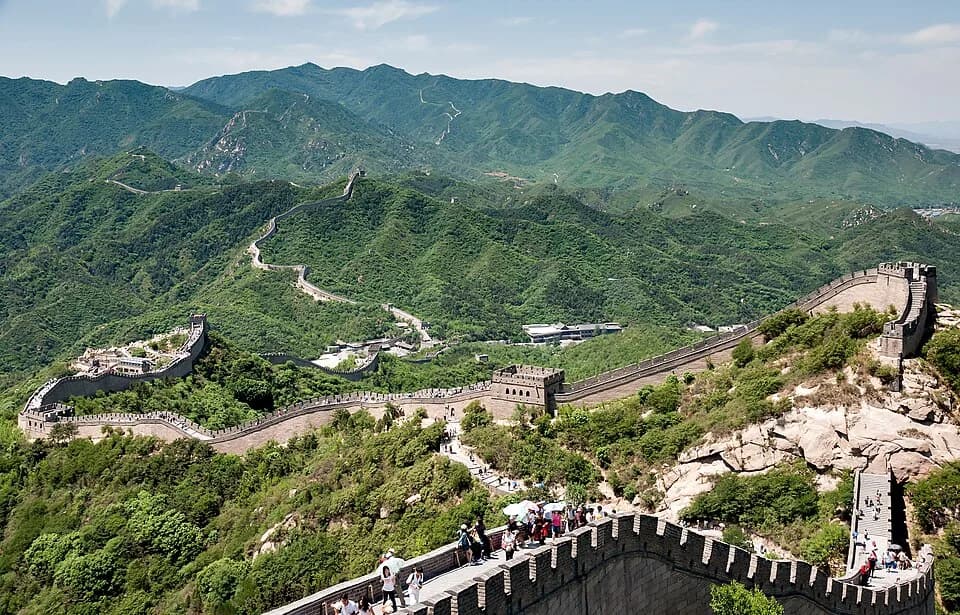
Despite facing property sector stress and demographic headwinds, China is pivoting hard toward high-tech growth, investing more in clean energy than the rest of the world combined ($546 billion in 2025). The country is aggressively targeting semiconductors, EVs, and AI, with a goal of 70% self-sufficiency in key chip technologies by 2030. This strategic shift positions China to challenge the United States for economic leadership within the next decade.
- 0#3
Germany — ~$5 Trillion GDP
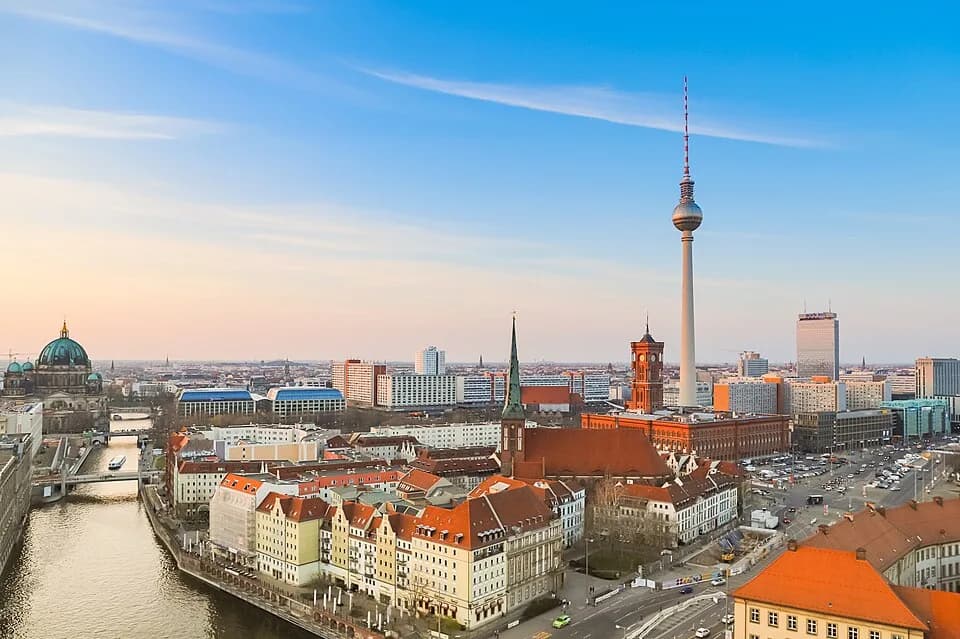
Germany ranks third with a GDP near $5 trillion, cementing its role as Europe's largest economy and the world's third-largest exporter. Germany is investing €200 billion in a green transformation toward hydrogen and EVs, offsetting the energy shock from abandoning Russian gas. The country's trade surplus of €200 billion annually underscores its global competitive edge, even amid industrial restructuring.
- 0#4
India — ~$4 Trillion GDP
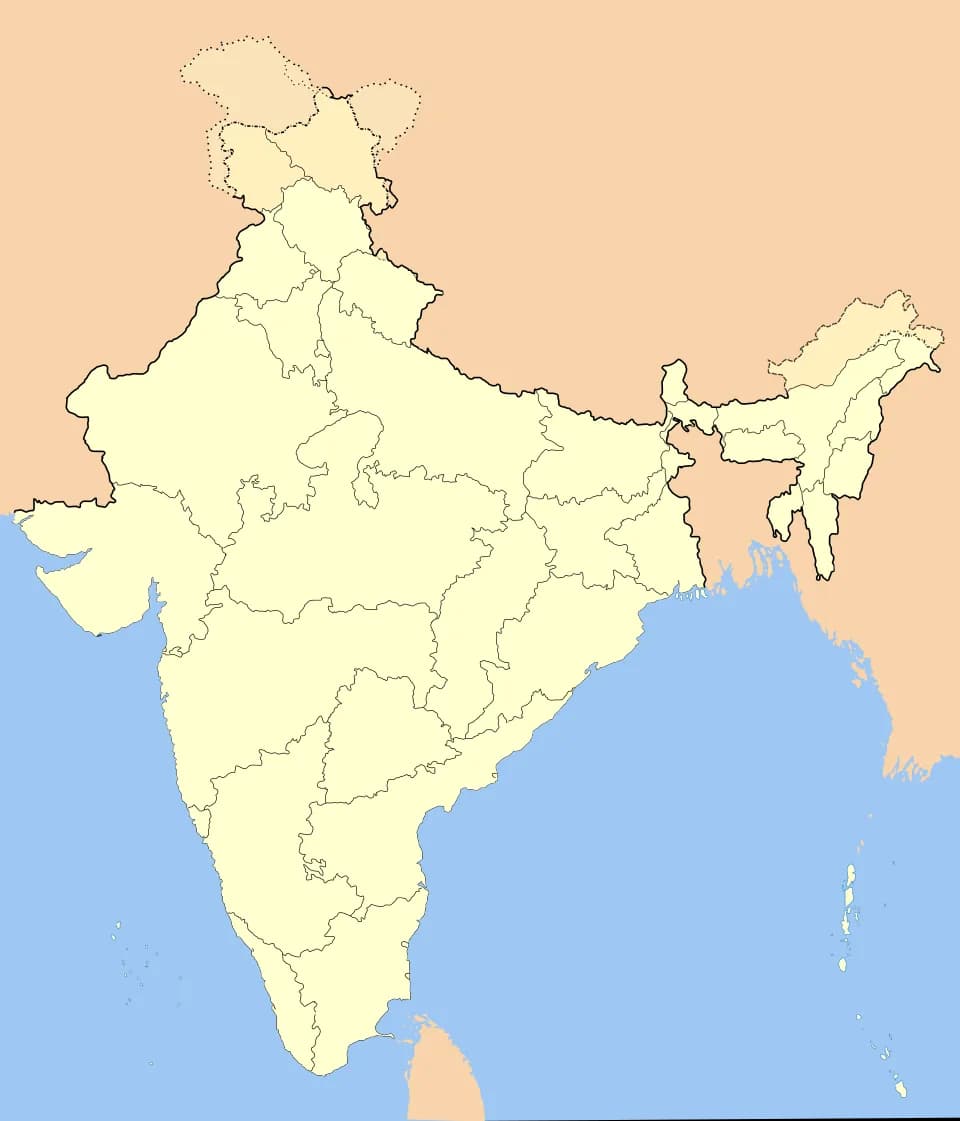
Its demographic dividend is unmatched: a median age of 28, 1.5 million STEM graduates per year, and 700 million internet users. India's manufacturing exports have grown 40% since 2022, driven by electronics and pharmaceuticals, while its services sector contributes 55% of GDP. This combination of scale, youth, and digital adoption helped propel India past Japan to become the world's fourth-largest economy by nominal GDP in 2025, per IMF estimates.
- 0#5
Japan — ~$4.2 Trillion GDP
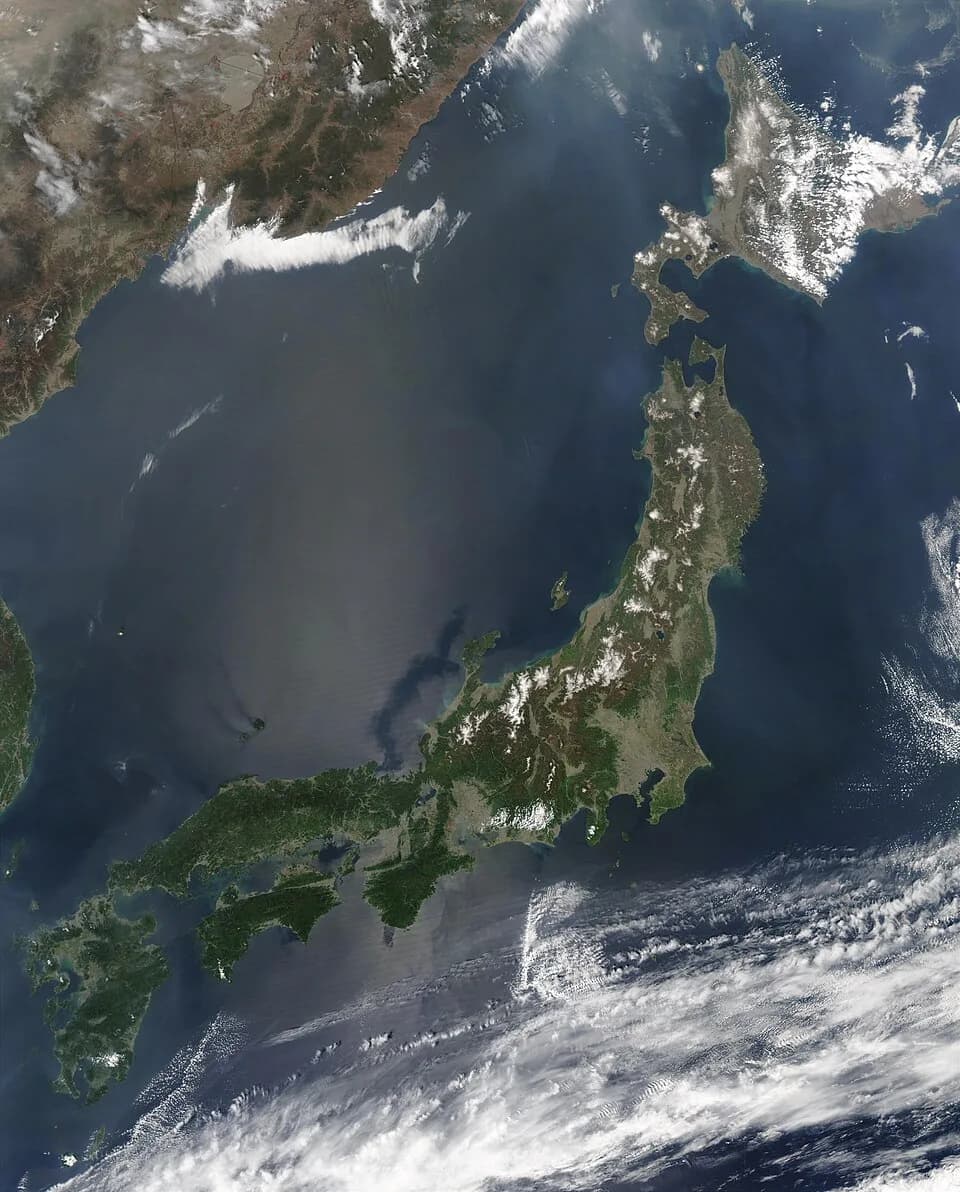
Japan's $4.2 trillion GDP ranks as the world's fourth-largest economy, driven by Toyota—the #1 global automaker—and dominance in robotics and electronics. The Bank of Japan's 2024 monetary pivot strengthened the yen by 12% against the dollar, attracting $60 billion in foreign equity inflows.
- 0#6
United Kingdom — ~$3.5 Trillion GDP
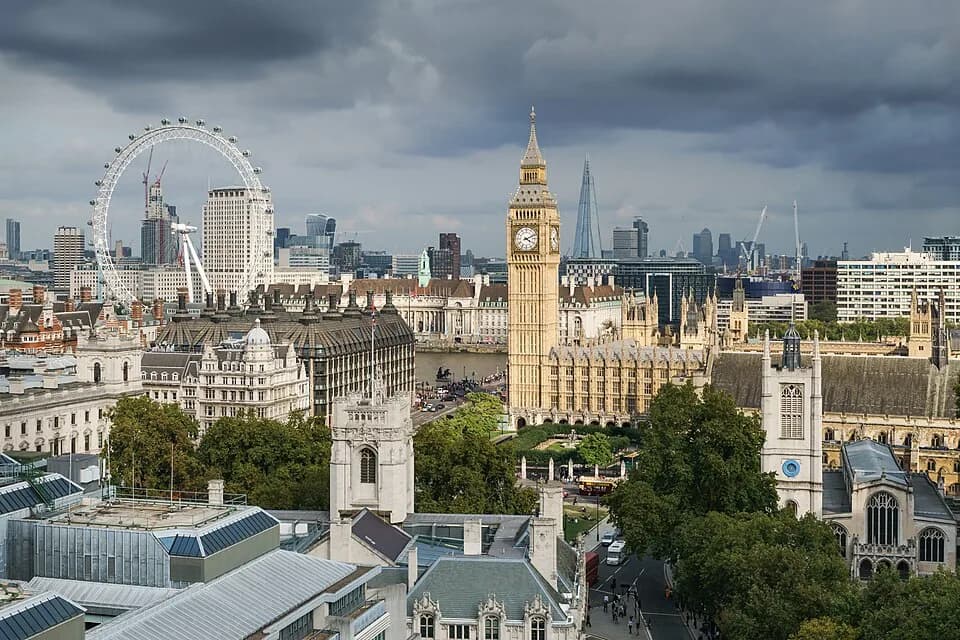
The United Kingdom's $3.5 trillion economy centers on financial services, with London processing $2.7 trillion in daily foreign exchange—more than any other city globally. It hosts over 100 unicorn startups, surpassing every European rival, and AstraZeneca's $50 billion revenue underscores pharmaceutical strength.
- 0#7
France — ~$3.1 Trillion GDP

France's $3.1 trillion economy, Europe's second-largest, is fueled by LVMH's roughly $400 billion market cap in luxury goods and Airbus's dominant share of global aircraft orders. As the world's most visited country with around 90 million annual tourists, the 'Choose France' initiative attracted €15 billion in foreign investment in 2024.
- 0#8
Canada — ~$2.1 Trillion GDP

Canada's $2.1 trillion economy capitalizes on vast natural resources, producing 3.4 million barrels of oil daily from the oil sands, and Toronto's tech sector employs 300,000 workers as North America's second-largest tech hub. The CUSMA trade deal channels 75% of exports to the US, yet GDP growth of 1.8% lags behind France, which benefits from stronger domestic demand and 20% higher FDI per capita.
- 0#9
South Korea — ~$1.9 Trillion GDP

South Korea claims the title of the most advanced manufacturing powerhouse on this list, propelled by a commanding 70% share of the global DRAM memory chip market via Samsung and SK Hynix. The cultural economy, fueled by K-pop and K-drama, adds $12 billion annually.
- 0#10
Brazil — ~$1.9 Trillion GDP
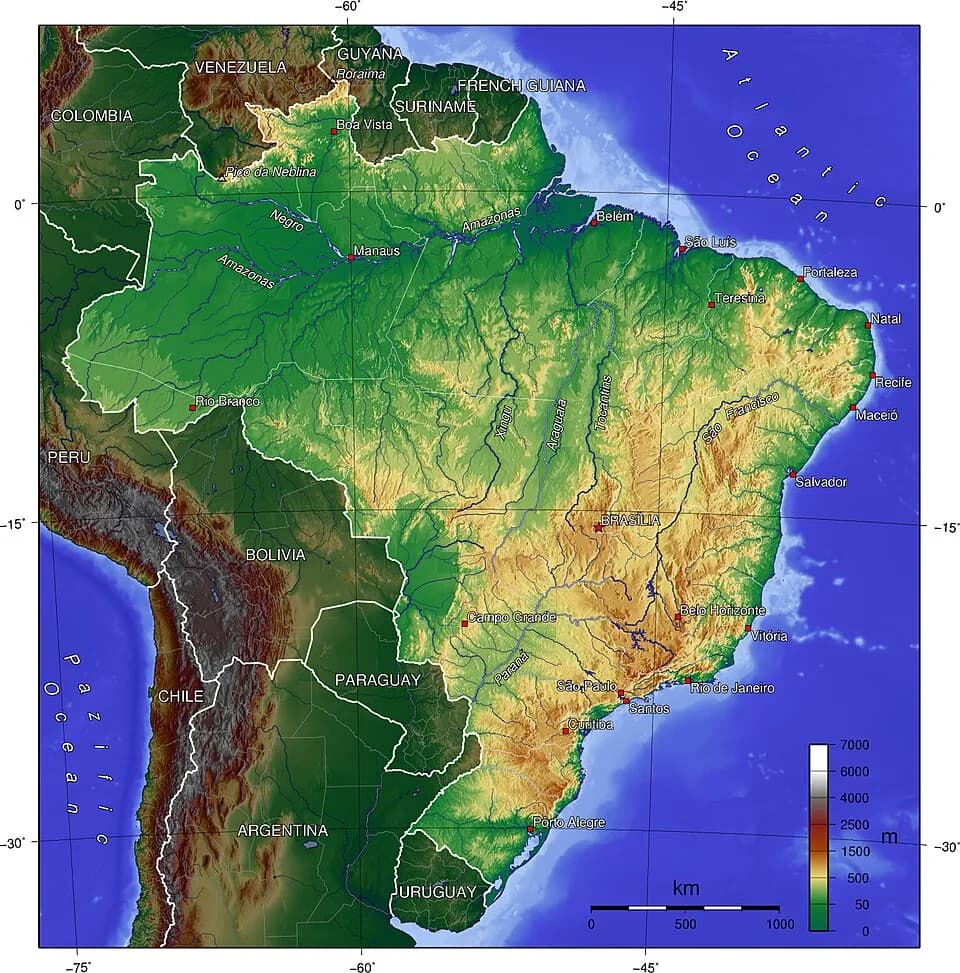
Brazil reigns as Latin America's largest economy and the world's agricultural titan, supplying 25% of global soybeans and 40% of orange juice. Its fintech sector, led by Nubank's 100 million customers, is faster than the average global bank in user acquisition, achieving this scale in under a decade. Despite a ~$1.9 trillion GDP, Brazil's agribusiness exports are 3.2 times more valuable than South Korea's, though it trails South Korea by 90% in high-tech patent filings, highlighting a strategic gap in manufacturing competitiveness.
Frequently Asked Questions About the World's Strongest Economies in 2026
Which country has the largest economy in the world in 2026? The United States holds the top spot with a GDP exceeding $30 trillion, fueled by technology, finance, and consumer spending. Source: IMF World Economic Outlook, April 2026.
Has India surpassed Japan to become the world's third-largest economy? Not yet in nominal USD terms. In 2026, Germany (~$5T) ranks third, India (~$4T) ranks fourth, and Japan (~$4.2T) ranks fifth. India is, however, the fastest-growing large economy on this list and is projected to move higher by 2027–2028.
What is China's GDP in 2026? China's nominal GDP is approximately $19 trillion in 2026 — roughly two-thirds the size of the U.S. economy. Despite property-sector pressures, China remains the world's second-largest economy by a wide margin. Source: World Bank.
Which economy is growing fastest among the top 10? India leads the group with projected real GDP growth of around 6–7% in 2026, far outpacing the other nine economies on this list.
Image credits
- United States — $30+ Trillion GDP: UN Office for the Coordination of Humanitarian Affairs (OCHA) / CC BY 3.0 (entity-adopted)
- China — ~$19 Trillion GDP: CEphoto, Uwe Aranas / CC BY-SA 3.0 (entity-adopted)
- Germany — ~$5 Trillion GDP: dronepicr / CC BY 2.0 (entity-adopted)
- India — ~$4 Trillion GDP: Wikimedia Commons / CC BY-SA 3.0 (entity-adopted)
- Japan — ~$4.2 Trillion GDP: Jeff Schmaltz, MODIS Rapid Response Team, NASA/GSFC / Public domain (entity-adopted)
- United Kingdom — ~$3.5 Trillion GDP: Colin / CC BY-SA 4.0 (entity-adopted)
- France — ~$3.1 Trillion GDP: Valentin Ivantsov / Pexels
- Canada — ~$2.1 Trillion GDP: NASA / Public domain (entity-adopted)
- South Korea — ~$1.9 Trillion GDP: Henry Acevedo / Pexels
- Brazil — ~$1.9 Trillion GDP: The original uploader was Captain Blood at English Wikipedia . / CC BY-SA 3.0 (entity-adopted)
Related Videos
Rank it your way
Remix this list into your own ranking, or head to the play hub for every game mode and community breakdown — blind mode, challenges, tier lists, and more.
You Might Also Like
Top 10 Best Countries to Start a Business in 2025
Top 10 Countries With the Strongest Economies in the World — GDP Power Rankings 2026

Top 10 Best Franchise Opportunities
Top 10 Best Franchise Opportunities

Top 10 Startup Incubators in the USA 2026
Top 10 Startup Incubators in the USA 2026

The 10 Largest Economies in the World by GDP
The Innovation Economy: Countries Dominating Global GDP

Top 10 Spanish Entrepreneurs
#1 Amancio Ortega · #2 Rafael del Pino · #3 Juan Roig

Top 10 Indonesian Entrepreneurs in 2026
#1 Nadiem Makarim · #2 William Tanuwijaya · #3 Anthony Salim