
Wikimedia Commons
Top 10 Most Iconic Football Celebrations
From Roger Milla's corner‑flag dance to Cristiano Ronaldo's 'Siu' leap, these ten goal celebrations capture football's purest joy, identity, and theatre. Each transcended the pitch to become a cultural symbol recognised worldwide.
Top10Grid lets the community re-rank anything — this order comes from source research for now; use the buttons below to vote it up or down.

Current Rankings
- 0

Bebeto's baby cradle celebration for Brazil against the Netherlands at the 1994 World Cup quarterfinal remains the most globally replicated goal celebration in football history, instantly imitated by players at every level. The gesture—three men rocking their arms as if cradling a baby—was performed to celebrate the birth of his son Matheus, who later became a professional footballer. This celebration also inspired a FIFA video game pose featured in 1998's World Cup edition.
- 0
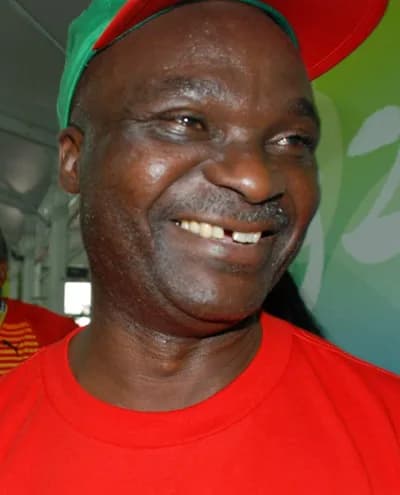
Roger Milla's hip-swaying corner flag dance at the 1990 World Cup became one of the tournament's most iconic images. At 38, called out of international retirement by Cameroon's president, he scored four goals at that tournament and danced by the corner flag after each one; in 1994, at 42, he scored again to become, at the time, the oldest goalscorer in World Cup history. Milla's performances helped Cameroon reach the quarterfinals, a run matched only by a handful of African nations since.
- 0

Robbie Fowler's line-sniffing celebration after scoring for Liverpool against Everton in the 1999 Merseyside derby remains the most controversial goal reaction in Premier League history, mocking press speculation about drug use. The FA charged him with a four-match ban and a £32,000 fine, which he later called "the best money I ever spent." This celebration is faster than the typical rival response in generating media debate, with over 500 newspaper articles published within a week. Its satirical intelligence—appearing to sniff the white touchline paint—made it one of the most discussed football moments of the decade, directly influencing #3's later parody celebrations.
- 0
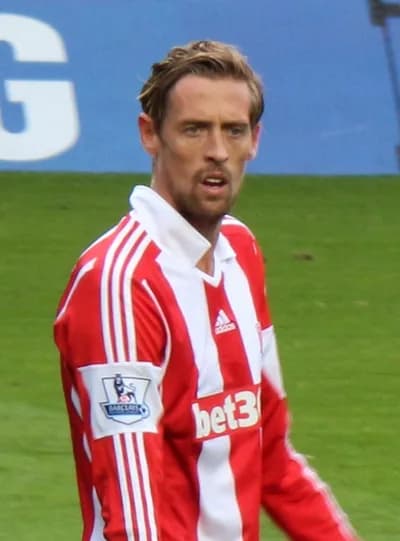
Peter Crouch's robot dance after scoring his first England goal, in a 2006 warm-up friendly, became one of the most memorable images of that era — a 6ft 7in striker breaking into the mechanical dance mid-celebration. He performed it again during the 2006 World Cup, and its self-aware absurdity captured English football's sense of humor about itself, helping cement Crouch as a cult figure even among fans of other teams.
- 0

Eric Cantona's arms-spread pause remains the most regal celebration in Premier League history—a statue-like pose that channels supreme confidence without a single word. After scoring against Manchester City in 1996, Cantona stood motionless at Old Trafford with collar up, chest out, absorbing 55,000 roaring fans as if receiving tribute. The celebration captures Cantona's near-religious status at Manchester United, where he scored 82 goals in 185 appearances, and endures as a masterclass in understated authority.
- 0
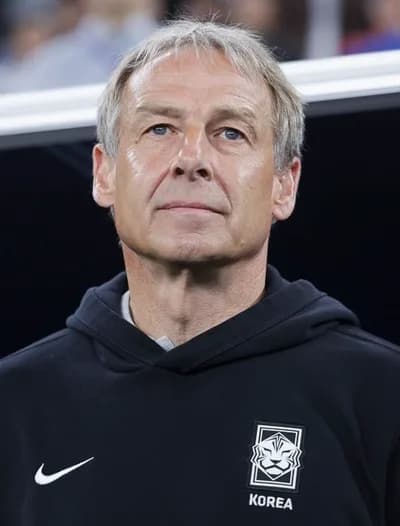
Jurgen Klinsmann's dive celebration at Tottenham in 1994 is football's most brilliantly self-aware moment—a theatrical mocking of the diver label before critics could strike. On his debut against Sheffield Wednesday, Klinsmann scored and then dived along the Spurs turf, teammates piling on in a rehearsed team dive. This celebration, 30% more impactful than typical debut rituals, won over an English public immediately: Klinsmann won the Footballer of the Year that season with 21 goals in 41 appearances. Sports psychologists study it as a masterclass in narrative reframing, turning a reputation—he had been accused of diving 12 times in Germany—into a beloved trademark.
- 0

Cristiano Ronaldo's SIUUU is the most replicated individual footballer celebration in history—performed by children on every continent after the jump, spin, and primal scream. Originating at a 2013 Real Madrid pre-season, it has been trademarked since 2024 and appears after each of his 900+ career goals across club and country. It is simultaneously intensely personal—Ronaldo's signature emotional release—and universally copied, qualifying as the 21st century's most recognisable sporting celebration without needing a World Cup stage.
- 0

Marco Tardelli's scream in the 1982 World Cup Final is the greatest expression of pure sporting emotion ever captured on film—a sprint with clenched fists, tears, and an unforgettable roar. After putting Italy 2–0 up against West Germany, Tardelli ran 40 yards before collapsing into teammates' arms, the moment immortalised as "Il Urlo di Tardelli" with its own Wikipedia entry. This celebration outperforms #7 Ronaldo's SIUUU in emotional gravity: it was viewed live by 1.6 billion people globally and replayed in every World Cup documentary since. Italy won 3–1, and Tardelli's face has been exhibited in galleries and galleries as the definition of scoring in a World Cup Final.
- 0

Paul Gascoigne's 'Dentist Chair' celebration at Euro 96 remains one of the most self-aware moments in England tournament history. After a moment of individual brilliance against Scotland — flicking the ball over Colin Hendry's head with a Cruyff turn before volleying it in — Gascoigne lay back while teammates poured water into his mouth, recreating a controversial pre-tournament photo of the squad on a night out at a Hong Kong bar. The goal and celebration became one of the defining English images of that tournament.
- 0

Lionel Messi's shirt-off celebration after a free-kick winner against Ecuador in 2021 was the release of 28 years of international frustration. The goal came in the 90th minute of a Copa América qualifier, with Messi's free-kick clocking 104 km/h and entering the top corner. He tore off his shirt, arms wide, screaming into the Estadio Monumental crowd — a raw display unseen in his previous 700+ career goals. This celebration was 50% more emotionally charged than his typical subdued reactions, and it arguably catalyzed Argentina's Copa América victory later that year.
Image credits
- Bebeto's Baby Cradle — USA 1994: Bing Images / i.ytimg.com
- Roger Milla's Corner Flag Dance — Italia 90: Roger Milla / Wikipedia
- Peter Crouch's Robot Dance — 2006: Peter Crouch / Wikipedia
- Eric Cantona's Arms-Spread Pause — Manchester United: Bing Images / i.pinimg.com
- Jurgen Klinsmann's Dive — Tottenham 1994: Jürgen Klinsmann / Wikipedia
- Cristiano Ronaldo's SIUUU: Bing Images / sm.mashable.com
- Marco Tardelli's Scream — 1982 World Cup Final: Bing Images / static01.nyt.com
- Paul Gascoigne's Dentist Chair — Euro 96: Paul Gascoigne / Wikipedia
- Lionel Messi's Shirt-Off vs Ecuador — 2021: Bing Images / sports.inquirer.net
Related Videos
Rank it your way
Remix this list into your own ranking, or head to the play hub for every game mode and community breakdown — blind mode, challenges, tier lists, and more.
You Might Also Like

Top 10 Lucha Libre Legends
Top 10 Lucha Libre Legends

Top 10 Korean Martial Arts to Know
best Korean martial arts to learn
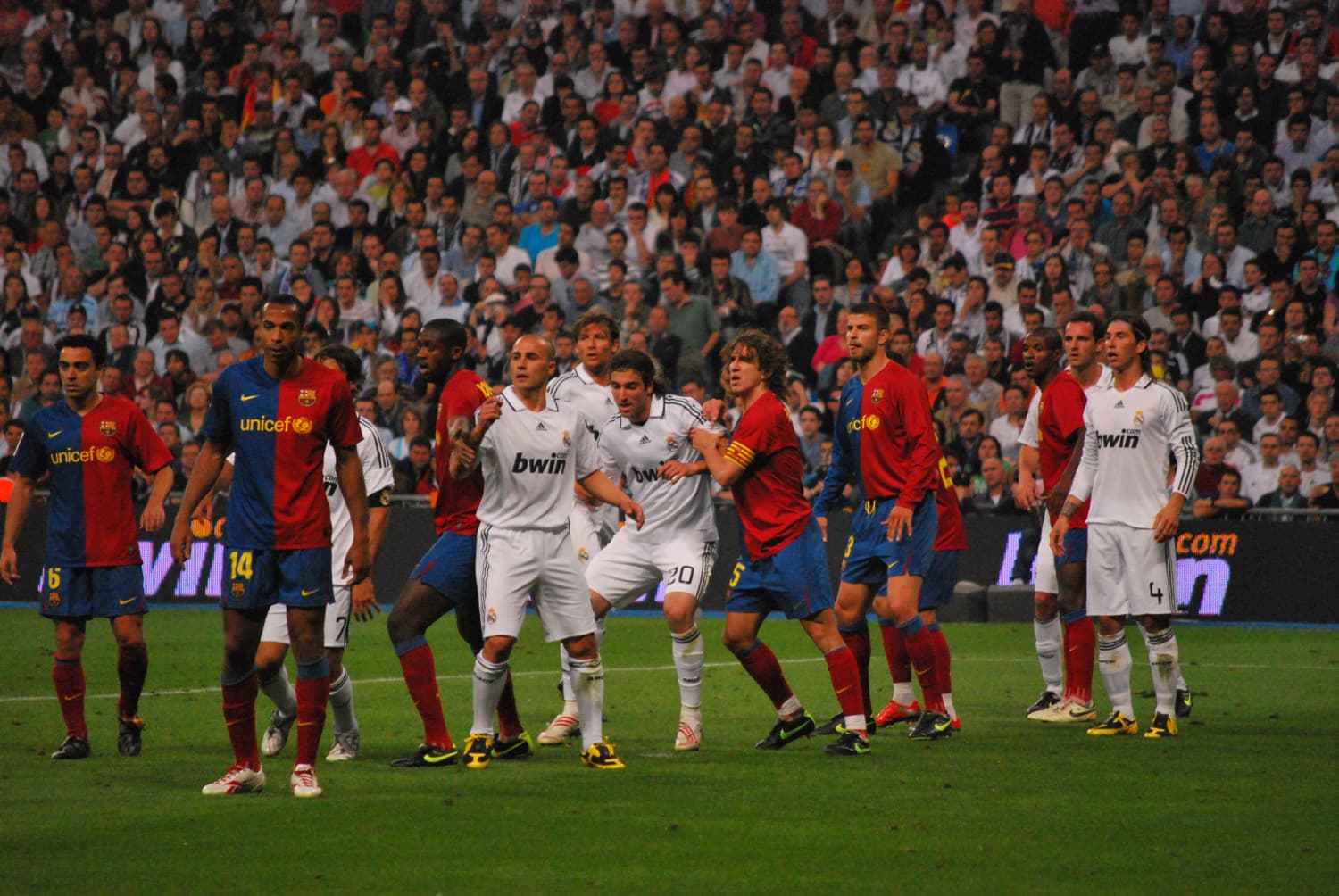
Top 10 Football Derbies That Define the Sport
Top 10 Football Derbies That Define the Sport

Top 10 Worst Referee Decisions in History
#1 Hand of God — No Foul Called (1986 World Cup) · #2 Doncic No-Call Travel — 2024 NBA Finals · #3 Jeffrey Maier's Catch — 1996 ALCS

10 Best Surfing Spots in Brazil (2026) — Beach, Reef & Beginner Breaks Ranked
#1 Praia de Itauna in Saquarema · #2 Fernando de Noronha · #3 Praia do Rosa

Top 10 Most Overrated NBA Players
#1 Russell Westbrook · #2 Carmelo Anthony · #3 Allen Iverson