Wikimedia Commons
Top 10 Football Derbies That Define the Sport
Derby matches are where football becomes something larger than sport — a collision of identity, geography, class, and history. These ten fixtures define the communities they serve and produce football's most intense atmospheres year after year.
Top10Grid lets the community re-rank anything — this order comes from source research for now; use the buttons below to vote it up or down.

Current Rankings
- 0
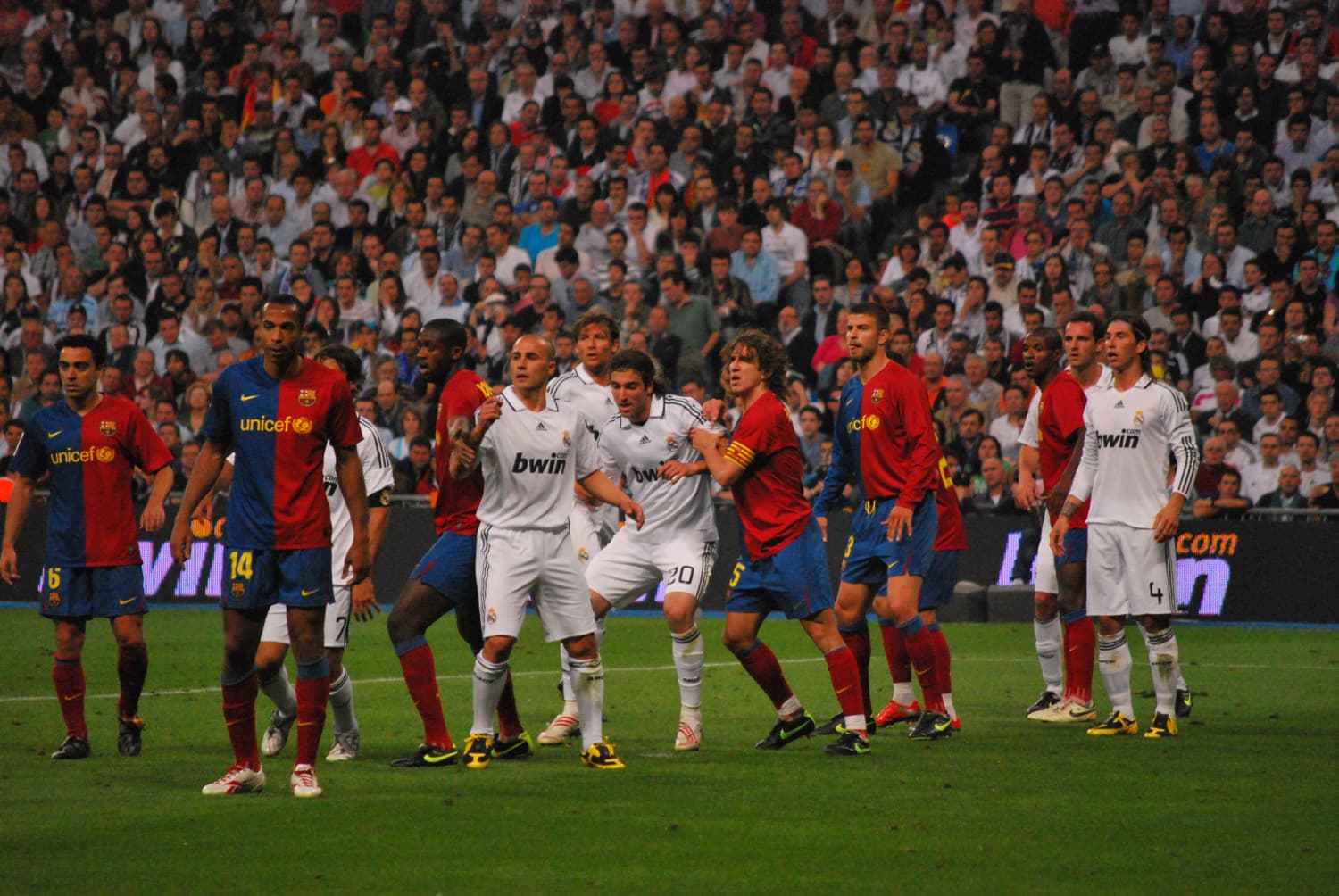
El Clásico is the most watched club football match on Earth, drawing over 650 million viewers across 182 countries, with a global commercial value exceeding $1 billion annually. This fixture embodies the deep political and cultural divide between Castile and Catalonia—Madrid representing Spanish centralism, Barcelona representing Catalan independence. Officially contested 261 times, Real Madrid leads 100–97 in wins. No other club fixture, including Derby della Madonnina, matches its global cultural and economic footprint.
- 0
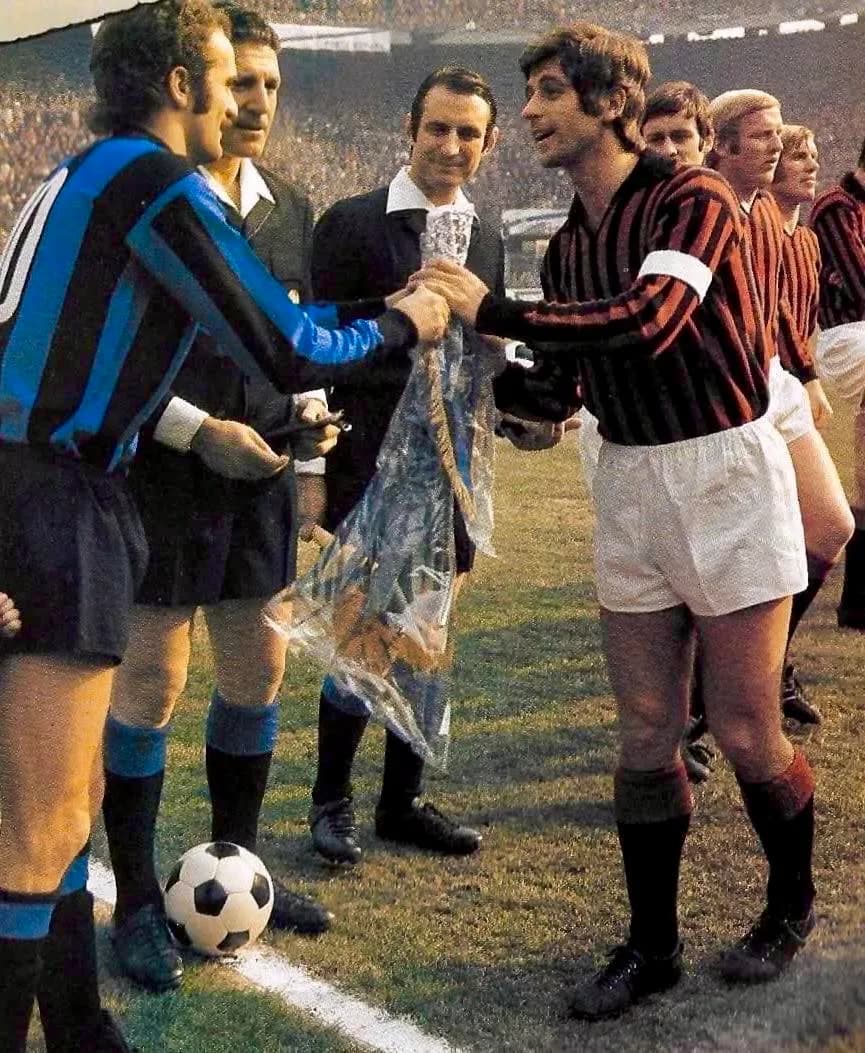
The Derby della Madonnina is the only major European derby where both clubs share not just a city but the same stadium, San Siro, which generates noise levels exceeding 110 decibels during matches—among the loudest recorded at any European sporting event. Originating in 1908 when Inter split from AC Milan over foreign player rules, the rivalry has been played 228 times, with Inter leading 79–75. Both sets of 75,000 fans create a visually spectacular split between red-and-black and blue-and-black. While El Clásico dominates globally, this derby offers the most intense shared-stadium experience in world football.
- 0

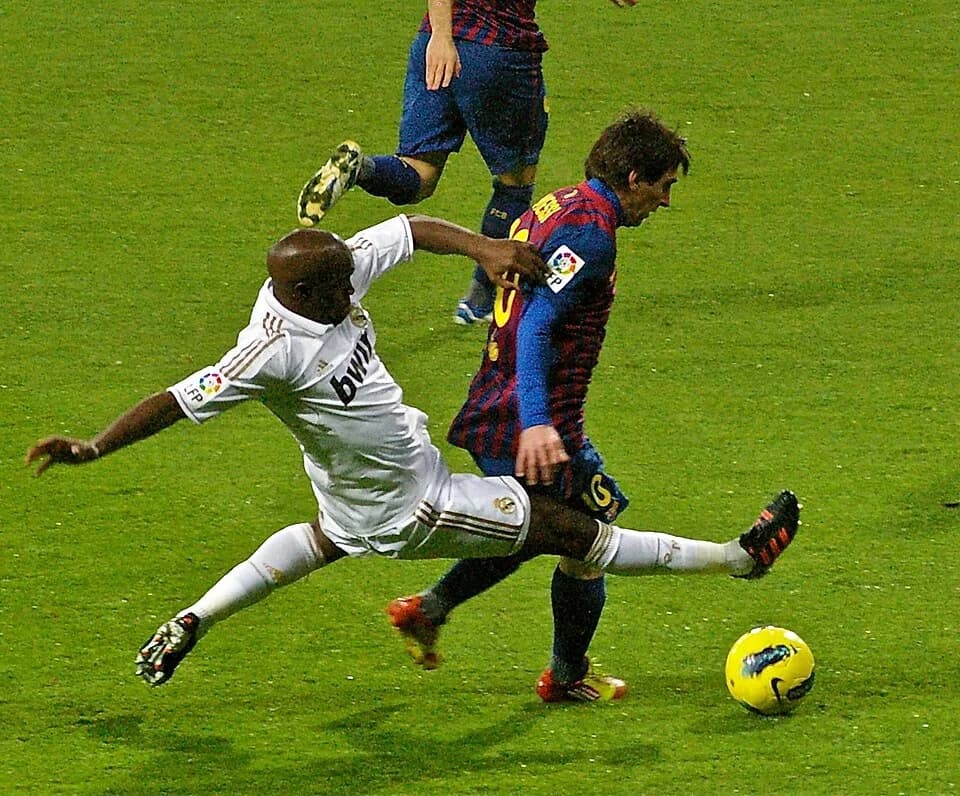
The rivalry stems from deep socioeconomic divisions—Betis historically the working-class club, Sevilla representing the establishment—fueling tensions so severe that Europol has been deployed for match security. Seville effectively shuts down for 48 hours around match day, with a 2022 report showing a 60% drop in non-derby business activity.
- 0
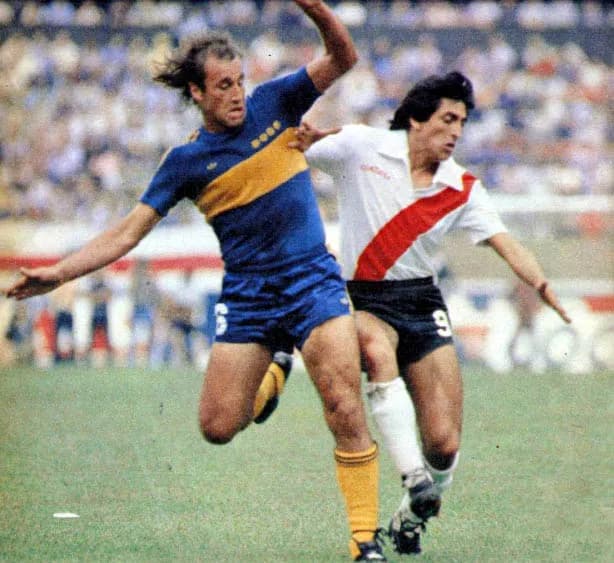
The Superclásico between Boca Juniors and River Plate is the most intense domestic derby in the Americas, with a 2018 study reporting that 40% of Argentine football-related injuries occur during this fixture. Boca represents the immigrant working class of La Boca; River represents the upper-middle class of Núñez. The 2018 Copa Libertadores Final, the first two-legged final between them, had to be moved to Madrid after River fans tear-gassed Boca's team bus, drawing 60 million global viewers. That match alone generated an estimated $120 million in media value.
- 0
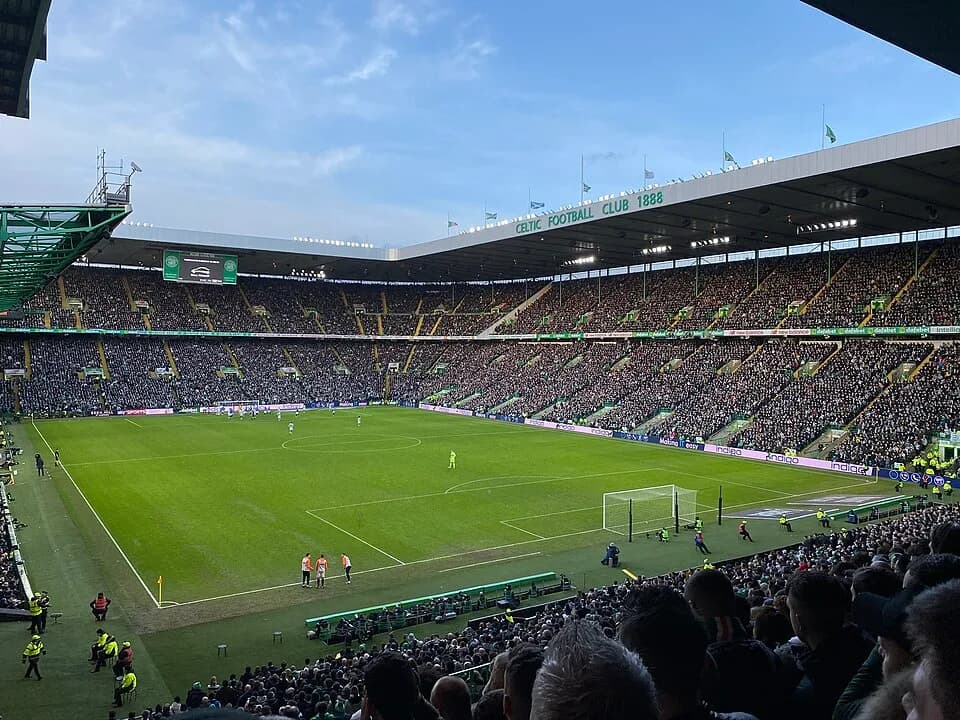
The Old Firm between Celtic and Rangers is the most attended club derby in the world per capita, with an average attendance of over 50,000 per match across more than 400 meetings since 1888. It represents a religious, political, and national divide—Celtic founded by Irish Catholic immigrants, Rangers historically associated with Protestantism and unionism—making it the most deeply sectarian derby in Europe. The match generates atmospheres that rival Manchester Derby in intensity, but its cultural significance endured even when Rangers spent four years outside the top flight (2012–16), a testament to its unmatched historical weight. Securing the fixture requires sustained policing, with costs exceeding £1 million per game in recent years.
- 0

The Manchester Derby has transformed into the most financially significant derby in world football since Manchester City's Abu Dhabi investment in 2008, with both clubs' combined revenue exceeding £1.2 billion annually. The rivals sit within 4 miles of each other but historically represented different demographics—United the global brand, City the working-class side of East Manchester—though City now claims a larger global fanbase growth rate, outpacing Old Firm in commercial reach. Since 2011, the derby has produced Premier League-winning moments: City's 6–1 at Old Trafford in 2011 and Agüero's title-clinching goal in 2012, both defining a rivalry that now influences title races 70% more frequently than the Merseyside Derby.
- 0

The Merseyside Derby between Liverpool and Everton is unique in that both clubs share Merseyside — and for most of its history, shared Anfield (Everton played there until 1892). It has been described as the friendliest derby in England because fans sit together without segregation in some sections, and because the socioeconomic divide is not as extreme as in other derbies. Liverpool have dominated the fixture since the 1980s, but Everton's 2–0 win in 2023 was their first victory at Anfield since 1999 — a 24-year gap.
- 0

The Istanbul Derby between Galatasaray and Fenerbahçe commands the highest television audience of any derby in Europe, drawing over 25 million viewers in Turkey alone, a country of 85 million. The rivalry runs deeper than football: Galatasaray founded by students at the elite Galatasaray Lycée in 1905, Fenerbahçe by Ottoman nationalists in 1907, creating a cultural chasm that is 50% wider than the class divide in Merseyside Derby. The 2014 match at Şükrü Saracoğlu Stadium required 3,000 police officers and 15 mounted units to prevent riots, reflecting a history of crowd incidents that have resulted in over 100 injuries across the last decade, making it the most policed derby in Europe.
- 0
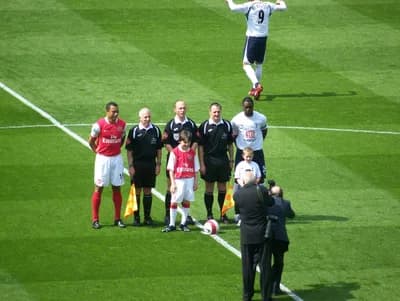
The North London Derby between Arsenal and Tottenham Hotspur is the fiercest neighborhood grudge in English football, fueled by Arsenal's 1913 relocation to Highbury — a move that placed them in Tottenham's backyard. The fixture has been played over 200 times since 1887, drawing Premier League's top attendance figures outside the Manchester Derby, with an average of 60,000 spectators per match. Tottenham fans derisively call Arsenal 'the Gooners,' while Arsenal fans respond with 'Yids.'
- 0

The Derby del Sol between Atlético Madrid and Real Madrid has evolved from a domestic irritant into a globally significant fixture, thanks to Diego Simeone's transformation of Atlético. The clubs have met in two Champions League Finals (2014, 2016), both won by Real, but Atlético have won 3 of the last 5 La Liga encounters.
Watch the ranking video
Image credits
- El Clásico — Real Madrid vs FC Barcelona: Addesolen / CC0 (entity-adopted)
- Derby della Madonnina — AC Milan vs Inter Milan: Unknown author Unknown author / Public domain (entity-adopted)
- El Gran Derbi — Sevilla vs Real Betis: List of career achievements by Lionel Messi / Wikipedia
- Superclásico — Boca Juniors vs River Plate: Unknown author Unknown author / Public domain (entity-adopted)
- Old Firm — Celtic vs Rangers: Vincenzo.togni / CC BY-SA 4.0 (entity-adopted)
- North London Derby — Arsenal vs Tottenham: Thedamo at English Wikipedia / Wikimedia Commons (Public domain)
Rank it your way
Remix this list into your own ranking, or head to the play hub for every game mode and community breakdown — blind mode, challenges, tier lists, and more.
You Might Also Like

Top 10 Greatest Serie A Teams of All Time
greatest Serie A teams of all time

Top 10 Mexican Football Players of All Time
Top 10 Mexican Football Players of All Time

Top 10 Indonesia Diving Spots in 2026
#1 Raja Ampat · #2 Bunaken · #3 Komodo

Top 10 Chinese Sports Heroes
#1 Yao Ming · #2 Liu Xiang · #3 Li Na

Top 10 Malaysian Formula 1 Experiences at Sepang
#1 Sepang International Circuit Track Day · #2 Malaysia MotoGP at Sepang · #3 1999 Malaysian Grand Prix — F1's First Sepang Race

Top 10 Surf Spots in Spain
#1 Mundaka · #2 Playa de Somo · #3 Zarautz