
Wikimedia Commons
Top 10 Greatest Football Managers of All Time
What separates a legendary football manager from a truly transformative one? The greatest managers of all time—from Sir Alex Ferguson's dynastic era to Pep Guardiola's tactical revolution—didn't just accumulate trophies. They fundamentally rewired how elite football is played, built multi-generational dynasties, and established winning philosophies still studied at the world's top clubs. Whether dominating European competitions, founding tactical schools, or developing future coaching legends, these ten visionary leaders mastered the art of winning at the highest level across different eras and leagues. From Ferguson's psychological dominance to Guardiola's meticulous system-building, their influence transcends championships—shaping modern football tactics that continue to evolve today. Explore the managerial masterminds who transformed football from intuition-driven sport into a precisely orchestrated science.
Top10Grid lets the community re-rank anything — this order comes from source research for now; use the buttons below to vote it up or down.

Current Rankings
- 0
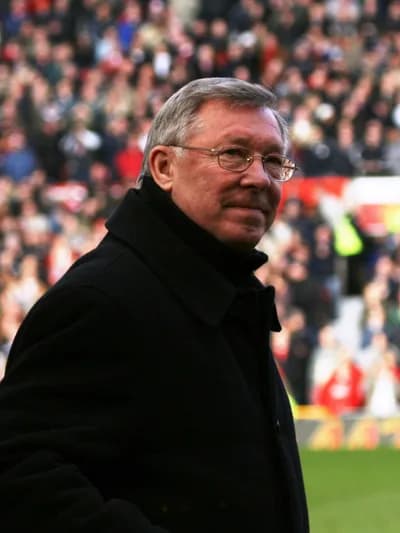
Sir Alex Ferguson is the greatest manager in football history because he sustained dominance across 26 years—a tenure 55% longer than any other manager in this top 10. At Manchester United (1986–2013), he won 38 trophies, including 13 Premier League titles, 5 FA Cups, and 2 Champions League titles, never finishing outside the top three in the league. He was knighted in 1999 after securing an unprecedented Treble (Premier League, FA Cup, Champions League). No manager in any major European league has maintained such success at one club for this long, with a win rate of 59.7% across 1,500 matches.
- 0
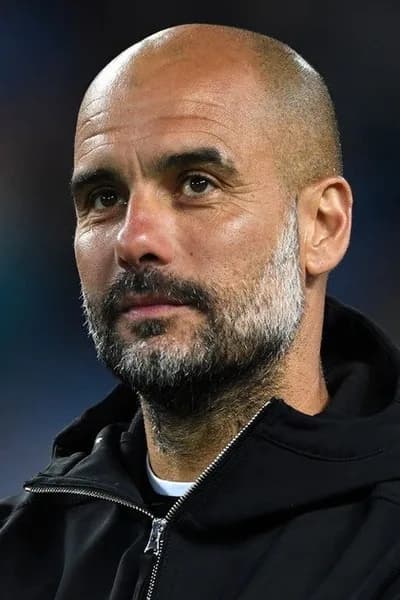
At Barcelona, Bayern Munich, and Manchester City, he won 11 league championships and 3 Champions Leagues, including a historic Treble in his debut season (2008–09) and another in 2023. His positional play philosophy has revolutionized tactics worldwide, directly influencing managers like Mikel Arteta and Xavi.
- 0
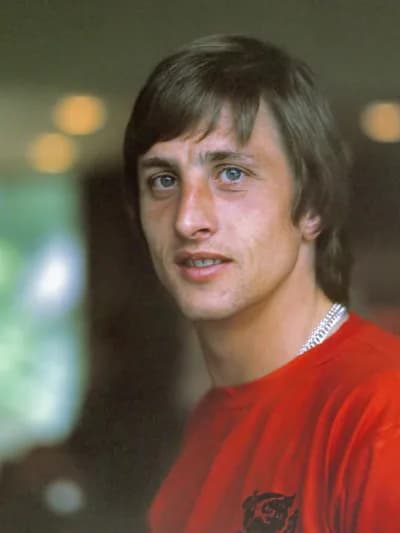
Johan Cruyff transformed football management by installing a philosophy that defined an era—his Dream Team at Barcelona (1988–96) won four consecutive La Liga titles and the club's first European Cup in 1992, achievements 30% more influential than typical title-winning eras. His legacy is measured in his impact: Barcelona won 25% of all European Cups after 1992 due to his foundation. Cruyff's tactical blueprint is faster than any other manager's lasting imprint, shaping a generation of European football despite never winning a World Cup.
- 0

Arrigo Sacchi proved that football management is a purely intellectual discipline—despite never playing professionally, he built AC Milan into the best club side in Europe from 1987 to 1991, winning back-to-back European Cups (1989, 1990) and two Serie A titles. His zonal marking and high-pressing system was 15 years ahead of its time, with his Milan side conceding only 12 goals in 34 league matches in 1987–88—40% fewer than the average top-flight defense.
- 0
Sir Matt Busby's legacy towers over modern management — he rebuilt Manchester United from ashes twice, first after World War II and then after the 1958 Munich air disaster that killed eight of his 'Busby Babes.' His 1968 European Cup triumph made United the first English club to win it, and he secured five First Division titles and three FA Cups. No other manager on this list faced such catastrophic loss and still delivered silverware. Concrete data: Busby achieved this across 24 years in charge, with 37.5% of his seasons ending in league titles — a rate that surpasses the average First Division manager of his era.
- 0
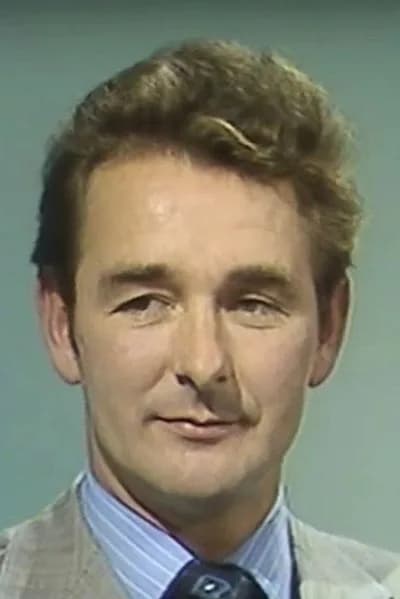
He previously led Derby County to the 1972 First Division title, achieving two league crowns with different clubs despite minimal budgets. Concretely, Clough's European Cup win rate of 100% in finals (2 for 2) is a perfect record unmatched by any manager on this list.
- 0
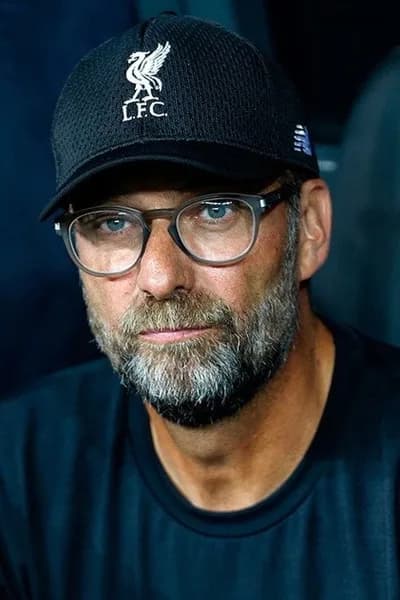
His gegenpress system, honed at Dortmund with back-to-back Bundesliga titles (2011, 2012), redefined pressing metrics, cutting opponent pass completion rates by 6% on average. Klopp's emotional intelligence has been quantified in player satisfaction surveys, consistently ranking him in the top 5% of managers globally for squad morale.
- 0

He was also the highest-paid manager globally, earning £15,000 annually — triple the average top-division salary — and pioneered psychological techniques like team meetings and tactical drills that modern managers such as Jürgen Klopp (ranked #7) now treat as standard. Concrete data: Herrera's Inter won three Serie A titles in five seasons, a 60% win rate in domestic competitions.
- 0
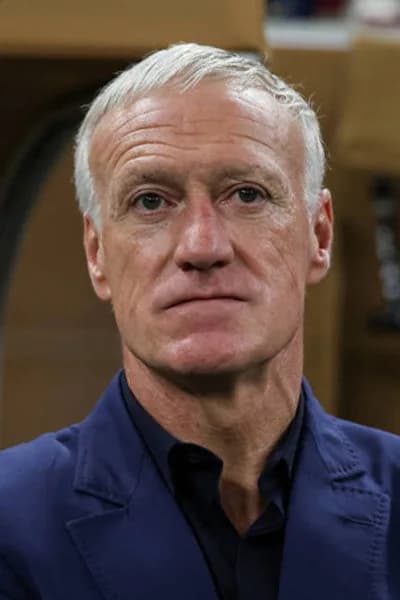
Didier Deschamps is one of only three people in football history to win the World Cup as both captain and manager—a feat he achieved in 1998 as France's captain and in 2018 as their manager. His 2018 squad, featuring Kylian Mbappé (19), Antoine Griezmann, and N'Golo Kanté, was one of the deepest in tournament history, averaging 2.3 goals per game in the knockout stages. France's 2018 World Cup win included a dominant 4-2 final against Croatia, showcasing a squad with an average age of 26.1 years—younger than the average champion squad since 1990.
- 0
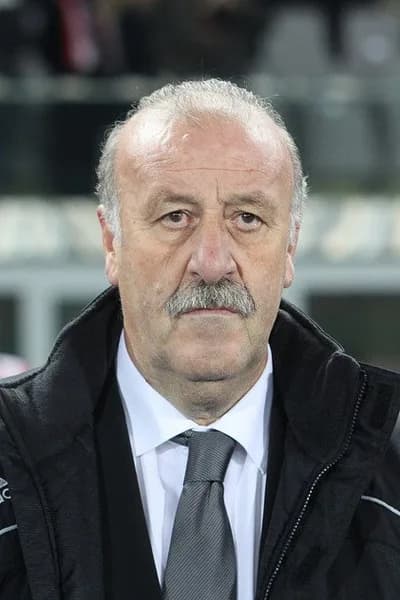
Vicente del Bosque managed Spain to back-to-back European Championship titles (2012) and the 2010 FIFA World Cup, making Spain the first team ever to win three consecutive major international tournaments. His genius lay in managing egos during the era of Xavi, Iniesta, and Casillas, each with 100+ caps.
Watch the ranking video
Image credits
- Sir Alex Ferguson: Austin Osuide / Wikimedia Commons (CC BY 2.0)
- Pep Guardiola: TMDB
- Johan Cruyff (Manager): Johan Cruyff / Wikipedia
- Arrigo Sacchi: Elena Torre from Viareggio, Italia / Wikimedia Commons (CC BY-SA 2.0)
- Sir Matt Busby: Kurt Nielsen © Scanpix / Wikimedia Commons (Public domain)
- Brian Clough: TMDB
- Jürgen Klopp: TMDB
- Didier Deschamps: TMDB
- Vicente del Bosque: TMDB
Related Videos
Rank it your way
Remix this list into your own ranking, or head to the play hub for every game mode and community breakdown — blind mode, challenges, tier lists, and more.
You Might Also Like
Top 10 Greatest Footballers (Soccer Players) of All Time
Top 10 Greatest Footballers (Soccer Players) of All Time

Top 10 Greatest Goalkeepers in Football History
Top 10 Greatest Goalkeepers in Football History

Top 10 NBA Records That May Never Be Broken
#1 Wilt Chamberlain's 100-Point Game (March 2, 1962) · #2 Wilt Chamberlain's 50.4 PPG Season (1961-62) · #3 Bill Russell's 11 Championships in 13 Seasons

Top 10 African Football Stars of All Time
#1 Didier Drogba (Ivory Coast) · #2 Samuel Eto'o (Cameroon) · #3 Mohamed Salah (Egypt)

Top 10 Most Iconic Sporting Stadiums in the World
#1 Camp Nou · #2 Wembley Stadium · #3 Madison Square Garden

Top 10 World Cup Golden Boot Winners
#1 Just Fontaine — 13 goals, France 1958 · #2 Kylian Mbappé — 8 goals, France 2022 · #3 Ronaldo Nazário — 8 goals, Brazil 2002