
Wikimedia Commons
Top 10 NBA Draft Busts of All Time
Being selected high in the NBA Draft comes with enormous expectations, enormous salaries, and — for this unfortunate group — enormously disappointing results. From the #1 overall pick who averaged just 4.4 PPG as a rookie to a center drafted ahead of Michael Jordan, these are the 10 players who had every measurable advantage and somehow failed to deliver, for reasons ranging from injury to attitude to the simple reality that scouting remains an imprecise science. Vote for who you think is the biggest bust of all time — and subscribe for our weekly top-10 list.
Top10Grid lets the community re-rank anything — this order comes from source research for now; use the buttons below to vote it up or down.

Current Rankings
- 0#1
Anthony Bennett (2013, #1 Overall)
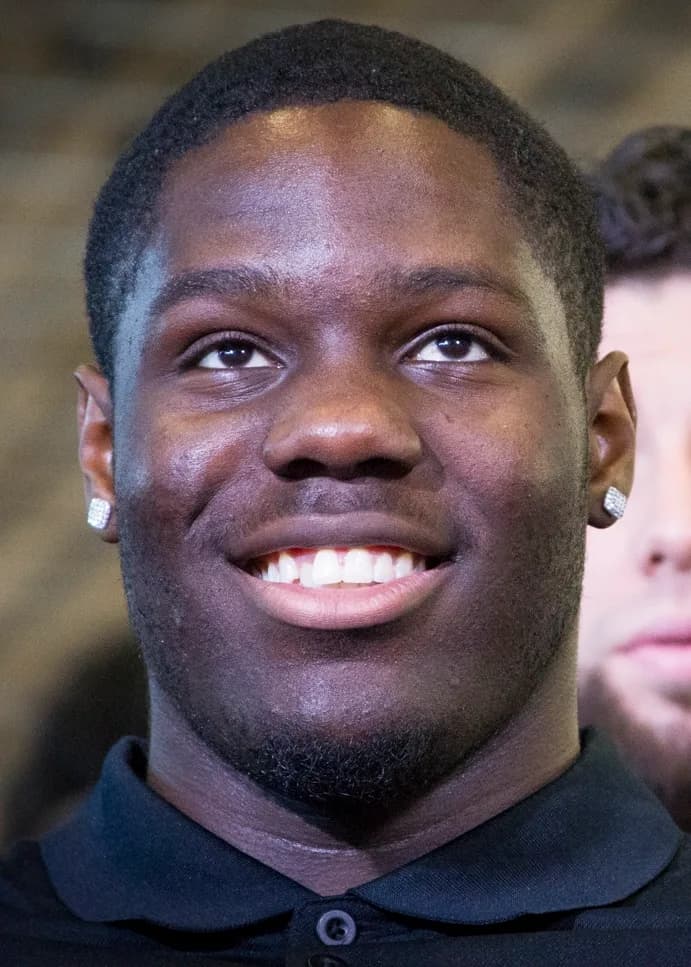
He averaged 4.4 PPG in his rookie season while shooting 35.4% from the field, the worst statistics ever posted by a first overall pick. He was traded, waived, and signed by five teams across four seasons before leaving the NBA entirely. He returned to the Canadian national program and played overseas, but his NBA career was over by age 24. No first-overall pick has produced less.
- 0#2
Kwame Brown (2001, #1 Overall)
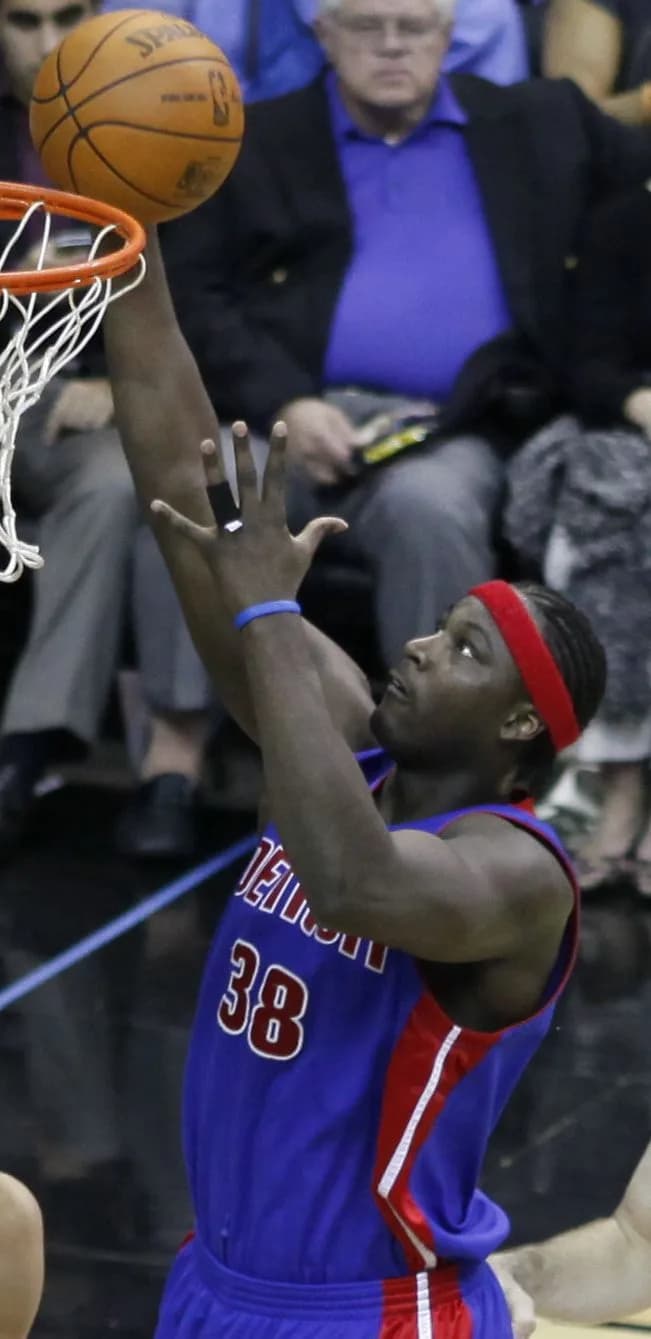
Michael Jordan, in his first year as Washington Wizards president, selected 19-year-old Kwame Brown first overall in the 2001 Draft — the first high school player ever taken #1 overall. Brown never fulfilled expectations: he averaged only 6.6 PPG and 5.9 RPG across a 12-year career and was publicly mocked by teammates (Kobe Bryant in particular) for soft play and lack of aggression. He was traded five times in six years. Jordan later called the selection his greatest regret as an executive. Brown himself has pushed back on the "bust" narrative in recent years, noting he earned $64 million in NBA salary.
- 0#3
Greg Oden (2007, #1 Overall)
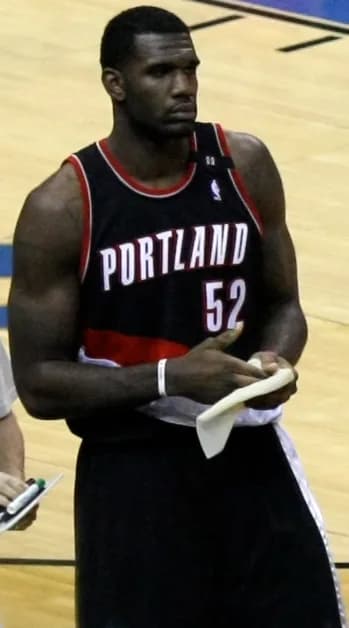
Greg Oden was selected first overall by Portland over Kevin Durant in the 2007 Draft — a decision that haunts the Trail Blazers organization to this day. Oden played only 82 games in six NBA seasons, missing his entire rookie year to knee surgery and then suffering multiple subsequent injuries that ended his career at age 24. His physical tools — 7 feet, elite athleticism, immediate shot-blocking ability in his limited games — showed what might have been. Portland selected him over Durant, who won Rookie of the Year, four scoring titles, one MVP, and became a top-5 all-time player.
- 0#4
Sam Bowie (1984, #2 Overall)
Bowie was considered the safer pick — an experienced college center with star potential, while Jordan was seen as a shooting guard in a center's league. Bowie averaged 10.9 PPG across 511 career games disrupted by multiple leg fractures, while Jordan won 6 championships and became the greatest player in history. The Bowie-over-Jordan decision is the most famous draft mistake in American sports history.
- 0#5
Michael Olowokandi (1998, #1 Overall)
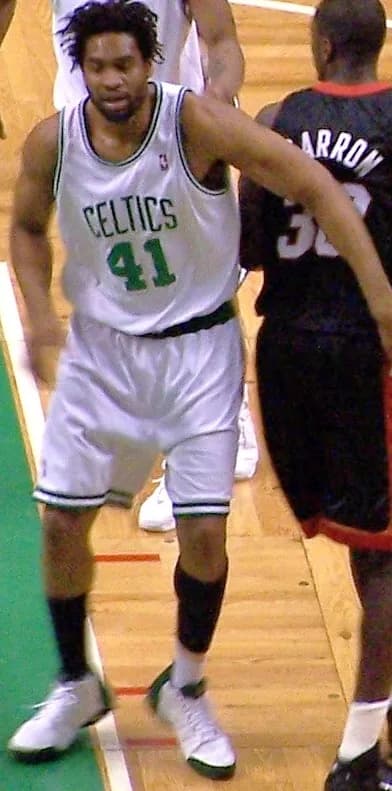
Michael Olowokandi was selected first overall by the Los Angeles Clippers in 1998 — before Paul Pierce (#10), Dirk Nowitzki (#9), and Vince Carter (#5) — after playing college basketball for only two years at Pacific. He averaged 8.9 PPG and 6.9 RPG across a nine-year career, was a liability defensively despite his 7-foot frame, and was known primarily for being the reason Dirk Nowitzki was available at #9. The 1998 draft is broadly considered the worst #1 pick in NBA history relative to talent available.
- 0#6
Darko Milicic (2003, #2 Overall)
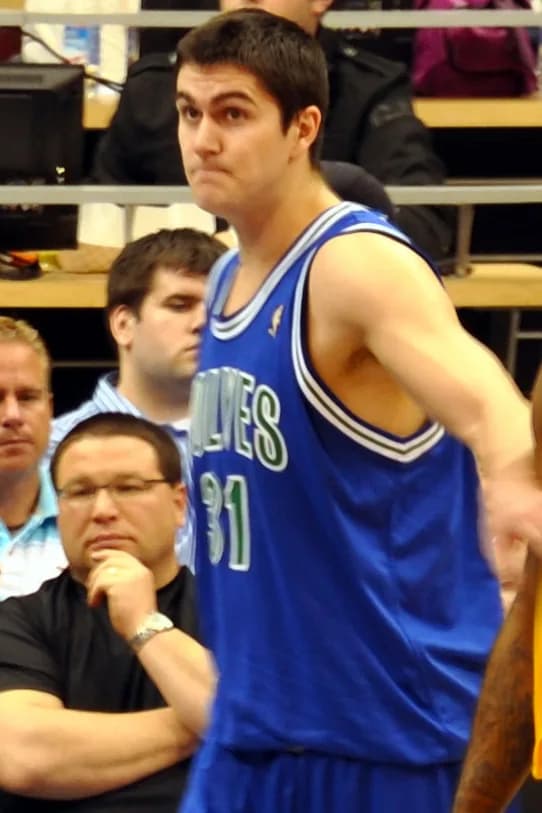
The 2003 NBA Draft is widely considered the greatest in history: LeBron James, Carmelo Anthony, Chris Bosh, and Dwyane Wade were all taken in the top five. Detroit won the championship his rookie year but Darko played only 4.7 minutes per game. He was traded for Richard Hamilton salary relief.
- 0#7
Jonah Bolden / Marvin Bagley III (2018, #2 Overall)

Bagley averaged 14.1 PPG and 7.6 RPG in his best season before being traded, while Doncic won Rookie of the Year, made five All-Star teams in five seasons, averaged 28+ PPG, and became the best point guard in the world. The Kings later admitted the decision was influenced by wanting a big man to pair with De'Aaron Fox.
- 0#8
Andrea Bargnani (2006, #1 Overall)
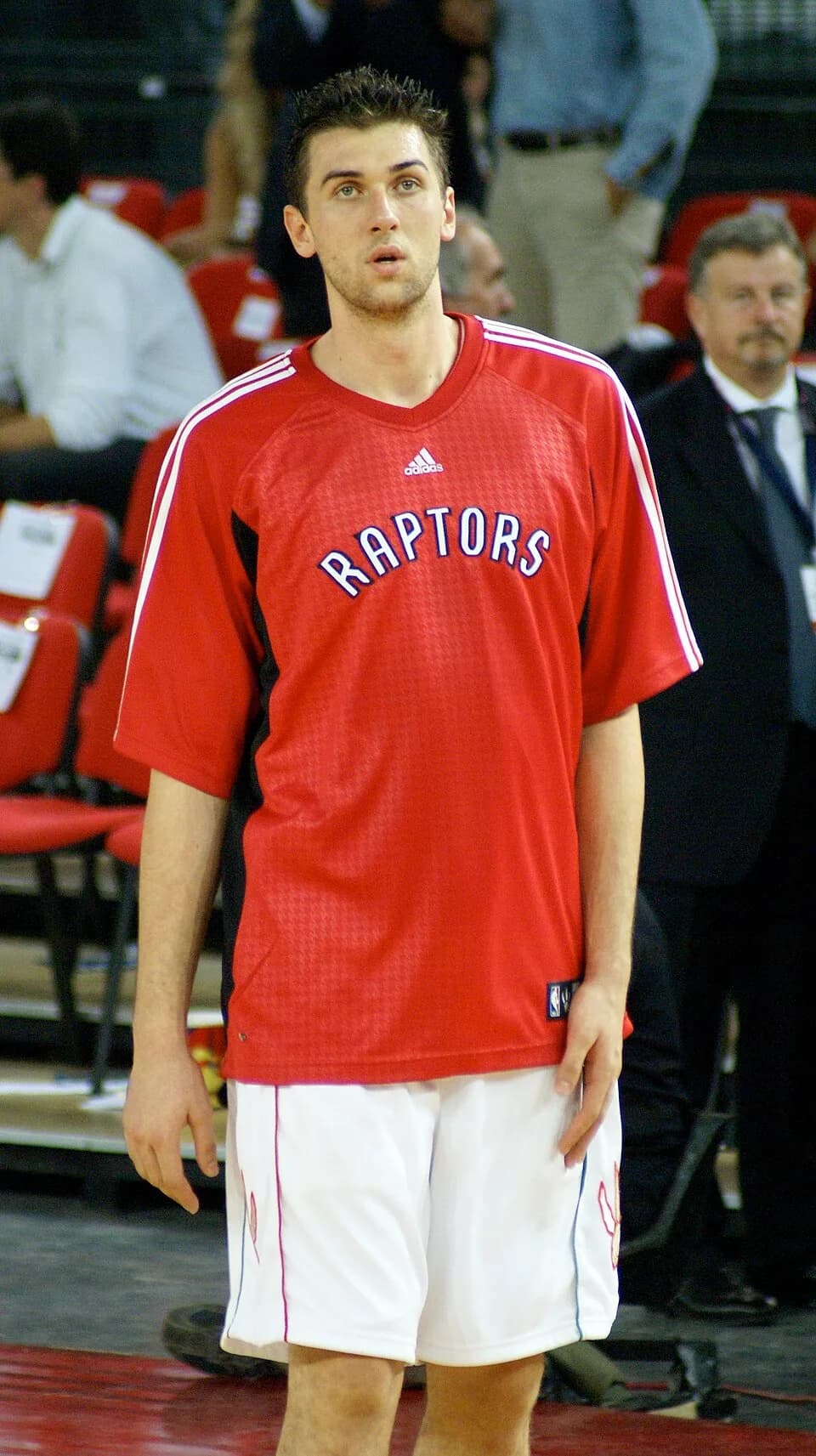
He averaged 11.7 PPG across nine NBA seasons while being known primarily as the worst defensive player in Toronto Raptors history, a 7-footer who refused to rebound (4.5 career RPG) or defend. Raptors fans still invoke his name as a cautionary tale. Toronto traded him to New York in 2013 and received cap relief; his career ended at age 31 with nothing to show for a decade of lottery-pick salary.
- 0#9
Hasheem Thabeet (2009, #2 Overall)
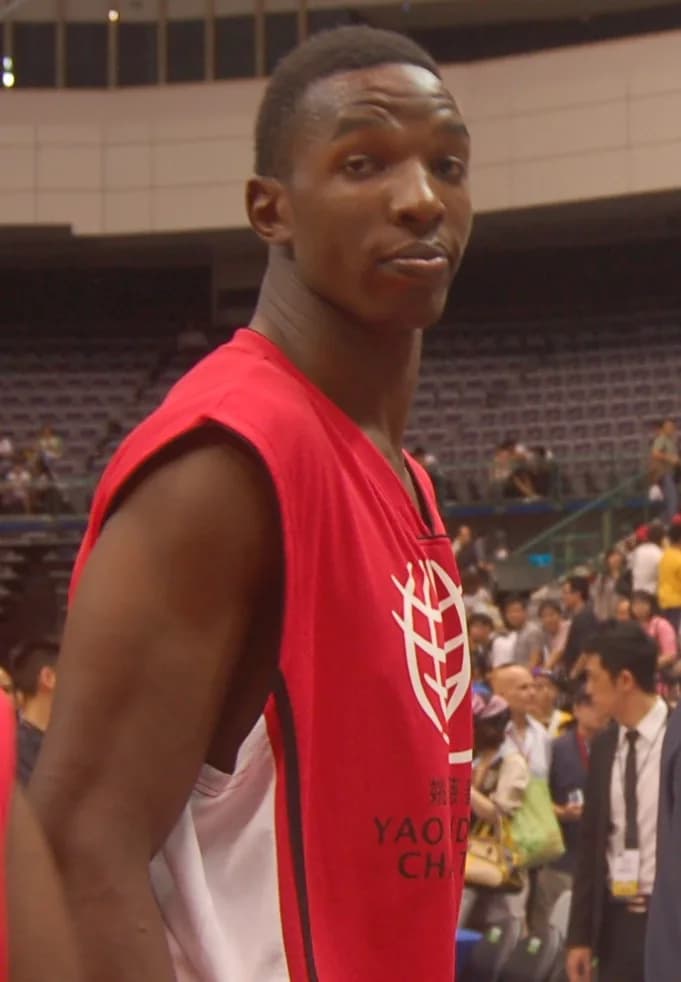
Memphis selected Hasheem Thabeet second overall in 2009 — one pick after Blake Griffin and four picks before Stephen Curry — on the basis of his 7-foot-3 frame and 7-foot-8 wingspan. Thabeet averaged 2.5 PPG and 2.8 RPG in 158 NBA games, was waived by Memphis in his second season, and bounced around the NBA's 15-man roster fringe for four years. The contrast in outcomes was so stark that the 2009 draft is used in analytics discussions as evidence against over-valuing raw physical measurements.
- 0#10
Pervis Ellison (1989, #1 Overall)
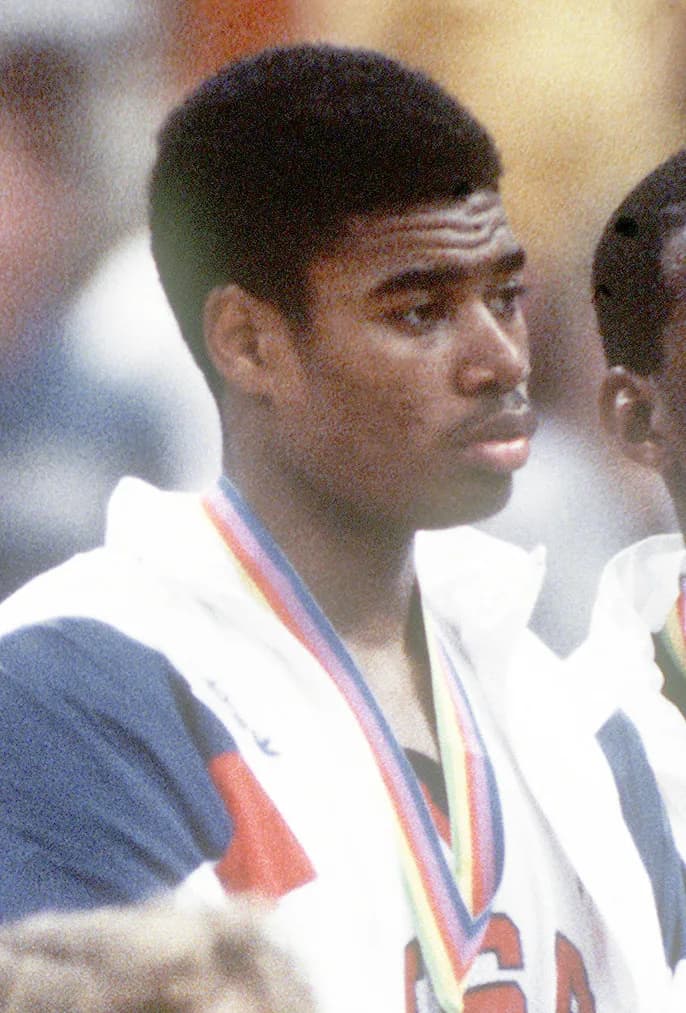
Pervis Ellison earned the nickname "Never Nervous Pervis" from his 1988 NCAA championship performance at Louisville — then spent his NBA career earning the nickname "Out of Service Ellison" for chronic knee problems that limited him to 408 games across 10 seasons. He averaged 10.7 PPG and 7.0 RPG when healthy, which was rarely. Sacramento selected him over Glen Rice and Tim Hardaway. His 1991-92 season — 20.0 PPG and 11.2 RPG for Washington — briefly suggested stardom before injury resumed. One healthy season in ten shows what could have been.
Frequently Asked Questions About NBA Draft Busts
## Frequently Asked Questions About NBA Draft Busts
What is an NBA draft bust? An NBA draft bust is a player selected high in the first round — typically in the top 5 — whose on-court production falls well short of the expectations that come with that draft position.
Who is considered the biggest NBA draft bust of all time? Opinions vary, but Anthony Bennett (2013, #1 overall) is often cited because he averaged only 4.4 points per game in his rookie season and played just 151 NBA games total.
Why did teams keep drafting players who became busts? Because scouting is an imprecise science. Factors like injuries, attitude, work ethic, scheme fit, and the limitations of pre-draft evaluation all contribute to high picks who never pan out.
Are #1 overall picks more likely to be busts than later picks? No — #1 overall picks actually have the highest All-Star rate on average. The busts are memorable precisely because they are the exception, not the rule.
Image credits
- Anthony Bennett (2013, #1 Overall): Jeremy Rincon / CC BY 2.0 (entity-adopted)
- Kwame Brown (2001, #1 Overall): Kwame_Brown.jpg : Keith Allison derivative work: CutOffTies ( talk ) / CC BY-SA 2.0 (entity-adopted)
- Greg Oden (2007, #1 Overall): Trail_Blazers_vs_Wizards.jpg : Keith Allison from Baltimore, USA derivative work: Chris! my talk / CC BY-SA 2.0 (entity-adopted)
- Sam Bowie (1984, #2 Overall): Lebanon High School / Public domain (entity-adopted)
- Michael Olowokandi (1998, #1 Overall): Jason_Kapono_jump_shot_2006.jpg : Jeff Egnaczyk derivative work: Lpdrew ( talk ) / CC BY 2.0 (entity-adopted)
- Darko Milicic (2003, #2 Overall): k1k0.com / CC BY 2.0 (entity-adopted)
- Jonah Bolden / Marvin Bagley III (2018, #2 Overall): List of NBA drafted players from Serbia / Wikipedia
- Andrea Bargnani (2006, #1 Overall): shaka / CC BY-SA 2.0 it (entity-adopted)
- Hasheem Thabeet (2009, #2 Overall): CT Snow from Hsinchu, Taiwan / CC BY 2.0 (entity-adopted)
- Pervis Ellison (1989, #1 Overall): Steve McGill / Public domain (entity-adopted)
Rank it your way
Remix this list into your own ranking, or head to the play hub for every game mode and community breakdown — blind mode, challenges, tier lists, and more.
You Might Also Like

Top 10 NBA Rookies to Watch in 2026
Top 10 NBA Rookies to Watch in 2026

Top 10 Greatest NBA Coaches of All Time
Top 10 Greatest NBA Coaches of All Time

Top 10 Best Basketball Dunkers of All Time
Top 10 Best Basketball Dunkers of All Time

The 10 Greatest NBA Finals Moments of All Time, Ranked
The 10 Greatest NBA Finals Moments of All Time, Ranked
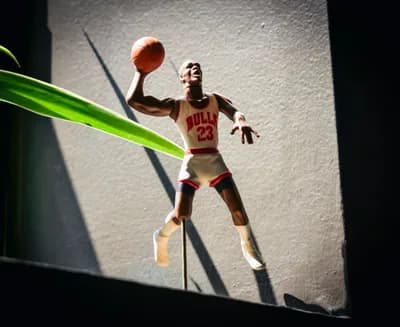
Top 10 Greatest NBA Dunks in History
Top 10 Greatest NBA Dunks in History
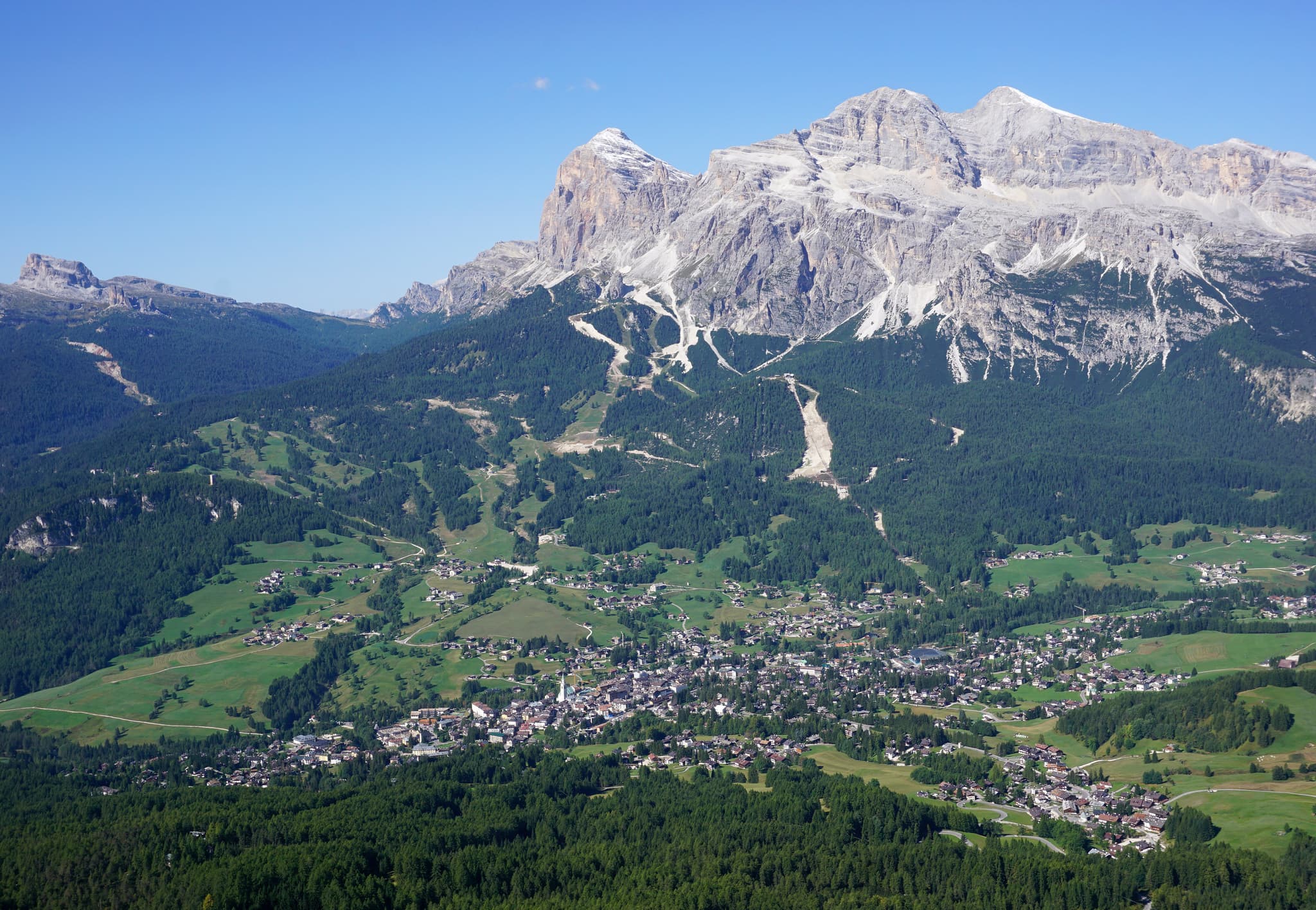
Top 10 Moments from the 2026 Winter Olympics
#1 Ilia Malinin's Quad Axel Bid Falls Short as Shaidorov Stuns the Field · #2 Alysa Liu Sweeps Both Figure Skating Gold Medals · #3 Eileen Gu Defends Her Halfpipe Title