The EuroLeague is the most competitive professional basketball competition outside the NBA, featuring the best club teams in Europe competing in a grueling 34-game regular season followed by playoffs. These are the teams currently defining European basketball in 2026 — measured by roster quality, coaching, recent performance, and the likelihood of making deep playoff runs.
Top 10 lists on this topic
Curated by our sports editors. Statistical evidence sets the floor; community vote moves the order.

Real Madrid is the most successful club in EuroLeague history with 11 titles, including championships in 2015, 2016, 2018, and 2023. Their 2025-26 roster combines experienced EuroLeague veterans with NBA-caliber talent, and their ability to retain top European players through superior financial resources and the Madrid brand makes them the perennial favorite. Real Madrid's culture of "galacticos" extends to basketball: they have never in EuroLeague history gone more than two consecutive seasons without reaching the Final Four. Their youth academy (Cantera) has produced more NBA players than any non-American basketball program.

Fenerbahce Beko won the EuroLeague championship in 2017 under head coach Zeljko Obradovic — the most decorated coach in EuroLeague history (9 titles) — and has been a Final Four regular since 2014. Their 2025-26 roster features a deep backcourt and multiple former NBA players choosing to play in Istanbul for the competitive level and compensation. Fenerbahce's Ulker Sports Arena generates one of the most intimidating home environments in European basketball, and the club's financial investment in player recruitment has made them Real Madrid's most consistent rival over the past decade.

Anadolu Efes won back-to-back EuroLeague championships in 2021 and 2022 — the only team to win consecutive titles since CSKA Moscow in 2008 — led by American guard Shane Larkin and Serbian forward Vasilije Micic. Their transition-heavy offense, led by head coach Ergin Ataman, produced the highest-efficiency EuroLeague offense in the pandemic-era bubble environment. Efes's 2026 roster has undergone reconstruction after Micic departed for the NBA, but their organizational depth and Turkish basketball infrastructure make them a perennial contender regardless of roster turnover.

CSKA Moscow won 8 EuroLeague championships (1961, 1969, 2006, 2007, 2008, 2016, 2019, 2021) and has been the dominant force in Russian basketball for 60 years, though their participation in EuroLeague competition was suspended following Russia's invasion of Ukraine in 2022. Their exclusion has created competitive space for other clubs, but CSKA's historical dominance — particularly their late-2000s dynasty with Theo Papaloukas and Andrei Kirilenko — remains the gold standard of European basketball. Their possible future return is the sport's most politically complicated storyline.

Panathinaikos has won six EuroLeague championships (1996, 2000, 2002, 2007, 2009, 2011) and carries the most storied history of any Greek basketball club, drawing on a fanatical Athens supporter base that makes their home court among the continent's most emotionally charged environments. The club's "four-leaf clover" identity permeates Greek sports culture, and their rivalry with Olympiacos is considered Greek basketball's defining narrative. Coach Ergin Ataman's arrival in 2023 restored competitive relevance, and their 2025-26 roster features several players of NBA-caliber pedigree.

Olimpia Milano (EA7 Emporio Armani Milano) won the EuroLeague championship in 2022 in a Final Four hosted in Belgrade, their first title in 30 years, and has been a Top 8 regular in the competition since 2018. The club's Armani sponsorship brings unique fashion and luxury brand association to European basketball, and their Mediolanum Forum arena — refurbished to modern standards — provides a premium fan experience. Head coach Ettore Messina, who has won multiple EuroLeague titles with CSKA and has served as a San Antonio Spurs assistant, brings championship-level tactical expertise.

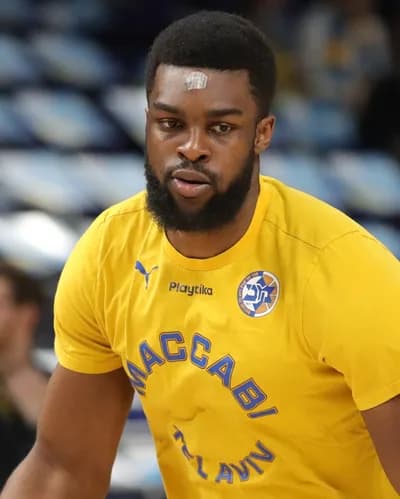
Maccabi Tel Aviv won 6 EuroLeague championships (1977, 1981, 2001, 2004, 2005, 2014) and carries the most significant cultural identity in European basketball — a club that represents Israel on the international stage and draws passionate support from Jewish communities globally. Their 2004 and 2005 back-to-back titles under coach Pini Gershon were the club's modern peak. Despite ongoing geopolitical challenges affecting their home games, Maccabi has continued to compete in EuroLeague and their roster regularly features former and future NBA-level talent.

FC Barcelona won the EuroLeague championship in 2003 and 2010 and has been among the competition's most consistent contenders through the 2020s, reaching the Final Four six times in eight seasons (2015-2023). The club's global brand — one of the most recognized in world sport — provides recruitment advantages across South America, Europe, and the US. Their Palau Blaugrana arena generates 7,585 fans of absolute commitment. Under head coach Joan Peñarroya since 2023, Barcelona has pursued a youth-oriented reconstruction aimed at the 2026-27 EuroLeague season.

Zalgiris Kaunas won the EuroLeague championship in 1999 — defeating CSKA Moscow in the Final Four — and carries a significance in Lithuanian culture that transcends basketball: the club was a symbol of resistance during Soviet occupation, and their 1999 title was treated as a national holiday. Despite limited financial resources relative to Russian and Spanish clubs, Zalgiris has remained a EuroLeague regular through intelligent recruitment and their Zalgiris Arena home court advantage in Kaunas, where the crowd is considered the most passionate and knowledgeable in European basketball.

Baskonia Vitoria-Gasteiz has never won the EuroLeague championship despite reaching the final twice (2001, 2020) but is consistently ranked among the competition's most tactically sophisticated clubs. Their Buesa Arena sells out 15,504 seats for every EuroLeague home game, their coaching succession has maintained philosophical continuity for 20 years, and their recruitment of Spanish national team contributors — combined with international imports — creates rosters of ideal EuroLeague construction. Their 2020 Final appearance showed the organization's ceiling.
The most-voted lists across every category — curated weekly. Join the early readers.
No spam. One email per week. Unsubscribe anytime.


Create a free account or sign in to join the discussion.
Sign in to join the conversation
Top 10 Moments from the 2026 Winter OlympicsExplore more Sports rankings on Top10Grid
Because you're viewing Sports

Real Madrid is the most successful club in EuroLeague history with 11 titles, including championships in 2015, 2016, 2018, and 2023. Their 2025-26 roster combines experienced EuroLeague veterans with NBA-caliber talent, and their ability to retain top European players through superior financial resources and the Madrid brand makes them the perennial favorite. Real Madrid's culture of "galacticos" extends to basketball: they have never in EuroLeague history gone more than two consecutive seasons without reaching the Final Four. Their youth academy (Cantera) has produced more NBA players than any non-American basketball program.

Fenerbahce Beko won the EuroLeague championship in 2017 under head coach Zeljko Obradovic — the most decorated coach in EuroLeague history (9 titles) — and has been a Final Four regular since 2014. Their 2025-26 roster features a deep backcourt and multiple former NBA players choosing to play in Istanbul for the competitive level and compensation. Fenerbahce's Ulker Sports Arena generates one of the most intimidating home environments in European basketball, and the club's financial investment in player recruitment has made them Real Madrid's most consistent rival over the past decade.

Anadolu Efes won back-to-back EuroLeague championships in 2021 and 2022 — the only team to win consecutive titles since CSKA Moscow in 2008 — led by American guard Shane Larkin and Serbian forward Vasilije Micic. Their transition-heavy offense, led by head coach Ergin Ataman, produced the highest-efficiency EuroLeague offense in the pandemic-era bubble environment. Efes's 2026 roster has undergone reconstruction after Micic departed for the NBA, but their organizational depth and Turkish basketball infrastructure make them a perennial contender regardless of roster turnover.

CSKA Moscow won 8 EuroLeague championships (1961, 1969, 2006, 2007, 2008, 2016, 2019, 2021) and has been the dominant force in Russian basketball for 60 years, though their participation in EuroLeague competition was suspended following Russia's invasion of Ukraine in 2022. Their exclusion has created competitive space for other clubs, but CSKA's historical dominance — particularly their late-2000s dynasty with Theo Papaloukas and Andrei Kirilenko — remains the gold standard of European basketball. Their possible future return is the sport's most politically complicated storyline.

Panathinaikos has won six EuroLeague championships (1996, 2000, 2002, 2007, 2009, 2011) and carries the most storied history of any Greek basketball club, drawing on a fanatical Athens supporter base that makes their home court among the continent's most emotionally charged environments. The club's "four-leaf clover" identity permeates Greek sports culture, and their rivalry with Olympiacos is considered Greek basketball's defining narrative. Coach Ergin Ataman's arrival in 2023 restored competitive relevance, and their 2025-26 roster features several players of NBA-caliber pedigree.

Olimpia Milano (EA7 Emporio Armani Milano) won the EuroLeague championship in 2022 in a Final Four hosted in Belgrade, their first title in 30 years, and has been a Top 8 regular in the competition since 2018. The club's Armani sponsorship brings unique fashion and luxury brand association to European basketball, and their Mediolanum Forum arena — refurbished to modern standards — provides a premium fan experience. Head coach Ettore Messina, who has won multiple EuroLeague titles with CSKA and has served as a San Antonio Spurs assistant, brings championship-level tactical expertise.

Maccabi Tel Aviv won 6 EuroLeague championships (1977, 1981, 2001, 2004, 2005, 2014) and carries the most significant cultural identity in European basketball — a club that represents Israel on the international stage and draws passionate support from Jewish communities globally. Their 2004 and 2005 back-to-back titles under coach Pini Gershon were the club's modern peak. Despite ongoing geopolitical challenges affecting their home games, Maccabi has continued to compete in EuroLeague and their roster regularly features former and future NBA-level talent.

FC Barcelona won the EuroLeague championship in 2003 and 2010 and has been among the competition's most consistent contenders through the 2020s, reaching the Final Four six times in eight seasons (2015-2023). The club's global brand — one of the most recognized in world sport — provides recruitment advantages across South America, Europe, and the US. Their Palau Blaugrana arena generates 7,585 fans of absolute commitment. Under head coach Joan Peñarroya since 2023, Barcelona has pursued a youth-oriented reconstruction aimed at the 2026-27 EuroLeague season.

Zalgiris Kaunas won the EuroLeague championship in 1999 — defeating CSKA Moscow in the Final Four — and carries a significance in Lithuanian culture that transcends basketball: the club was a symbol of resistance during Soviet occupation, and their 1999 title was treated as a national holiday. Despite limited financial resources relative to Russian and Spanish clubs, Zalgiris has remained a EuroLeague regular through intelligent recruitment and their Zalgiris Arena home court advantage in Kaunas, where the crowd is considered the most passionate and knowledgeable in European basketball.

Baskonia Vitoria-Gasteiz has never won the EuroLeague championship despite reaching the final twice (2001, 2020) but is consistently ranked among the competition's most tactically sophisticated clubs. Their Buesa Arena sells out 15,504 seats for every EuroLeague home game, their coaching succession has maintained philosophical continuity for 20 years, and their recruitment of Spanish national team contributors — combined with international imports — creates rosters of ideal EuroLeague construction. Their 2020 Final appearance showed the organization's ceiling.
If you liked this, you might love these
10 items
Top 10 World Cup Penalty Shootout Dramas
201 views · 1 votes

Top 10 Spanish Football Clubs
29 views · @admin

Top 10 Best NBA Teams of All Time
28 views · @admin

Top 10 Brazilian Football Clubs of All Time
23 views · @admin

Top 10 Most Valuable Sports Teams in the World 2025
19 views · @admin

Top 10 Greatest Football Players of All Time
14 views · @admin

Top 10 Greatest Formula 1 Drivers of All Time
13 views · @admin