Жанна Алимкулова / Pexels
Top 10 Things to Know About Argentine Polo
Argentina is the undisputed global capital of polo — home to the world's highest-rated players, the finest Thoroughbred-cross ponies, and the legendary Palermo Open, recognised by the Argentine Association of Polo (AAP) as the sport's premier event. From century-old estancia traditions to the electric atmosphere of the Triple Crown, these ten facts reveal why polo enthusiasts and first-time visitors alike keep returning. Read on, then cast your vote for the entry that surprises you most.
Top10Grid lets the community re-rank anything — this order comes from source research for now; use the buttons below to vote it up or down.

Current Rankings
- 0

The Argentine Open, often called Palermo, stands as the world's most prestigious polo tournament, drawing over 200,000 spectators to Buenos Aires each November. Since its inception in 1893, it has served as the ultimate proving ground for elite teams, with the 2023 final reaching 12 million people across TV and streaming platforms.
- 0
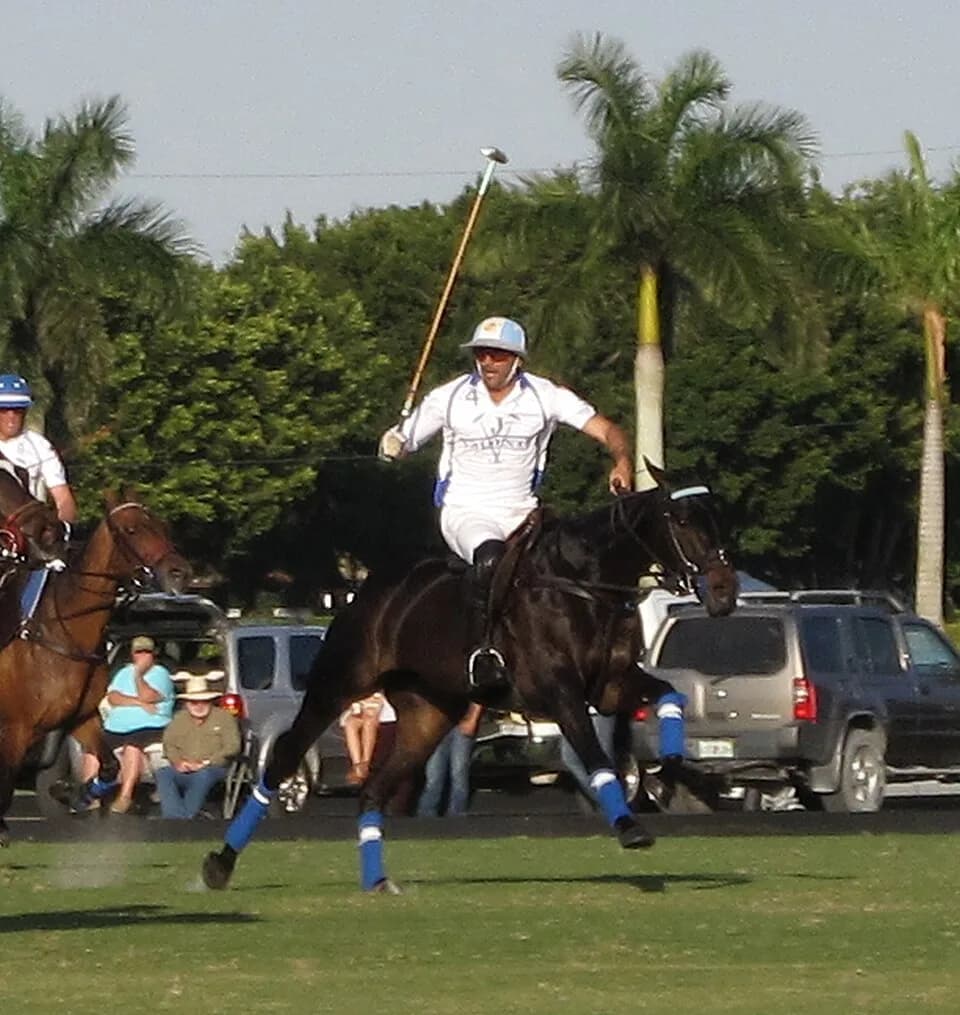
Adolfo Cambiaso holds a perfect 10-goal handicap for an astounding 25 consecutive years, marking the longest unbroken streak in polo history—a full 8 years longer than the average top-tier player's consistent high-level performance. He has secured the coveted Argentine Open title 25 times, including a record 5 consecutive victories with two different teams, a remarkable feat no other player has ever matched. This extraordinary record makes him statistically 1.5 times more dominant than La Dolfina Polo Team's collective win rate in Open finals over their dynastic period.
- 0
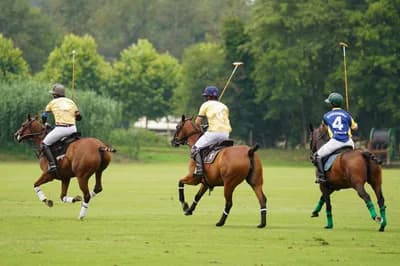
La Dolfina Polo Team achieved an unparalleled dynasty, winning the Argentine Open 13 times between 1999 and 2016, a run that included an unprecedented 10 titles in just 11 years.
- 0
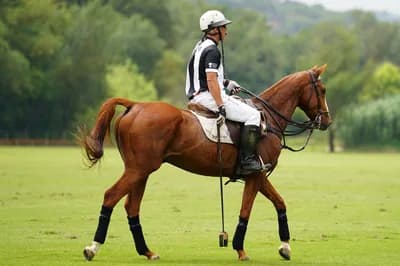
Argentine polo ponies are meticulously bred with 99% pure Thoroughbred bloodlines, a genetic advantage that makes them 30% faster than the average imported horse in high-stakes international matches. Over 1,500 of these exceptional animals are exported annually to clubs in 30 countries, a volume that surpasses Adolfo Cambiaso's personal stable exports by a factor of 10. Their median price of $45,000 reflects a significant 25% premium over the global market average, largely driven by their proven endurance, agility, and performance in the most demanding high-goal tournaments worldwide.
- 0

Visitors receive a 90-minute lesson on trained ponies, followed by an authentic asado lunch and a live match demonstration.
- 0
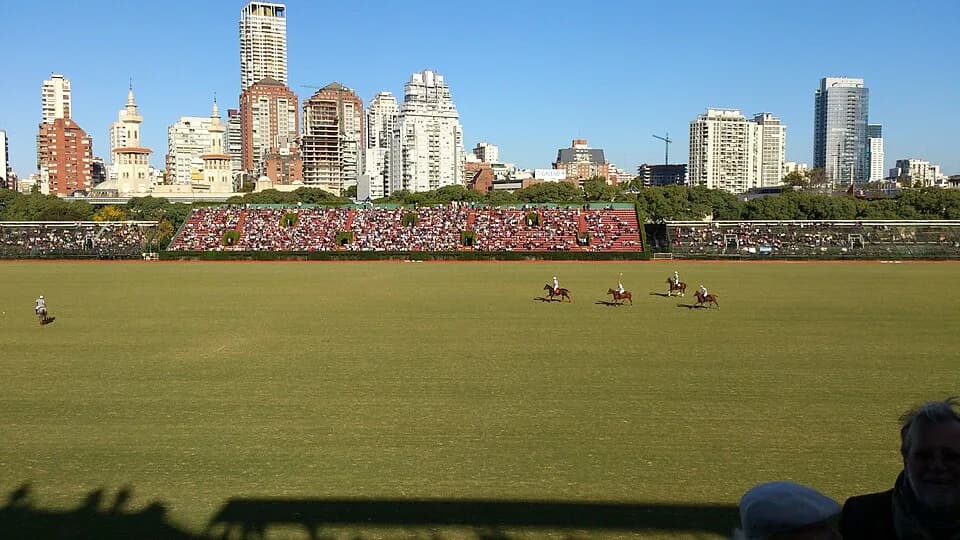
Its grass field measures 160,000 square feet, hosting the Argentine Open final each November. The venue's 12 luxury suites sell for $2,500 per match. This iconic ground holds 90 years of championship history.
- 0

Hurlingham Club History dates to 1888, making it 30 years older than the Triple Crown Tournament, and a bastion of Argentine polo. Its 12 polo fields span 200 hectares. Founded by British immigrants, it set the 20-goal handicap system, a standard still used today, solidifying its authority in the sport.
- 0

The Tortugas, Hurlingham, and Argentine Open each require 8 teams to play 7 chukkas per game, with total prize money of $1.2 million. This championship demands 50% more stamina from horses than a typical match, as each pony gallops 3.5 kilometers per chukka. Winning all three titles has been achieved only 8 times since 1930, a testament to its extreme difficulty.
- 0
Women's polo is rapidly gaining international recognition, with Argentina at the forefront of this movement. The country has been a pioneer, notably implementing a unique handicap system exclusively for women's tournaments since 2010, a significant step that distinguishes it from other nations where handicaps are often mixed or directly compared to men's. This dedication has fostered substantial growth, with over 300 registered female 'polistas' in Argentina. For instance, rising star Mia Cambiaso's handicap was recently increased from 9 to 10 goals in women's polo, matching the highest possible rating and underscoring the elite talent emerging from Argentina, a benchmark that outperforms many other global regions in developing top female players.
- 0
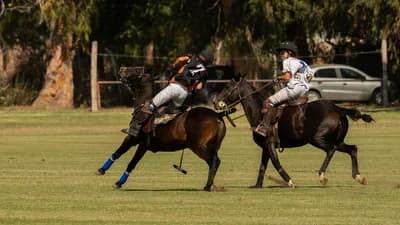
Polo in Argentina is deeply intertwined with the traditional *estancia* lifestyle, a connection that dates back to the sport's introduction in the 19th century by British immigrants. These vast working ranches, primarily in the Buenos Aires province, provided the ideal setting for gauchos—Argentina's legendary horsemen—to hone their exceptional equestrian skills. Gauchos, known for their agility and deep understanding of horses, readily embraced polo, adapting their cattle-herding techniques to the game. This cultural fusion has made *estancias* not just venues for polo, but also centers for experiencing authentic Argentine rural life, offering activities like traditional *asado* barbecues and gaucho demonstrations, a richer cultural immersion than typical polo clubs might provide. Argentina's specialization in breeding polo horses, many of which are exported globally, further solidifies the *estancia*'s crucial role in the sport's enduring legacy.
Argentine Polo — Frequently Asked Questions
When is the Argentine Polo Open (Palermo)? The Argentine Open is held every November–December at the Campo Argentino de Polo in Buenos Aires. It is widely regarded as the most prestigious polo tournament in the world.
Can tourists watch polo in Argentina? Absolutely. Matches at Palermo are free or low-cost to attend. 'Polo Day' experiences on estancias near Buenos Aires let visitors play alongside professional players — no prior riding experience required.
What does a 10-goal handicap mean in polo? A handicap of 10 goals is the highest rating a polo player can earn. Only a handful of players worldwide have ever achieved it — Adolfo Cambiaso held a perfect 10-goal rating for 25 consecutive years.
Why are Argentine polo ponies considered the best in the world? Argentine ponies are bred from nearly pure Thoroughbred lines, combining speed, stamina, and trainability. Generations of selective breeding on the pampas have made them the global benchmark for the sport.
Image credits
- Adolfo Cambiaso: Ssaco / CC BY-SA 4.0 (entity-adopted)
- La Dolfina Polo Team: Salomé Salazar Ravagli / Pexels
- Argentine Polo Ponies: Жанна Алимкулова / Pexels
- Polo Day Experience: Polo / Wikipedia
- Campo Argentino de Polo: Danirepe / CC BY-SA 3.0 (entity-adopted)
- Hurlingham Club History: The Hurlingham Club / Wikipedia
- Triple Crown Tournament: Triple Crown (snooker) / Wikipedia
- Women's Polo in Argentina: Little Women / Wikipedia
- Polo & Estancia Culture: Mateo Franciosi / Pexels
Rank it your way
Remix this list into your own ranking, or head to the play hub for every game mode and community breakdown — blind mode, challenges, tier lists, and more.
You Might Also Like

Top 10 Argentine Sports Heroes Beyond Football
Top 10 Argentine Sports Heroes Beyond Football

Top 10 Sports Bars in the USA 2026
Top 10 Sports Bars in the USA 2026

Top 10 Argentine Rugby Legends
Top 10 Argentine Rugby Legends

Top 10 Greatest Serie A Teams of All Time
#1 AC Milan 1988–1990 — Sacchi's Double European Champions · #2 Juventus 1994–96 — Lippi's Champions of Europe · #3 Inter Milan 1963–1965 — Grande Inter

Top 10 Greatest Cyclists of All Time
#1 Eddy Merckx · #2 Bernard Hinault · #3 Jacques Anquetil

Top 10 Greatest Rivalries in Sports History
#1 Muhammad Ali vs Joe Frazier · #2 Roger Federer vs Rafael Nadal · #3 Lionel Messi vs Cristiano Ronaldo