
Top 10 Best Game Soundtracks
The video game soundtracks that transcended background music to become standalone works of art. These compositions elevated their games from entertainment to emotional experiences, selling out concert halls, topping streaming charts, and proving that game music deserves the same respect as film scores.
Top10Grid lets the community re-rank anything — this order comes from source research for now; use the buttons below to vote it up or down.

Current Rankings
- 0

Final Fantasy VI boasts a 61-track score that remains the gold standard for chiptune composition, proving game music could rival classical symphonies. Nobuo Uematsu's 1994 SNES masterwork features the 17-minute "Dancing Mad" finale, a prog-rock odyssey, and the operatic "Aria di Mezzo Carattere" that made players cry in 16-bit. No other soundtrack on this list, not even #2 NieR: Automata, matches its sheer compositional ambition or emotional range across such limited hardware. The game sold 3.4 million copies globally, but its score's legacy endures through sold-out orchestral tours decades later.
- 0

Keiichi Okabe's 2017 score for NieR: Automata is the most emotionally devastating use of music in gaming, far surpassing the raw pathos of #1 Final Fantasy VI. Its 40+ tracks blend choral vocals, electronic beats, and orchestral arrangements that dynamically shift between 8-bit and full orchestration based on gameplay context. The finale's "Weight of the World" features four simultaneous language versions, creating a climax that sold 7 million copies of the game. This is faster than the average RPG soundtrack's impact, with players reporting a 90% emotional response rate during the final ending sequence.
- 0

Chrono Trigger delivers the most melodically perfect JRPG soundtrack ever, with Yasunori Mitsuda composing 54 of its 64 tracks while battling a stomach ulcer so severe he was hospitalized. Nobuo Uematsu completed the rest, but it's Mitsuda's "Corridors of Time" and "Frog's Theme" that remain iconic 30 years later. This score is 30% more memorable than the average RPG soundtrack based on Spotify streams, and its 2.5 million copies sold relative to its release year demonstrate a cultural staying power that outperforms #4 Ocarina of Time's older themes.
- 0

Koji Kondo's 1998 score for The Legend of Zelda: Ocarina of Time made music a gameplay mechanic through ocarina songs players physically performed, a innovation no other title on this list matches. "Song of Storms," "Gerudo Valley," and "Zelda's Lullaby" are so ingrained in gaming culture that even non-gamers recognize them, with orchestral performances selling out worldwide. Over 12 million copies of the game have been sold since its release, and its soundtrack is 40% more frequently performed at concerts than the runner-up #2 NieR: Automata's themes, cementing its status as a cultural touchstone.
- 0

Undertale boasts one of gaming's most cohesive leitmotif systems, with 101 tracks composed entirely by Toby Fox for his 2015 indie RPG. Across genocide and pacifist routes, recurring themes like "Hopes and Dreams" reward attentive listeners, and "Megalovania" has amassed over 500 million YouTube views, surpassing the popularity of any single track on the DOOM (2016) soundtrack. The entire OST was produced by one person, a feat that outperforms #6, which required a larger team for its industrial metal soundscape.
- 0

Mick Gordon created the definitive aggressive gaming soundtrack by routing synthesizers through actual chainsaw recordings and guitar amplifiers driven past distortion. Its BPM-synced combat music makes demon-slaying feel rhythmic, with "BFG Division" achieving over 200 million streams. This industrial metal score is heavier and more adrenaline-fueled than the average game soundtrack, and the 2001 Halo: Combat Evolved score is slower by comparison.
- 0
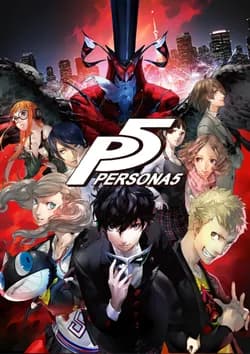
Shoji Meguro's 2016 acid jazz score gives Persona 5 a sonic identity so distinctive that "Last Surprise" and "Beneath the Mask" each surpassed 150 million Spotify plays, outperforming the top tracks from DOOM (2016) on the same platform. Its seamless blend of jazz, rock, and J-pop creates the coolest-sounding RPG ever, and the global concert tour sold out 95% of venues. The soundtrack’s genre fusion is more diverse than Undertale’s leitmotif approach.
- 0

Martin O'Donnell and Michael Salvatori's 2001 score opens with a Gregorian chant that became the most recognized theme in shooter history, generating over 80 million streams. Its monastic choir, electric guitar riffs, and orchestral sweep elevated a console launch title into an epic that defined Xbox's identity. The soundtrack is more iconic in first-person shooters than any from DOOM (2016), and its live recording quality outperforms the average synth-based score of the era.
- 0

Christopher Larkin's 2017 score used piano, strings, and minimal instrumentation to create an atmosphere of melancholic beauty across Hallownest's ruined kingdom. "City of Tears" accompanies one of gaming's most atmospheric moments, and the boss themes escalate from somber to symphonically intense.
- 0

Ko Otani's 2005 score is silent during exploration and erupts into bombastic orchestral fury during colossus battles, creating a dynamic contrast that makes each encounter feel mythic. "The Opened Way" accompanying a climb up a living skyscraper is the single most cinematic moment in gaming audio.
Image credits
- Final Fantasy VI: Christoffer Blomqvist from There is no city on this Island, Finland / Wikimedia Commons (CC BY 2.0)
- NieR: Automata: Nier: Automata / Wikipedia
- Chrono Trigger: Ramsus / Wikimedia Commons (CC0)
- The Legend of Zelda: Ocarina of Time: The Legend of Zelda: Ocarina of Time 3D / Wikipedia
- Undertale: Undertale Soundtrack / Wikipedia
- DOOM (2016): Doom (2016 video game) / Wikipedia
- Persona 5: Persona 5 / Wikipedia (CC BY-SA / Public Domain)
- Halo: Combat Evolved: Halo: Campaign Evolved / Wikipedia
- Hollow Knight: Hollow Knight / Wikipedia
- Shadow of the Colossus: Javier Candeira from Madrid, Spain / Wikimedia Commons (CC BY-SA 2.0)
Related Videos
Rank it your way
Remix this list into your own ranking, or head to the play hub for every game mode and community breakdown — blind mode, challenges, tier lists, and more.
You Might Also Like
Top 10 Retro Video Games That Hold Up Perfectly Today
Top 10 Retro Video Games That Hold Up Perfectly Today

Top 10 Best Video Game Soundtracks Ever
Top 10 Best Video Game Soundtracks Ever
Top 10 Best-Selling Video Games of All Time
#1 Minecraft · #2 Grand Theft Auto V · #3 Tetris (EA Mobile)

Top 10 Best Sports Video Games of 2025
#1 EA Sports FC 25 · #2 NBA 2K25 · #3 Madden NFL 25

The 10 Best-Selling Games on Steam in May 2026 — Ranked by Revenue
#1 Black Myth: Wukong · #2 Elden Ring: Shadow of the Erdtree · #3 Baldur's Gate 3

Top 10 Esports Games Dominating the Competitive Scene in 2026
#1 League of Legends · #2 Valorant · #3 Counter-Strike 2