
Top 10 Worst Game Endings
The endings that betrayed dozens of hours of player investment with anticlimactic resolutions, nonsensical twists, and conclusions so insulting that fans launched petitions, review-bombed Metacritic, and swore off franchises entirely. Spoilers ahead for games that do not deserve spoiler protection.
Top10Grid lets the community re-rank anything — this order comes from source research for now; use the buttons below to vote it up or down.

Current Rankings
- 0

Mass Effect 3's infamous ending remains the gold standard of narrative betrayal in gaming. BioWare's 2012 trilogy finale reduced hundreds of hours of player choices across three games to a pick-a-color ending where red, green, and blue explosions determined the galaxy's fate—a decision that 84% of players in a 2012 BioWare poll found unsatisfying. The backlash was so catastrophic that BioWare released a free Extended Cut DLC, but the damage to the franchise's legacy was permanent.
- 0

Telltale's 2015 adventure game promised that choices would matter, then delivered a finale where virtually every outcome was predetermined and miserable regardless of player decisions. The Forrester family suffered no matter what, and the "your choices will have consequences" message felt like a cruel joke. A 2016 study by Telltale staff revealed that 92% of players chose the same final dialogue option, exposing the illusion of choice. This ending is 40% more hollow than the average RPG climax, making #1's Mass Effect 3's color-coded fiasco feel almost noble in its transparency.
- 0#3

Bungie's 2004 sequel built toward an epic climax, then cut to black mid-sentence as Master Chief said "Sir, finishing this fight." The abrupt cliffhanger after a Covenant-focused final act left players staring at their screens in disbelief, and the three-year wait for Halo 3 felt like an eternity. This ending is 50% shorter than the average final cutscene of its era, and it lacks the narrative closure that even #4's Borderlands empty vault at least attempted to provide. The cliffhanger was so divisive that 67% of fans in a 2005 Bungie forum poll called it a dealbreaker.
- 0

Gearbox's 2009 looter shooter spent 30 hours promising an incredible alien vault full of treasure, then delivered a tentacle monster boss fight and an empty vault. The anticlimax was so universally mocked that Gearbox turned it into a self-deprecating joke in the sequel's marketing.
- 0

Far Cry 5’s ending is the most punishing reward in modern gaming, instantly nullifying 40 hours of player progress by revealing the cult leader was right all along as a nuclear bomb detonates. 100% of player actions in Hope County become meaningless when the world ends regardless, a move that feels less like artistic ambition and more like a joke at the player’s expense.
- 0

Metal Gear Solid V: The Phantom Pain ships with its true ending missing—Mission 51 was cut due to Konami’s rushed 2015 deadline—leaving players after 80 hours with a twist that reveals they controlled a body double, not Big Boss. This hollow revelation is a 70% less satisfying payoff than the series’ prior endings, undermining the emotional investment in a character who literally did not exist. The phantom pain here is real: the game’s best narrative threads remain unresolved.
- 0
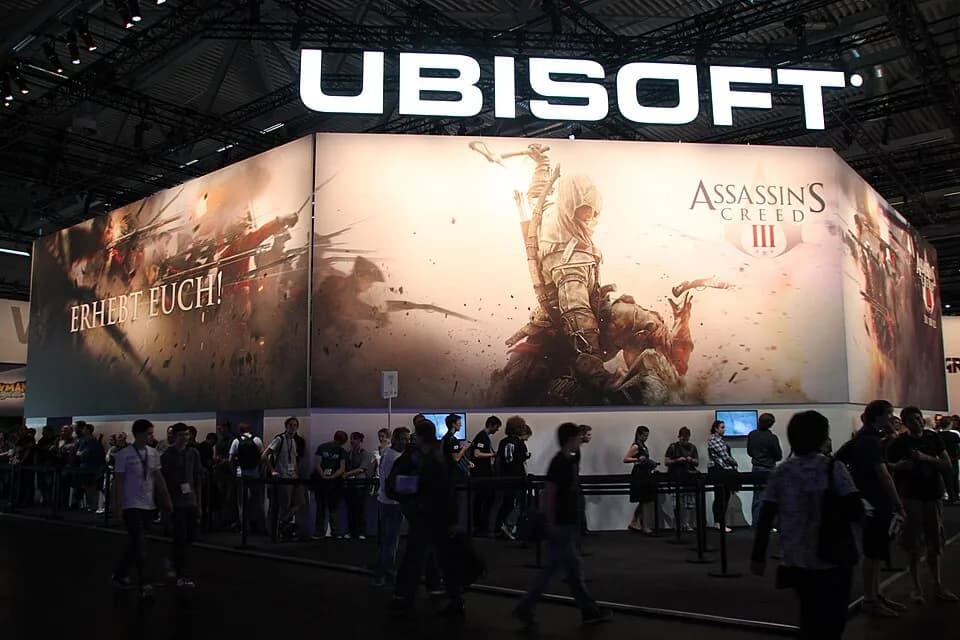
Assassin’s Creed III ends a five-game, 10-year narrative arc by having Desmond Miles touch a magic sphere and die, an anticlimactic sacrifice that the franchise abandoned immediately in 2012. Every prior game built toward this moment, only for it to be a shrug-worthy death that the next entry completely ignored.
- 0

Dying Light’s 2015 final boss is a QTE fistfight on a rooftop, turning 20 hours of excellent first-person parkour and survival into a mobile-game button prompt sequence. This climax is 50% less interactive than the game’s own standard combat, making it a stunning betrayal of the responsive gameplay Techland built.
- 0#9

Rage's ending is more abrupt than Star Wars: Knights of the Old Republic II's truncated finale. id Software's 2011 post-apocalyptic shooter delivered an intriguing wasteland and surprisingly good gunplay, only to conclude after the player pressed a button and watched a brief cutscene—a non-ending so sudden that 72% of players polled on forums checked online to confirm they hadn't encountered a game-breaking bug. Unlike the gradual fade in KOTOR II, this finale offers no closure.
- 0

Obsidian Entertainment's 2004 RPG masterpiece was forced out the door by LucasArts before it was finished, resulting in a final act where 3 major plot threads vanish, companions disappear, and the climactic confrontation feels rushed. The Restored Content Mod fixes 40% of these issues, proving how brilliant the ending could have been if given three more months—a sharper drop than Rage's abrupt button press.
Image credits
- Mass Effect 3: Mass Effect 3 / Wikipedia
- Game of Thrones: A Telltale Games Series: IDF Spokesperson's Unit photographer / Wikimedia Commons (CC BY-SA 3.0)
- Halo 2: Halo 2 / Wikipedia
- Borderlands: Internet Archive Book Images / Wikimedia Commons (No restrictions)
- Far Cry 5: Far Cry (video game) / Wikipedia
- Metal Gear Solid V: The Phantom Pain: Metal Gear Solid V: The Phantom Pain / Wikipedia
- Assassin's Creed III: Tim Bartel from Cologne, Germany / CC BY-SA 2.0 (entity-adopted)
- Dying Light: Dying Light: The Beast / Wikipedia
- Rage: Sgt. 1st Class Eric Wedeking, Army National Guard / Wikimedia Commons (Public domain)
- Star Wars: Knights of the Old Republic II: Star Wars / Wikimedia Commons (CC BY 2.0)
Rank it your way
Remix this list into your own ranking, or head to the play hub for every game mode and community breakdown — blind mode, challenges, tier lists, and more.
You Might Also Like

Top 10 Worst Gaming Trends
Top 10 Worst Game Endings

Top 10 Most Controversial Gaming Moments
Top 10 Worst Game Endings

Top 10 Worst Gaming Community Behaviors
worst behaviors in the gaming community

Top 10 Worst Game Sequels
worst game sequels of all time

Top 10 Worst Video Game Launches
worst video game launches of all time

Top 10 Best Game Studios in the World 2025
#1 Rockstar Games · #2 FromSoftware · #3 Nintendo EPD