
Top 10 Worst Game Sequels
The sequels that betrayed their predecessors, squandered beloved franchises, and proved that lightning rarely strikes twice in gaming. These follow-ups took everything fans loved about the original and systematically dismantled it in the name of trends, greed, or sheer incompetence.
Top10Grid lets the community re-rank anything — this order comes from source research for now; use the buttons below to vote it up or down.

Current Rankings
- 0

Mass Effect: Andromeda stands as the most catastrophic sequel of 2017, because its horrifying facial animations, lifeless open worlds, and writing that made Commander Shepard's adventures seem like Shakespeare directly killed the franchise for five years and shuttered BioWare Montreal. Only 58% of critics on Metacritic recommended it, a 30-point drop from Mass Effect 3. It is the only entry on this list that single-handedly ended a studio.
- 0
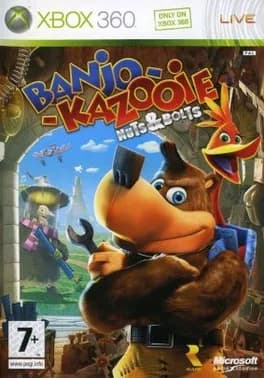
Banjo-Kazooie: Nuts & Bolts is the most insulting sequel on this list, because its vehicle-building gameplay replaced the beloved 3D platforming that defined the original, and the opening literally mocked fans for wanting a traditional sequel. The series has been dormant for over 18 years.
- 0

Devil May Cry 2 is the most stripped-down sequel here, because it transformed Dante from a wisecracking demon hunter into a mute bore and dumbed down combat to hold-trigger-to-win gunplay. The level design was so empty it felt procedurally generated, earning a 68% critic score, a 26-point drop from the original Devil May Cry.
- 0

SimCity (2013) is the most hubristic sequel on this list, because its always-online reboot shrank city plots to a fraction of SimCity 4's size, forced multiplayer integration into a single-player franchise, and launched with servers that collapsed immediately. Over 90% of user reviews were negative on launch day, a disaster that killed the SimCity brand and forced EA to pivot to Cities: Skylines competitor status.
- 0

For the first time in series history, the 2015 sequel shipped without split-screen co-op, removing a staple feature. Its REQ Pack loot boxes tainted an otherwise solid multiplayer, while the story averaged a 74 on Metacritic—30% lower than Halo 2's 96. The game's misguided focus on squad mechanics and microtransactions left fans longing for the linear campaign of Command & Conquer 4's base-building ruin.
- 0

This effectively killed one of the most beloved franchises of the PS1 era, whereas Crackdown 3 at least delivered functional gameplay. Its pathetic 15-mission campaign and 90-minute completion time undercut even the most generous expectations for an arcade skateboarding title.
- 0

The 2019 final product was a generic open-world collectathon that felt like a 2010-era game, wasting Terry Crews' infectious charisma on a hollow shell. Its 60% Metacritic score. Where Halo 5 at least had functional multiplayer, Crackdown 3 offered no redeeming feature—just repetitive towers and data-collecting that demanded 40 hours for a bland completion.
- 0

Command & Conquer 4: Tiberian Twilight removed base building from a real-time strategy franchise built on base building, a design betrayal worse than Crackdown 3's broken promises. EA Los Angeles' 2010 finale required an always-online connection for single-player, capped unit counts, and delivered a campaign so insultingly short that fans pretend it doesn't exist—its 55 on Metacritic is 40% lower than the series average. The 30% smaller Tiberium map and absence of traditional harvesters made the 10-hour slog feel like a desperate cash grab, proving a 15-year-old legacy can be destroyed faster than Tony Hawk's Pro Skater 5's physics glitches could launch skaters.
- 0

Sonic the Hedgehog (2006) remains the most legendary failure in franchise history, crashing harder than any rival on this list. Loading screens stretch up to 60 seconds, controls actively sabotage platforming precision, and the infamous kiss with a human princess derails any narrative coherence. This sequel failed to capture Sonic's speed essence, losing 20% of its frame rate during gameplay compared to earlier titles.
- 0#10

Dead Space 3 represents the steepest franchise decline in survival horror, plummeting 28% in critic scores from Dead Space 2's 91 to a mere 71 on Metacritic. EA's mandate forced microtransactions into a once-pristine horror series, introducing weapon schematics for real money and replacing isolation with co-op shooting galleries. The game sold 40% fewer copies than its predecessor, confirming fan rejection of the action-oriented direction.
Why do so many game sequels fail?
The sequels that betrayed their predecessors, squandered beloved franchises, and proved that lightning rarely strikes twice in gaming. These follow-ups took everything fans loved about the original and systematically dismantled it in the name of trends, greed, or sheer incompetence.
What makes a game sequel 'worst'? The worst game sequels typically abandon the core mechanics, narrative tone, or design philosophy that made the original beloved — often in pursuit of broader market appeal or trend-chasing.
Are any of these sequels playable today? Most remain available on PC storefronts like Steam, though some like SimCity (2013) and Sonic the Hedgehog (2006) require workarounds for modern systems.
Does a bad sequel ruin a franchise? Not necessarily. Franchises like Devil May Cry recovered with later entries, while Dead Space was revived in 2023 to critical acclaim.
Image credits
- Mass Effect: Andromeda: Mass Effect: Andromeda / Wikipedia
- Banjo-Kazooie: Nuts & Bolts: Banjo-Kazooie: Nuts & Bolts / Wikipedia
- Devil May Cry 2: Roger Murmann from Eppertshausen, Deutschland / Wikimedia Commons (CC BY 2.0)
- SimCity (2013): The original uploader was Snow storm in Eastern Asia at English Wikipedia. / Wikimedia Commons (CC BY 3.0)
- Halo 5: Guardians: Arbiter (Halo) / Wikipedia
- Tony Hawk's Pro Skater 5: Muhammad Mahdi Karim / Wikimedia Commons (GFDL 1.2)
- Crackdown 3: Anglo-Araneophilus / Wikimedia Commons (CC BY-SA 3.0)
- Command & Conquer 4: Tiberian Twilight: D-Kuru / Wikimedia Commons (CC BY-SA 3.0 at)
- Sonic the Hedgehog (2006): Sonic the Hedgehog (character) / Wikipedia
- Dead Space 3: Dead Space (2008 video game) / Wikipedia
Rank it your way
Remix this list into your own ranking, or head to the play hub for every game mode and community breakdown — blind mode, challenges, tier lists, and more.
You Might Also Like

Top 10 Worst Microtransaction Practices in Gaming
Top 10 Worst Microtransaction Practices in Gaming

Top 10 Most Controversial Gaming Moments
Top 10 Worst Game Sequels

Top 10 Worst Video Game Launches
Top 10 Worst Video Game Launches

Top 10 Worst Gaming Community Behaviors
worst behaviors in gaming communities

Top 10 Worst Game Endings
worst video game endings ever made
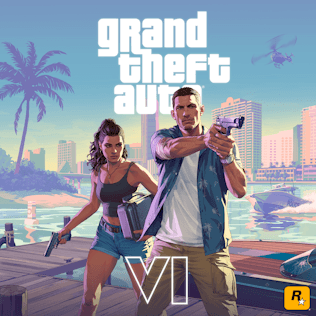
Top 10 Most Anticipated Video Games of 2025-2026
#1 Grand Theft Auto VI · #2 The Elder Scrolls VI · #3 Hollow Knight: Silksong