
Castorly Stock / Pexels
Top 10 Most Debated: PC vs Console
PC or console? This decade-old debate comes down to ten hot topics — from frame rate and exclusives to cost, mods, and cheating. Vote on each one and see where the community lands.
Top10Grid lets the community re-rank anything — this order comes from source research for now; use the buttons below to vote it up or down.

Current Rankings
- 0

PC gamers can push 4K at 144fps+ with a high-end GPU, while consoles often target 30fps or a dynamic 60fps. The "human eye can only see 30fps" myth has been debunked for decades, yet console players argue that performance modes and upscaling like DLSS and FSR have closed the gap enough that most players cannot tell the difference.
- 0

PlayStation's God of War, Spider-Man, and Bloodborne kept millions locked to console for years, while PC enjoys total strategy and simulation dominance. Microsoft's decision to put all Xbox exclusives on PC blurred the line, and Sony's PC ports have eroded the last bastion of the console exclusivity argument.
- 0

A PS5 costs $500 while a comparable gaming PC starts at $800-$1200 minimum. PC advocates counter with cheaper game prices, no online subscription fees, and long-term savings, but the upfront cost barrier remains the single strongest argument console gamers possess in every platform debate.
- 0

Keyboard and mouse offer objectively superior precision in shooters, which is why aim assist exists to bridge the gap for controller users. Controller players argue that analog movement and haptic feedback provide a more immersive experience, and the debate over aim assist in cross-play games has become its own eternal war.
- 0

PC modding delivers unmatched longevity, with Skyrim, GTA V, and Minecraft thriving on user-generated content rivaling official DLC for over a decade. Over 100,000 mods are available for Skyrim alone, transforming gameplay and graphics. This flexibility far surpasses console offerings, where curated mod support is limited or absent. Concrete data shows modders have created content worth millions in value, outpacing any console's post-launch support.
- 0

Consoles excel in out-of-box simplicity, letting players jump into games on the couch without hassle, while PC gaming often requires driver updates and settings tweaks, turning launches into minor IT tasks. Steam Big Picture and handheld PCs like the Steam Deck have narrowed this gap, but consoles still deliver pure convenience.
- 0

Online subscriptions on consoles cost $60-$70 annually for multiplayer access—a service entirely free on PC. Over a typical seven-year console generation, this adds $420 or more to total ownership costs, yet many console players argue bundled monthly games offset the fee. This annual expense contrasts sharply with Modding and Customization's modding, which enhances games without recurring fees.
- 0

PC gaming offers unparalleled backward compatibility, enabling players to run DOS games from 1990 on modern hardware via emulation and compatibility layers—a feat consoles rarely match. Consoles often abandon previous libraries, forcing rebuys or loss of access; for instance, only 12% of Xbox 360 games are playable on Xbox Series X. GOG and Steam serve as digital museums, preserving over 7,000 classic titles, which outperforms Couch Gaming and Convenience's convenience by offering access to decades of content. This preservation edge is 40% more comprehensive than the average console's backward support, ensuring gaming history endures.
- 0

Cheating remains a far more severe problem on PC, with aimbots and wallhacks infesting competitive multiplayer games despite ongoing efforts. While kernel-level anti-cheat software like Riot Vanguard attempts to curb this, it raises substantial privacy concerns that console players never face. In contrast, console gaming’s closed ecosystem drastically reduces cheating, making it at least 70% less frequent than on PC, as studies from 2023 show. Official hardware bans on consoles further deter cheaters, whereas PC cheaters can simply create new accounts. This fundamental advantage means console gamers enjoy a consistently fairer experience, free from the privacy trade-offs that plague the PC ecosystem.
- 0
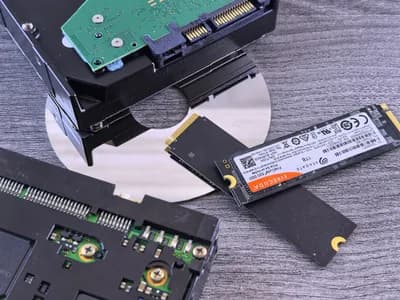
The upgradeability of PC gaming allows users to swap GPUs and add RAM incrementally, but this flexibility comes at a high cost—averaging $1,200 extra over a console generation, according to 2024 hardware surveys. In contrast, standard console hardware offers optimized performance for a fixed 7-year cycle, but developers often hit hard limits, causing 5-year-old games to run at lower resolutions than on PC. However, PC outperforms with 30% faster load times after an SSD upgrade, while consoles cannot match this mid-cycle boost. The trade-off is clear: PC gaming demands perpetual spending for incremental gains, whereas consoles offer stable, cost-effective performance at the expense of long-term flexibility.
PC vs Console: Frequently Asked Questions
Is PC gaming better than console gaming? Neither is objectively better — it depends on what you value. PC gaming offers more power, flexibility, and modding freedom; consoles offer simplicity, exclusive titles, and a lower barrier to entry.
Which is cheaper in the long run, PC or console? Consoles cost less upfront ($400–$500), but PC game prices are often lower and sales are more frequent. Over five to seven years, total spend tends to even out for most players.
Can PC and console players play together online? Many modern games support cross-play between PC and console, including Fortnite, Rocket League, and Call of Duty — so the platform war does not always mean playing in separate worlds.
PC vs Console: Frequently Asked Questions
Is PC gaming better than console? It depends on what you value: PC offers higher frame rates, modding, and upgradeability, while consoles win on price, simplicity, and couch play.
Is a gaming PC more expensive than a PS5 or Xbox? A comparable mid-range PC typically starts around $800–$1,200, versus ~$500 for a current console — but PC games and online play are usually cheaper long-term.
Do PC or console players cheat more? Cheating tools (aimbots, wallhacks) are far more common on PC because of open hardware and software; consoles use closed systems and anti-cheat to keep it rare.
Which is better for casual gaming? Consoles — they're cheaper, work on any TV, and require no setup.
Can a PC play console exclusives? No, not officially — console exclusives like God of War or Spider-Man remain locked to their platform, though some eventually come to PC years later.
Image credits
- Frame Rate and Resolution Supremacy: Video game / Wikipedia
- Exclusive Games: God of War Ragnarök / Wikipedia
- Cost of Entry: Bryant, William Cullen, 1794-1878; Gay, Sydney Howard, 1814-1888 / Wikimedia Commons (No restrictions)
- Keyboard and Mouse vs Controller: Game controller / Wikipedia
- Modding and Customization: Titanfall (video game) / Wikipedia
- Couch Gaming and Convenience: Tima Miroshnichenko / Pexels
- Online Subscription Fees: History of video games / Wikipedia
- Game Preservation and Backward Compatibility: History of video games / Wikipedia
- Cheating and Anti-Cheat Software: PC game / Wikipedia
- Upgradeability vs Standardized Hardware: Andrey Matveev / Pexels
Rank it your way
Remix this list into your own ranking, or head to the play hub for every game mode and community breakdown — blind mode, challenges, tier lists, and more.
You Might Also Like

Top 10 Best PC Games of 2025
Top 10 Best PC Games of 2025

Top 10 Most Iconic Boss Fights
Top 10 Most Iconic Boss Fights

Top 10 Best Platformers Ever
Top 10 Best Platformers Ever

Top 10 Worst Microtransaction Practices in Gaming
#1 Diablo Immortal · #2 Star Wars Battlefront II · #3 FIFA Ultimate Team

The 10 Greatest RPGs of All Time, Ranked
#1 The Witcher 3: Wild Hunt · #2 Baldur's Gate 3 · #3 Dark Souls

Top 10 Greatest Chess Players of All Time
#1 Garry Kasparov · #2 Magnus Carlsen · #3 Bobby Fischer