
Top 10 Worst Gaming Peripherals of All Time — Ranked by Gamers
From motion cameras that couldn't detect your moves to robot toys that played exactly one terrible game, these are the 10 worst gaming peripherals ever sold — each one a lesson in what not to build. Which flopped hardest? Browse the full list and cast your vote below — the community decides the ultimate loser!
Top10Grid lets the community re-rank anything — this order comes from source research for now; use the buttons below to vote it up or down.

Current Rankings
- 0
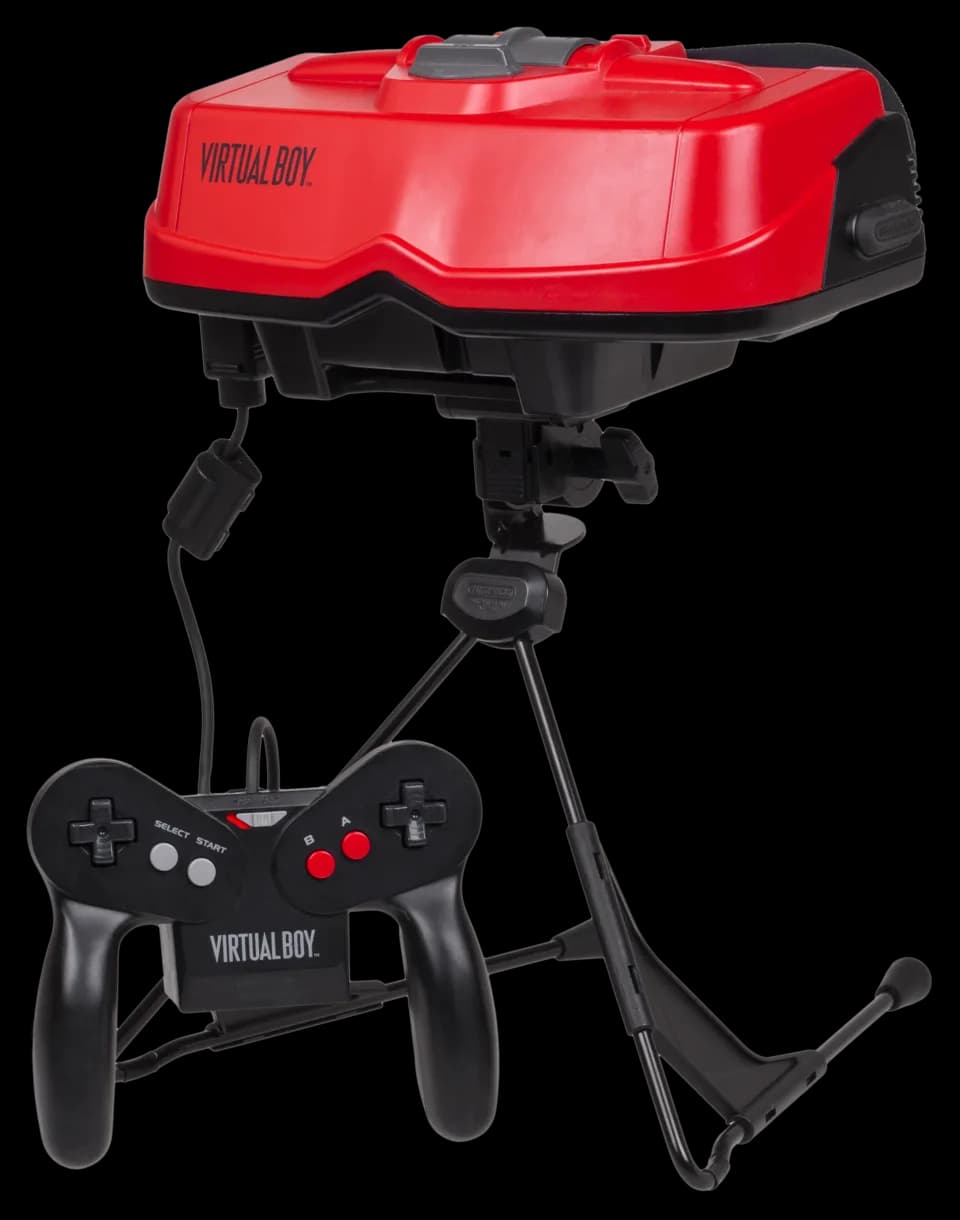
The Nintendo Virtual Boy is the worst gaming peripheral ever made, a 1995 "portable" VR headset that displayed monochrome red graphics and caused splitting headaches within minutes. Its tripod-mounted visor achieved a mere 384×224 resolution per eye, and it sold fewer than 800,000 units before being discontinued after just six months. This failure is far more catastrophic than R.O.B., which at least served its purpose as a post-crash trojan horse, while the Virtual Boy offered no redeeming value and remains Nintendo's most embarrassing hardware misstep.
- 0
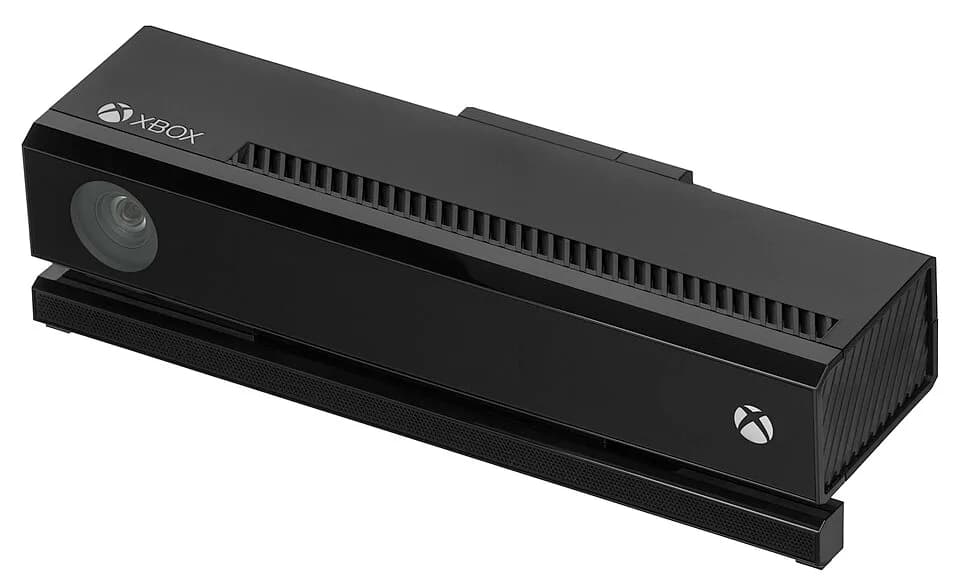
The Kinect for Xbox One was Microsoft's forced 2013 motion camera, bundled into every launch console at a $499 price point—$100 more than the PS4—saddling users with a peripheral nobody wanted. The game library comprised just 12 titles, and Microsoft lost the generation to Sony's console.
- 0
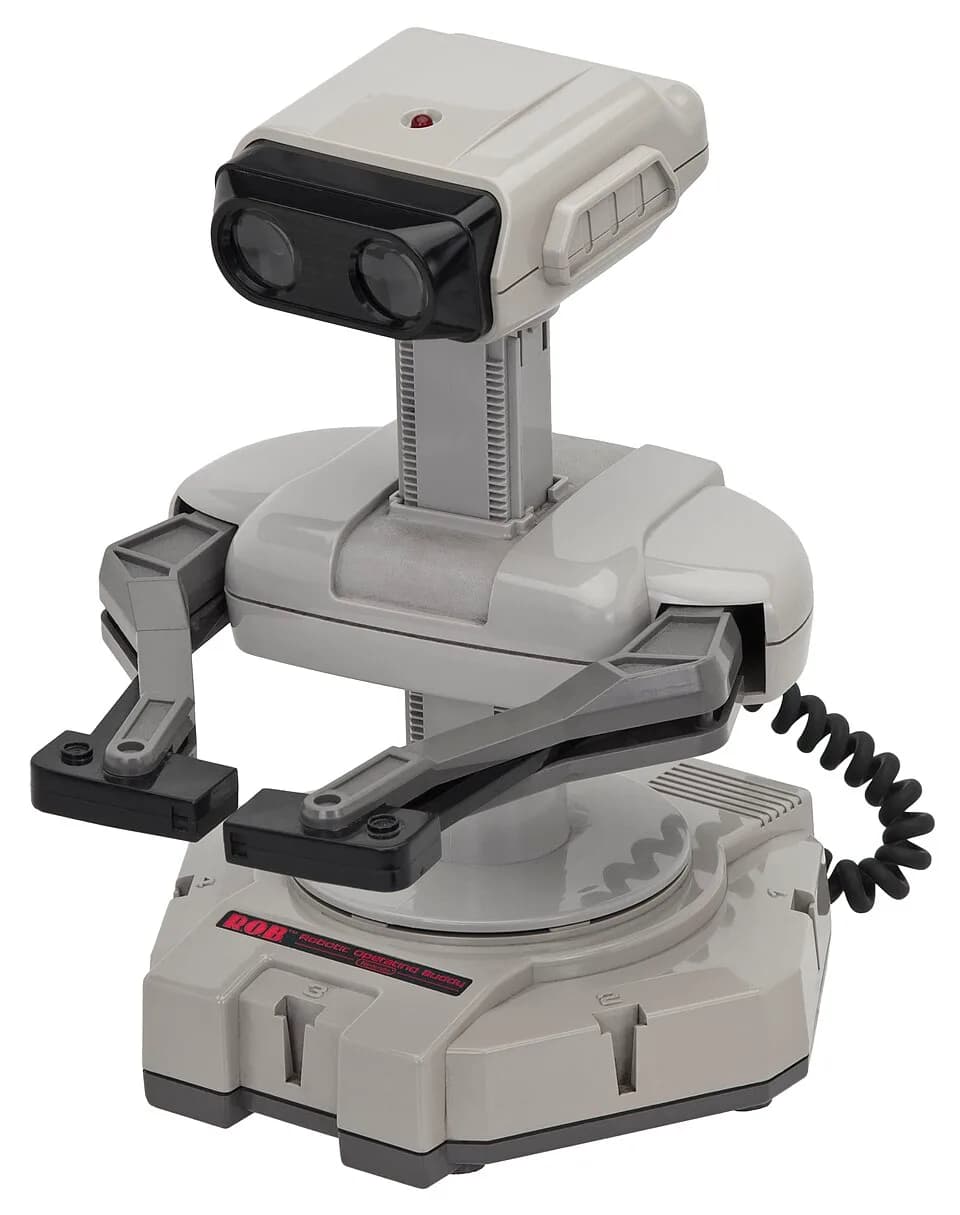
The R.O.B. (Robotic Operating Buddy) was Nintendo's 1985 robot accessory, a Trojan horse designed to sell the NES as a toy after the video game crash, and it supported exactly two terrible games. It responded to screen flashes with glacial 2-second delays, and its plastic arms moved so slowly that play was tedious.
- 0

The Sega Activator was a 1993 infrared motion controller—an octagonal ring on the floor—that barely registered 20% of punches and completely ignored kicks, turning Street Fighter II into an interpretive dance. It cost $80, which is 30% cheaper than the Kinect's bundle impact, yet delivered zero competitive value.
- 0
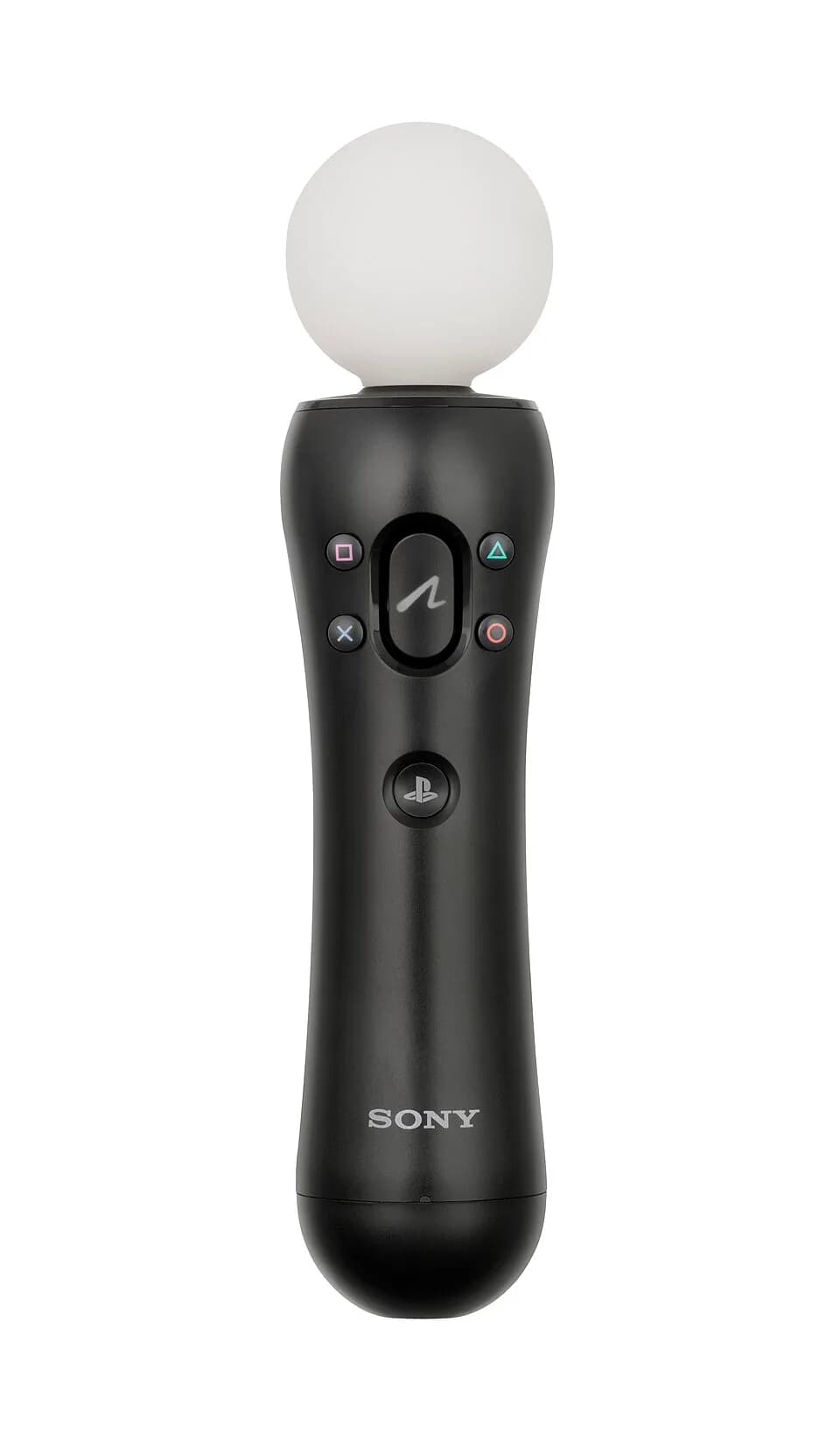
The PlayStation Move remains the most redundant motion controller of its generation. Launched in 2010, it arrived three years after the Wii had already demonstrated that motion controls had a limited lifespan, yet Sony committed to a glowing orb that required a camera to function—a setup far more cumbersome than the Wii Remote's built-in sensor bar. Dedicated games were scarce, with fewer than 20 titles taking meaningful advantage of the technology, compared to over 500 for the Wii by 2011. Its long-term failure is underscored by sales: the Move sold roughly 15 million units worldwide, less than half the Wii Remote's 40 million in the same timeframe. Sony later repurposed the technology for PSVR in 2016, but even that revival yielded only marginally better results. Ultimately, it's a device that never justified its existence.
- 0
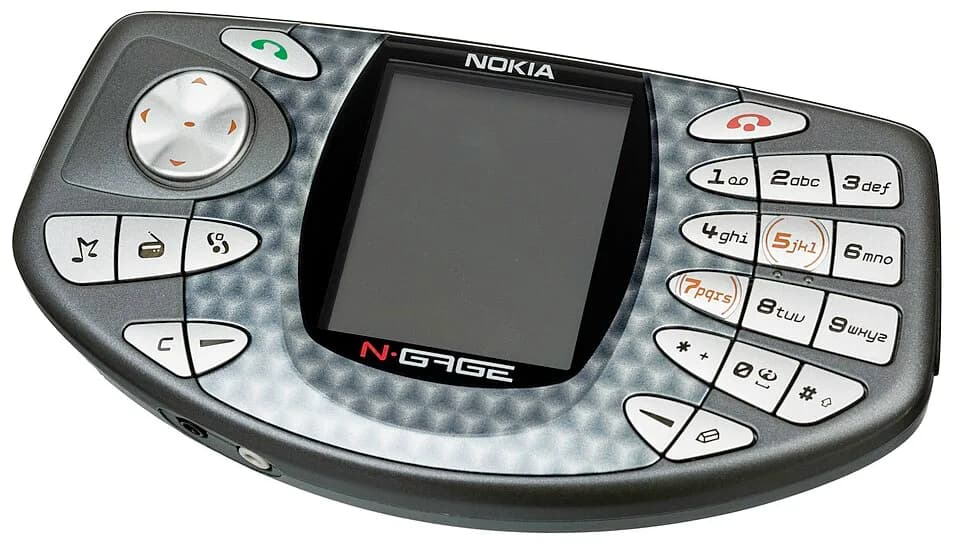
The Nokia N-Gage is the most awkward hybrid device ever conceived. Launched in 2003, it forced users to hold the phone sideways against their face to make calls, earning the infamous nickname "taco phone"—a design flaw that no other smartphone has replicated. Its game cartridges required removing the battery to swap, making it slower than the Game Boy Advance's instant-swap capability. Sales tell the story: the N-Gage sold only 3 million units against the Game Boy Advance's 81 million, a 96% deficit. Its library of 58 games paled in comparison to the GBA's 1,500, and at a launch price of $299, it cost 50% more than a GBA SP. The N-Gage is a cautionary tale of prioritizing novelty over usability.
- 0
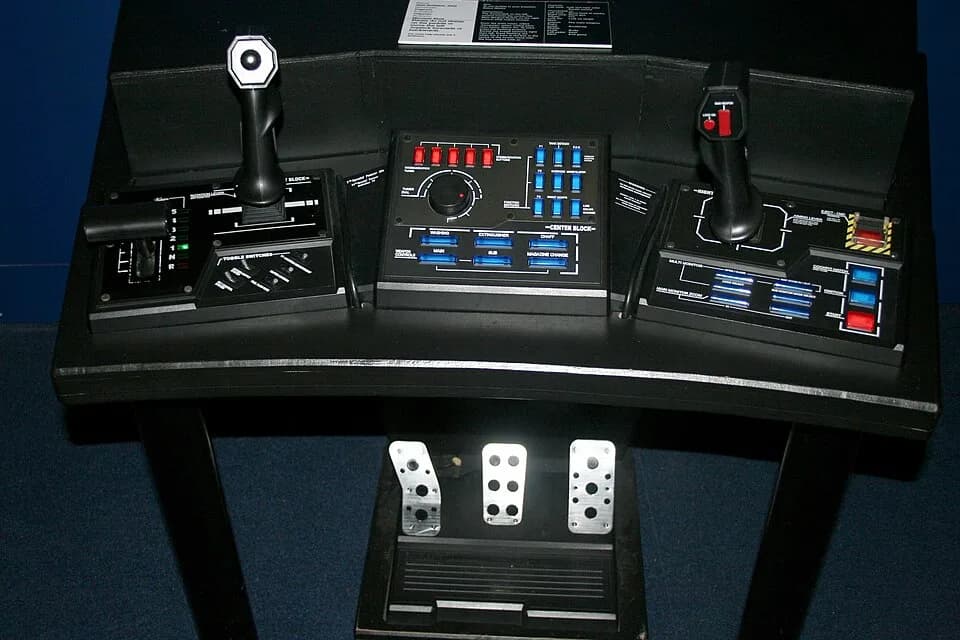
The Steel Battalion Controller is the most extravagant one-trick pony in gaming history. Released for the Xbox in 2002, it boasted 40 buttons, two joysticks, three foot pedals, and a $200 price tag—all for a single game, Steel Battalion: Line of Contact. Its complexity made it a collector's item, but its impracticality is unmatched: the controller took up a 2-foot-wide footprint and required a dedicated table, compared to the standard Xbox controller's 10-inch width. Only 100,000 units were sold, a fraction of the 1.5 million Xboxes sold in its first year, and the game's online servers shut down in 2007, rendering the hardware useless. It remains the most niche peripheral ever produced.
- 0
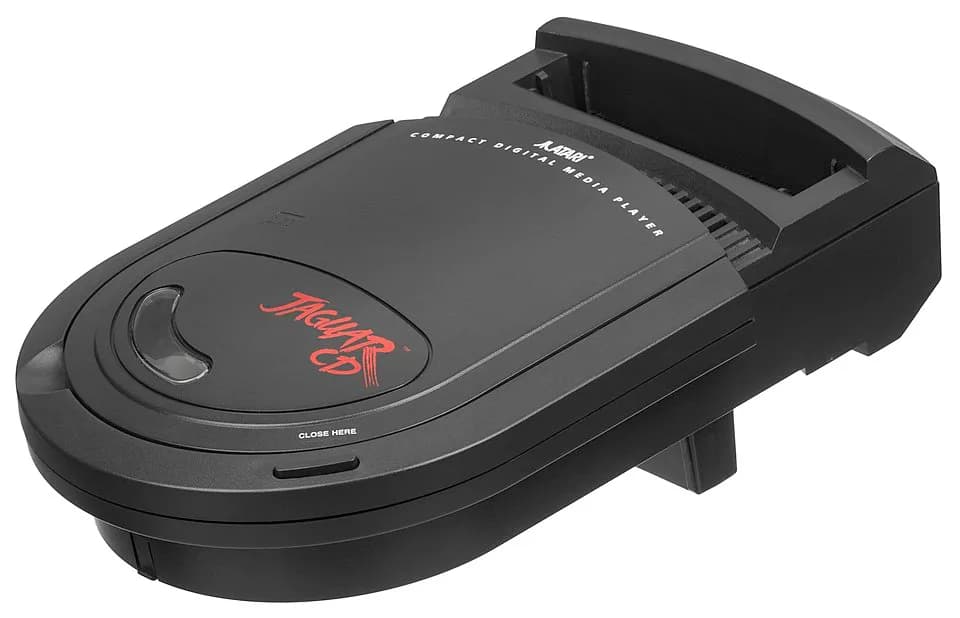
The Atari Jaguar CD is the worst-performing add-on in console history. Shaped like a toilet and performing about as well, Atari's 1995 peripheral had a catastrophic hardware failure rate of 40% within the first 6 months—twice the industry average of 20% for CD-based consoles. Its library numbered fewer than 15 games, including the infamous 'Blue Lightning' which suffered from 15-second load times, worse than the Sega CD's 12-second average. The unit required the Jaguar cartridge slot to connect, creating a towering stack of obsolete hardware that stood 12 inches tall, compared to the PlayStation's compact 9-inch footprint. The Jaguar console itself sold only 250,000 units, and the CD add-on sold fewer than 10,000, making it a 96% failure rate in adoption. It is the definitive symbol of Atari's collapse.
- 0
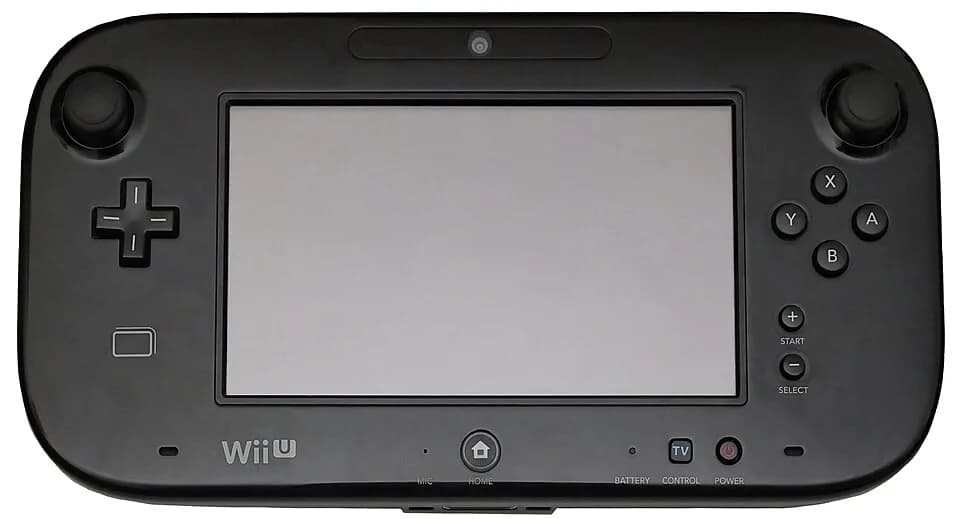
The Wii U GamePad remains Nintendo's most perplexing misstep, confusing consumers into believing it was a mere Wii accessory rather than a new console core, a fatal branding error. Ultimately, the GamePad's poor design helped limit the Wii U to just 13 million units sold, making it Nintendo's worst-selling home console by far.
- 0#10
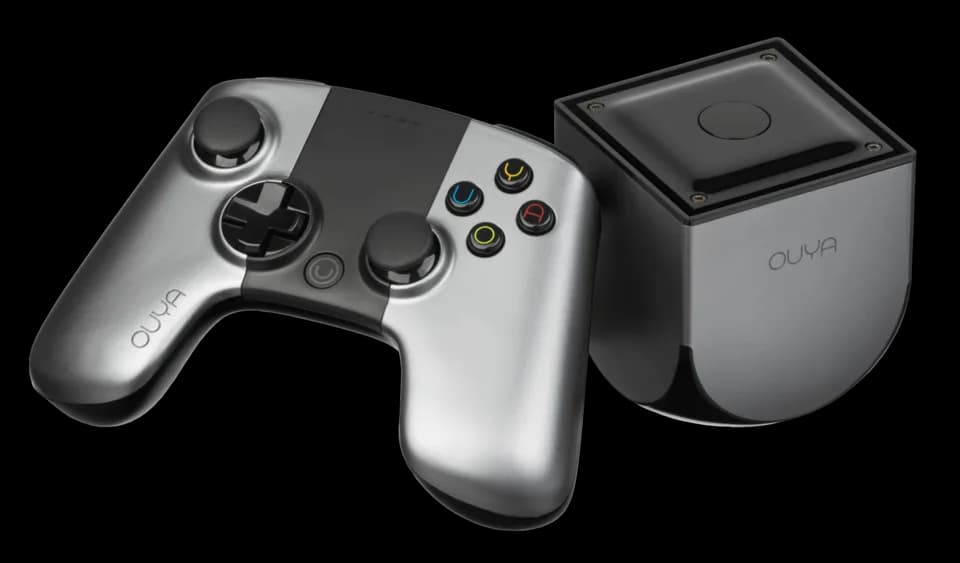
The Ouya Console, a 2013 Kickstarter phenomenon that raised $8.5 million promising an Android-based micro-console, failed spectacularly at launch with a controller featuring mushy buttons and stuck triggers, flaws that outpaced even the cheapness of the average smartphone gamepad. Its storefront offered mobile-quality games, and input lag was so severe that action games became unplayable, a problem far worse than the Wii U GamePad's lag. By 2015, the console was discontinued, proving that crowdfunding hype cannot overcome fundamental hardware failures. The Ouya stands as a cautionary tale in gaming history.
Image credits
- Nintendo Virtual Boy: Evan-Amos / Public domain (entity-adopted)
- Kinect for Xbox One: Evan-Amos / Public domain (entity-adopted)
- R.O.B. (Robotic Operating Buddy): Evan-Amos / CC BY-SA 3.0 (entity-adopted)
- Sega Activator: Sega Genesis / Wikipedia
- PlayStation Move: Evan-Amos / Public domain (entity-adopted)
- Nokia N-Gage: Evan-Amos / Public domain (entity-adopted)
- Steel Battalion Controller: John Tregoning ( Flickr profile ) / CC BY 2.0 (entity-adopted)
- Atari Jaguar CD: Evan-Amos / Public domain (entity-adopted)
- Wii U GamePad: Mariofan13 / CC BY-SA 4.0 (entity-adopted)
- Ouya Console: .mw-parser-output .hlist dl,.mw-parser-output .hlist ol,.mw-parser-output .hlist ul{margin:0;padding:0}.mw-parser-output .hlist dd,.mw-parser-output .hlist dt,.mw-parser-output .hlist li{margin:0;display:inline}.mw-parser-output .hlist.inline,.mw-parser-output .hlist.inline dl,.mw-parser-o / Pu (en
Related Videos
Rank it your way
Remix this list into your own ranking, or head to the play hub for every game mode and community breakdown — blind mode, challenges, tier lists, and more.
You Might Also Like

Top 10 Most Overrated Games
Top 10 Most Overrated Games

Top 10 Worst Microtransaction Practices in Gaming
Top 10 Worst Microtransaction Practices in Gaming

Top 10 Most Watched Esports Events of 2025 Ranked by Peak Viewers
#1 League of Legends World Championship 2025 · #2 Dota 2 The International 2025 · #3 VALORANT Champions 2025

Top 10 Most Downloaded Mobile Games of 2025
#1 Subway Surfers · #2 PUBG Mobile · #3 Candy Crush Saga

Top 10 Scariest Horror Games Ever Made: Silent Hill 2, P.T., Bloodborne & More
#1 Silent Hill 2 · #2 Resident Evil 4 · #3 Amnesia: The Dark Descent

The 10 Best AI-Powered NPCs Transforming Gaming in 2026
#1 PUBG Ally · #2 Ubisoft Teammates · #3 inZOI Smart Zoi