
Top 10 Scariest Horror Games Ever Made: Silent Hill 2, P.T., Bloodborne & More
The games that made you sleep with the lights on, pause mid-hallway to steady your nerves, and wonder why you willingly paid money to be psychologically tormented. Ranked by atmosphere, genuine terror, and the lasting emotional damage they inflict on players worldwide. Cast your vote for the scariest below — and tell us in the comments which one still has you checking under the bed.
Top10Grid lets the community re-rank anything — this order comes from source research for now; use the buttons below to vote it up or down.

Current Rankings
- 0
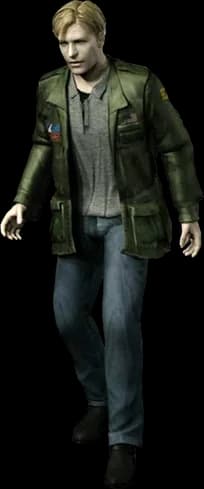
Konami’s 2001 masterpiece, Silent Hill 2, uses the fog-shrouded town as a tangible manifestation of James Sunderland’s guilt, anchored by the iconic monster, Pyramid Head—a symbol of punishment that has continued to haunt players decades after its release. With multiple endings exploring themes of trauma and psychological torment, each playthrough reveals new layers of narrative complexity. The 2024 Bloober Team remake, which sold 1 million units in its first week after launching on October 8, 2024, proves the enduring power of its story. While the original game's fixed camera angles contributed to its claustrophobic atmosphere, some players may find them less intuitive than modern controls.
- 0
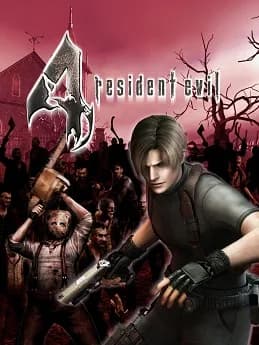
Capcom’s Resident Evil 4, originally released in 2005, revolutionized the third-person shooter genre with its innovative over-the-shoulder camera, a perspective widely adopted by other action games for years. From the chaotic village siege to the unsettling, labored breathing of the Regenerador enemies, the game masterfully blends action with genuine horror. The 2023 remake, which holds a Metacritic score of 93, further expanded upon the horror elements of the original, demonstrating the game's timeless appeal and its ability to transcend its era. Though praised for its unique blend of tension and empowerment, some players might find its more action-oriented approach a departure from the slower-paced survival horror of earlier Resident Evil titles.
- 0

Amnesia: The Dark Descent, released in 2010, set a new benchmark for terror by completely stripping players of weapons, forcing them to rely on stealth and evasion while managing a sanity meter that deteriorates in darkness. This innovative approach to vulnerability proved to be incredibly effective, and the game has sold over 2 million copies. Its influence sparked a wave of similar horror titles and countless online 'let's play' videos, showcasing its profound impact on the gaming community. The game excels in environmental storytelling and interaction, where a significant number of player deaths often result from environmental hazards or missteps rather than direct combat. While this focus on vulnerability creates immense tension, some players might find the lack of offensive options frustrating.
- 0#4

P.T., a 2014 playable teaser for the canceled Silent Hills, achieves more terror in a single looping hallway than many games manage in their entire campaigns. Created by Hideo Kojima and Guillermo del Toro, this psychological horror masterclass uses subtle environmental shifts, cryptic puzzles, and a haunting radio broadcast to craft a descent into madness that, despite its brief 30-minute duration, leaves a lasting impression. Konami’s decision to cancel the full game and subsequently delist P.T. from the PlayStation Store has made original copies highly sought after, with some now selling for hundreds of dollars on resale markets. The game's brilliance lies in its ability to instill profound dread through atmosphere and suggestion, though its abrupt termination left fans longing for the full experience.
- 0

Dead Space, originally released in 2008 by EA Redwood Shores, stands out for its oppressive atmosphere, largely thanks to its iconic setting, the USG Ishimura. This derelict spaceship provides a masterclass in environmental storytelling, creating a sense of dread and isolation that permeates every moment. The game's 2023 Motive remake further refined this experience, enhancing the visuals and sound design to elevate the horror. Encounters in Dead Space are designed to be more than simple reflex tests; they are calculated risks where resource management and strategic dismemberment of enemies are crucial for survival, forcing players to constantly re-evaluate their approach to combat.
- 0
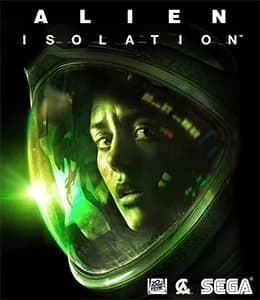
Creative Assembly's 2014 title, Alien: Isolation, is widely praised for authentically capturing the suffocating tension of Ridley Scott's 1979 film. The game's xenomorph AI dynamically hunts players throughout the Sevastopol Station, with its behavior evolving across roughly 15 hours of gameplay. This ensures that each playthrough offers a uniquely terrifying and unpredictable experience. The constant threat of the alien, which learns and adapts to player tactics, transforms simple actions like hiding in a locker into desperate acts of survival, making every encounter a high-stakes game of cat and mouse.
- 0

Capcom's 2019 Resident Evil 2 Remake proved that survival horror remakes could not only honor their originals but also surpass them. This reimagining, which has sold over 20 million copies worldwide, effectively revived the franchise's identity by focusing on pure survival horror. A key element of its terror is the relentless pursuit of Mr. X through the Raccoon City Police Department, a stalker mechanic that generates genuine panic. The game features a lengthy, resource-tight campaign, offering a comprehensive and tense experience as players navigate its perilous environments and limited resources.
Sourcesen.wikipedia.org - 0#8

Red Barrels' 2013 game Outlast pushes the boundaries of found-footage horror by trapping players in the nightmarish Mount Massive Asylum with only a night-vision camcorder and limited batteries. Its tense, several-hour campaign immerses players in a world of graphic mutilation and psychological terror, where combat is rarely an option. Instead, Outlast relies on pure nerve-testing hide-and-seek mechanics, forcing players into constant vulnerability. This design choice creates a relentless experience, making resource management and stealth crucial for survival against the asylum's deranged inhabitants.
- 0

Fatal Frame II: Crimson Butterfly delivers one of the most unsettling narratives in survival horror, built around a Camera Obscura mechanic that forces players to face ghosts at close range for maximum damage. Landing a Shutter Chance means waiting until a spirit is nearly on top of you before firing, a nerve-wracking risk-reward dynamic few horror games attempt. Ghosts can close in from any direction, so the tension rarely lets up between captures.
Sourcesen.wikipedia.org - 0#10

Bloodborne revolutionizes cosmic horror by merging Lovecraftian dread with aggressive Souls-like combat in the gothic nightmare of Yharnam. The 60+ unique enemy types, including the haunting Winter Lanterns, ensure a constant sense of dread that rivals the genre's best.
Horror Games FAQ
## Horror Games FAQ
What is considered the scariest horror game ever made? Many players and critics point to *Silent Hill 2* and *P.T.* as benchmarks for psychological horror, while *Amnesia: The Dark Descent* redefined the genre by removing combat entirely.
Are any of these horror games playable on modern consoles or PC? Yes. *Resident Evil 4*, *Resident Evil 2 Remake*, *Dead Space*, *Alien: Isolation*, *Outlast* and *Bloodborne* are available on current-generation platforms; *Silent Hill 2* and *Fatal Frame II* are accessible via re-releases, remasters or original hardware.
What is the difference between survival horror and psychological horror? Survival horror emphasizes scarce resources and vulnerability to threats (e.g. *Resident Evil 4*, *Alien: Isolation*), while psychological horror prioritizes atmosphere, dread and mental torment (e.g. *Silent Hill 2*, *P.T.*).
Do I need to play the originals before the remakes? No. *Resident Evil 2 Remake* and the *Silent Hill 2* re-release are designed as standalone entry points for new players.
Image credits
- Silent Hill 2: James Sunderland (Silent Hill) / Wikipedia
- Resident Evil 4: Resident Evil 4 / Wikipedia
- Amnesia: The Dark Descent: Amnesia: The Dark Descent / Wikipedia
- P.T.: Unknown authorUnknown author / Wikimedia Commons (Public domain)
- Dead Space: Dead Space / Wikipedia
- Alien: Isolation: Alien: Isolation / Wikipedia
- Resident Evil 2 Remake: Resident Evil 2 (2019 video game) / Wikipedia
- Outlast: Staff Sgt. Justin Pack / Wikimedia Commons (Public domain)
- Fatal Frame II: Crimson Butterfly: Karakosaurio / Wikimedia Commons (CC BY-SA 3.0)
- Bloodborne: Okras / Wikimedia Commons (CC BY-SA 4.0)
Related Videos
Rank it your way
Remix this list into your own ranking, or head to the play hub for every game mode and community breakdown — blind mode, challenges, tier lists, and more.
You Might Also Like

Top 10 Worst Gaming Peripherals of All Time — Ranked by Gamers
Top 10 Worst Gaming Peripherals of All Time — Ranked by Gamers

Top 10 Worst Microtransaction Practices in Gaming
Top 10 Worst Microtransaction Practices in Gaming

Top 10 Best Horror Games of All Time
Top 10 Best Horror Games of All Time

Top 10 Most Iconic Boss Fights
#1 Sephiroth (Final Fantasy VII) · #2 Malenia, Blade of Miquella (Elden Ring) · #3 Psycho Mantis (Metal Gear Solid)
Top Pokemon — Generation 1
#1 Charizard · #2 Blastoise · #3 Venusaur
Top 10 Steam — Top Sellers — Mar 30–Apr 5, 2026
#1 Crimson Desert · #2 Fallout 1st · #3 Fallout 1st