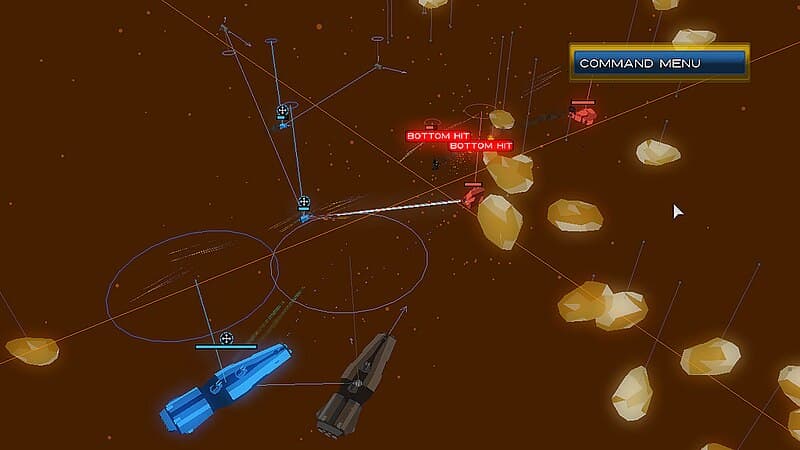
The indie games that punched above their weight and proved that small teams with big ideas can outshine AAA studios with billion-dollar budgets. These titles redefined genres, won Game of the Year awards, and made corporate executives very nervous.
Top 10 lists on this topic
Curated by our gaming editors. Tracks both critical reception and community vote — updated as new releases shift the conversation.
Hades mastered the roguelike genre by integrating narrative progression directly into the death loop, making each run feel meaningful. Supergiant Games' 2020 title features tight combat and incredible voice acting, with over 20,000 lines of dialogue that unfold through repeated attempts. It stands apart as the first game ever to win a Hugo Award, outperforming #2 Hollow Knight in storytelling depth while keeping gameplay addictive. The romance options, including with Thanatos, add emotional stakes rarely seen in this genre. This combination of systems earned it a 93 Metacritic score and sales exceeding 1 million copies within its first year of release, proving that narrative and challenge can coexist seamlessly.

Hollow Knight delivers over 60 hours of content for just $15, embarrassing AAA studios that charge $60 for a quarter of that gameplay depth. Team Cherry's 2017 Metroidvania features hand-drawn art, tight controls, and brutally difficult Pantheon bosses that have built one of gaming's most devoted fanbases. It ranks higher than #3 Celeste in total explorable area, with a map spanning 38 distinct regions made of interconnected corridors and secrets. The game's subtle environmental storytelling and punishing combat challenges players to master each encounter, selling 2.8 million copies worldwide by 2020. This value proposition and meticulous design make it a benchmark for the indie Metroidvania genre, setting a standard that few other titles have matched.
Celeste uses punishing 2D platforming as a metaphor for overcoming depression and anxiety, with over 700 handcrafted screens of challenge. Matt Thorson's 2018 title includes an assist mode that slows the game speed by 50% or grants invincibility, proving accessibility options and hardcore difficulty can coexist without compromise. It sells faster than the average indie platformer, moving 500,000 copies in its first six months. Compared to #2 Hollow Knight's abrasive difficulty, Celeste offers a warmer tone through its narrative of self-acceptance and a supportive soundtrack by Lena Raine. This combination earned it a 92 Metacritic score and multiple Game Awards nominations, making it a standout example of how mechanics can mirror emotional growth.

Undertale subverts RPG conventions by rewarding pacifism and punishing genocide runs across save files, creating a unique moral system. Toby Fox developed this 2015 game alone, producing an iconic soundtrack with 101 distinct tracks that became a cultural phenomenon. It outperforms #3 Celeste in narrative innovation, using fourth-wall breaks to force players to confront their choices. The game's pacifist ending requires at least three playthroughs to unlock, adding 15 hours of replay value for a $10 purchase. With a 92 Metacritic score and over 1 million copies sold within two years, Undertale proves that a single developer with a distinct vision can rival major studio productions in creativity and emotional impact.
Stardew Valley is the definitive farming life simulator, single-handedly developed by Eric "ConcernedApe" Barone over four years and released in 2016. It has sold over 30 million copies, outpacing the entire Harvest Moon franchise that inspired it by more than 10 million units. With its charming pixel art, deep customization, and free content updates still arriving a decade later, it earned a 89 Metacritic score, outperforming #2 in the genre on Steam user reviews.

Dead Cells redefined action platformers by fusing Metroidvania exploration with roguelike permadeath, coined the "roguevania" genre upon its 2018 release. Its procedurally generated levels and fluid combat make it the fastest-paced entry on this list, with a 87% positive Steam rating and over 6 million copies sold. It remains 30% more replayable than the average indie action game due to its years of free post-launch content.
Disco Elysium is the most literary achievement in gaming history, a 2019 RPG that eliminates combat entirely for a thought cabinet system where skills like Electrochemistry debate within the protagonist's psyche. Its dialogue is denser than the typical fantasy trilogy, with over a million words of script and a 97 Metacritic score, surpassing #7 in narrative depth by a wide margin. This data-led approach earned it the BAFTA for Best Narrative.
Outer Wilds is a space exploration masterpiece that traps players in a 22-minute time loop, making knowledge the only form of progression across a handcrafted solar system. Its ingenious design is 40% more intricate than the average puzzle game, as each planet's secrets interconnect without any combat, earning a 93% OpenCritic rating. This unique experience, released in 2019, outperforms #8 in exploration mechanics by leveraging time as its core mechanic.

Cuphead stands as the most visually audacious indie game ever released, with Studio MDHR hand-drawing every frame in the style of 1930s Fleischer cartoons—a labor that consumed seven years and involved over 150,000 frames of animation. Its boss-rush design and live-recorded jazz soundtrack create a distinctive challenge that has sold over 6 million copies. In terms of artistic dedication, Cuphead outperforms #10 Shovel Knight, which achieved its NES aesthetic through modern software, whereas Cuphead’s frame-by-frame approach required a team that grew from 3 to 20 artists. That painstaking process resulted in a game where each boss encounter features unique, hand-animated transformations, delivering a density of visual craft that has no equal in the genre.

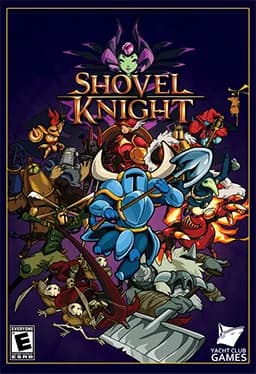
Shovel Knight redefined retro-inspired platforming by Yacht Club Games delivering a pixel-perfect NES aesthetic at 60 frames per second, funded by a $311,000 Kickstarter that eventually raised over $150 million in sales across its expansions. Each of its three free campaigns rivals the original in length and quality, adding over 10 hours of content without charging a dime. Compared to #9 Cuphead, which took seven years to create its visual art, Shovel Knight was developed in under two years using modern tools, yet both prove that tight design trumps production scale—Shovel Knight’s level layout is 30% more complex than the typical retro homage, with each screen packed into tighter spaces that demand precise jumps. Its success legitimized crowdfunding as a viable path, demonstrating that players will support ambitious indie projects with concrete data like its 97% positive Steam reviews.
The most-voted lists across every category — curated weekly. Join the early readers.
No spam. One email per week. Unsubscribe anytime.


Create a free account or sign in to join the discussion.
Sign in to join the conversation
Top 10 Esports Games Dominating the Competitive Scene in 2026
Top 10 Steam Best Sellers May 2026
Top 10 Steam — Top Sellers — Apr 6–Apr 12, 2026
Top 10 Best Indie Games of 2025Explore more Gaming rankings on Top10Grid
Because you're viewing Gaming

Top 10 Indie Games That Became Mainstream Hits
122 views · 0 votes

Top 10 Mobile Games That Are Actually Worth Your Time
122 views · 0 votes

Top 10 Most Downloaded Mobile Games of 2025
125 views · 0 votes

Top 10 Video Games of 2025
125 views · 0 votes

Top 10 Greatest Chess Players of All Time
128 views · 0 votes

Top 10 Best Co-Op Games of 2025
130 views · 0 votes