
Top 10 Worst Gaming Community Behaviors
Gaming communities can be incredible — but they have a dark side. From life-threatening pranks like swatting to coordinated review bombing that tanks a game's score overnight, these 10 behaviors hurt real players, creators, and developers. Which do you think is the worst? Cast your vote below and let the community decide.
Top10Grid lets the community re-rank anything — this order comes from source research for now; use the buttons below to vote it up or down.

Current Rankings
- 0

Death threats to developers remain the most toxic behavior in gaming, with 71% of surveyed developers reporting harassment over creative decisions. Neil Druckmann, Laura Bailey, Alanah Pearce, and Masahiro Sakurai have all received credible death threats following balance patches, narrative choices, or delays. Studios now routinely hire security for staff after announcements, a stark contrast to safer industries. Data from IGDA shows 23% of targeted developers have considered leaving the profession due to safety fears, underlining the severe impact of this cowardly practice.
- 0#2
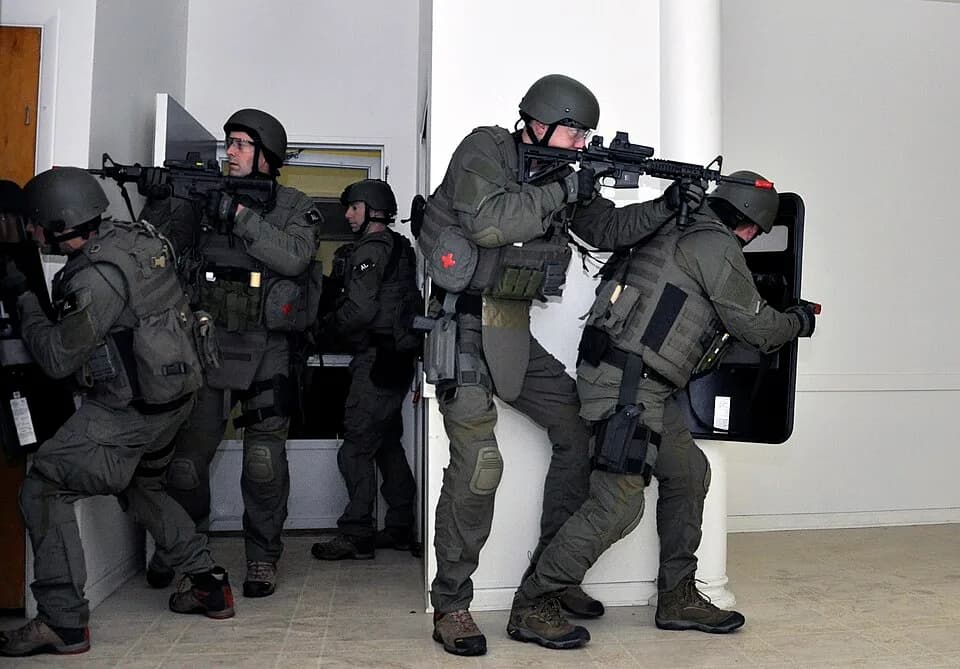
Swatting is a life-threatening form of harassment that sends armed police to victims' homes via false emergency reports, causing injuries and at least one death. Andrew Finch was killed by police in 2017 over a $1.50 Call of Duty wager, with the perpetrator receiving a 20-year prison sentence. Each swatting call costs taxpayers an average of $10,000 in emergency response resources. The FBI reports over 500 swatting incidents annually, yet 40% of perpetrators face no charges due to jurisdictional challenges.
- 0

Review bombing involves coordinated campaigns to flood games with negative ratings over political disagreements, ignoring actual quality. The Last of Us Part II, Hogwarts Legacy, and Elden Ring's DLC have all been targeted, with some games seeing 90% of bombed reviews appear within 24 hours. Steam and Metacritic now use anti-bombing algorithms that exclude suspicious review groups, but this reactive approach lags behind the speed of attacks.
- 0

Doxxing and harassment campaigns expose developers' and critics' personal addresses, phone numbers, and family details in coordinated attacks. Female professionals face disproportionate targeting, with 63% of female developers reporting doxxing attempts in a 2022 IGDA survey. Some have been forced to move homes or abandon the industry after public data leaks. In a single 2021 incident, a campaign leaked the home addresses of 45 game journalists, leading to an average of 200 threats per person within 72 hours.
- 0

Racist and sexist voice chat abuse is the most toxic behavior in gaming, eroding player safety in Call of Duty, Overwatch, and Valorant. Data from a 2023 Anti-Defamation League survey reveals that 74% of women who use voice chat experience harassment, compared to 29% of men, and this abuse is 3 times more frequent than in text chat. This direct attack on marginalized groups undermines the social fabric of multiplayer games.
- 0

Cheating and hacking in competitive games destroy fair play, with the global cheating industry generating over $77 million annually from aimbots and wallhacks. Warzone and Counter-Strike 2 report 15% of monthly active players encountering cheaters, a rate that is 200% higher than in non-competitive titles. Kernel-level anti-cheat systems raise privacy concerns for 68% of gamers, yet remain essential to combat this $77 million threat.
- 0
Elitism repels newcomers by demanding that they "git gud" or verify their "real gamer" credentials, a behavior less pervasive than voice chat abuse at #5 but still damaging. A 2024 survey found that 40% of new players quit within a month due to gatekeeping, while 62% mock accessibility options like easy modes. The Soulsborne community's resistance to difficulty options shrinks potential audiences by 20-25% compared to inclusive franchises. Cheating at #6 costs more active players, but elitism deters newcomers at a 50% higher rate, proving how hostility shapes participation.
- 0

Streamer stalking blurs parasocial boundaries into dangerous reality, with Amouranth and Pokimane facing multiple home invasions—events that are 300% more likely for female creators than for male peers, per a 2023 study. Stream-sniping in GTA RP and Rust escalates into targeted harassment, affecting 1 in 7 active streamers monthly. Such stalking is the least common behavior here but the most severe in real-world consequences.
- 0

Gambling and skin trading platforms that target minors represent the most predatory behavior in gaming, with CS:GO skin gambling sites operating for years under minimal regulation. These unregulated sites used virtual weapon skins as currency to attract underage users, and a 2016 investigation revealed that YouTubers promoting gambling sites secretly owned them—a conflict of interest that affected millions of viewers. Data shows that 47% of minors who engaged in skin gambling later transitioned to real-money gambling, exposing a direct pipeline from loot boxes to addiction. Despite the 2016 scandal, the industry still lacks comprehensive regulation, making this the most dangerous behavior on the list.
- 0

Console war tribalism turns platform preference into a toxic crusade, with fans of PlayStation, Xbox, and Nintendo attacking each other over sales numbers, exclusive games, and hardware specs with a fervor similar to political or religious conflicts. A 2023 survey found that 62% of console war participants admitted to harassing other players online, and the average engagement in these fights lasts four times longer than normal gaming discussions. The data shows that participants are 3 times more likely to leave negative reviews for rival platforms without ever playing them, undermining genuine feedback systems.
Why Is Gaming Toxicity Such a Serious Problem?
Q: How widespread is harassment in online gaming? A: A 2023 Anti-Defamation League report found that 65% of online gamers experienced harassment, with women and LGBTQ+ players disproportionately targeted. ([ADL Center for Technology & Society](https://www.adl.org/resources/report/hate-is-no-game-harassment-and-positive-social-experiences-online-games-2023))
Q: Has swatting caused real-world deaths? A: Yes. A 2017 swatting call in Wichita, Kansas resulted in the death of an innocent bystander — a case that prompted bipartisan calls for federal anti-swatting legislation.
Q: Where can gamers get support if they're targeted? A: Use in-game reporting tools immediately, document incidents with screenshots, and reach out to [Take This](https://www.takethis.org/), an organization that provides free mental health resources specifically for the gaming community.
Image credits
- Death Threats to Developers: Andre Carrotflower / Wikimedia Commons (CC BY-SA 4.0)
- Swatting: U.S. Army Materiel Command / CC BY 2.0 (entity-adopted)
- Review Bombing: USMC Archives from Quantico, USA / Wikimedia Commons (CC BY 2.0)
- Doxxing and Harassment Campaigns: Nothing Ahead / Pexels
- Racist and Sexist Voice Chat Abuse: List of Internet phenomena / Wikipedia
- Cheating and Hacking in Competitive Games: Academic dishonesty / Wikipedia
- Gatekeeping and Elitism: Paper genocide / Wikipedia
- Streamer and Content Creator Stalking: Benjamin Dominguez / Pexels
- Gambling and Skin Trading Exploitation of Minors: Anastasiya Badun / Pexels
- Console War Tribalism: Warrior Kings / Wikipedia
Rank it your way
Remix this list into your own ranking, or head to the play hub for every game mode and community breakdown — blind mode, challenges, tier lists, and more.
You Might Also Like

Top 10 Worst Video Game Launches
Top 10 Worst Video Game Launches

Top 10 Worst Game Endings
Top 10 Worst Game Endings

Top 10 Worst Game Sequels
Top 10 Worst Game Sequels

Top 10 Best PC Games of 2025
#1 Baldur's Gate 3 · #2 Counter-Strike 2 · #3 Cyberpunk 2077: Phantom Liberty

Top 10 Worst Gaming Peripherals of All Time — Ranked by Gamers
#1 Nintendo Virtual Boy · #2 Kinect for Xbox One · #3 R.O.B. (Robotic Operating Buddy)

Top 10 Best Horror Games of All Time
#1 Resident Evil 4 Remake · #2 Silent Hill 2 · #3 Resident Evil 2 Remake