Verified MethodologyOkinawan Food Identity 33% · Signature Order 33% · Planning Ease 33%
10 Best Restaurants to Visit in Okinawa in 2026
OkinawaWould you begin with an Onna charcoal-grill dinner, hand-cut wood-ash soba in Motobu, or a yellowfin tuna burger in Miyako? Start with Okinawan cooking in Onna, a bowl of wood-ash soba in Motobu or a seafood lunch in Naha. This ranking…
Read more
also follows two specialties beyond the main island, from yellowfin tuna at a Miyako burger shop to Yaeyama noodles in a Taketomi village. Each stop has a first order and the practical details that decide when to go. Just missed Okinawa Soba EIBUN. Tsuboya’s original EIBUN brings creative toppings and an eight-hour pork-bone broth to Okinawa soba. Kishimoto, Takaesu and Takenoko already show three distinct styles across Motobu, Urasoe and Taketomi. For a single dinner on the main island, book Paikaji Deigo Bettei in Onna and time the meal for a sanshin set. Give Kishimoto a lunch slot on a Motobu day or take the monorail to Uomaru for fish. On Miyako, order the tuna at Doug’s. If you are traveling through Ishigaki, check Takenoko’s lunch hours before taking the ferry to Taketomi.
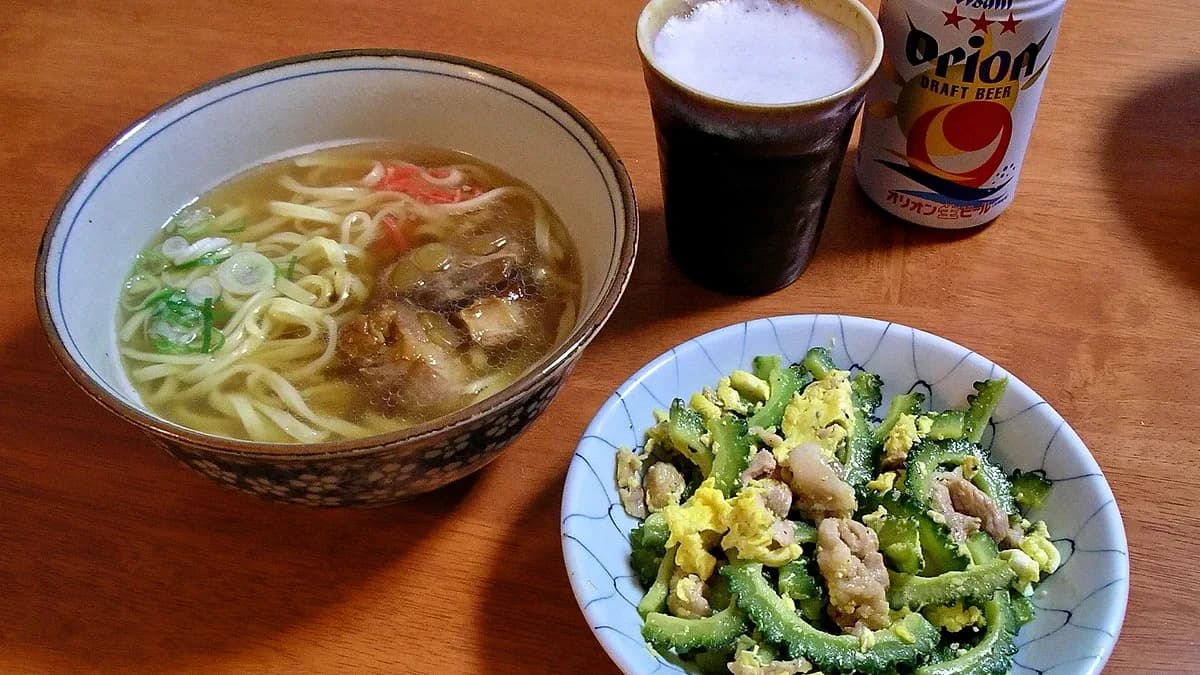
Wikimedia Commons CC (Okinawa Photography, Vision-Verified)

Starting order. Vote up or down to reorder this list.
Current Rankings
- #1 Top RankedLeader
Overview At Paikaji Deigo Bettei in Onna, order the charcoal-grilled agū pork and a plate of goya champuru to share. The first lets the grill do most of the work. The second brings bitter melon to the table in a form familiar from Okinawan home cooking. The kitchen also grills fish and seasonal vegetables, so a group can order around what people want to eat. The operator schedules three live Okinawan folk performances each evening. A dinner timed for one set gives you room to hear the sanshin without building the whole night around a show.
Key metrics
- Live sets each evening: 3
- First folk set: 19:00
- Agū charcoal steak: ¥1,738
- Goya champuru: ¥1,188
Pros
- A shared table can try grilled fish, pork and vegetable dishes.
- Published performance times make it easy to choose a seating.
- The operator offers transport from some nearby hotels.
Cons
- The restaurant opens for dinner only.
- There is no on-site parking.
- The published set courses start at ¥5,500.
Best for Pick this for an Onna dinner when the group wants several Okinawan preparations and time to hear live music.
Things to watch out for Map the Fuchaku branch specifically. The older photograph shows its former Ryukyu Robata Deigo sign. Confirm eligibility before relying on the hotel shuttle.
Why it ranks #1: Paikaji takes first place because its robata, Okinawan family dishes and live sanshin cover more of the island’s dinner traditions in one accessible evening than Kishimoto’s specialized lunch.planning_easeDaily dinner and limited hotel transferssignature_orderCharcoal-grilled agū pork with goya champuruokinawan_food_identityOkinawan robata and izakaya cooking 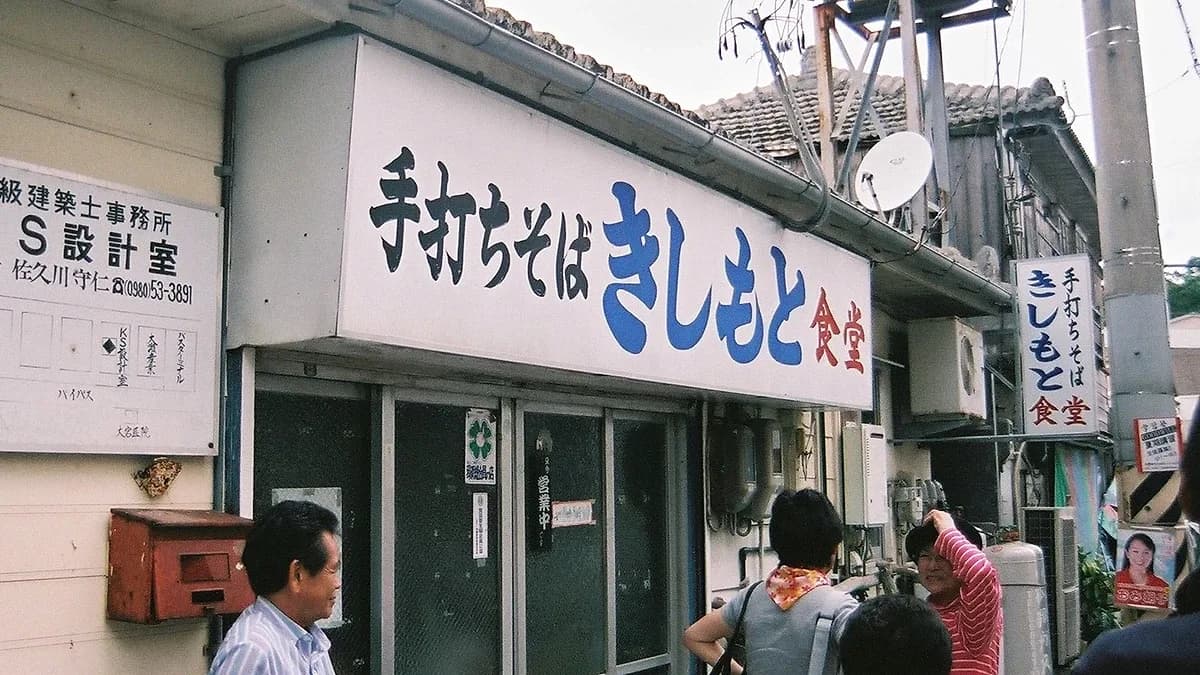
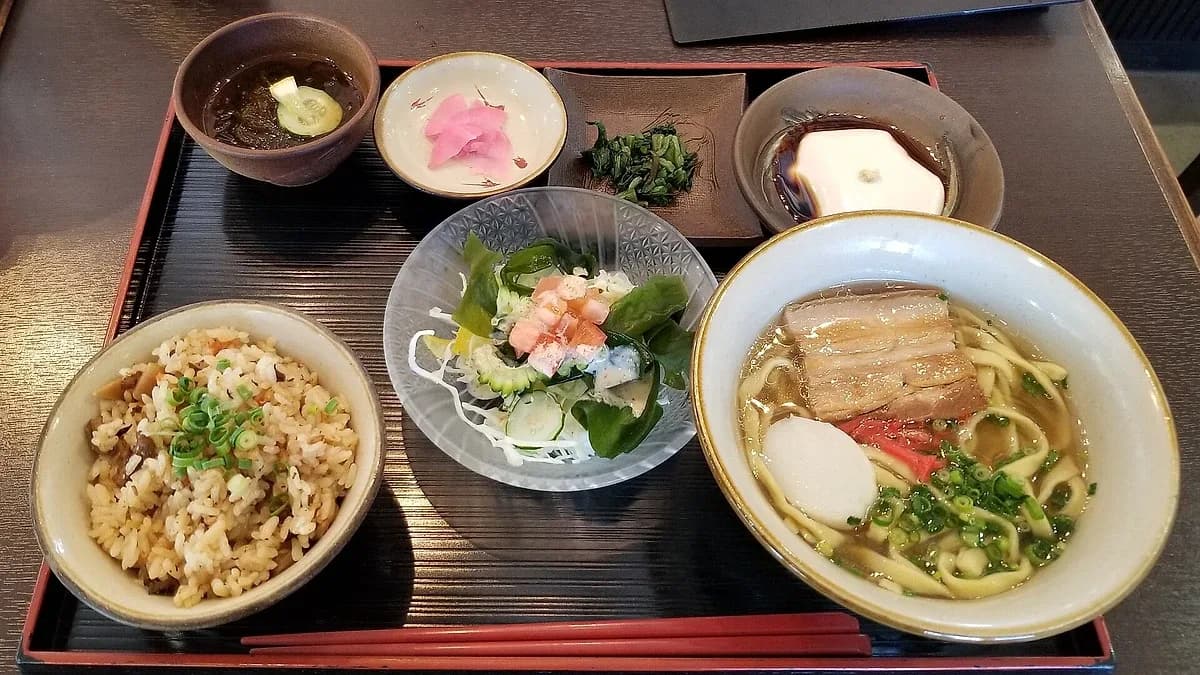
Overview Kishimoto Shokudo is a soba specialist in Toguchi, on the Motobu Peninsula. The wood-ash liquid used to knead the handmade noodles and the irregular thickness of the hand-cut strands make the bowl worth slowing down for. The Okinawa tourism board describes a slightly sweet broth topped with pork belly and fish cake. This is a lunch built around one preparation, so make it the meal when the texture of the noodles matters as much as the toppings.
Key metrics
- Founded: 1905
- Small soba, 2024 guide: ¥800
- Large soba, 2024 guide: ¥950
- From Kyoda IC by road: Approx. 40 min
Pros
- The noodles use a documented traditional preparation.
- Small and large bowls make portion choice straightforward.
- Toguchi fits naturally into a Motobu Peninsula day.
Cons
- A short menu gives mixed groups fewer choices.
- The latest tourism listing asks visitors to confirm hours.
- The original is a separate stop from the Yaedake branch.
Best for Choose the Toguchi original if you are already making a north-island trip and want to understand classic Okinawa soba.
Things to watch out for The prices are from Motobu’s 2024 soba guide. Check the shop for current prices and opening hours.
Why it ranks #2: Kishimoto leads the soba picks because its hand-cut wood-ash noodles preserve a documented method at a shop dating to 1905. The early closing risk keeps it below Paikaji for a first meal.planning_easeDaytime service, confirm hours before visitingsignature_orderHand-cut Kishimoto sobaokinawan_food_identityWood-ash Okinawa soba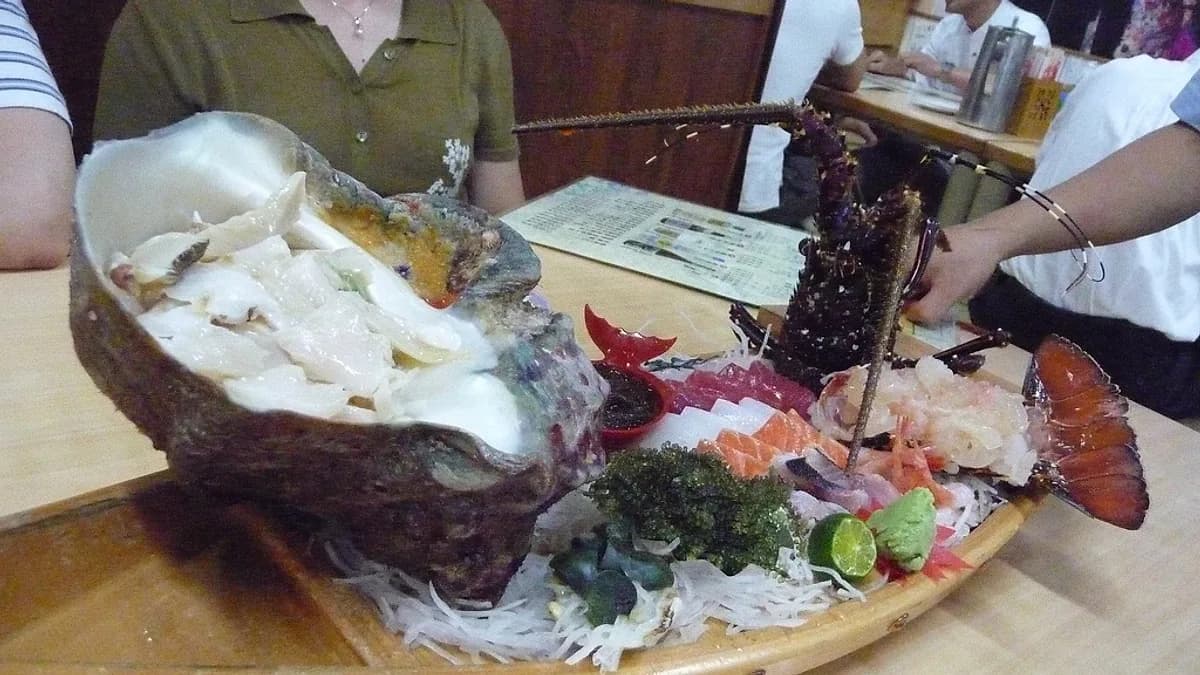
Overview Uomaru makes it easy to try fish from Okinawan waters without turning lunch into a special occasion. Start with a seafood rice bowl if you want several kinds of fish in one sitting. The ingredients listed for the Takara restaurant include tuna, gurukun, mozuku and sea grapes, so look at the menu for what is actually being served that day. A cooked fish set makes sense when you would rather have a hot meal. The fishmonger-operated restaurant is a short walk from Akamine Station on the airport monorail, useful on a Naha day even if you are not renting a car.
Key metrics
- Walk from Akamine: About 5 min
- Distance from Akamine: 319 m
- Published opening time: 11:00
Pros
- A mixed bowl makes it easy to try several textures.
- The monorail avoids a separate driving trip.
- The local ingredient guide lists both fish and sea vegetables.
Cons
- Individual fish depend on availability.
- Published hours differ across local listings.
- The tourism listing specifies cash and QR payments.
Best for Go here when you want a fish-focused meal that works with a monorail itinerary or before an airport run.
Things to watch out for Save the Takara address and check closing time on the day. Carry cash as a fallback, and allow enough time to get back to the airport if you are flying.
Why it ranks #3: Uomaru edges out Doug’s because a seafood bowl can introduce several local fish and sea vegetables at once, and Akamine makes the restaurant easier to reach for most Okinawa trips.planning_easeNear Akamine Station on the monorailsignature_orderSeafood rice bowl with the available fishokinawan_food_identityFishmonger-run Okinawan seafood diner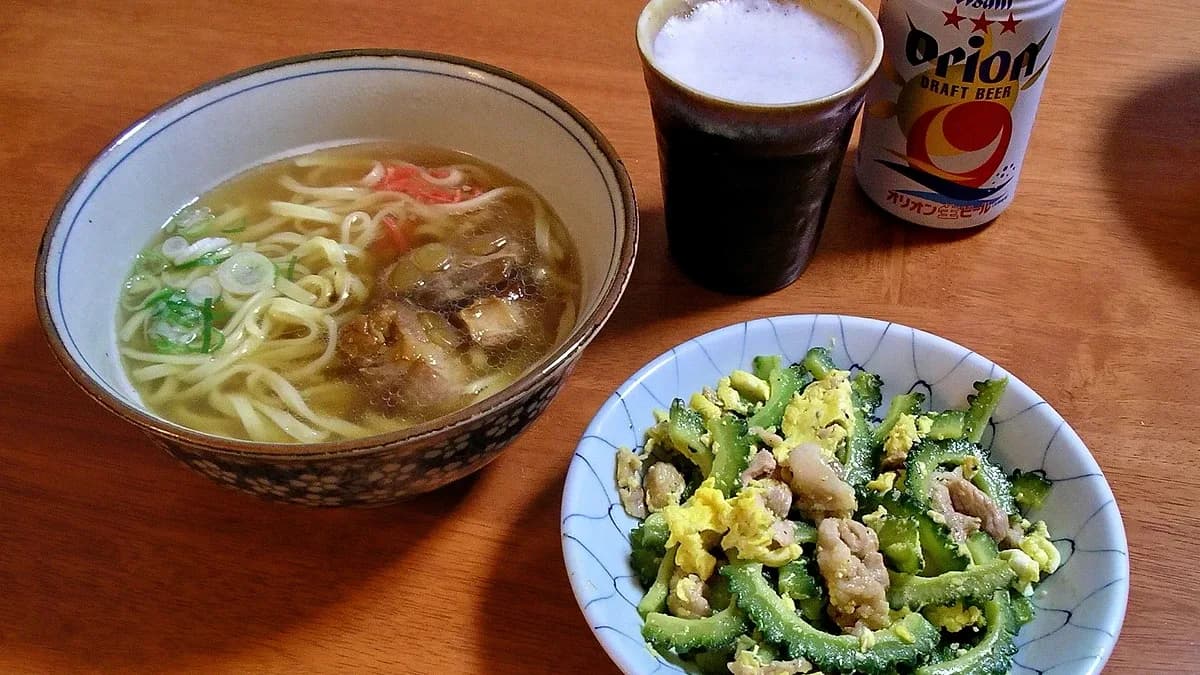
Overview The order to try at Doug’s Miyakojima flagship is the tuna steak burger, built around locally caught yellowfin with the center served rare. It is a direct way to taste the ingredient behind the original business, even if someone else at the table would rather order beef. The other regional pick uses wagyu from Tarama, southwest of Miyako. Each burger answers a different question about what the surrounding islands supply. Make this a proper lunch stop in Hirara, where the operator lists dine-in and takeout separately and identifies this address as its main store.
Key metrics
- Dine-in orders until: 19:00
- Takeout orders until: 19:30
- Distance to Tarama from Miyako: 65 km
Pros
- The menu highlights yellowfin from nearby waters and wagyu from Tarama.
- Fish and beef options work for groups with different tastes.
- The restaurant publishes separate dine-in and takeout cutoffs.
Cons
- The flagship sits on Miyako, a separate island trip from Naha.
- The signature tuna steak is served rare.
- Dine-in orders end at 19:00, before the 20:00 close.
Best for Put it on a Miyako itinerary if you want a casual meal built around an ingredient you can place on a map.
Things to watch out for Use the Hirara Shimozato address. The chain has other Okinawa branches, including on Ishigaki and Ikema. Ask about alternatives if you prefer your tuna fully cooked.
Why it ranks #4: Doug’s outranks the other quick-service picks on the regional ingredients and its memorable signature tuna burger. It sits below Uomaru because reaching the Miyako flagship requires a separate island itinerary.planning_easeHirara flagship with dine-in and takeoutsignature_orderMiyako yellowfin tuna steak burgerokinawan_food_identityMiyako yellowfin and Tarama wagyuOverview Follow the village lanes toward Nishi Pier and look for the banyan tree near Sobadokoro Takenoko. The restaurant serves Yaeyama soba in a low building with a red-tile roof, a change of setting as well as noodle style from Motobu or Urasoe. The local guide highlights the broth and spare ribs in the soki soba. Its October 2026 check listed a lunch window and reported that dinner service was paused. Make the restaurant your first planned stop after leaving the port so you still have time to walk through the village before your return boat.
Key metrics
- Listed lunch opening: 10:30
- Listed lunch last order: 14:30
- Soba, October 2026 menu guide: ¥900–¥1,400
Pros
- Yaeyama soba gives the ranking a second island noodle tradition.
- The village location fits a walking itinerary.
- The local guide gives a specific lunch window.
Cons
- A ferry journey is required from Ishigaki.
- Dinner service was paused at the October 2026 check.
- The local guide reports queues even on some off-season weekdays.
Best for Choose this for a slow Taketomi visit where lunch and a walk through the village are both part of the plan.
Things to watch out for Check the day’s opening before taking the ferry, especially on weekends. Arrive before the last order and leave time to get back to the port.
Why it ranks #5: Takenoko ranks ahead of the other daytime soba pick for the chance to taste the Yaeyama style in its island setting. Lunch-only service and the ferry transfer keep it below Doug’s.planning_easeLimited lunch window on Taketomisignature_orderYaeyama soki sobaokinawan_food_identityYaeyama island noodle cookingOverview At Takaesu Soba, the soft, unset tofu is central to the bowl. Okinawa’s visitor bureau describes it over noodles with kelp, shredded egg and soft-cartilage pork. The tofu takes up the lightly flavored broth and breaks apart differently from the firmer pieces you find in champuru. It is worth ordering this version even if you have already eaten soba elsewhere on the island. The restaurant is in Iso, Urasoe, and the tourist board notes queues around midday. Plan for a daytime visit and treat the published close as the latest possible time rather than a promise.
Key metrics
- Listed opening time: 10:00
- Listed closing time: 15:45
- Drive from Nishihara IC: About 10 min
- Drive from Naha Airport: About 25 min
Pros
- The signature bowl shows how fresh yushi tofu is used in Okinawa.
- The toppings offer several textures in one order.
- The official tourism listing publishes driving estimates.
Cons
- The shop can sell out before closing.
- The signature bowl includes pork and egg.
- Queues are especially likely at lunchtime and on weekends.
Best for Order this if you are comparing Okinawan soba styles or want to understand what soft yushi tofu contributes to broth.
Things to watch out for Go ahead of the lunch rush when you can. The visitor bureau lists Sunday as closed, and the service window can end earlier if bowls sell out.
Why it ranks #6: Takaesu’s distinctive soft-tofu bowl places it ahead of Jef on local cooking technique. Takenoko holds fifth for its Yaeyama setting and regional noodle tradition.planning_easeDaytime service, may sell outsignature_orderYushi tofu soba with soft-cartilage porkokinawan_food_identityOkinawan yushi tofu in noodle brothOverview At Jef Yonabaru, try the bitter-melon burger to see what happens when an everyday Okinawan vegetable takes the place usually held by a beef patty. The goya burger puts bitter melon and egg in the foreground. The Nūyaru adds pork luncheon meat for a saltier, fuller bite. The town’s tourism guide presents Jef as a way to try a local ingredient, while the Okinawa Channel video shows the Yonabaru branch and its food in person. Make this a flexible stop if you are driving through the southeast and want a meal with a clear local connection.
Key metrics
- Opening time: 07:00
- Closing time: 23:00
- Indoor seats: 99
- Parking spaces: 52
Pros
- Two related burgers let you compare how the bitter melon reads with and without pork.
- The long published service window gives you latitude.
- There is on-site parking and an indoor seating area.
Cons
- The meal is fast food and the main specialty is compact.
- The storefront photo predates the recent work at the branch.
- Delivery availability is unlisted for this branch.
Best for Go for a quick Okinawan meal with a group that wants to try something more specific than a standard hamburger.
Things to watch out for Use the 467 Ueyonabaru location. Confirm on the operator’s site if a particular service option matters to you.
Why it ranks #7: Jef’s bitter-melon burger earns it a place above Jack’s on the specificity of the signature dish. Its streamlined fast-food menu gives it less culinary breadth than the picks above it.planning_easeLong service hours and parking in Yonabarusignature_orderGoya burger or Nūyaru burgerokinawan_food_identityOkinawan bitter melon in local drive-in cooking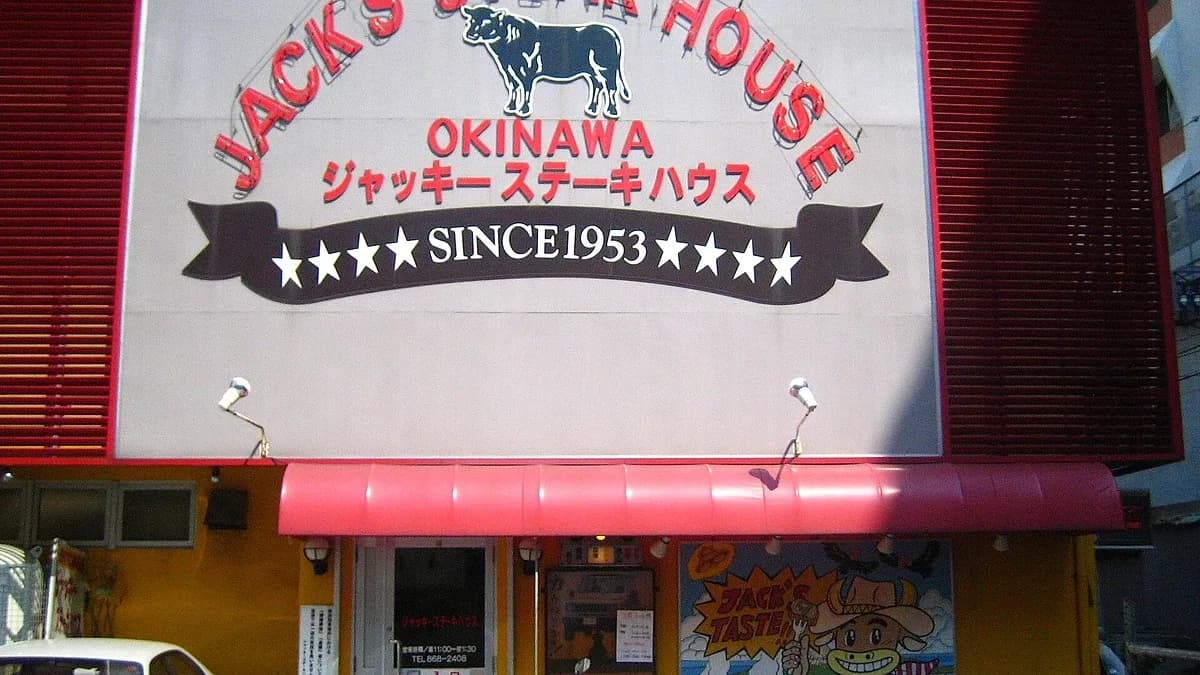
Overview Jack’s opened in 1953, and its menu captures a part of Okinawa’s postwar dining history with a different history from Ryukyuan banquet cooking. The tenderloin is listed in small, medium and large sizes. The menu also offers New York steak, hamburger steak, tacos and taco rice. Read the menu before arriving if different people in your group want different cuts or a smaller order.
Key metrics
- Opened: 1953
- Small tenderloin: ¥3,200
- Large tenderloin: ¥4,200
- Entry cutoff: 22:00
Pros
- The published menu gives steak prices and portion choices.
- Menus are available in several languages.
- The long service window can fit a loose Naha itinerary.
Cons
- The restaurant accepts cash only.
- Wednesday is a regular closing day.
- Waiting conditions can shift the last-order time.
Best for Choose Jack’s if you want to understand Okinawa’s steakhouse tradition over a casual meal in Naha.
Things to watch out for Bring enough cash for your chosen cut, and check the restaurant’s holiday notice if you are visiting around New Year or Obon.
Why it ranks #8: Jack’s captures the island’s postwar steakhouse tradition and is easy to fit into a Naha itinerary. Jef places higher for the direct link between bitter melon and its signature order.planning_easeLunch through evening, cash onlysignature_orderTenderloin steakokinawan_food_identityPostwar Okinawan steakhouse cookingOverview At the Kumoji branch of Motobu Farm, pick a yakiniku set if you want to compare how different cuts of beef cook over the table grill. The producer’s name is the reason to choose this room over an anonymous grill. The Japanese livestock export council identifies the restaurant with the Okinawan farm, and the operator lists a dedicated Naha lunch and dinner menu. Its lunch menu also lists Motobu beef curry, an option when you want the farm’s beef without sitting down to cook several cuts. The restaurant is on the third floor of the MK Building near Kencho-mae Station.
Key metrics
- Walk from Kencho-mae: About 2 min
- Lunch last order: 14:00
- Dinner last order: 21:30
- Motobu beef curry, published lunch menu: ¥800
Pros
- You can compare several cuts in the same meal.
- The Kumoji branch is central and publishes menus.
- Curry offers a shorter lunch with the producer’s beef.
Cons
- The restaurant lists irregular closure days.
- The operator also has a separately named Kokusai-dori branch.
- The operator lists 14:00 as the last lunch order.
Best for Choose this for a central Naha meal that puts Okinawan wagyu and table grilling at the center.
Things to watch out for Use the Kumoji MK Building address. Check the current menu for sets, price and holiday service before choosing a lunch or dinner slot.
Why it ranks #9: Motobu Farm’s producer connection makes it the pick for local wagyu. Jack’s places ahead for its longer record in Okinawa’s restaurant history and its distinctive diner format.planning_easeCentral Kumoji location with published menussignature_orderMotobu beef cooked on the table grillokinawan_food_identityProducer-run Okinawan wagyu yakiniku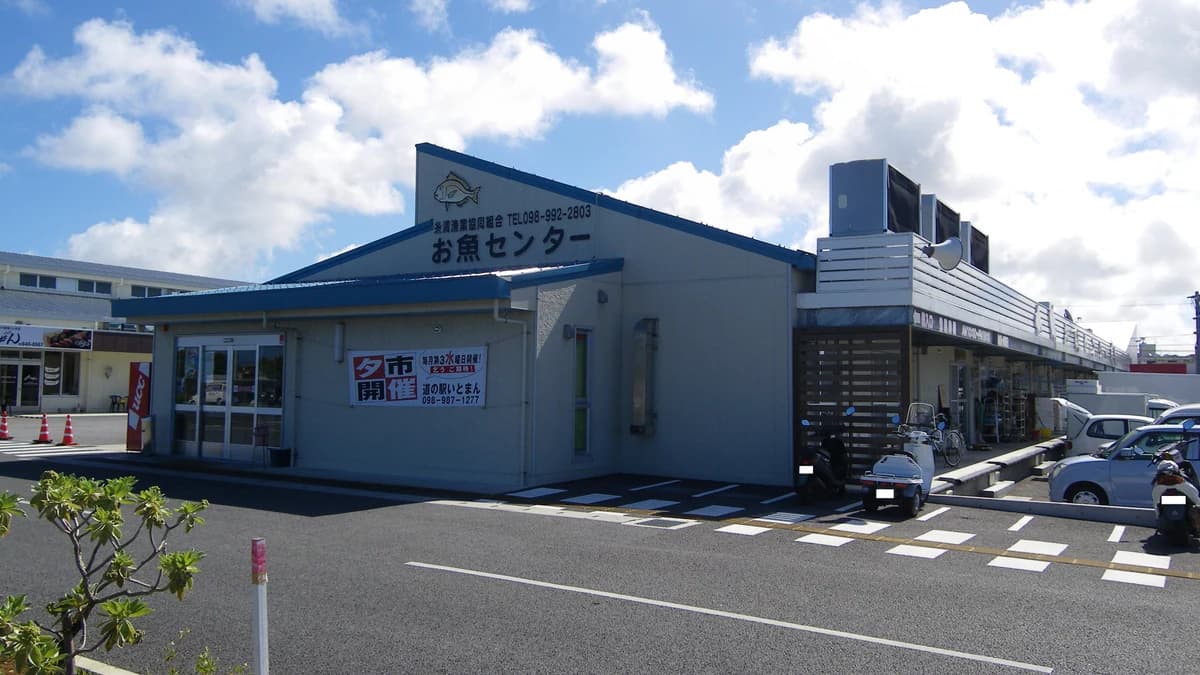
Overview Walk the eleven fishmonger stalls inside the Itoman Fishing Cooperative’s Osakana Center at Roadside Station Itoman before buying your first pack, because each counter cuts its own freshly landed tuna, reef-fish sashimi, single-piece sushi, sea grapes, mozuku and Itoman’s rice-stuffed bakudan fishcake. Several stalls also grill shellfish or ladle hot fish soup to eat right outside, letting you assemble a portside lunch around what came off the boats that morning. Would you build your own fresh sashimi tray across Itoman’s cooperative stalls over sitting down at a central Naha dining room?
Key metrics
- Fishmonger stalls in hall: 11
- Cooperative listed hours: 09:00–18:00 weekdays, 09:00–19:00 weekends
- Drive from Naha Airport: About 20 min via Route 331
- Roadside Station parking: Free (100–390 shared spaces)
Pros
- Direct cooperative stalls let you sample small packs of local tuna, reef fish and sea grapes in one stop.
- No reservation is needed, and free parking sits about twenty minutes south of Naha Airport.
- Direct buses (Tokyo Bus TK01/TK02 and Ryukyu Bus 89 or 189) reach the complex without a car.
Cons
- Individual stalls keep their own hours and sell-out cutoffs, and several close on Mondays.
- Seating is casual market-side bench space rather than an air-conditioned table-service dining room.
- Sashimi, sushi and grilled seafood prices fluctuate by stall and daily catch rather than a fixed menu.
Best for Daytime travelers heading south from Naha Airport who want freshly cut port sashimi, sushi and local fishcakes without a formal restaurant wait.
Things to watch out for Aim for late morning to early afternoon for the widest stall selection, check Monday stall closures and the January 2–4 holiday break, and carry yen cash for individual counters.
Why it ranks #10: Direct access to eleven fishing-cooperative stalls gives Itoman’s seafood hall stronger local port character and fresher variety than an airport terminal diner, while its walk-up bench setup and variable stall schedules sit just behind Naha’s full-service beef and steakhouse rooms.Vote: Would you build your own fresh sashimi lunch across Itoman’s cooperative fish stalls over sitting down at a Naha restaurant?
planning_ease20-min airport drive, free parking, stall hours varysignature_orderMix-and-match local tuna sashimi, sushi & bakudanokinawan_food_identity11-stall fishing cooperative direct-sales hallAlso appears in:All 3 rankings→
Have a list idea?
Start your own list and get help drafting entries with AI. A free account is required.
Create a list with AI →Compare by Dimension
| Rank | Item | Score | Notes |
|---|---|---|---|
| #1 | Paikaji Deigo Bettei | 9.9 | Okinawan robata and izakaya cooking |
| #2 | Kishimoto Shokudo Main Store | 9.9 | Wood-ash Okinawa soba |
| #3 | Sobadokoro Takenoko | 9.5 | Yaeyama island noodle cooking |
| #4 | Takaesu Soba | 9.5 | Okinawan yushi tofu in noodle broth |
| #5 | Sakanaya Chokuei Shokudo Uomaru | 9.3 | Fishmonger-run Okinawan seafood diner |
| #6 | Doug’s Burger Miyakojima Main Store | 9.3 | Miyako yellowfin and Tarama wagyu |
| #7 | Jef Yonabaru | 8.9 | Okinawan bitter melon in local drive-in cooking |
| #8 | Jack’s Steak House | 8.7 | Postwar Okinawan steakhouse cooking |
| #9 | Motobu Farm Naha | 8.5 | Producer-run Okinawan wagyu yakiniku |
| — | Itoman Fishing Cooperative Fish Center | — |
Think something was robbed of a spot?
Nominate a missing contender — once approved, the community votes it up or down into the rankings.
How We Rank & Evaluation Methodology
Top10Grid ranks 10 Best Restaurants to Visit in Okinawa in 2026 by combining structured 2026 domain verification with live community ballot and pairwise head-to-head voting.
- Core Evaluation Criteria: Every contender—including top-ranked Paikaji Deigo Bettei (#1), Kishimoto Shokudo Main Store (#2), and Sakanaya Chokuei Shokudo Uomaru (#3)—is assessed across ingredient quality, culinary execution, value consistency, signature specialization, and diner consensus. - Structured Contender Parity: All 10 ranked entries carry canonical entity links, verified visual assets, and side-by-side comparison attributes so readers can audit exact trade-offs before voting. - Dynamic Vote Weighting: Community votes continuously stress-test editorial placements while anti-gaming velocity guards preserve ranking integrity.
Image credits
- Paikaji Deigo Bettei: Wikimedia Commons CC (Vision-Verified)
- Kishimoto Shokudo Main Store: Wikimedia Commons CC (Vision-Verified)
- Sakanaya Chokuei Shokudo Uomaru: Wikimedia Commons CC (Vision-Verified)
- Doug’s Burger Miyakojima Main Store: Wikimedia Commons CC (Vision-Verified)
- Sobadokoro Takenoko: Wikimedia Commons CC (Vision-Verified)
- Takaesu Soba: Wikimedia Commons CC (Vision-Verified)
- Jef Yonabaru: Wikimedia Commons CC (Vision-Verified)
- Jack’s Steak House: Wikimedia Commons CC (Vision-Verified)
- Motobu Farm Naha: Wikimedia Commons CC (Vision-Verified)
- Itoman Fishing Cooperative Fish Center: Kugel / Wikimedia Commons (CC BY-SA 3.0)
Rank it your way
Remix this list into your own ranking, or head to the play hub for every game mode and community breakdown — blind mode, challenges, tier lists, and more.