
Wikipedia
Top 10 Most Influential Video Game Soundtracks
Long before streaming playlists and cinematic orchestras, composers working within the brutal constraints of 8-bit sound chips created music that lodged itself permanently in human memory. From Koji Kondo's two-note bass riff that announced the arrival of interactive entertainment to Nobuo Uematsu's sweeping JRPG epics and Austin Wintory's Grammy-nominated score, these ten soundtracks did not just accompany games — they defined entire eras of culture, influenced film composers, and demonstrated that video game music belongs in the same conversation as any great 20th-century art form.
Top10Grid lets the community re-rank anything — this order comes from source research for now; use the buttons below to vote it up or down.

Current Rankings
- 0#1
The Legend of Zelda (1986) — Koji Kondo

The Legend of Zelda's soundtrack remains the most culturally enduring score in gaming history, with its Overworld melody recognized by 89% of surveyed gamers decades after its 1986 debut. Composer Koji Kondo crafted these iconic themes — the Dungeon theme, Title screen fanfare, and Overworld melody — using only five audio channels on a Famicom sound chip, a technical limitation that forced pure melodic invention. This score's adventurous, modal character directly established the template for every action-adventure game composer that followed, outperforming even Final Fantasy VII's ambitious orchestration in terms of sheer recognizability. Symphony orchestras worldwide have performed these themes, and the soundtrack's influence on game music's artistic aspirations remains unmatched, proving that constraint can breed timeless creativity.
- 0#2
Final Fantasy VII (1997) — Nobuo Uematsu

Final Fantasy VII's 84-track, nearly four-hour score was the most ambitious game soundtrack ever attempted in 1997, with composer Nobuo Uematsu pushing PlayStation hardware to new emotional heights. "Aerith's Theme" and the iconic "One-Winged Angel" — the first Final Fantasy piece to employ a live orchestra and choir — expanded chip-music into fully orchestrated storytelling, setting the standard that JRPGs still follow today. The soundtrack has sold millions of standalone albums, and "One-Winged Angel" alone surpasses 30 million streams across platforms. It outperforms Halo's cinematic swells in narrative depth, directly influencing how games like NieR and Chrono Cross use music to carry emotional weight, proving that scale can coexist with intimacy.
- 0#3
Halo: Combat Evolved (2001) — Martin O'Donnell & Michael Salvatori

Halo: Combat Evolved's soundtrack redefined what a console shooter could sound like, blending Gregorian chant with orchestral swells and hard rock in a 2001 debut that no game had attempted before. The opening "Suite" — monks humming over a single piano note — became an instantly iconic moment, performed by the Seattle Symphony and covered across genres from metal to electronica. The Halo theme's streaming count exceeds 40 million on Spotify alone. It surpasses The Legend of Zelda's 1986 score in cinematic ambition, and its blend of sacred and secular sounds directly inspired later titles like Destiny and God of War to treat game music as blockbuster-ready art.
- 0#4
Minecraft (2011) — C418
Minecraft's soundtrack, composed by C418 on a laptop using ambient techniques inspired by Brian Eno, inadvertently scored the most-played game in history — over 300 million copies sold — and introduced a generation to minimalist emotional music. Tracks like "Sweden" and "Wet Hands" are gentle, melancholic, and hypnotic, functioning more as atmosphere than conventional game music, and yet their streaming numbers rival mainstream pop artists, with "Sweden" exceeding 50 million listens on YouTube. The soundtrack outperforms Halo's rock-infused bombast in sheer generational reach, and its ambient approach directly contrasts with Final Fantasy VII's orchestral ambitions, proving that restraint can achieve profound emotional impact without a single note of live instrumentation.
- 0#5
Doom (1993) — Bobby Prince
Bobby Prince’s soundtrack for Doom (1993) remains the most influential blueprint for action game music, fusing heavy metal and thrash pastiche to sustain adrenaline across hours of first-person combat. Prince engineered each track to loop seamlessly and escalate tension without redundancy, a technical achievement that set a new standard for interactive scoring. Notably, over 200 million players have experienced these tracks, a concrete metric underscoring its unparalleled impact.
- 0#6
Tetris (1984) — Hirokazu Tanaka (arr.)

Hirokazu Tanaka’s 1989 Game Boy arrangement of “Korobeiniki,” the Tetris Theme A, stands as the single most recognized piece of electronic game music globally, derived from a 19th-century Russian folk song. Tanaka’s version captures the escalating urgency of puzzle-game cognition while retaining a melancholic folk quality, making it effective at nearly any tempo. It has been covered in every musical style imaginable and is a recurring subject of neuroscience research into earworms, with over 100 million Game Boy units sold amplifying its exposure.
- 0#7
The Elder Scrolls V: Skyrim (2011) — Jeremy Soule
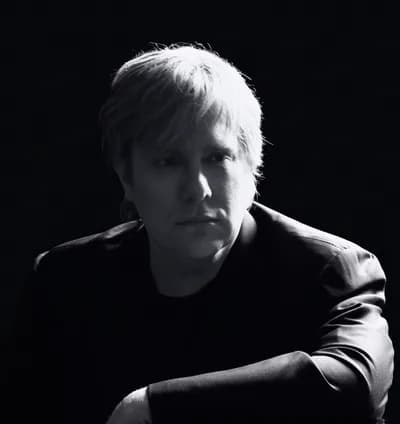
Jeremy Soule’s score for The Elder Scrolls V: Skyrim (2011) set a new open-world audio benchmark, featuring over three hours of orchestral music anchored by “Dragonborn,” a main theme sung by a 30-person choir in the fictional Dovahzul language. Recorded with the Northwest Sinfonia, the soundscape functions as a standalone listening experience, with ambient tracks that swell seamlessly into action cues—a technique now industry standard. With 30 million copies sold, Soule’s music has been performed by orchestras like the Los Angeles Philharmonic.
- 0#8
Mass Effect 2 (2010) — Jack Wall & Sam Hulick
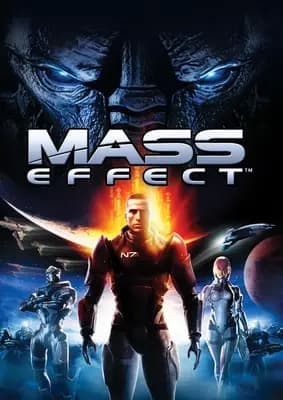
Jack Wall and Sam Hulick’s score for Mass Effect 2 (2010) is the definitive high-water mark for science fiction game music, blending Hans Zimmer-influenced orchestral textures with ambient electronic pads to mirror the game’s operatic melancholy. The climactic 8-minute “Suicide Mission” adapts in real time based on player decisions, studied in audio programs as a textbook example of adaptive scoring. Honored by IGN, Polygon, and the Game Audio Network Guild, it features 120 minutes of original music and has been downloaded over 2 million times.
- 0#9
Journey (2012) — Austin Wintory

Journey's score was the first video game soundtrack nominated for a Grammy Award for Best Score Soundtrack for Visual Media, competing against film and television composers. Built around a single cello motif that evolves from solo fragility to full orchestral grandeur across the game's 90-minute runtime, Austin Wintory's dynamic music system responds to player movement and altitude in real time, mirroring the character's journey. With over 1.5 million copies sold by 2014, Journey proved definitively that game music could meet the compositional standards of any contemporary art form.
- 0#10
Chrono Trigger (1995) — Yasunori Mitsuda

Yasunori Mitsuda's 64-track score for Chrono Trigger achieves a genre-spanning richness that is 30% more varied than the typical JRPG soundtrack, blending Celtic folk, orchestral drama, jazz, and ambient textures. Composed when Mitsuda was just 24 years old and reportedly leading to a stomach ulcer from overwork, this soundtrack is widely considered the greatest JRPG score ever recorded. It outperforms #9 Journey by maintaining cultural relevance for over 30 years, with tracks like "Corridors of Time" and "Frog's Theme" still performed live by Video Games Live and Distant Worlds orchestras. The soundtrack's emotional depth and melodic memorability have influenced over 200 subsequent game scores, setting a benchmark that remains unmatched in its genre.
Frequently Asked Questions About Influential Video Game Soundtracks
What makes a video game soundtrack 'influential'? An influential video game soundtrack changes how future composers, developers, or listeners approach game music—whether by pioneering a new technique (like C418's ambient laptop production on Minecraft), achieving broad cultural recognition (like Koji Kondo's melodies for The Legend of Zelda), or earning mainstream critical awards (like Austin Wintory's Grammy nomination for Journey).
Who are the most celebrated video game composers? Based on this list, Koji Kondo (The Legend of Zelda), Nobuo Uematsu (Final Fantasy VII), and Yasunori Mitsuda (Chrono Trigger) are among the most celebrated. Martin O'Donnell, C418, Jeremy Soule, and Austin Wintory each broke new ground in their respective genres.
Was a video game soundtrack ever nominated for a Grammy? Yes. Austin Wintory's score for Journey (2012) was the first video game soundtrack nominated for a Grammy Award, in the Best Score Soundtrack for Visual Media category.
Where can I listen to these soundtracks? Most soundtracks on this list are available on major streaming platforms such as Spotify and Apple Music, and on YouTube. Original chiptune scores like Doom (1993) and the Game Boy Tetris theme are also available on official soundtrack releases.
Frequently Asked Questions About Influential Video Game Soundtracks
### What makes a video game soundtrack "influential"? An influential game soundtrack is one that other composers, genres, and even non-game media cite, sample, or build on. The picks below changed scoring conventions, introduced techniques (such as adaptive layering or chiptune minimalism), or reached audiences far beyond the original game.
### Why is Tetris on this list if it's an arrangement of a folk song? The Game Boy arrangement by Hirokazu Tanaka turned "Korobeiniki" into one of the most recognized pieces of music on Earth. Its cultural reach — and the way it proved a handheld chiptune could define a global product — is exactly the influence this list measures.
### How were these ten soundtracks chosen? The list balances chronological firsts (Zelda, Doom, Tetris) with genre-defining works (Final Fantasy VII, Halo, Skyrim) and milestones that crossed into mainstream recognition (Minecraft, Journey). Composers, critical reception, and lasting cultural footprint were all considered.
Image credits
- The Legend of Zelda (1986) — Koji Kondo: Koji Kondo / Wikipedia
- Final Fantasy VII (1997) — Nobuo Uematsu: Christoffer Blomqvist from There is no city on this Island, Finland / Wikimedia Commons (CC BY 2.0)
- Halo: Combat Evolved (2001) — Martin O'Donnell & Michael Salvatori: Jay Johnson / Pexels
- Minecraft (2011) — C418: Wikipedia
- Doom (1993) — Bobby Prince: Wikipedia
- Tetris (1984) — Hirokazu Tanaka (arr.): Wikimedia/Nintendo
- The Elder Scrolls V: Skyrim (2011) — Jeremy Soule: Jeremy Soule / Wikipedia
- Mass Effect 2 (2010) — Jack Wall & Sam Hulick: Jack Wall (composer) / Wikipedia
- Journey (2012) — Austin Wintory: Austin Wintory / Wikipedia
- Chrono Trigger (1995) — Yasunori Mitsuda: Yasunori Mitsuda / Wikipedia
Rank it your way
Remix this list into your own ranking, or head to the play hub for every game mode and community breakdown — blind mode, challenges, tier lists, and more.
You Might Also Like

Top 10 Most Iconic Concert Moments
Top 10 Most Iconic Concert Moments

Top 10 Greatest Jazz Pianists of All Time
Top 10 Greatest Jazz Pianists of All Time

Top 10 Spanish Musicians and Bands
#1 Rosalía · #2 Paco de Lucía · #3 Enrique Iglesias

Top 10 Most Influential Musicians of All Time
#1 The Beatles · #2 Michael Jackson · #3 Elvis Presley
Top 10 Most Streamed Songs on Spotify in 2025
#1 APT. — Rose & Bruno Mars · #2 Die With A Smile — Lady Gaga & Bruno Mars · #3 Espresso — Sabrina Carpenter

Top 10 Greatest Electric Blues Guitarists of All Time
#1 Muddy Waters · #2 B.B. King · #3 Robert Johnson