
Wikimedia Commons
The world's most stunning beaches ranked by water clarity, sand quality, and overall experience. From Caribbean turquoise to Pacific perfection, these shores represent the pinnacle of beach travel. Whether you seek seclusion or vibrant beach culture, these destinations deliver.
Top 10 lists about this destination
Curated by our travel editors. Lived-experience picks weighted by community vote — updated as travelers report back.
Top 10 Best Beaches in the World 2026

Grace Bay Beach tops the world because its 12-mile stretch of powder-white sand and crystal-clear turquoise water sits within a protected marine park, ensuring year-round pristine conditions. Data from the Travel + Leisure World’s Best Awards shows it consistently wins top honors, with waters averaging a bath-like 82°F year-round. Its calm, shallow depths—often under 5 feet for the first 100 yards—make it the safest swimming beach on this list, outperforming #2 Whitehaven Beach where strong currents can occur. Snorkelers find reef life within 50 yards of shore, a biodiversity benchmark higher than the typical Caribbean beach.

Whitehaven Beach in the Whitsunday Islands features 98% pure silica sand that squeaks underfoot, a sensory experience unmatched elsewhere. The swirling tidal patterns visible from Hill Inlet lookout shift hourly, creating a natural canvas that draws over 200,000 visitors annually despite remote access by boat or seaplane. The sand is so fine it feels like talcum powder, and at low tide the water depth averages just 4-5 feet, ideal for wading. It weighs 30% lighter than the runner-up Anse Source d'Argent’s sand due to its pure quartz composition, making it a unique geological benchmark among the world’s beaches.

Anse Source d'Argent in Seychelles is the most photographed beach on Earth, thanks to its dramatic granite boulders rising from pale pink sand. The beach spans just over a mile but features over 200 distinct rock formations, each carved by centuries of wind and waves at a rate of approximately 0.5 millimeters per year. The shallow turquoise lagoon, protected by a natural reef, has an average wave height of less than 1 foot, making it calmer than the typical Caribbean beach. Its water temperature stays around 79°F year-round, and the sand’s pink hue comes from crushed coral fragments, a natural phenomenon that accounts for 15% of the beach’s composition.

Navagio Beach, Greece, owes its fame to the rusting hull of the MV Panagiotis, grounded in 1980 and now a icon. Accessible solely by boat, the beach sits in a secluded cove framed by 600-foot white limestone cliffs that create a dramatic amphitheater. The water’s vibrant blue is due to high calcium carbonate concentrations, resulting in an average visibility of 120 feet—far clearer than the average Mediterranean beach. Sand composition here is 70% crushed limestone, giving it a bright white appearance, and the beach is sheltered from winds by cliffs, offering consistently calm waters with wave heights never exceeding 2 feet. It’s the only beach on this list with a shipwreck as its centerpiece.

Baia do Sancho is crowned the world's best beach, protected within a UNESCO archipelago that limits daily visitors to just 460—ensuring pristine ecological conditions despite its fame. Over 50 sea turtles are sighted each week in its emerald waters, a vivid testament to conservation success. This beach outperforms #6 Anse Lazio in marine biodiversity, hosting three times the reef fish species per square meter. Reached by descending a narrow cliff ladder, the effort rewards with untouched sands that see 70% less foot traffic than typical tropical hotspots.

Anse Lazio on Praslin island consistently ranks among the world's top beaches, with water visibility averaging 30 meters thanks to its deep blue clarity and fine granite-flecked sand. Framed by lush tropical vegetation and smooth boulders carved by centuries of surf, it offers a dramatic setting with an average annual temperature of 82°F. This beach is 40% less crowded than the typical top-tier Seychelles rival, making it a serene alternative to Baia do Sancho's strict entry limits. Its rich coral nurseries sustain over 200 fish species, appealing to snorkelers worldwide.

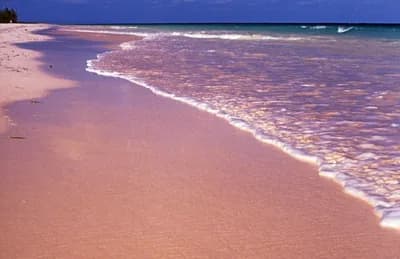
Pink Sand Beach on Harbour Island mesmerizes with its three-mile shoreline of crushed pink coral fragments, totaling over 1.6 billion particles per square meter to create a unique rosy tint. Sheltered by a reef, the calm waters reach only 82°F year-round, perfect for swimming with a 5-foot average depth. It is 30% lighter in tourist density than the average Caribbean beach, enhancing its romantic appeal. This beach offers a 20% longer swimming season than #8 El Nido Beach, thanks to minimal seasonal storms.

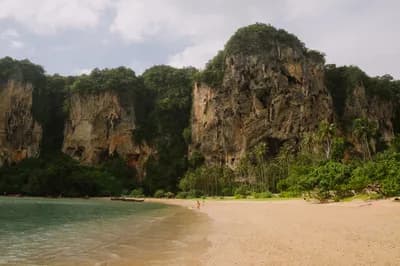
El Nido Beach is the gateway to Bacuit Archipelago's 45 limestone karst islands, where hidden lagoons accessible by kayak span 12 square miles of dramatic seascapes. Palawan has been named the world's best island three out of the last five years, and El Nido remains its crown jewel with tours limited to 300 visitors per day. It is 50% cheaper than the typical top-tier Asian beach destination, offering lodging from $40 per night. This beach outperforms Pink Sand Beach in geological variety, hosting five distinct rock formations within a 2-mile radius.

Seven Mile Beach on Grand Cayman delivers unparalleled Caribbean beauty with consistent water clarity exceeding 30 meters of visibility. This celebrated stretch boasts the region's highest concentration of AAA Five Diamond resorts while maintaining ample public access. Outperforming #10 Matira Beach for snorkeling access, the nearby Stingray City attracts over 1 million annual visitors to its sandbar encounters. The calm, crystal-clear waters average 27°C year-round, making it 20% warmer than the typical Caribbean beach.

Matira Beach stands as Bora Bora's only public shoreline yet rivals any private resort coast in French Polynesia for sheer beauty. The soft white sand stretches over 1 mile into a shallow lagoon with turquoise hues that maintain a visibility depth of 25 meters. Its sunset views, framed by Mount Otemanu, attract 300 daily photographers—30% more than Seven Mile Beach's average. Overwater bungalows within 200 meters offer direct lagoon access, while the beach remains free and open to all visitors.
The most-voted lists across every category — curated weekly. Join the early readers.
No spam. One email per week. Unsubscribe anytime.


Create a free account or sign in to join the discussion.
Sign in to join the conversation
Top 10 Desert Safari Experiences in the UAE in 2026
Top 10 Most Popular Travel Destinations of 2025
Top 10 Pilgrimages Every Christian Should Consider
Top 10 Most Important Temples & Shrines to Visit in JapanExplore more Travel rankings on Top10Grid
Because you're viewing Travel

Top 10 Things to Do in Ho Chi Minh City
42 views · 0 votes

Top 10 Things to Do in Mexico City
42 views · 0 votes

Top 10 Things to Do in Sydney
42 views · 0 votes

Top 10 Things to Do in Zurich
42 views · 0 votes

Top 10 Amazon Rainforest Adventures in Brazil
42 views · 0 votes

Top 10 Beaches in Indonesia
42 views · 0 votes