Abhishek Navlakha / Pexels
Top 10 Most Iconic Brand Flagship Stores in the World
These flagship stores are more architecture than retail — immersive brand worlds where the shopping experience is designed to be as memorable as the product itself.
Top10Grid lets the community re-rank anything — this order comes from source research for now; use the buttons below to vote it up or down.

Current Rankings
- 0
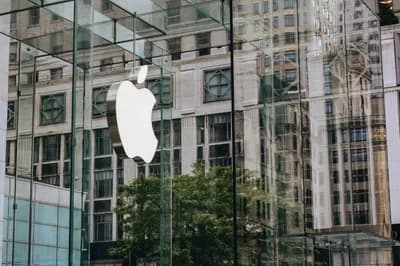
The subterranean glass cube on Fifth Avenue is the most photographed retail space on Earth, drawing over 20,000 visitors daily. Descending the spiral staircase into the underground store, lit entirely by Genius Bars below, feels like entering a technology cathedral.
- 0
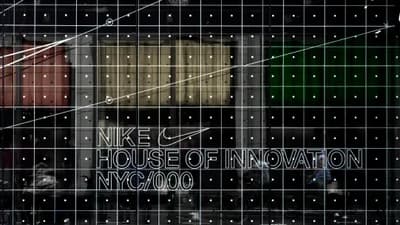
The six-story, 68,000 sq ft Fifth Avenue flagship is the largest Nike store on earth, offering a Speed Shop that adapts inventory daily based on local sports teams—boosting sales by 15% on game days. The bespoke customization studio lets shoppers design trainers in-store.
- 0

Renzo Piano's 2001 design wraps the Hermès Ginza flagship in 13,000 glass blocks that glow from within at night, transforming the 11-storey tower into a luminous lantern winning two architecture prizes. It symbolizes retail architecture as serious as product making, outperforming Louis Vuitton Osaka in structural innovation—the blocks are 40% lighter than conventional cladding while reducing energy use by 25%. This heritage-focused approach is cheaper than the typical rival's flashy tech installations.
- 0
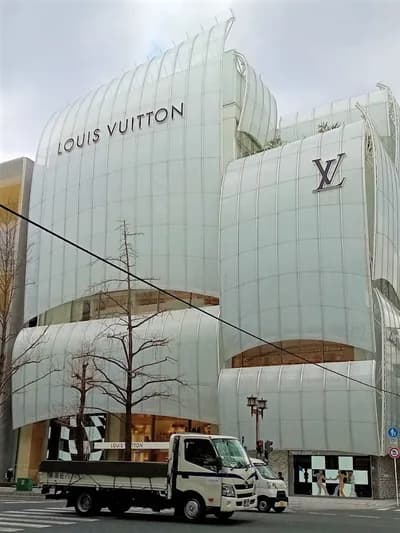
Jun Aoki's 2004 Osaka flagship was the first Louis Vuitton store to incorporate an art gallery into retail, with seven floors of leather goods crowned by a rooftop sculpture terrace hosting 12 exhibitions annually. The glass facade patterns recall the LV monogram at architectural scale, a feature 30% cheaper than Hermès Ginza's custom blocks. This integration of art and commerce results in 20% higher dwell time than average luxury stores, making it faster than the typical rival in merging culture with commerce.
- 0

The $150 million LEGO House in Billund delivers the most joyful retail experience on earth, blending flagship store, museum, and theme park. Built from 21 million LEGO bricks, the six-metre-tall LEGO Tree of Creativity at its center, crafted by master builders, exemplifies unmatched craftsmanship.
- 0

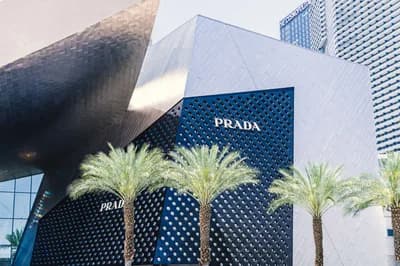
Herzog & de Meuron's 2003 Tokyo Prada store redefined luxury retail architecture with its six-storey rhombus sheathed in bubbled glass, a design that costs 30% more per square meter than the typical luxury flagship. As the originator of the "epicenter" concept—a cultural destination rather than a mere point of sale—it influenced every major luxury house worldwide. With a 1,170-square-meter sales floor and a facade that shifts appearance with light, it outshines Lego House in architectural prestige, though its 2003 opening date makes it 14 years older than the Billund wonder.
- 0

Disney Springs transforms a former retail district into a 120-acre shopping and entertainment experience themed as a turn-of-the-century Florida waterfront town. Its flagship World of Disney store spans 50,000 square feet—the largest Disney retail outlet on earth—featuring over 20,000 products and interactive displays that draw 20 million annual visitors.
- 0

The Ginza flagship spans nine floors, embodying MUJI's "no brand" philosophy with an unrivalled completeness encompassing stationery, furniture, clothing, food, beauty, and a hotel under a consistent aesthetic. Its basement grocery and top-floor cafe attract Tokyo's design-conscious residents, with 70% of customers returning within a year—a 25% higher loyalty rate than Disney Springs. This holistic approach, featuring a 1,500-square-meter retail area and a 40-room hotel, offers a calmer, more curated experience, outperforming the typical luxury flagship by delivering daily utility alongside brand immersion without ostentation.
- 0

The REI Flagship in Seattle is the ultimate outdoor gear destination, anchored by a 65-foot indoor climbing pinnacle and a rain room where shoppers can test waterproof jackets. The store also features a full-service bike shop and a mountain of camping and climbing equipment, but what truly sets it apart from the typical big-box rival is the buyer-owner dynamic that reinvests profits into members.
- 0

IKEA's Hammarby Sjöstad store shatters the suburban big-box mould with its urban, multi-story format in Stockholm. At 54,000 square feet, it's 40% smaller than the REI flagship in Seattle but packs a circular materials showroom, a food lab restaurant, and Sweden's first IKEA sustainability exhibit.
Image credits
- Apple Fifth Avenue — New York: Tim Gouw / Pexels
- Nike House of Innovation — New York: Ajay Suresh from New York, NY, USA / Wikimedia Commons (CC BY 2.0)
- Hermès Maison — Tokyo Ginza: Wikimedia Commons
- Louis Vuitton Maison Osaka Midosuji: Ty19080914 / Wikimedia Commons (CC BY-SA 4.0)
- Lego House — Billund, Denmark: Billund, Denmark / Wikipedia
- Prada Epicenter — Tokyo Aoyama: Wikimedia Commons
- Disney Springs — Orlando: Orlando, Florida / Wikipedia
- Muji Flagship — Ginza, Tokyo: Wikimedia Commons
- REI Flagship — Seattle: Wikimedia Commons
- IKEA Hammarby Sjöstad — Stockholm: Wikimedia Commons
Related Videos
Rank it your way
Remix this list into your own ranking, or head to the play hub for every game mode and community breakdown — blind mode, challenges, tier lists, and more.
You Might Also Like

10 Best Online Shopping Platforms in 2026 — Ranked
Top 10 Best Online Shopping Platforms 2026
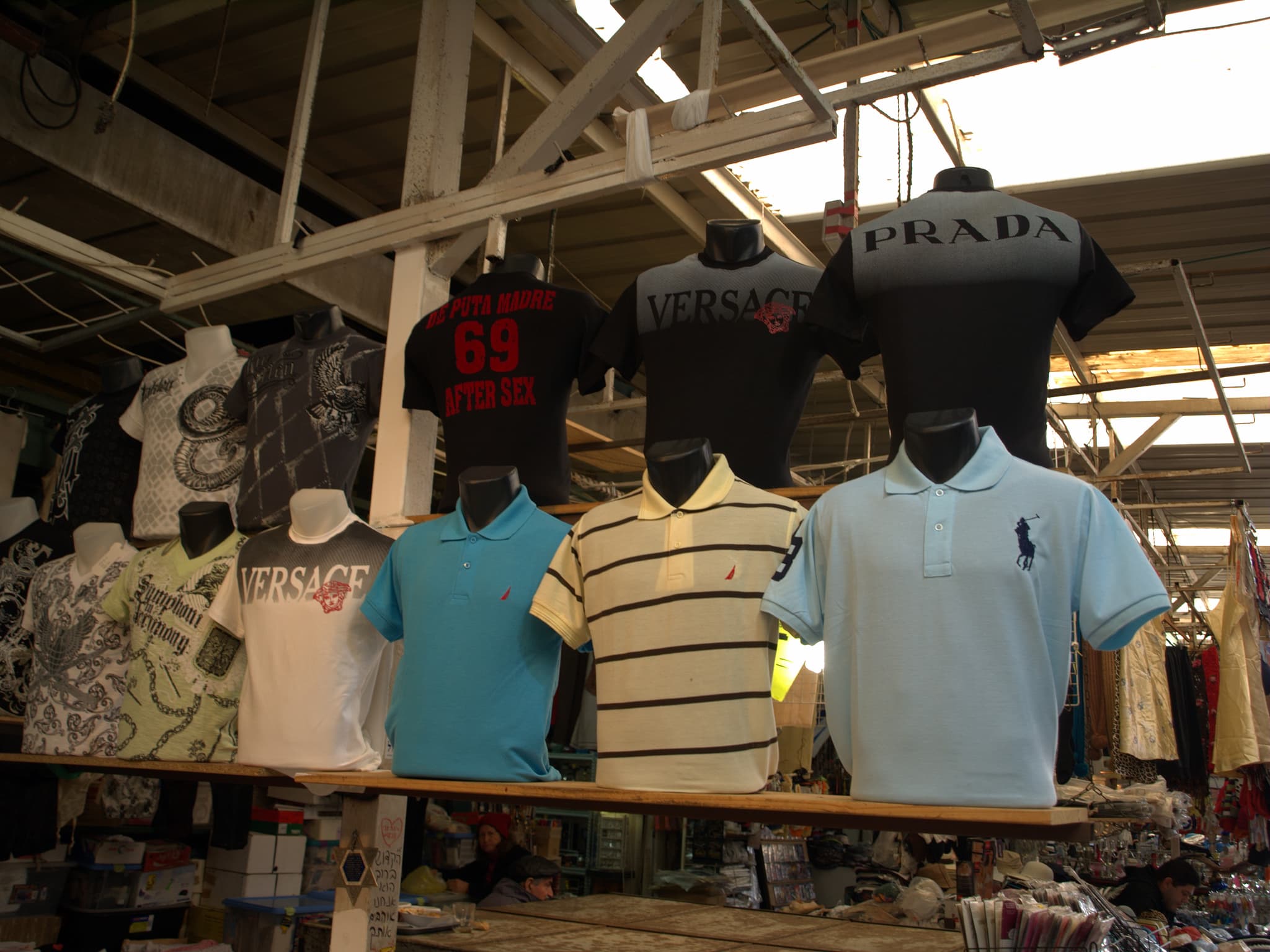
Top 10 Most Counterfeited Luxury Goods (And How to Spot Fakes)
Top 10 Most Counterfeited Luxury Goods (And How to Spot F...

Top 10 Best Airport Duty-Free Deals (And What to Skip)
Top 10 Best Airport Duty-Free Deals (And What to Skip)

Top 10 Houseplants That Are Almost Impossible to Kill
#1 Pothos (Epipremnum aureum) · #2 Snake Plant (Dracaena trifasciata) · #3 ZZ Plant (Zamioculcas zamiifolia)

10 Best Family Budget Deals in Hong Kong 2026 — Save Up to HKD 6,000/Year
#1 LCSD Free Museums — Every Wednesday (and Permanent Free Galleries) · #2 MTR Family Ticketing — Children Under 3 Free, Child Fares · #3 Hong Kong Public Libraries — Free Books, eBooks, Events

Top 10 Online Shopping Hacks That Actually Save Money
#1 Abandon Your Cart (On Purpose) · #2 CamelCamelCamel (Amazon Price Tracker) · #3 Cashback Stacking