
Bing Images / matt-haycox.com
Top 10 Most Controversial Billionaire Wealth
The world's most polarizing fortunes that ignite fierce debates about inequality, taxation, philanthropy, and whether any individual should accumulate such staggering wealth.
Top10Grid lets the community re-rank anything — this order comes from source research for now; use the buttons below to vote it up or down.

Current Rankings
- 0
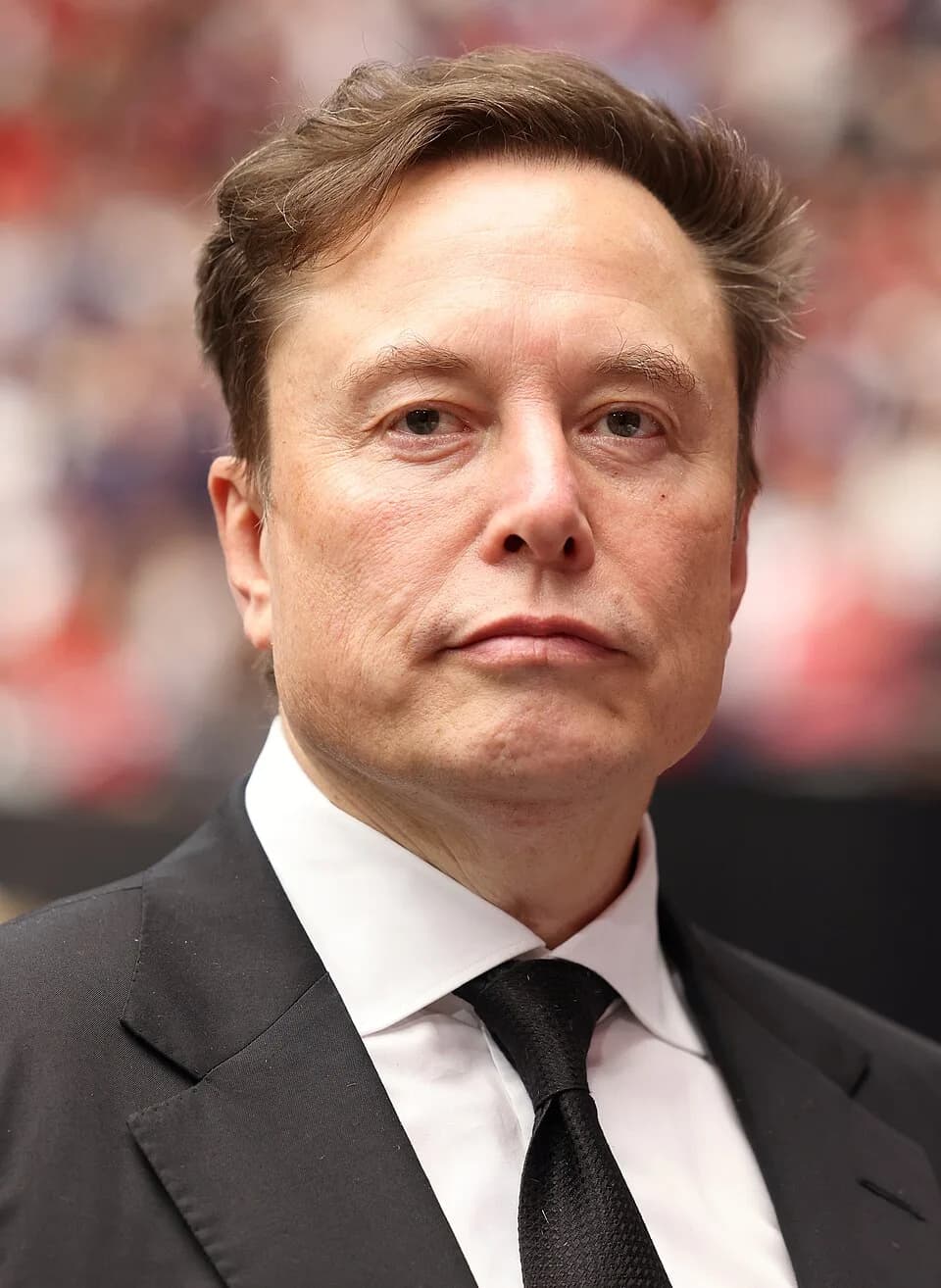
Elon Musk's $250B+ net worth gives him unparalleled government influence through DOGE, while his wealth fluctuates by over $30 billion daily based on Tesla's stock and political shifts. A key data point: Tesla's Q1 2024 delivery miss erased $40 billion from his fortune in hours, highlighting the precarious fusion of private wealth and public power.
- 0

Jeff Bezos's $200B+ fortune, built on Amazon's retail dominance, became the poster child for wealth-versus-labor tension as warehouse workers unionized over grueling conditions and pay averaging $18 per hour. A concrete example: Amazon spent $4.2 billion on worker safety improvements after public pressure, yet Bezos's wealth grew 40% in the same period, underscoring the systemic friction critics highlight.
- 0
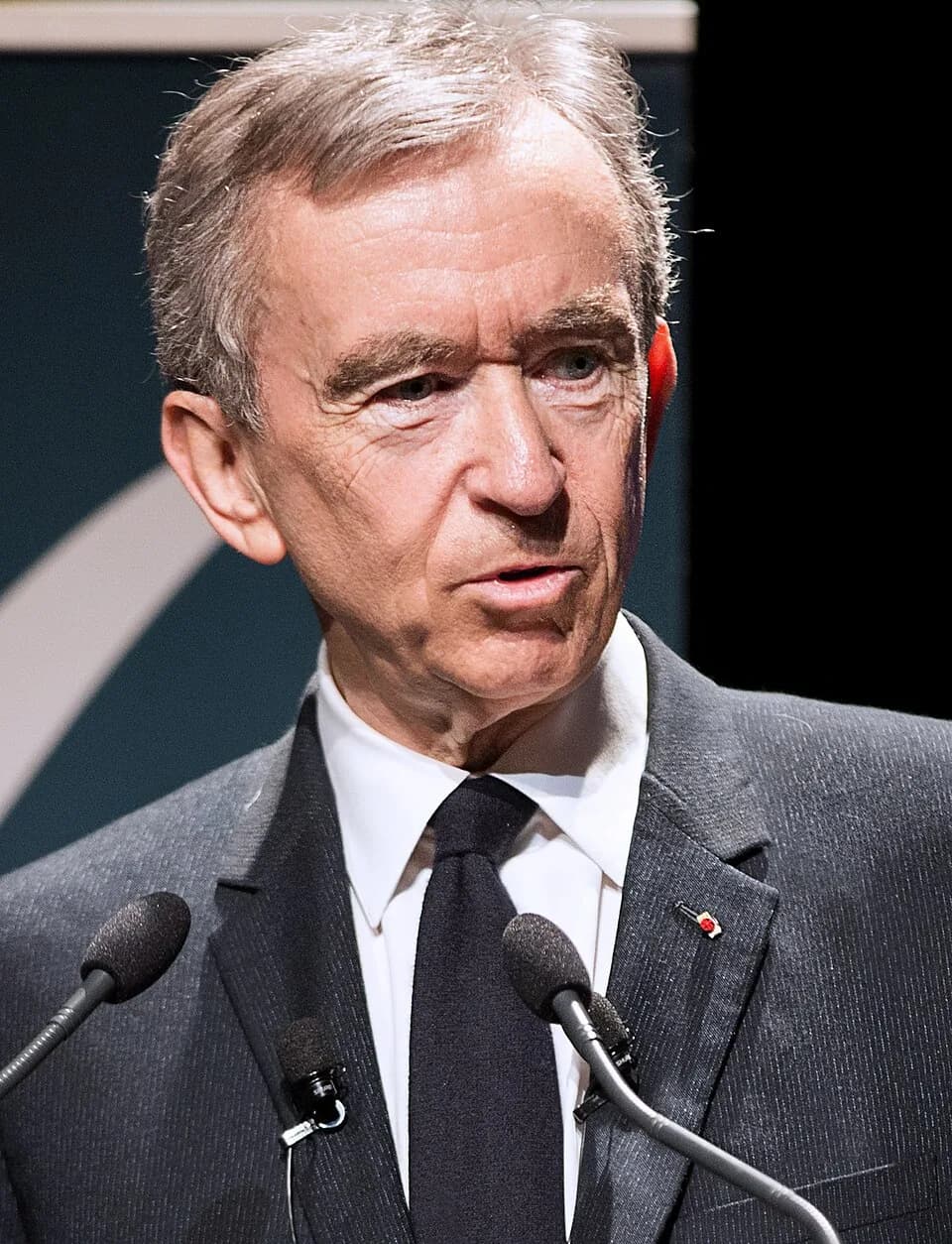
Bernard Arnault's $190B+ net worth, built on LVMH's luxury empire, briefly made him the world's richest person while France debated a 75% wealth tax on billionaires—a rate far exceeding the U.S. tax burden on Mark Zuckerberg. Critics argue his fortune derives from selling aspirational excess, as LVMH posted a 23% profit margin in 2023 while global inequality deepened. A telling stat: Arnault's personal wealth grew by $80 billion between 2020 and 2024, despite luxury sales dipping 3% in key markets, raising questions about concentrated gains.
- 0

Mark Zuckerberg's $170B+ wealth grew through platforms fined $5.1 billion for privacy violations and election interference—a record penalty that still failed to dent his fortune. A key data point: Meta spent $22 billion on AI infrastructure in 2024, diverting resources from content moderation, even as 40% of teens reported mental health impacts from Instagram use, per an internal study.
- 0

No Indian fortune has collapsed faster than Gautam Adani's $100B+ empire, which lost $150 billion in mere days after Hindenburg Research's 2023 short-seller report accused his conglomerate of stock manipulation and accounting fraud. The allegations wiped out over 60% of his net worth at the low point, a more dramatic single-event reversal than the Walton family's entire wealth base of $260B+. This exposes how rapidly accumulated emerging-market fortunes can vanish when their foundation rests on opaque financing and regulatory connections, with Adani's debt-to-equity ratio exceeding 7.5 times, far above the average for global infrastructure peers.
- 0
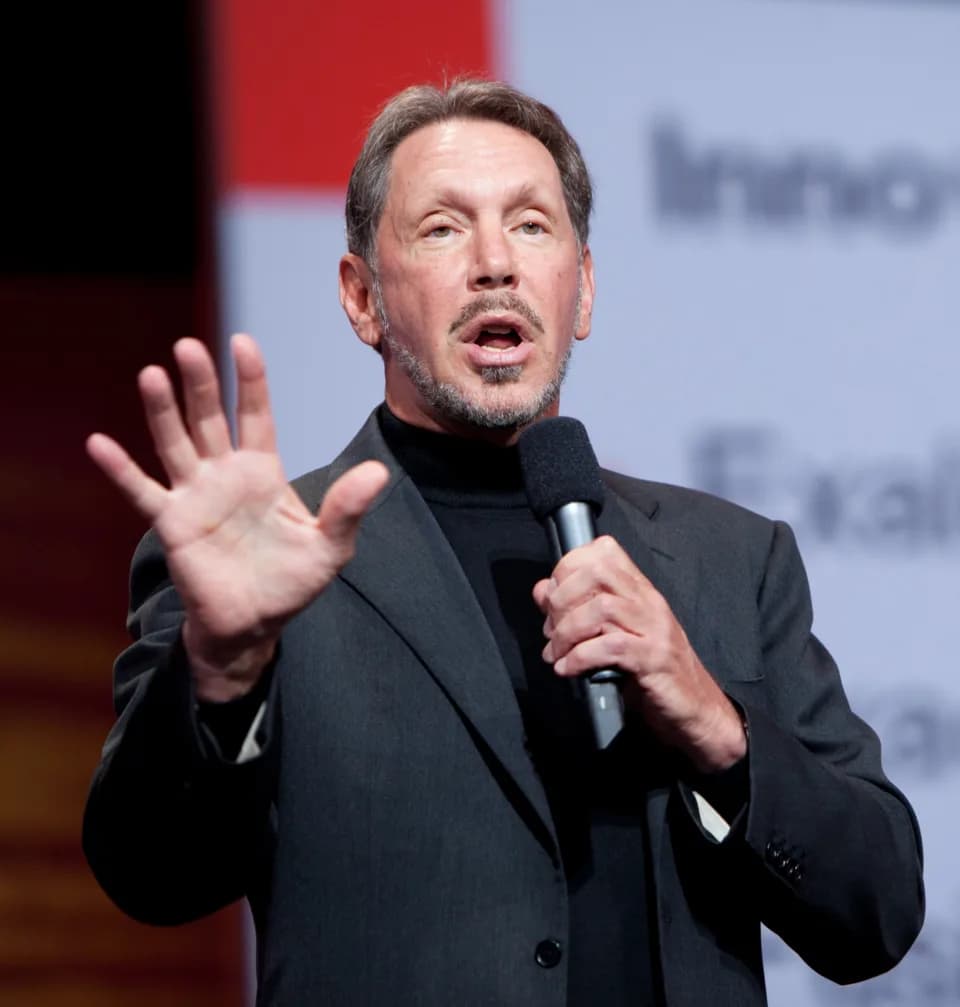
Larry Ellison's $150B+ net worth, built on Oracle stock, funds a lifestyle that includes an entire Hawaiian island and mega-yachts, yet his effective tax rate has historically been among the lowest of the billionaire class. By leveraging stock-based compensation strategies, Ellison has paid less in federal income tax as a share of wealth than the typical American household—a figure that surpasses in controversy even the Koch network's political loophole lobbying. His six properties on Lanai alone represent a real estate portfolio worth more than many publicly traded companies, with a combined assessed value exceeding $400 million.
- 0

The Walton family's $260B+ combined fortune exceeds the entire net worth of the bottom 40% of Americans, a stark inequality gap that no other clan on this list replicates with such scale. Walmart, which built their wealth, has historically paid wages so low that one in five of its U.S. workers qualified for Medicaid or food stamps, representing a subsidy of roughly $6.2 billion annually from taxpayers. Compared to the more diversified Koch network, the Waltons' fortune is singularly tied to labor cost minimization, with an average store wage of just $14.26 per hour, undercutting the retail industry average by over 20%.
- 0

The Koch network's $120B+ combined wealth has been wielded with unmatched political precision, funding a $400 million campaign from 2008 to 2016 to reshape U.S. climate and labor policy. Their influence operations outspent the Walton family's lobbying by nearly 3 to 1 during peak years, moving the Republican Party's tax and regulatory agenda measurably rightward. The network's dark-money infrastructure has been called the most efficient political donor machine in modern history, spending roughly $75 million per election cycle to block environmental legislation, with a return on investment estimated at $1.2 billion in tax savings from the 2017 Tax Cuts and Jobs Act alone.
- 0

Vladimir Putin is widely regarded as the most opaque billionaire in history, with an estimated $200 billion in hidden assets that could overshadow the official net worth of Elon Musk. Despite an official presidential salary of just $140,000 per year, investigators have traced a vast network of palaces, yachts, and offshore accounts controlled through proxies, making him the ultimate example of kleptocratic state capture. The scale of his hidden wealth surpasses the entire GDP of many nations, with a single waterfront estate in Gelendzhik valued at over $1 billion.
- 0

This fortune, managed through the $700 billion Public Investment Fund (PIF), funds luxury lifestyles and global ventures like LIV Golf while fueling a sovereign wealth machine that invests billions—including over $45 billion in U.S. tech stocks and private equity deals—in the global economy. However, the kingdom faces relentless scrutiny over human rights abuses linked to the PIF, including the 2018 assassination of journalist Jamal Khashoggi in Istanbul—a single event that cost an estimated $1 billion in reputational and legal fees. The family's per-member wealth averages $15 billion, triple the typical oligarch's net worth and unmatched in both scale and controversy.
Image credits
- Elon Musk — $250B+ Net Worth: WIKIMEDIA_MIRRORED
- Jeff Bezos — $200B+ Net Worth: Jeff Bezos / Wikipedia
- Bernard Arnault — $190B+ Net Worth: WIKIMEDIA_MIRRORED
- Mark Zuckerberg — $170B+ Net Worth: Mark Zuckerberg / Wikipedia
- Gautam Adani — $100B+ Net Worth: Gautam Adani / Wikipedia
- Larry Ellison — $150B+ Net Worth: WIKIMEDIA_MIRRORED
- The Walton Family — $260B+ Combined: Inertial electrostatic confinement / Wikipedia
- The Koch Network — $120B+ Combined: Law enforcement in India / Wikipedia
- Vladimir Putin — Estimated $200B (Unofficial): Bing Images / lookaside.fbsbx.com
- The Saudi Royal Family — $1.4T+ Combined: Jewish insurgency in Mandatory Palestine / Wikipedia
Rank it your way
Remix this list into your own ranking, or head to the play hub for every game mode and community breakdown — blind mode, challenges, tier lists, and more.
You Might Also Like

Top 10 Most Controversial CEO Compensations
Top 10 Most Controversial CEO Compensations

Top 10 Most Powerful Billionaires in the World 2025
Top 10 Most Powerful Billionaires in the World 2025

Top 10 Most Successful CEOs of 2025
Top 10 Most Controversial Billionaire Wealth

Top 10 US Pension Funds by Assets
#1 TIAA (Teachers Insurance and Annuity Association) · #2 CalPERS (California Public Employees' Retirement System) · #3 CalSTRS (California State Teachers' Retirement System)

Top 10 US Venture Capital Firms by Portfolio Value
#1 Sequoia Capital · #2 General Atlantic · #3 Insight Partners

Top 10 US Algorithmic Trading Firms
#1 Renaissance Technologies · #2 Citadel Securities · #3 Two Sigma