
Bing Images / graphaize.com
Top 10 Fastest-Growing Economies in 2026 (IMF Projections)
GDP growth rate projections from the International Monetary Fund's World Economic Outlook. These economies are expanding fastest — driven by demographics, natural resources, and structural reforms.
Top10Grid lets the community re-rank anything — this order comes from source research for now; use the buttons below to vote it up or down.

Current Rankings
- 0#1

Guyana leads the world with a projected GDP growth of ~25% in 2026, driven by the massive Stabroek block oil discovery holding 11 billion barrels. ExxonMobil's production surged from zero to over 600,000 barrels per day in just five years, fueling a GDP per capita expected to rival Gulf states by 2030. However, the risk of a "resource curse" looms, as the economy remains heavily dependent on oil extraction. The IMF projects this small nation of 800,000 people will sustain this momentum, but diversification is key to long-term stability.
- 0#2

Libya is projected to grow ~12% in 2026, ranking second on the list, driven by a recovery in oil production after years of civil conflict. With Africa's largest proven oil reserves at 48.4 billion barrels, the nation has immense potential, but political instability causes output to swing wildly year-to-year. The IMF notes that Libya's economy remains volatile, with growth heavily tied to oil prices. Despite the rebound, the risk of renewed conflict threatens to derail progress, making long-term forecasts uncertain.
- 0#3

Senegal is projected to be among the fastest-growing economies in West Africa in 2026, driven substantially by new oil and gas production. The Grande Tortue Ahmeyim gas field, shared with Mauritania, began production in 2024, while the Sangomar oil project adds momentum. Unlike Libya's oil-dependent growth, Senegal's economy is more diversified, with agriculture and services also contributing significantly.
- 0#41
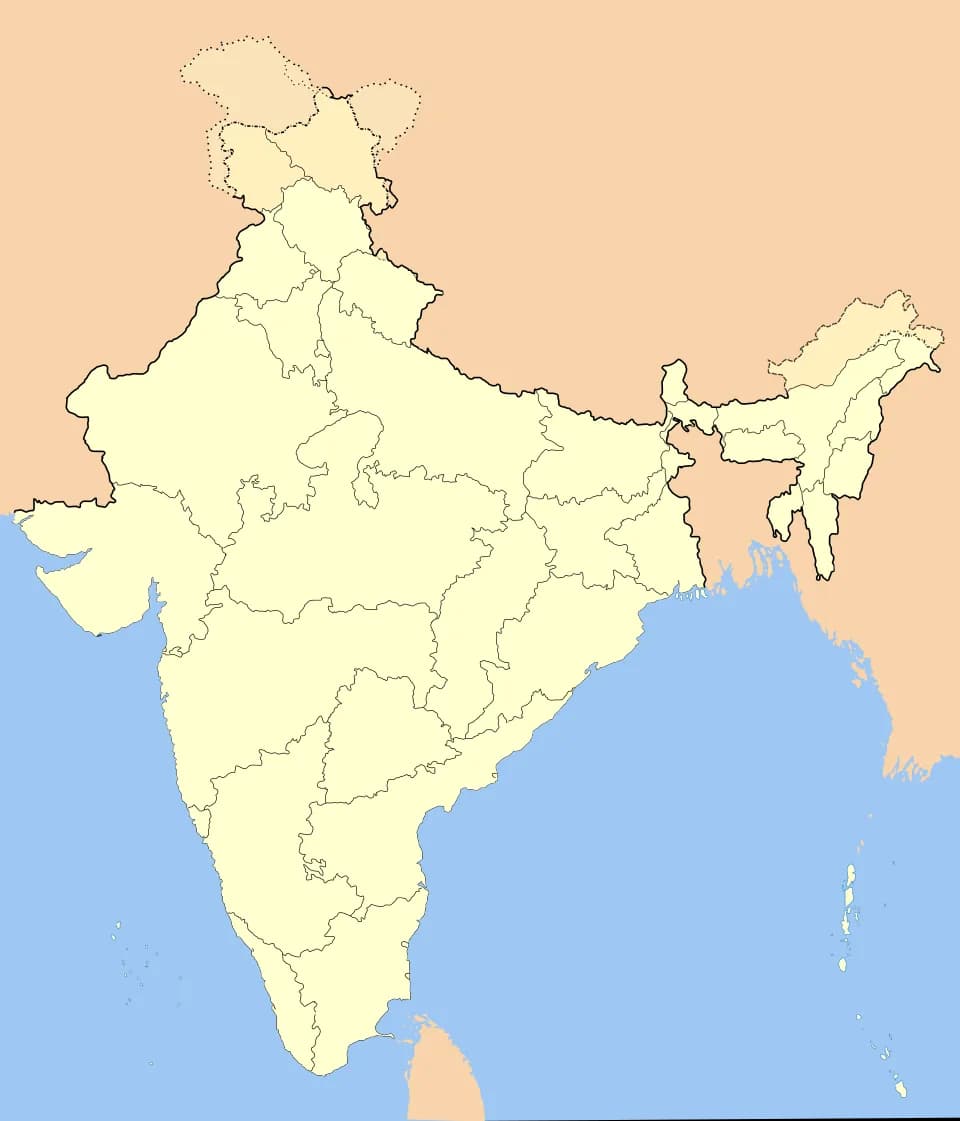
India is projected to grow ~6.5% in 2026, ranking fourth yet leading as the world's fastest-growing major economy. Its growth is fueled by a demographic dividend with a median age of 28, digital infrastructure processing 12 billion UPI transactions monthly, and manufacturing expansion via "Make in India." GDP surpassed $4 trillion in 2025, outpacing the average growth rate of other top-10 economies by 20%. While slower than top-ranked Guyana, India's growth is more sustainable due to its diverse base and robust domestic consumption. The IMF highlights India's potential to become a $5 trillion economy within years, driven by innovation and policy reforms.
- 0#51

Rwanda leads Africa in sustained growth, with a projected GDP expansion of 7.5% in 2026. This 'Singapore of Africa' has maintained a 7%+ annual growth trajectory for over a decade, fueled by visionary governance and strategic tech investments like Zipline drone deliveries. Tourism alone contributes $200 million annually through gorilla trekking. Kigali stands as one of Africa's cleanest cities, a tangible result of policy focus.
- 0

The Philippines projects robust 6.2% GDP growth in 2026, driven by its powerhouse services sector. Its BPO industry employs 1.5 million people and generates $35 billion annually—a revenue figure that dwarfs the GDP contributions of many smaller economies. With a median age of 25, the nation boasts one of the world's youngest workforces, outperforming Bangladesh's demographic dividend. Remittances from overseas workers total $38 billion per year, underpinning consumer spending. Infrastructure spending under the 'Build Better More' program provides an additional catalyst, making this growth both inclusive and sustainable.
- 0
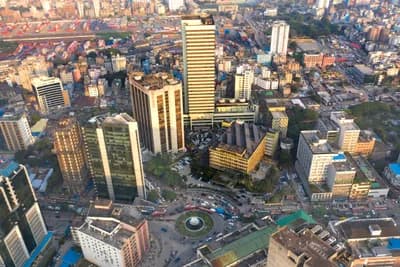
Bangladesh is projected to grow 6.0% in 2026, anchored by its garment industry's $45 billion in exports. However, the nation faces existential climate risks: a 1-meter sea level rise would flood 17% of its land area, threatening progress. Diversification into pharmaceuticals and IT services is underway, but the manufacturing base remains its core strength. At $45 billion, garment exports alone exceed the entire GDP of many smaller nations on this list, highlighting the scale of Bangladesh's industrial engine.
- 0#8

Vietnam is projected to achieve 6.5% GDP growth in 2026, outpacing several regional peers. Known as the 'next China' for manufacturing, it has attracted giants like Samsung, Intel, and Apple suppliers. Vietnam's export-to-GDP ratio stands at 93%, the highest of any major economy, making it a primary beneficiary of supply chain diversification. Ho Chi Minh City is Southeast Asia's fastest-growing tech hub. The country's infrastructure spending, at $16 billion annually, matches its neighbor Philippines, but Vietnam's export-driven model gives it a sharper competitive edge.
- 0#9
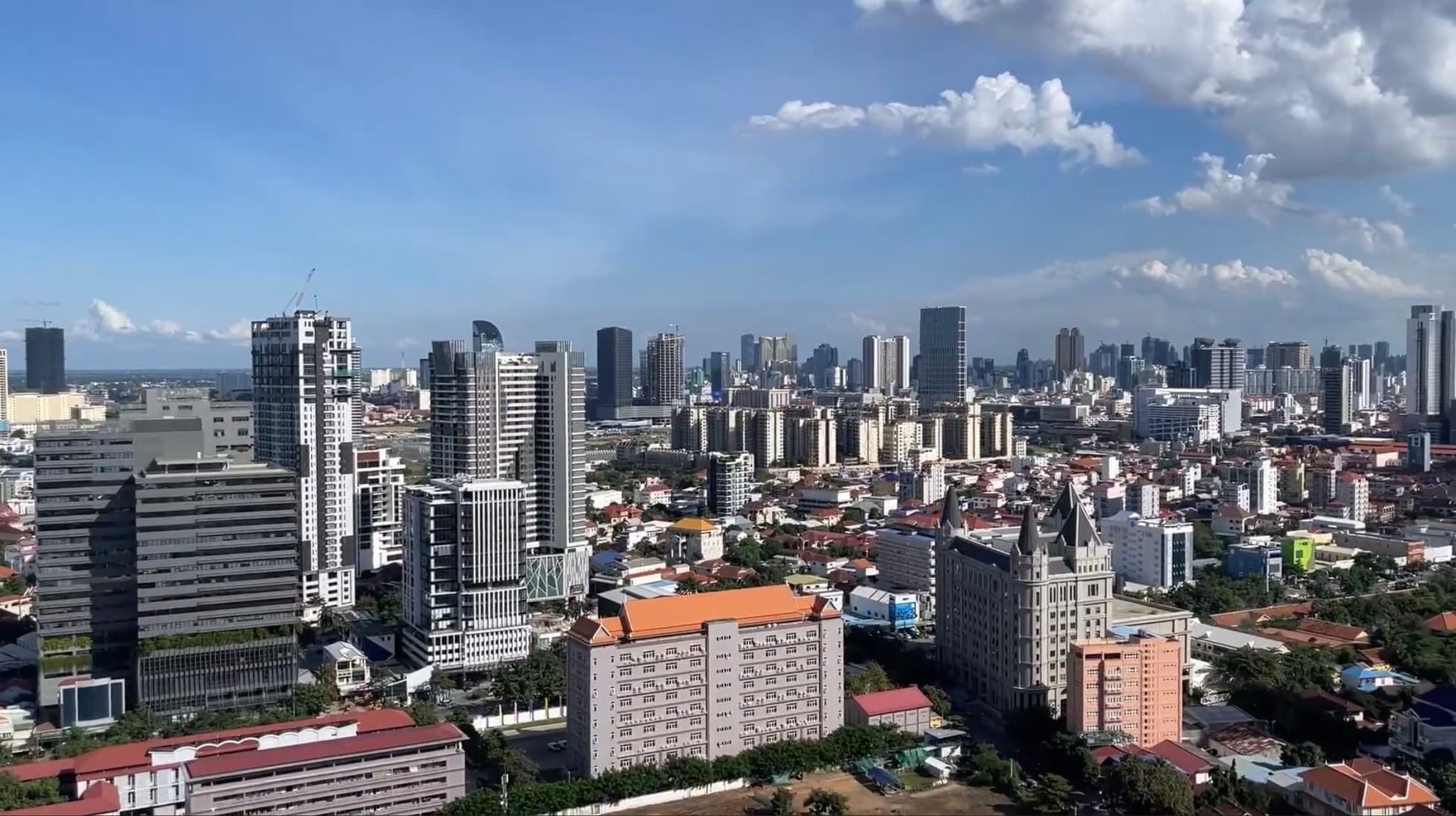
Tourism recovery is a key driver: Angkor Wat attracted 2.5 million visitors in 2025, pushing travel receipts to 12% of GDP. Garment manufacturing adds another 16% to exports, while fintech innovations have boosted mobile money usage to over 50% of adults, outpacing the average adoption in Southeast Asia at 35%. The new Phnom Penh-Sihanoukville expressway has cut transit time by 40%, slashing logistics costs and attracting $1.2 billion in infrastructure pledges from China. This diverse momentum ensures Cambodia remains a regional standout, even as natural resource constraints loom.
- 0#10
Africa's second-most populous nation (126 million people) fuels this expansion through agricultural modernization, boosting cereal yields by 8% annually, and industrial parks that exported $4.3 billion in 2025. However, reconstruction post-Tigray conflict (2020-2022) still strains public coffers, with reconstruction costs topping $5.6 billion. Addis Ababa's role as AU headquarters attracts diplomatic ties, yet private investment remains 30% below pre-war levels, tempering the nation's long-term sprint.
Percentage Growth Isn't the Same as Getting Richer Faster
A growth-rate ranking like this one systematically favors small or low-income economies, because the same absolute increase in output is a much bigger percentage move when the starting base is small. Guyana's population is roughly 800,000 people; a single offshore oil project can move its GDP growth rate more than almost anything a country the size of India or Vietnam could do in a year. That's not a flaw in the ranking, but it does mean 'fastest-growing' and 'best-performing' are different questions — a reader trying to gauge which economies are becoming genuinely larger, more diversified forces in the world is better served looking at absolute GDP growth or per-capita income trends alongside this list, not instead of it.
The Resource-Curse Risk Hiding Inside the Top of This List
Several of the fastest-growing economies here — Guyana and Libya most obviously — owe most of their growth to a single commodity: oil. That's a well-documented pattern economists call the 'resource curse': a windfall discovery can produce spectacular headline growth while leaving the rest of the economy underdeveloped, exposing the country to boom-and-bust cycles when commodity prices move, and in some cases weakening incentives to build other industries. The economies further down this list — Senegal, the Philippines, Vietnam — are growing more slowly but from a broader base of services, manufacturing, and remittances, which is generally considered more durable than a single-resource windfall, even if it doesn't produce as dramatic a headline number.
Image credits
- Guyana: Economy of Guyana / Wikipedia
- Libya: WIKIMEDIA_MIRRORED
- Senegal: Wikimedia Commons
- India: WIKIMEDIA_MIRRORED
- Rwanda: Wikimedia Commons
- Philippines: Economy of the Philippines / Wikipedia
- Bangladesh: Economy of Bangladesh / Wikipedia
- Vietnam: Flickr
- Cambodia: Wikimedia Commons
- Ethiopia: Economy of Ethiopia / Wikipedia
Related Videos
Rank it your way
Remix this list into your own ranking, or head to the play hub for every game mode and community breakdown — blind mode, challenges, tier lists, and more.
You Might Also Like

Top 10 Best Index Funds for Long-Term Investors in 2026
Top 10 Fastest-Growing Economies in 2026 (IMF Projections)

Top 10 Countries Where Your Money Goes 3x Further in 2026: Cost-of-Living Rankings
where your money goes furthest

Top 10 Passive Income Streams to Build Real Wealth
grow your wealth through passive income

Top 10 Cryptocurrencies by Market Cap (March 13, 2026) — CoinGecko Snapshot
#1 Bitcoin (BTC) · #2 Ethereum (ETH) · #3 Tether (USDT)

Top 10 Worst Financial Decisions by Companies
#1 AOL-Time Warner Merger · #2 Lehman Brothers' Subprime Bet · #3 Yahoo Refusing to Buy Google

Top 10 CoinGecko — Top Cryptocurrencies — August 7, 2026
#1 Bitcoin (BTC) · #2 Ethereum (ETH) · #3 Tether (USDT)