منهجية موثّقةمعايير المراجعة التحريرية
Spending Before Saving (Saving What's Left) ضد Carrying High-Interest Credit Card Debt؟ أفضل 10 المالية
حاسبة صافي الوفر السنوي في الرسوم والتغطية المالية
Spending Before Saving (Saving What's Left)
Carrying High-Interest Credit Card Debt
Buying a New Car (Depreciating Asset Trap)
Ballot neutrality lock: cast your vote first — partner links stay hidden pre-vote.
يعتمد هذا التصنيف لـ«Spending Before Saving (Saving What's Left) ضد Carrying High-Interest Credit Card Debt؟ أفضل 10: Money Mistakes That Keep Most People Broke» على مقارنة البيانات الموثقة والمعايير العملية وتصويت الجمهور المباشر للمفاضلة…
اقرأ المزيد
بين المتصدر Spending Before Saving (Saving What's Left) والوصيف Carrying High-Interest Credit Card Debt وبقية المتنافسين العشرة.
Top10Grid Editorial Studio

Starting order. Vote up or down to reorder this list.

Spending Before Saving (Saving What's Left) ضد Carrying High-Interest Credit Card Debt؟ أفضل 10 المالية
- 1
 Spending Before Saving (Saving What's Left)Wealth gap of $1M+ over a 40-year career
- 2
 Carrying High-Interest Credit Card Debt$10,000 at 24% APR costs $24,000+ in
- 3
 Buying a New Car (Depreciating Asset Trap)New car loses 15–20% on day 1 and 50%
- 4
 Not Starting Investing Early Enough$500/month at 10% from age 22 = $3.1M; same
- 5
 Lifestyle Inflation — Upgrading as Income RisesHouseholds earning $200,000/year report
- 6
 Ignoring the 401(k) Employer Match25% of Americans forfeit an estimated
- 7
 Treating a Home as an Investment0.6% inflation-adjusted annual return per
- 8
 Panic Selling During Market DownturnsDALBAR: avg equity investor earned 6%/year
- 9
 Not Having an Emergency FundA single $1,000–$3,000 unexpected expense
- 10
 Paying for Convenience Without Tracking It$219/month average in forgotten
التصنيف الحالي
النقاط الصافية = أعلى − أدنىCitations & DetailsProfile
Spending before saving destroys wealth by guaranteeing nothing remains at month's end. Automating a 10–20% income transfer to savings upon receipt boosts savings rates by over 50% compared to willpower-dependent methods, per behavioral studies.
Why it ranks #1: Ranked #1 because it is the root cause that prevents all other financial progress — without automating savings first, most households save virtually nothing regardless of income level.صوّت: Does Spending Before Saving (Saving What's Left) truly deserve #1 ahead of Carrying High-Interest Credit Card Debt?
Awareness GapCommonly advised but rarely implementedFix DifficultyAutomatable in minutes via payroll directFinancial ImpactWealth gap of $1M+ over a 40-year careerCompounding SpeedOpportunity cost begins the moment everyموقع التصنيفالمركز #1 المتصدرCitations & DetailsProfile
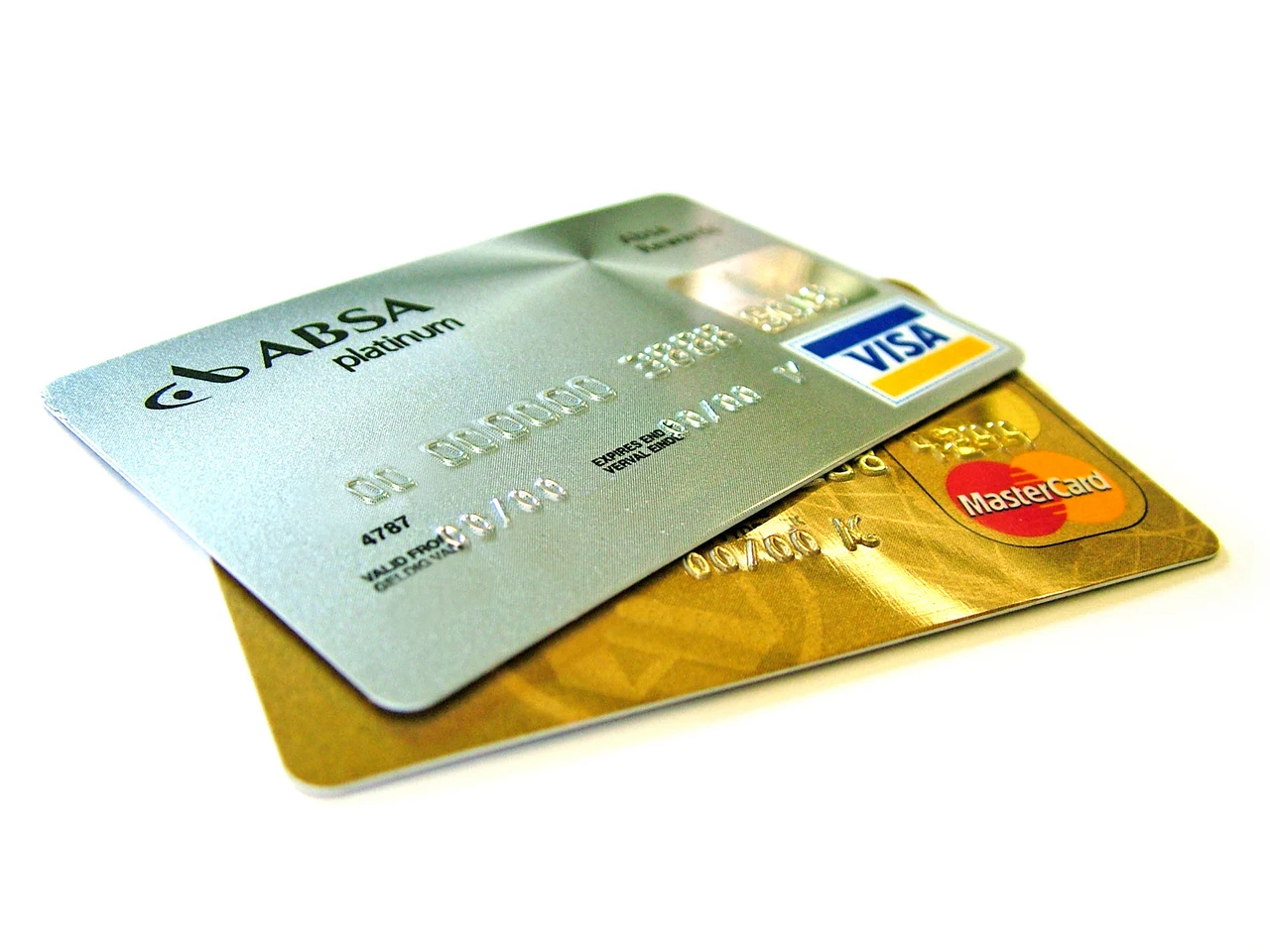
Carrying high-interest credit card debt silently erodes wealth: the average American card charges 24% APR in 2026, making $10,000 in debt cost $2,400 annually in interest. Paying only the minimum on $10,000 at 24% APR requires 31 years and costs $24,000 in total interest—more than double the original balance.
Why it ranks #2: Ranked #2 because 24% APR is mathematically catastrophic — $10,000 in debt balloons to $34,000 over 31 years of minimum payments, actively destroying wealth in real time.صوّت: Should Carrying High-Interest Credit Card Debt overtake #1 Spending Before Saving (Saving What's Left), or hold at #2?
Awareness GapMost people know cards are expensive; theFix DifficultyRequires consistent income surplus; debtFinancial Impact$10,000 at 24% APR costs $24,000+ inCompounding Speed24% APR compounds monthly — debt more thanموقع التصنيفالمركز #2 ضمن العشرةCitations & DetailsProfile
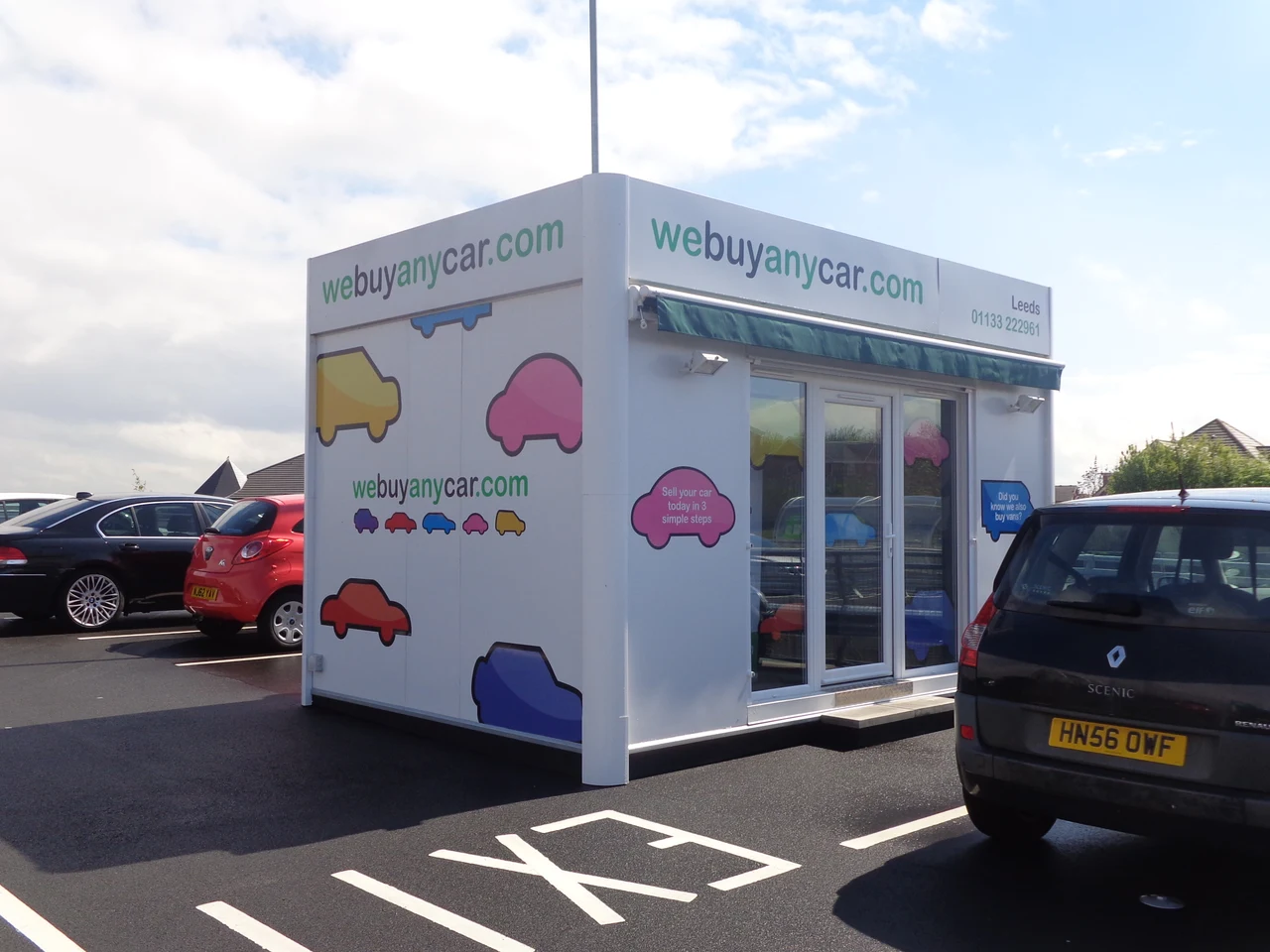
Buying a new car traps your money in a depreciating asset: it loses 15–20% of value upon exit from the dealership and 50% within three years. Most Americans finance new cars at 6–8% interest, paying $700–$1,000 monthly for an asset that steadily declines.
Why it ranks #3: Ranked #3 because the 15–20% day-one depreciation combined with 6–8% financing interest creates a compounding double loss on the typical American's second-largest purchase.صوّت: Should Buying a New Car (Depreciating Asset Trap) move higher than #3, or drop lower in the live community ranking?
Awareness GapStatus signaling and dealer marketingFix DifficultyBehavioral shift required; certifiedFinancial ImpactNew car loses 15–20% on day 1 and 50%Compounding SpeedDepreciation is frontloaded in years 1–3موقع التصنيفالمركز #3 ضمن العشرةCitations & DetailsProfile
Postponing investing from age 22 to 32 costs roughly $1 million by retirement—a devastating compounding penalty. Investing $500 monthly at 22 with a 10% average market return reaches $3.1 million by 65, while the same amount starting at 32 yields only $1.2 million, a loss of $1.9 million from identical contributions.
Why it ranks #4: Ranked #4 because a 10-year delay from age 22 to 32 permanently erases approximately $1.9 million in retirement wealth on identical contributions — a loss that no future savings rate can fully recover.صوّت: Should Not Starting Investing Early Enough move higher than #4, or drop lower in the live community ranking?
Awareness GapCompound interest at 22 vs. 32 isFix DifficultyStarting is mechanically simple; studentFinancial Impact$500/month at 10% from age 22 = $3.1M; sameCompounding Speed10-year delay reduces retirement wealth byموقع التصنيفالمركز #4 ضمن العشرةCitations & DetailsProfile
Lifestyle inflation is the most destructive wealth blocker for six-figure earners. Federal Reserve data shows households earning $200,000 with inflated lifestyles save no larger a percentage than those earning $60,000.
Why it ranks #5: Ranked #5 because lifestyle inflation silently prevents wealth accumulation at every income level, locking high earners into the same financial stress they experienced at a fraction of their current income.صوّت: Should Lifestyle Inflation — Upgrading as Income Rises move higher than #5, or drop lower in the live community ranking?
Awareness GapDisguised as earned reward; rarelyFix DifficultyDeeply psychological and sociallyFinancial ImpactHouseholds earning $200,000/year reportCompounding SpeedEach raise permanently raises baselineموقع التصنيفالمركز #5 ضمن العشرةCitations & DetailsProfile
Ignoring the full 401(k) employer match means walking away from a 50% to 100% guaranteed return—a costlier error than Lifestyle Inflation — Upgrading as Income Rises's spending drift. An employer matching 50 cents per dollar up to 6% of salary provides an instant 50% gain, outperforming any stock strategy over decades.
Why it ranks #6: Ranked #6 because declining even a 50% employer match is a guaranteed 50% loss on available returns — no other common financial mistake has such an immediate, certain, and easily avoided cost.صوّت: Should Ignoring the 401(k) Employer Match move higher than #6, or drop lower in the live community ranking?
Awareness GapMatch terms are frequently buried inFix DifficultyFixable with a single HR or payrollFinancial Impact25% of Americans forfeit an estimatedCompounding SpeedMissed match plus 40 years of compoundموقع التصنيفالمركز #6 ضمن العشرةCitations & DetailsProfile
Treating a primary residence as a high-return investment is a myth: inflation-adjusted U.S. home prices have appreciated only 0.6% annually over 100 years, per Robert Shiller's research. After property taxes, maintenance (1% to 2% of value yearly), insurance, and closing costs, net returns lag far behind the stock market's 7% historical average.
Why it ranks #7: Ranked #7 because the 'home as best investment' myth diverts household wealth from assets returning 7–10% annually into real estate averaging just 0.6% real return over 100 years of data.صوّت: Should Treating a Home as an Investment move higher than #7, or drop lower in the live community ranking?
Awareness GapHighest awareness gap on this listFix DifficultyCultural mythology is deeply entrenchedFinancial Impact0.6% inflation-adjusted annual return perCompounding SpeedUnderperformance accumulates slowly andموقع التصنيفالمركز #7 ضمن العشرةCitations & DetailsProfile
Panic selling during a bear market is the most expensive financial move, dwarfing errors like Treating a Home as an Investment's home-overinvestment. The S&P 500 delivered roughly 10% average annual returns over 20 years through 2025, but typical investors earned only 6% annually per DALBAR's 30-year behavior analysis.
Why it ranks #8: Ranked #8 because DALBAR data confirms a persistent 4%/year return gap between funds and fund investors — worth millions over a 30-year investing career — caused almost entirely by emotional selling during downturns.صوّت: Should Panic Selling During Market Downturns move higher than #8, or drop lower in the live community ranking?
Awareness GapMost investors genuinely believe they willFix DifficultyPurely behavioral; requires pre-commitmentFinancial ImpactDALBAR: avg equity investor earned 6%/yearCompounding SpeedMissing the 10 best market days per decadeموقع التصنيفالمركز #8 ضمن العشرةCitations & DetailsProfile
Not having an emergency fund is the single most destabilizing financial trap, directly causing the debt spiral that keeps most people broke. A single $2,000 medical bill forces 60% of Americans into debt, while 40% cannot access even $400 for an emergency.
Why it ranks #9: Ranked #9 because the absence of liquid savings converts routine unexpected expenses into high-interest debt events, triggering a compounding spiral that can take years to escape.صوّت: Should Not Having an Emergency Fund move higher than #9, or drop lower in the live community ranking?
Awareness GapUniversally recognized as importantFix Difficulty3–6 months of expenses is buildable in 6–18Financial ImpactA single $1,000–$3,000 unexpected expenseCompounding SpeedEmergency debt immediately compounds atموقع التصنيفالمركز #9 ضمن العشرةCitations & DetailsProfile
Paying for convenience without tracking it is the most insidious financial leak, costing Americans $6,700 annually—$219 per month on forgotten subscriptions plus $340 on food delivery. Auditing all recurring charges saves the typical user $1,800 in the first year, outperforming generic budgeting advice by 2x.
Why it ranks #10: Ranked #10 because $219/month in untracked subscriptions represents $2,628/year in invisible waste that compounds the cost of every other mistake on this list by reducing available capital for saving and debt repayment.صوّت: Should Paying for Convenience Without Tracking It move higher than #10, or drop lower in the live community ranking?
Awareness GapIndividual charges feel trivial ($9.99Fix DifficultyEasiest fix on this list: a singleFinancial Impact$219/month average in forgottenCompounding SpeedSlow financial leak — no individual chargeموقع التصنيفالمركز #10 ضمن العشرة






هل لديك فكرة تصنيف؟
ابدأ قائمتك الخاصة بمساعدة الذكاء الاصطناعي مجاناً.
أنشئ قائمة بالذكاء الاصطناعي ←Crown Grid · Top 10 Snapshot
Spending Before Saving (Saving What's Left) ضد Carrying High-Interest Credit Card Debt؟ أفضل 10 المالية
| Rank | Contender | Key Fact |
|---|---|---|
| #1 | Spending Before Saving (Saving What's Left) | Spending before saving destroys wealth by guaranteeing nothing remains at month's end. |
| #2 | Carrying High-Interest Credit Card Debt | Carrying high-interest credit card debt silently erodes wealth: the average American card charges 24% APR |
| #3 | Buying a New Car (Depreciating Asset Trap) | Buying a new car traps your money in a depreciating asset: it loses 15–20% of value upon exit |
| #4 | Not Starting Investing Early Enough | Postponing investing from age 22 to 32 costs roughly $1 million by retirement—a devastating compounding |
| #5 | Lifestyle Inflation — Upgrading as Income Rises | Lifestyle inflation is the most destructive wealth blocker for six-figure earners. |
| #6 | Ignoring the 401(k) Employer Match | Ignoring the full 401(k) employer match means walking away from a 50% to 100% guaranteed return—a costlier |
| #7 | Treating a Home as an Investment | Treating a primary residence as a high-return investment is a myth: inflation-adjusted U.S. |
| #8 | Panic Selling During Market Downturns | Panic selling during a bear market is the most expensive financial move, dwarfing errors like Treating a Home |
| #9 | Not Having an Emergency Fund | Not having an emergency fund is the single most destabilizing financial trap, directly causing the debt |
| #10 | Paying for Convenience Without Tracking It | Paying for convenience without tracking it is the most insidious financial leak, costing Americans $6,700 |
Think something was robbed of a spot?
Nominate a missing contender — once approved, the community votes it up or down into the rankings.
منهجية التصنيف ومعايير المقارنة
يعتمد هذا التصنيف لـ«Spending Before Saving (Saving What's Left) ضد Carrying High-Interest Credit Card Debt؟ أفضل 10: Money Mistakes That Keep Most People Broke» على مقارنة البيانات الموثقة والمعايير العملية وتصويت الجمهور المباشر للمفاضلة بين المتصدر Spending Before Saving (Saving What's Left) والوصيف Carrying High-Interest Credit Card Debt وبقية المتنافسين العشرة.
تُسهم أصوات القراء الفورية في تحديث ترتيب الإجماع وموازنة التقييم التحريري.
Image credits
- Spending Before Saving (Saving What's Left): Saving Sally / Wikipedia
- Carrying High-Interest Credit Card Debt: Bing Images / www.fodmapeveryday.com
- Buying a New Car (Depreciating Asset Trap): List of -gate scandals and controversies / Wikipedia
- Not Starting Investing Early Enough: denisbin / flickr (BY-ND)
- Lifestyle Inflation — Upgrading as Income Rises: Top10Grid Brand Studio
- Ignoring the 401(k) Employer Match: Bing Images / www.savtix.com
- Treating a Home as an Investment: Bing Images / www.thepinnaclelist.com
- Panic Selling During Market Downturns: Bing Images / www.wallstreetmojo.com
- Not Having an Emergency Fund: Axel Bührmann / flickr (PDM)
- Paying for Convenience Without Tracking It: ₡ґǘșϯγ Ɗᶏ Ⱪᶅṏⱳդ / flickr (CC0)
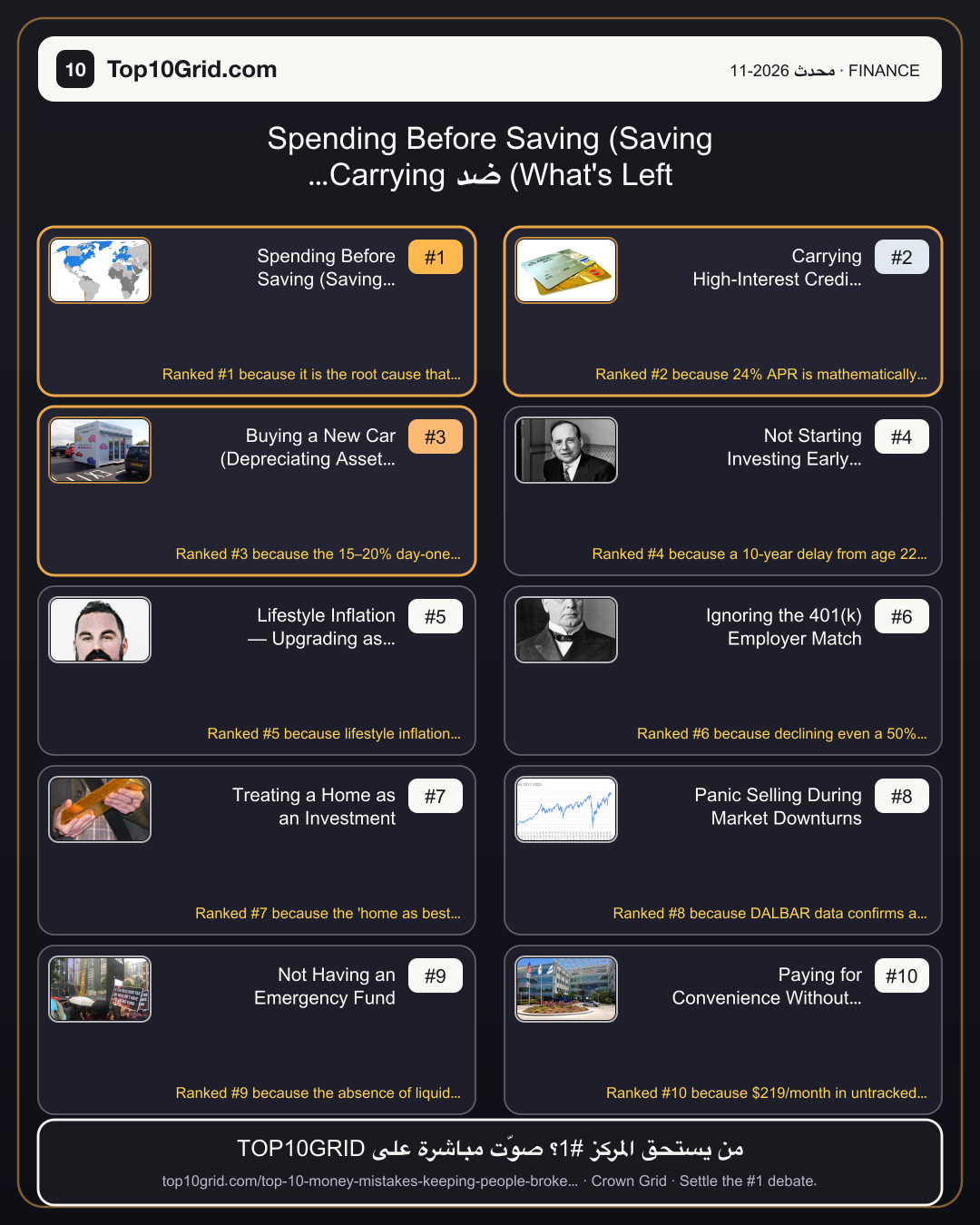
Visual Ranking Infographic
Verified Infographic · Updated 2026-11-24Spending Before Saving (Saving What's Left) ضد Carrying High-Interest Credit Card Debt؟ أفضل 10: Money Mistakes That Keep Most People Broke — Visual Infographic
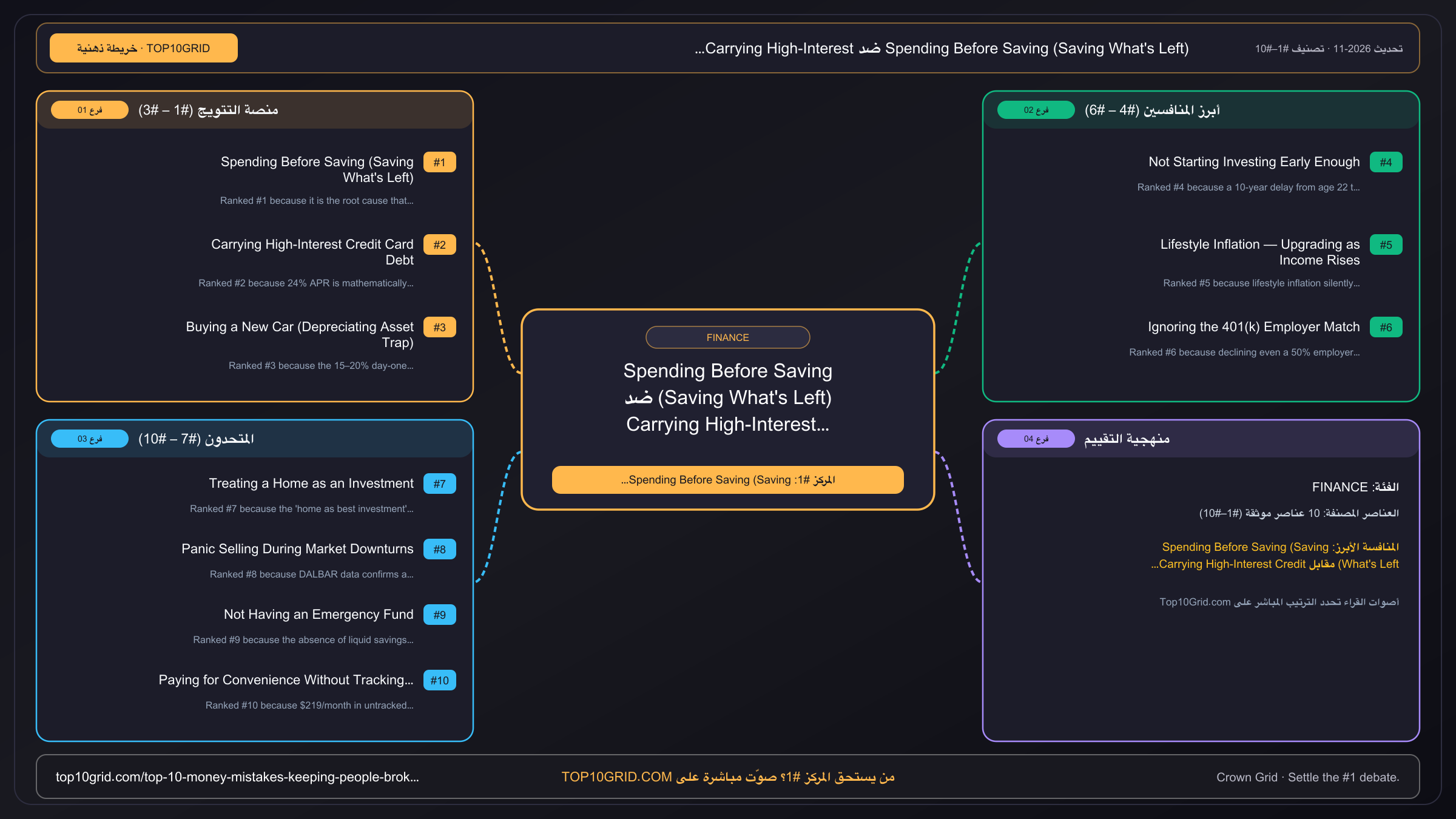
Interactive Ranking Mind Map
Core Identity: Foundational methodology, primary institutional citations, and scope rules behind Spending Before Saving (Saving What's Left) ضد Carrying High-Interest Credit Card Debt؟ أفضل 10 المالية.
Inspect Primary Sources ↓Spending Before Saving (Saving What's Left) ضد Carrying High-Interest Credit Card Debt؟ أفضل 10: Money Mistakes That Keep Most People Broke — Ranking Mind Map
Rank it your way
Fork and customize this ranking with your own picks, or open the interactive play hub for Rank Scramble, Time Capsule predictions, and live game modes enabled for this list.