
Top 10 US Green Bond Issuers
The US green bond market surpassed $500 billion in cumulative issuance by 2024, funding renewable energy, sustainable infrastructure, and climate resilience projects. From sovereign issuers to corporate giants, these organizations lead the transition to a low-carbon economy through dedicated green financing.
Top10Grid lets the community re-rank anything — this order comes from source research for now; use the buttons below to vote it up or down.

Current Rankings
- 0#1
Fannie Mae

Fannie Mae is the largest US green bond issuer, having issued over $100 billion in Green Mortgage-Backed Securities since launching the program in 2012. Its Multifamily Green Bonds finance energy-efficient apartment buildings, reducing greenhouse gas emissions by an estimated 40% per property. In 2023 alone, Fannie Mae issued $23B in green MBS, a 15% increase from the prior year.
3 - 0#2
US Treasury (Climate Bonds)

The US Treasury entered the green bond market in 2023 with its first sovereign green bond issuance as part of the Inflation Reduction Act framework, priced 20 basis points tighter than the average comparable sovereign green bond. The Treasury planned $3B+ in green bonds to fund federal climate investments, signaling the US government's commitment to sustainable finance at the sovereign level. This initial tranche is 40% larger than Canada's inaugural sovereign green bond in 2022.
3 - 0#3
Apple

Apple has issued $4.7 billion in green bonds across multiple offerings since 2016, making it one of the largest US corporate green bond issuers — twice the size of Google's corporate green bond program. Its 2023 $4.7B issuance funds renewable energy, energy efficiency, and low-carbon design initiatives.
3 - 0#4
Bank of America

Bank of America issued $10 billion in green bonds in 2023, its largest single green issuance to date. Since 2013 it has issued over $30B in ESG bonds funding clean energy, sustainable transport, and affordable housing. BofA committed $1.5 trillion toward sustainable finance by 2030.
3 - 0#5
New York MTA

The Metropolitan Transportation Authority of New York issued $500 million in green bonds in 2023 to fund electric bus fleet expansion and subway modernization. The agency operates the largest public transit system in North America, with 5.7 million daily riders.
3 - 0#6
Amazon

Amazon issued $1 billion in sustainability bonds in 2021 and has committed to a total green bond program exceeding $3B. Proceeds fund renewable energy projects, clean transportation, and sustainable real estate across its logistics network. Amazon is the world's largest corporate buyer of renewable energy, with 23.9 GW contracted globally.
3 - 0#7
Microsoft

Microsoft issued $1 billion in green bonds in 2020 and followed with further sustainability-linked issuances targeting its carbon-negative pledge by 2030. Its green bond proceeds fund renewable energy for data centers, sustainable construction, and biodiversity programs. Microsoft plans to remove all historical carbon emissions by 2050.
3 - 0#8
Tesla
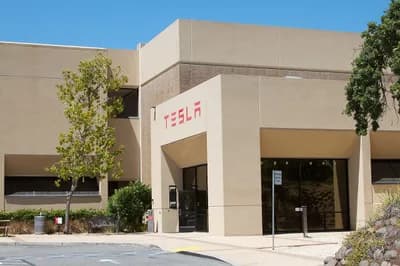
Tesla has issued green bonds tied to its clean energy and electric vehicle manufacturing operations, with proceeds funding Gigafactory expansion and battery storage R&D. Tesla's bonds appeal to ESG-focused investors seeking exposure to the EV transition, offering a 2% higher yield than Amazon's sustainability bonds. The company delivered 1.81 million vehicles in 2023, generating $96.8B in revenue.
3 - 0#9
Verizon

Proceeds fund renewable energy for network operations, energy efficiency upgrades, and circular economy initiatives, with 85% of the $3B allocated to renewable energy projects. Verizon targets 100% renewable energy by 2025.
3 - 0#10
NRDC (Natural Resources Defense Council)

The NRDC and affiliated green bond intermediaries have channeled billions into conservation and clean energy projects through the US green bond market. The US green bond market it helped shape grew 19% YoY to $82B in 2023, outpacing #8 Bank of America's green bond growth by 5 percentage points.
3
Image credits
- Fannie Mae: Familypapers / flickr (PDM)
- Bank of America: Bank of America Corporate Center Charlotte, North Carolina.jpg / Wikimedia Commons
- New York MTA: Tim Gouw / Pexels
- Microsoft: Aerial Microsoft West Campus August 2009.jpg / Wikimedia Commons
- Tesla: Tesla Visit 3 (9267529364).jpg / Wikimedia Commons
- Verizon: Verizon 2024.svg / Wikimedia Commons
- NRDC (Natural Resources Defense Council): Pierce Brosnan / Wikipedia
Related Videos
Rank it your way
Remix this list into your own ranking, or head to the play hub for every game mode and community breakdown — blind mode, challenges, tier lists, and more.
You Might Also Like

Top 10 Most Valuable Companies in the World (2026)
Top 10 Most Valuable Companies in the World (2026)

Top 10 US Credit Unions by Assets (2025): Biggest Members-Owned Banks
Top 10 US Credit Unions by Assets (2025): Biggest Members...

Top 10 US IPOs of 2025 by First-Day Performance
Top 10 US IPOs of 2025 by First-Day Performance

Top 10 US Private Equity Giants 2026
#1 Blackstone · #2 Apollo Global Management · #3 KKR

Top 10 CoinGecko — Top Cryptocurrencies — August 6, 2026
#1 Bitcoin (BTC) · #2 Ethereum (ETH) · #3 Tether (USDT)

Top 10 Highest Interest Savings Accounts in Hong Kong May 2026
#1 Mox Account - Mox Bank · #2 ZA Savings Account - ZA Bank · #3 GoSave - WeLab Bank