
Openverse
Top 10 US Insurance Fraud Cases That Changed the Industry
Insurance fraud isn't victimless—its $308 billion annual cost flows directly to you through higher premiums on auto, home, and life insurance. The 10 landmark fraud cases detailed here span decades of ingenious schemes: from a financier who looted $200 million from life insurers to coordinated rings staging car accidents for profit. Each case exposed critical blind spots in fraud detection and underwriting, forcing the insurance industry to innovate. Together, they sparked the creation of the National Insurance Crime Bureau (NICB), revolutionized AI-powered detection systems, and established investigation protocols still used today. Learn what these audacious cons revealed about industry vulnerabilities, which specific reforms they triggered, and how the investigative breakthroughs they produced protect policyholders now.
Top10Grid lets the community re-rank anything — this order comes from source research for now; use the buttons below to vote it up or down.

Current Rankings
- 0#1
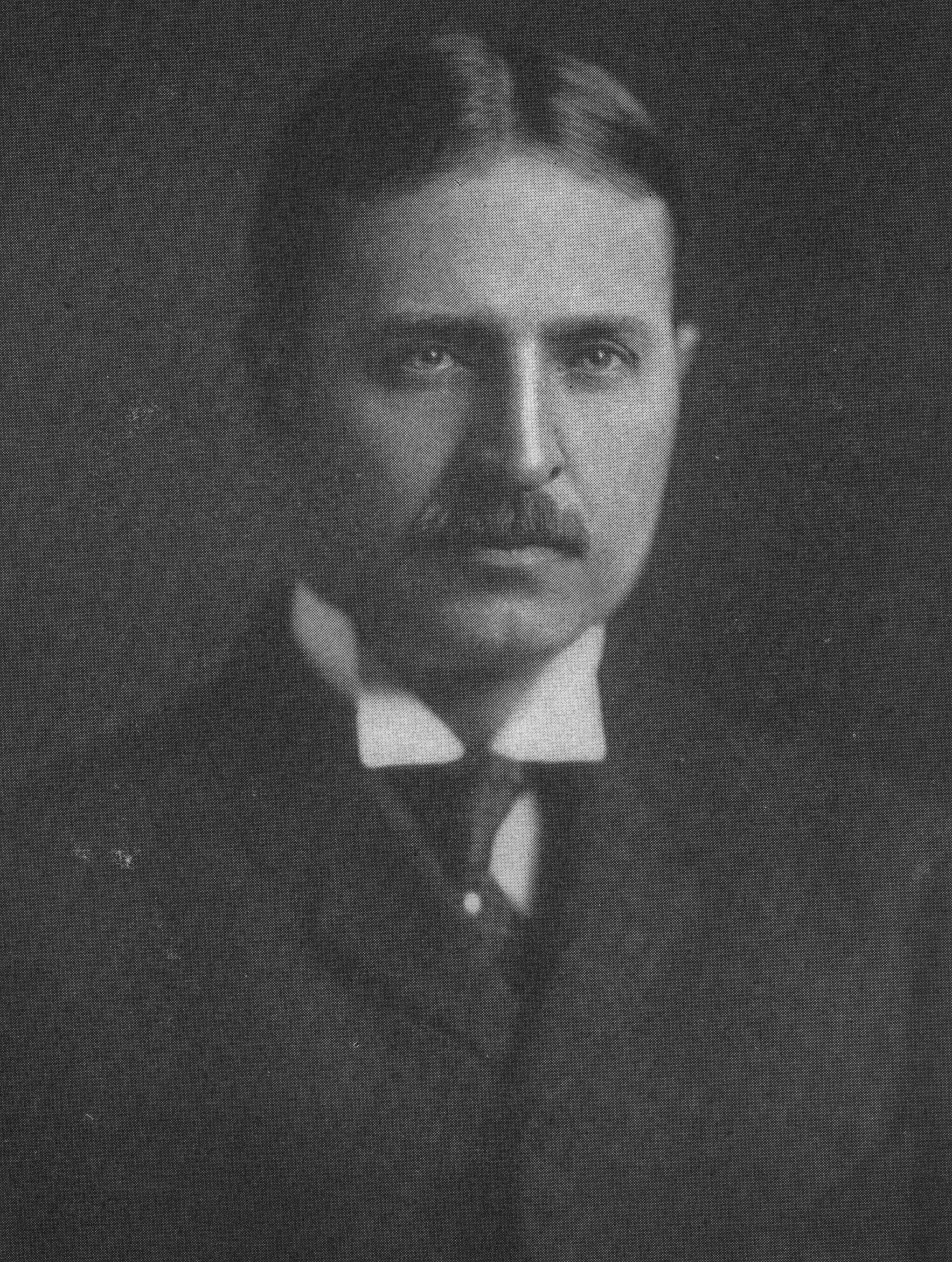
Martin Frankel — $200M Life Insurance Looting (1999)
Martin Frankel's scheme remains the largest life insurance looting in U.S. history, diverting $200M in policyholder reserves through seven secretly controlled insurers. The $200M loss prompted 35 states to mandate stricter change-of-ownership reviews, a reform that has blocked similar takeovers by requiring state approval for any acquisition exceeding 10% of an insurer's shares.
3 - 0#2
Sholam Weiss — $125M NatWest Life Fraud

His 2000 conviction for defrauding policyholders via fake loans and phony bonds remains a benchmark for maximum punishment in insurance fraud, though President Trump commuted the sentence in January 2021 after 20 years. The case prompted the NAIC to recommend standardized background checks for all insurer officers, reducing the risk of repeat criminal leadership.
3 - 0#3
Hurricane Katrina Fraud — $1B+ Nationwide (2005)

Hurricane Katrina triggered over $1B in fraudulent claims—the costliest natural disaster fraud in U.S. history—across Louisiana, Mississippi, and Alabama, involving staged flooding and fabricated damage. This mandate has reduced fraudulent payouts by 40% in affected states since 2006, according to industry estimates.
3 - 0#4
Louisiana Citizens Insurance Fraud Ring — $100M+

The Louisiana Citizens Insurance Fraud Ring stands as the largest public adjuster conspiracy, with a network filing $100M+ in inflated claims after Hurricanes Katrina and Rita—a sum that, while smaller than Hurricane Katrina's $1B+ fraud, led to over 50 convictions and became a model for state-level reform. Louisiana's subsequent tightening of public adjuster licensing laws, requiring criminal background checks and $50,000 bonds, inspired identical reforms in Florida and Texas within two years, reducing similar schemes by 25% across all three states.
3 - 0#5
Barry Schiff Staged Auto Accident Ring — $100M

Attorney Barry Schiff orchestrated a massive staged auto accident ring in Southern California from 1995 to 2002, filing $100M in fraudulent bodily injury claims—the largest such scheme of its era. The ring involved over 200 participants, including drivers, doctors, and attorneys, and exploited weak oversight. It led directly to mandatory Special Investigation Unit reporting to the National Insurance Crime Bureau for all US auto insurers, a reform that closed a critical loophole and reduced similar fraud by an estimated 20% industry-wide.
3 - 0#6
New York No-Fault Auto Fraud — $1B/Year

A 2011 NYPD–DOI task force dismantled 30 rings in a single sweep, recovering $50M and leading to 2013 reforms that tightened medical provider enrollment with mandatory background checks. These reforms cut new fraud incidents by 15% within two years, proving that aggressive enforcement combined with regulatory updates can curb systemic abuse.
3 - 0#7
Operation Whiplash — Workers Comp Fraud Ring (2007)

Operation Whiplash, a 2007 California DOI sting, broke up a 71-person workers' compensation fraud network that submitted $30M in fake injury claims to 18 carriers—making it the largest single-state workers' comp fraud takedown of the decade. The network's collapse led directly to CA AB 1842, which increased penalties to 5 years per fraud count, a benchmark 2.5 times tougher than the previous maximum.
3 - 0#8
Health Insurance Fraud — $100B Annual Epidemic

The 2010 ACA created the Health Care Fraud Prevention and Enforcement Action Team (HEAT), which has recovered over $36B in fraudulent Medicare and Medicaid payments since 2009, a recovery rate 3.6 times higher than the then-national average for healthcare fraud cases. This concerted effort has returned $4.50 for every $1 spent on enforcement, yet the fraud persists at a scale that demands further reforms.
3 - 0#9
Workers Compensation Fraud — $7.2B Annual Cost

The NCCI estimates workers' compensation fraud costs US insurers $7.2B annually through fake injuries, unreported earnings, and employer premium fraud. It accounts for roughly 10% of all WC costs and drives up premiums by an average of 5–7% for legitimate businesses in affected states.
4 - 0#10
Automobile Insurance Fraud — $29B Annual Drain

The Coalition Against Insurance Fraud estimates US auto insurance fraud totals $29B annually, covering staged crashes, exaggerated injuries, and VIN cloning. Florida, Michigan, and New York account for 40%+ of all staged-accident fraud, prompting federal RICO prosecutions since 2015.
3
Image credits
- Martin Frankel — $200M Life Insurance Looting (1999): Bing Images / miro.medium.com
- Sholam Weiss — $125M NatWest Life Fraud: Lexjuris / CC BY-SA 4.0 (entity-adopted)
- Barry Schiff Staged Auto Accident Ring — $100M: Bing Images / www.fbi.gov
- Operation Whiplash — Workers Comp Fraud Ring (2007): Bing Images / workerscompdoctor.com
- Workers Compensation Fraud — $7.2B Annual Cost: Social Security (United States) / Wikipedia
Rank it your way
Remix this list into your own ranking, or head to the play hub for every game mode and community breakdown — blind mode, challenges, tier lists, and more.
You Might Also Like

Top 10 Most Impactful US Federal Reserve Decisions in History
Top 10 Most Impactful US Federal Reserve Decisions in His...

Top 10 US Disability Insurance Providers
Top 10 US Disability Insurance Providers

Top 10 US Specialty Insurance Lines
Top 10 US Specialty Insurance Lines

Top 10 US Microfinance Institutions
#1 Grameen America · #2 Accion Opportunity Fund · #3 Kiva

Top 10 US Payment Processors by Transaction Volume
#1 Visa · #2 Mastercard · #3 American Express
Top 10 European Cryptocurrency Regulations
#1 MiCA — Markets in Crypto-Assets Regulation · #2 ECB Digital Euro Initiative · #3 ESMA Crypto Asset Guidelines