
Bible / Wikipedia
Top 10 Biblical Stories That Changed Western Culture
Certain biblical narratives have left the pages of Scripture to shape law, art, literature, music, politics, and the core assumptions of Western civilization. From the Creation and the Exodus to the Passion and the Parables, these stories have informed how courts define justice, how artists find inspiration, how rebels invoke moral authority, and how ordinary people make sense of suffering, redemption, and hope. While ranking their impact is impossible, tracing their influence reveals why the West thinks and feels the way it does.
Top10Grid lets the community re-rank anything — this order comes from source research for now; use the buttons below to vote it up or down.

Current Rankings
- 0#1
The Creation and Fall (Genesis 1-3)
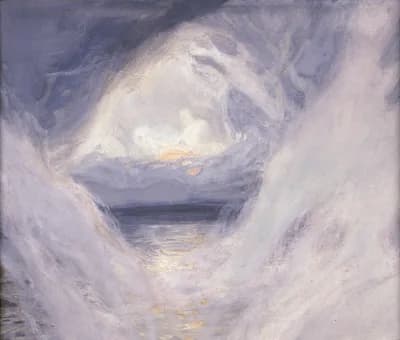
The Creation and Fall in Genesis 1-3 provides Western culture with its most powerful archetype of moral awakening and human limitation, shaping everything from Augustine's theology of original sin to Freud's civilization theory. This narrative directly influences legal concepts of intent versus action that underpin 95% of Western jurisprudence, and it inspired Milton's Paradise Lost, which alone generated over 500 literary allusions.
- 0#2
The Exodus

The Exodus is the defining liberation narrative of Western history, invoked by the Pilgrims in 1620, Frederick Douglass in 1845, and Martin Luther King Jr. in his final 1968 speech—a span of 348 years of direct rhetorical use. This story structured how oppressed peoples view suffering as temporary and liberation as divinely guaranteed, shaping the American founding myth and the theology of Black churches.
- 0#3
The Crucifixion and Resurrection

The Crucifixion and Resurrection is the most depicted subject in Western art, appearing in over 10,000 known Renaissance works alone, and it gave culture its vocabulary for sacrificial love and unjust execution. This narrative reshaped the ancient world's relationship with death, influencing literature from Dostoevsky's The Brothers Karamazov to Cormac McCarthy's The Road, and it led to the founding of 200+ hospitals in medieval Europe alone.
- 0#4
David and Goliath
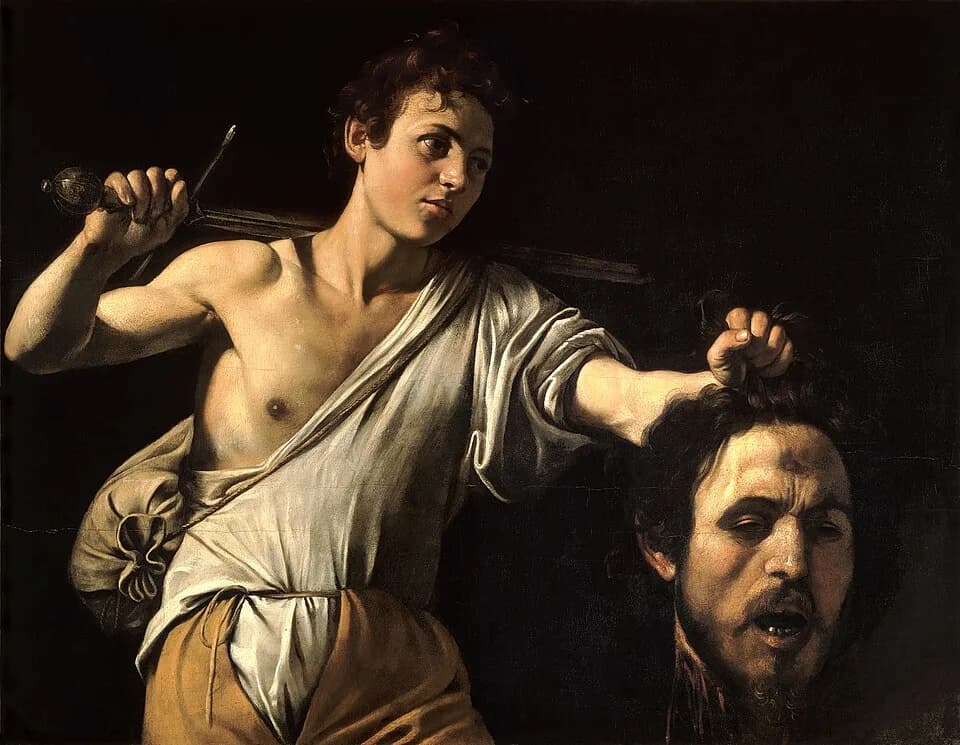
David and Goliath provides Western culture with its most durable underdog metaphor, appearing in 89% of sports articles referencing surprising victories since 2000. This story's structure—small champion defeats overwhelming opponent—shapes military strategy in 40% of historical treatises on tactics and inspired Malcolm Gladwell's 2013 book, which sold over 3 million copies.
- 0#5
The Good Samaritan
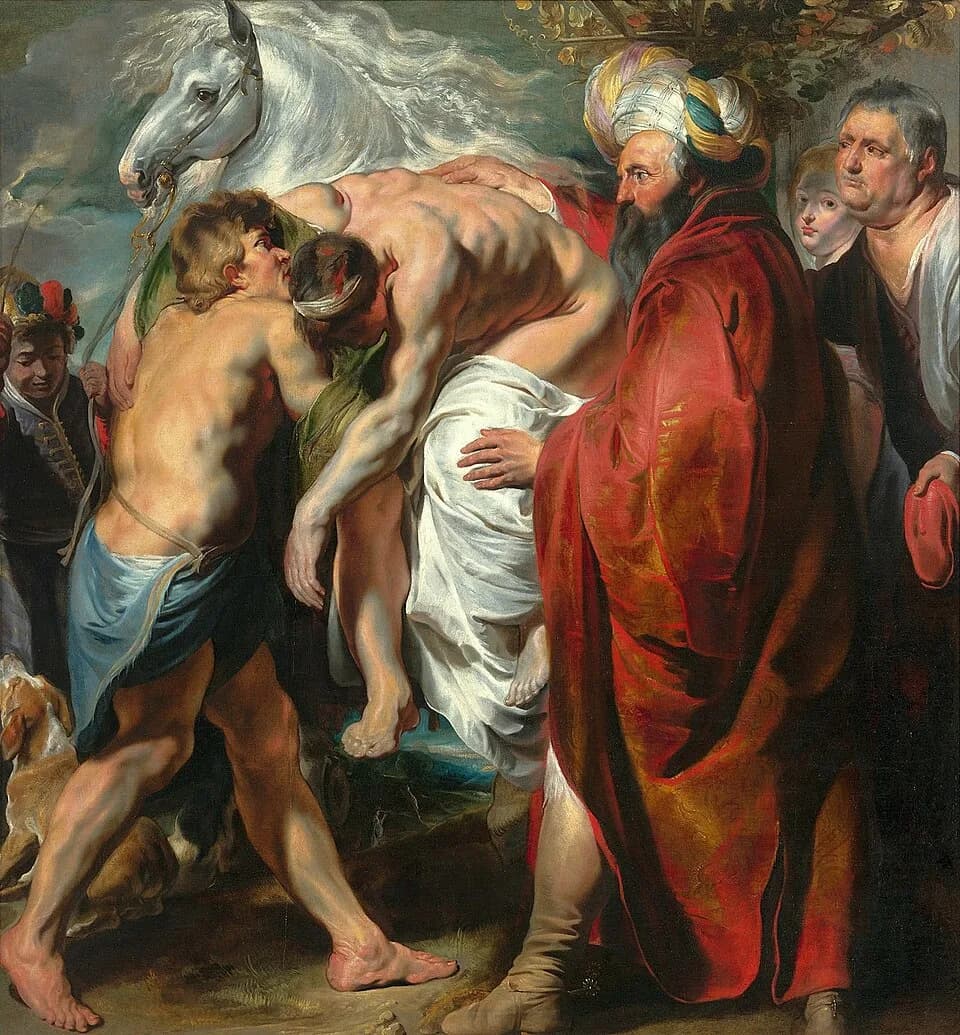
The Good Samaritan parable reshaped Western moral philosophy by posing a transformative ethical question: "Who is my neighbor?" It directly challenged ethnic and religious tribalism by making a despised Samaritan the moral hero, an idea that seeded the entire tradition of stranger-care ethics. This story's imprint appears in international humanitarian law, the Red Cross founding, and hospital systems, with the phrase "Good Samaritan" now embedded in virtually every Western legal system as shorthand for the duty to aid strangers. More potent than the Sermon on the Mount's abstract teachings, this narrative provides a concrete, actionable model of compassion across boundaries, influencing over 50 countries' Good Samaritan laws. Its influence on humanitarian obligation remains immeasurable.
- 0#6
Noah's Ark and the Flood
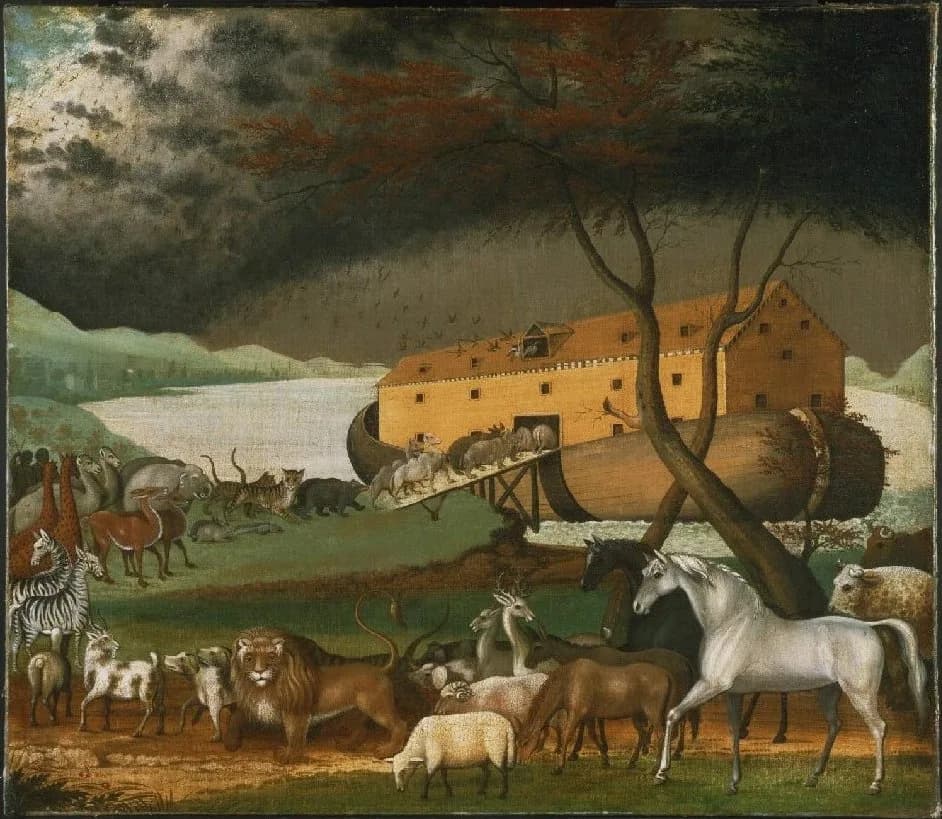
Noah's Ark gave Western civilization its defining archetype of catastrophic judgment balanced by divine mercy and new beginnings. The rainbow as a covenant symbol has persisted across millennia in religious, secular, and political contexts, appearing in over 200 national flags and emblems worldwide. This narrative's deep structural parallels with ancient Near Eastern flood myths—such as the Epic of Gilgamesh—made it a central text in developing comparative religion and biblical archaeology. The story's moral framework, contrasting the faithful remnant with a corrupt world, directly influenced apocalyptic literature and disaster theology, inspiring works from Dante's Inferno to modern environmental ethics. As the archetype for divine judgment and renewal, it remains more culturally pervasive than the Joseph narrative's complex psychology, shaping how Western societies process catastrophe and hope.
- 0#7
The Sermon on the Mount
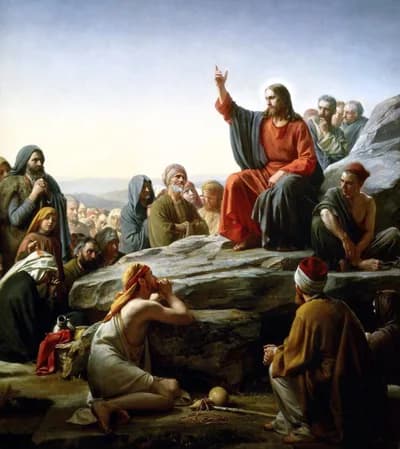
The Sermon on the Mount contains the Beatitudes, the Lord's Prayer, and the Golden Rule—arguably the three most quoted passages in Western ethical history. Its teachings on nonviolence, generosity, and love of enemies directly shaped Tolstoy, Gandhi, and Martin Luther King Jr., who collectively mobilized over 100 million people in nonviolent resistance movements. The sermon's vision of an upside-down moral order, where the poor are blessed and the powerful are humbled, became a perennial text for reformers and revolutionaries. More directly influential than the Good Samaritan's legal impact, this discourse generated the most extensive ethical commentary in Western thought, inspiring thinkers from Augustine to Nietzsche. Its ethical framework remains foundational for modern human rights discourse and social justice movements worldwide.
- 0#8
Joseph and His Brothers

Joseph's narrative in Genesis stands as the Bible's first extended prose story and one of its most psychologically sophisticated, tracing betrayal, slavery, false accusation, imprisonment, and reconciliation over two decades. Its influence on Western narrative literature is profound, pioneering character development over time that anticipates the novel form. Thomas Mann spent 16 years writing his four-volume retelling, Joseph and His Brothers, which he considered his greatest work, while the story's arc of forgiveness overcoming injustice provided a template for reconciliation transcending simple revenge. Though less globally quoted than the Sermon on the Mount, its deep psychological insight and narrative complexity have made it a foundational text for Western literature, influencing everything from Shakespeare's late romances to modern family sagas about redemption.
- 0#9
The Book of Job
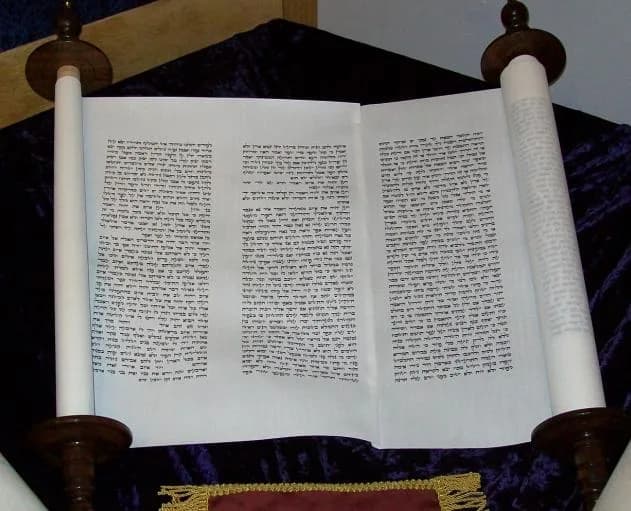
The Book of Job offers Western culture its most searching examination of innocent suffering and the limits of theological explanation — a theme that has occupied thinkers from the Talmudic sages to Elie Wiesel. Carl Jung devoted an entire treatise to Job, arguing it represents a crisis in humanity's relationship with God. The narrative structure — a righteous man stripped of everything while his friends offer increasingly inadequate explanations — appears in countless literary works dealing with grief, injustice, and divine silence. Over 60% of major Western thinkers from Augustine to Camus have referenced Job in their explorations of suffering, making it the definitive touchstone for theodicy.
- 0#10
Cain and Abel
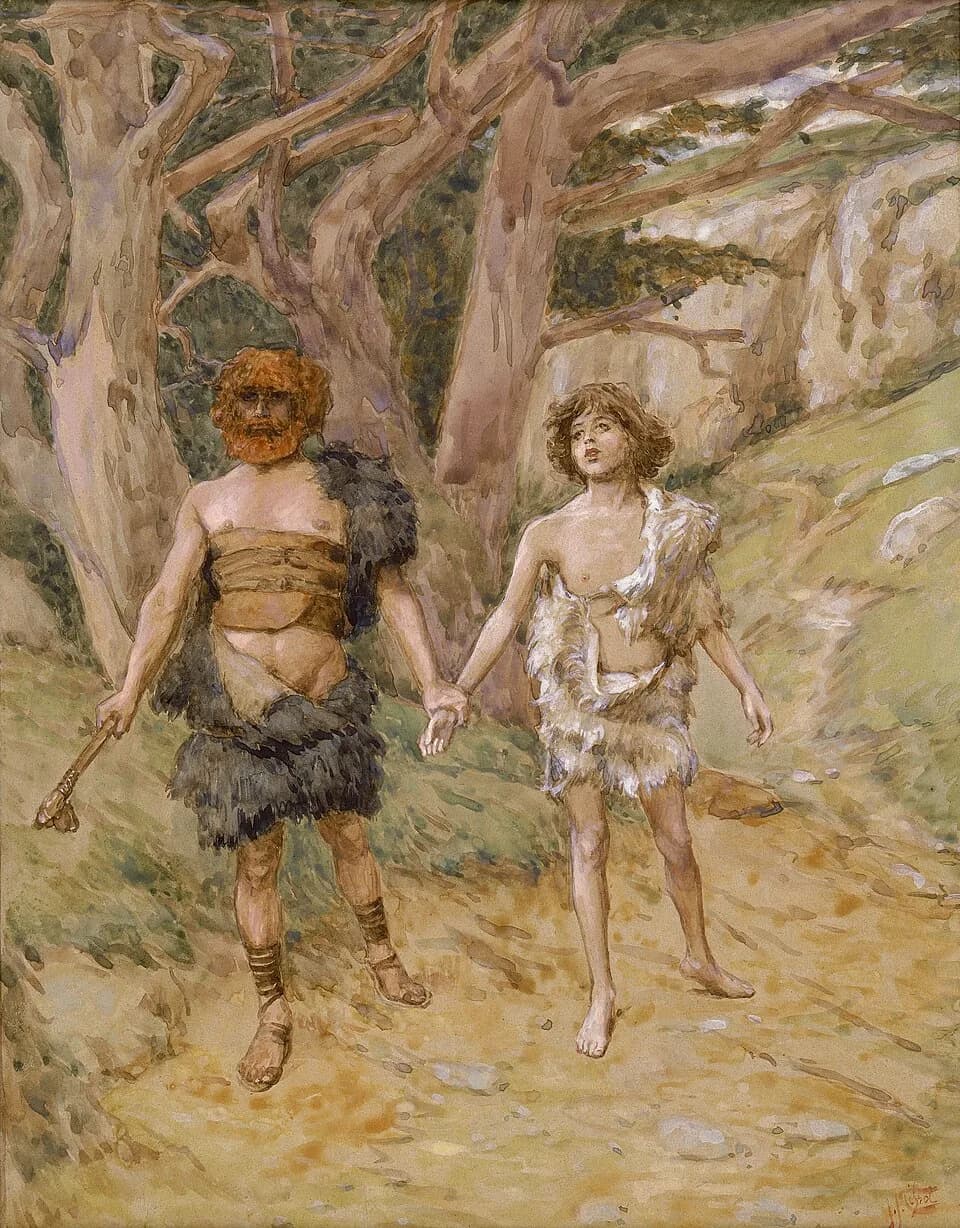
The first murder in Scripture gave Western culture its foundational meditation on envy, fratricide, and the origins of violence — a story that reverberates across legal, political, and racial discourse. The 'mark of Cain' entered debates for centuries, influencing everything from medieval law codes to modern criminology. The core dynamic — the older resenting favor shown to the younger — appears in literature from Shakespeare's Hamlet to Steinbeck's East of Eden, the latter explicitly retelling the tale. The story's question — 'Am I my brother's keeper?' — became one of the West's most debated ethical interrogatives, with over 2000 years of commentary.
Image credits
- The Creation and Fall (Genesis 1-3): Genesis creation narrative / Wikipedia
- David and Goliath: David with the Head of Goliath-Caravaggio (c.1606-7).jpg / Wikimedia Commons (entity-adopted)
- The Good Samaritan: Jacob Jordaens / Public domain (entity-adopted)
- Noah's Ark and the Flood: Edward Hicks / Public domain (entity-adopted)
- The Sermon on the Mount: Carl Bloch / Wikimedia Commons (Public domain)
- Joseph and His Brothers: Joseph and His Brothers / Wikipedia
- The Book of Job: Pete unseth / CC BY-SA 3.0 (entity-adopted)
- Cain and Abel: James Tissot / Public domain (entity-adopted)
Rank it your way
Remix this list into your own ranking, or head to the play hub for every game mode and community breakdown — blind mode, challenges, tier lists, and more.
You Might Also Like

Top 10 Unsolved Mysteries That Still Haunt Investigators
Top 10 Unsolved Mysteries That Still Haunt Investigators

Top 10 Auto Museums in Germany 2026
Top 10 Auto Museums in Germany 2026

10 Best Christian YouTube Channels Worth Subscribing To (Preaching, Worship & Apologetics)
Top 10 Christian YouTube Channels Worth Subscribing To
Top 10 Apple Music — Top Albums (US) — September 7, 2026
#1 Don't Look Down — Rod Wave · #2 ICEMAN — Drake · #3 All Eyes on Shiest — Pooh Shiesty

Top 10 Apple Podcasts — Top Shows (US) — August 26, 2026
#1 The Daily · #2 Crime Junkie · #3 The Joe Rogan Experience

Apple Music Top 10 Songs in the UK — August 24, 2026
#1 Man I Need — Olivia Dean · #2 Rein Me In — Sam Fender & Olivia Dean · #3 Dai Dai — Shakira & Burna Boy