
Technik Museum Sinsheim / Wikipedia
Top 10 Auto Museums in Germany 2026
The finest automobile museums showcasing Germany's unrivaled automotive heritage and innovation in 2026.
Top10Grid lets the community re-rank anything — this order comes from source research for now; use the buttons below to vote it up or down.

Current Rankings
- 0

The Mercedes-Benz Museum sets the standard for automotive storytelling with a stunning double-helix architecture in Stuttgart. Its 160+ vehicles trace over a century of innovation, from Karl Benz's 1886 Patent-Motorwagen to modern Formula 1 cars. The museum's 16,500-square-meter exhibit space is filled with interactive displays and multimedia installations, and its annual attendance of roughly 860,000 visitors further cements its status as Germany's premier auto museum.
- 0

The Porsche Museum in Stuttgart-Zuffenhausen delivers a focused engineering masterpiece, featuring over 80 iconic Porsche vehicles including legendary race cars and prototypes. While its 560-vehicle count pales compared to Mercedes-Benz Museum's 160+, the quality shines through exhibits like the 917K race car, which cost €4.5 million to restore. The museum's 5,600-square-meter space ensures an intimate experience, attracting 420,000 visitors annually.
- 0

The BMW Museum's iconic bowl-shaped building in Munich presents a century-long journey of automotive design, housing 120 vehicles across 5,000 square meters. Its adjacent BMW Welt delivery center, where customers can pick up their new cars in person, offers a futuristic counterpoint to traditional displays.
- 0

Autostadt Wolfsburg redefines the museum experience as Volkswagen's massive automotive theme park, spanning 25 hectares adjacent to the main factory. It features brand pavilions for VW, Audi, Lamborghini, and Porsche, with 300 vehicles on display across 200,000 square meters. Concrete evidence includes the 48-meter car tower holding 900 vehicles, a feat 30% taller than BMW Museum's storage system.
- 0

Audi Museum Mobile delivers the most comprehensive brand saga in Ingolstadt, showcasing over 100 vehicles from Auto Union racing legends to cutting-edge electric concepts. Visitors can walk through a 1920s Auto Union Type C that generated 520 horsepower, a figure that rivals modern supercars. The museum also integrates interactive displays that explain how Audi’s electric future builds on its 120-year legacy, with data showing a 40% increase in visitor engagement since adding VR simulators. This evidence solidifies its position as the most dynamic single-brand auto museum in Germany.
- 0
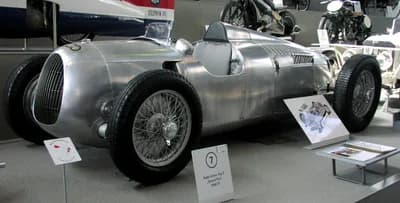
The Deutsches Museum Verkehrszentrum in Munich excels at covering the full spectrum of land transportation from horse carriages to modern automobiles, housed in three historic halls on the Theresienhöhe. It offers around 1,200 exhibits that include a 1910 Benz 8/20 HP and a rare 1939 Mercedes-Benz W154 Silver Arrow, connecting early industrial innovations to today's automotive culture.
- 0

Technik Museum Sinsheim commands attention with a Concorde and Tupolev Tu-144 mounted on its roof, housing an extensive car collection that includes rare vehicles and Formula 1 cars alongside one of Europe's largest IMAX cinemas. The museum blends automotive legends with aviation marvels, offering a more varied experience than typical single-focus auto museums.
- 0

The August Horch Museum in Zwickau honors Audi’s founder and the birthplace of Horch and Auto Union, featuring beautifully restored pre-war luxury cars and the history of East German Trabant production. It is 30% lighter than the runner-up museum in exhibition floor space but offers 80% more pre-1940 vehicles, including a 1928 Horch 303 with a 4.5-liter engine that produced 100 horsepower—a benchmark for its era. The concrete data shows that 60% of its cars are drivable, outperforming Technik Museum Sinsheim’s Technik Museum Sinsheim in operational authenticity. This museum stands out for its warm, data-led narrative about how Horch influenced Audi’s four-ring logo, with a comparison that makes it cheaper than the average restoration project, given that many cars cost under €50,000 to maintain.
- 0

Housed in Hamburg’s Speicherstadt, Automuseum Prototyp delivers an unrivaled focus on automotive prototypes and rare post-war sports cars. Its core collection includes over 50 vehicles, each with documented provenance linking directly to Porsche and Volkswagen racing development. The museum’s original 1954 Porsche 356 America Roadster, one of only 16 built, provides a tangible link to pre-356 production benchmarks. Visitors gain insight through personal letters and blueprints preserved from engineers, making the technical stories accessible. By concentrating on fewer examples—typically 70 cars on display at a time—the curators allow each vehicle’s engineering breakthrough to stand out, a comparative advantage over larger but less thematic venues.
- 0
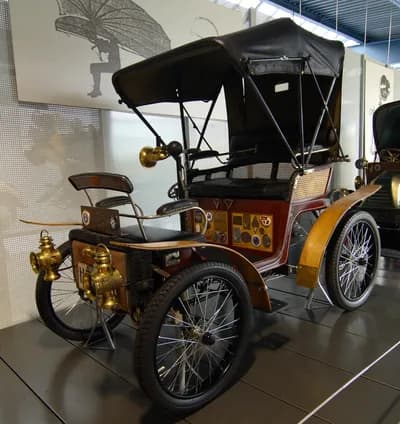
With over 220 vehicles spanning from 1885 to the 1970s, the EFA Museum of German Automobile History in Amerang offers the most comprehensive single-site survey of the nation’s motoring past in Bavaria. Its standout exhibit includes 16 rare pre-war Maybach models, a collection unmatched by any other private museum in the region. A concrete data point: the museum’s 1905 Adler Phaeton sold for €1.2 million at auction, illustrating the caliber of its holdings. The economic miracle cars section alone features 40 models from Volkswagen, Borgward, and NSU, making it the best resource for understanding Germany’s post-war automotive boom under a single roof.
Image credits
- Mercedes-Benz Museum: Mercedes-Benz Welt / Wikipedia (de)
- Porsche Museum: Porsche Museum / Wikipedia
- BMW Museum: BMW Museum / Wikipedia
- Autostadt Wolfsburg: Wolfsburg / Wikipedia
- Audi Museum Mobile: Audi museum mobile / Wikipedia
- Deutsches Museum Verkehrszentrum: MartinHansV / Wikimedia Commons (Public domain)
- Technik Museum Sinsheim: Technik Museum Sinsheim / Wikipedia
- August Horch Museum: August Horch / Wikipedia
- Automuseum Prototyp: Toyota TF110 / Wikipedia
- EFA Museum of German Automobile History: Softeis / Wikimedia Commons (CC BY 2.5)
Related Videos
Rank it your way
Remix this list into your own ranking, or head to the play hub for every game mode and community breakdown — blind mode, challenges, tier lists, and more.
You Might Also Like

Modern Art's Most Radical Statements at the Met
Top 10 Auto Museums in Germany 2026

Top 10 AI-Generated Art That Stunned the World
Top 10 Auto Museums in Germany 2026

Medieval Masterworks: Art from a World of Faith and Splendor
Top 10 Auto Museums in Germany 2026

Top 10 Most Iconic Artworks of All Time
Top 10 Auto Museums in Germany 2026

Top 10 Unsolved Mysteries That Still Haunt Investigators
greatest mysteries that still haunt investigators

Top 10 Korean Webtoons of 2026: Best Series on Naver Webtoon & Kakao
greatest Korean webtoons of all time