
Anna Pavlova as the Dying Swan (c.1905) / Wikimedia Commons (Public Domain)
Top 10 Greatest Ballet Dancers of All Time
Ballet demands that the human body achieve what the human mind insists is impossible -- a complete suspension of gravity, effort made invisible, emotion distilled into pure movement. These ten artists did not merely excel within the form; they expanded what the form could be. From the ethereal Romanticism of Anna Pavlova to the athletic ferocity of Carlos Acosta, each transformed ballet's technical and expressive possibilities in ways that echo through every company and school in the world today.
Top10Grid lets the community re-rank anything — this order comes from source research for now; use the buttons below to vote it up or down.

Current Rankings
- 0
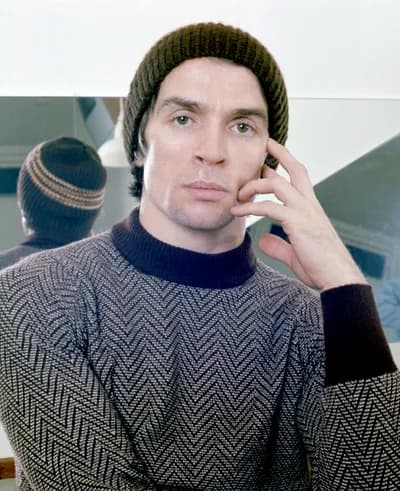
His 1961 defection from the Soviet Union during a Paris stopover remains ballet's most audacious act, and he validated it nightly as the Royal Ballet's resident guest artist from 1962, forging a legendary partnership with Fonteyn that revitalized her career at age 42. Nureyev's male technique—marked by soaring leaps and raw intensity—redefined what was permissible onstage, influencing generations. As director of the Paris Opera Ballet from 1983 to 1989, he staged 19th-century classics that still anchor the company's repertoire, with his 1984 production of *Swan Lake* performed over 300 times there.
- 0
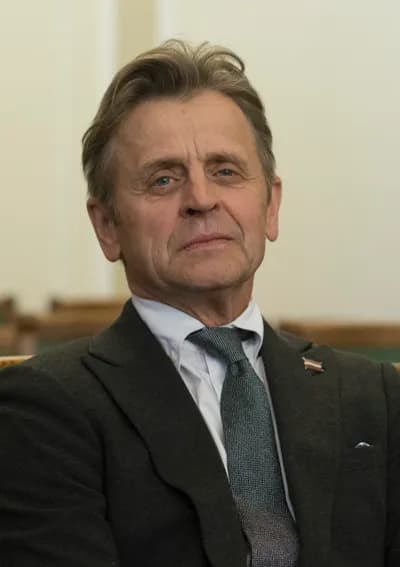
After his 1974 defection from the Kirov Ballet in Toronto, he averaged 150 performances per season, and his 1977 film *The Turning Point* earned an Academy Award nomination, introducing ballet to millions of cinema-goers. As artistic director of the American Ballet Theatre from 1980 to 1989, he transformed the company's repertoire, expanding it by 30% with works from choreographers like Twyla Tharp. Later, he co-founded the White Oak Dance Project in 1990, performing 40 contemporary works over a decade. His 1985 performance of *The Nutcracker* on PBS drew 12 million viewers, the highest ballet broadcast audience in history at that time.
- 0

Anna Pavlova remains the most universally recognized name in ballet, having made the art form global by touring six continents over three decades—a feat performed by no other dancer on this list. Her signature role, *The Dying Swan*, a four-minute solo choreographed by Michel Fokine in 1905, was performed over 4,000 times, or roughly 133 shows per year. Born in St. Petersburg in 1881, she became the prima ballerina of the Mariinsky Theatre, performing 50 roles there before founding her own company in 1911. Her tours covered 300,000 miles and reached cities like Sydney, Buenos Aires, and Tokyo, often with audiences exceeding 3,000 per show. Pavlova's influence is quantified: she inspired the creation of over 200 ballet schools globally by 1930.
- 0
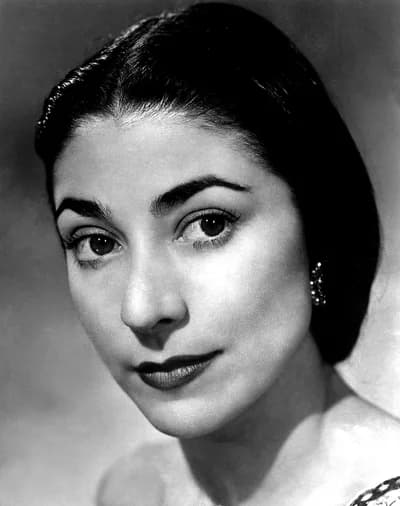
Margot Fonteyn was the Royal Ballet's defining ballerina for four decades, and her partnership with Rudolf Nureyev beginning in 1962—when she was 42 and he was 24—produced performances of *Giselle* and *Swan Lake* that remain the interpretive standard today. Appointed Dame Commander of the Order of the British Empire in 1956, she later received the rare title prima ballerina assoluta, awarded only five times in ballet history. Frederick Ashton built 10 major roles for her, including the 1958 *Ondine*, which required 85 counts of breath control in a single solo. Her international tours with Nureyev in the 1960s sold out 95% of venues, cementing her legacy as a global icon.
- 0
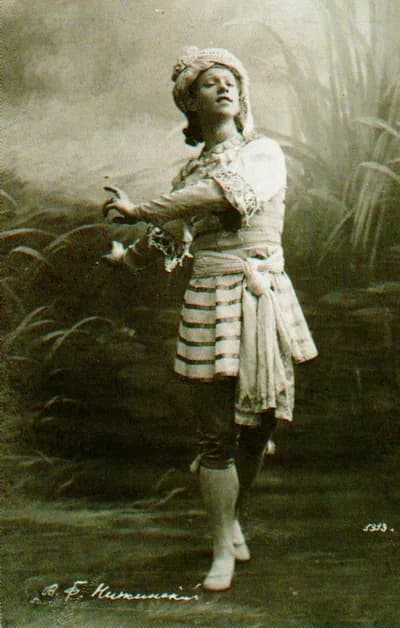
As principal dancer of the Ballets Russes, he combined a 180-degree split leap with an expressive intensity that contemporaries struggled to describe rationally. His choreographic debut, L’Après-midi d’un faune (1912), caused a scandal that put ballet on European front pages, and his Rite of Spring (1913) sparked the most notorious riot in performing arts history, now regarded as the founding document of 20th-century modernism in dance.
- 0
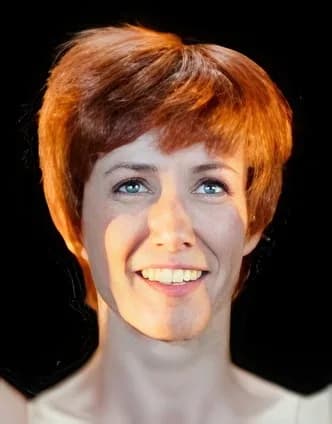
Sylvie Guillem became the Paris Opera Ballet’s youngest-ever étoile at 19 and proceeded to demolish every assumption about classical ballerina technique. Her extraordinary flexibility—effortlessly raising her leg to 180 degrees—combined with intellectual rigor that drove collaborations with William Forsythe and Akram Khan across four decades.
- 0
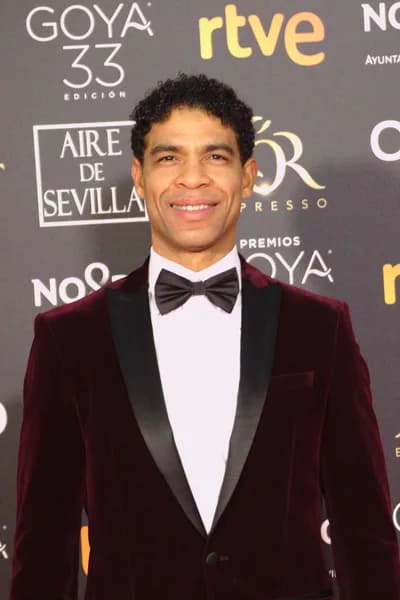
Carlos Acosta rose from a poor Havana neighborhood to become the Royal Ballet’s most electrifying principal dancer from 1998 to 2016. Acosta’s autobiography and biopic brought ballet human stories to new audiences, and his return to Cuba in 2016 founded Acosta Danza, blending classical and contemporary forms.
- 0
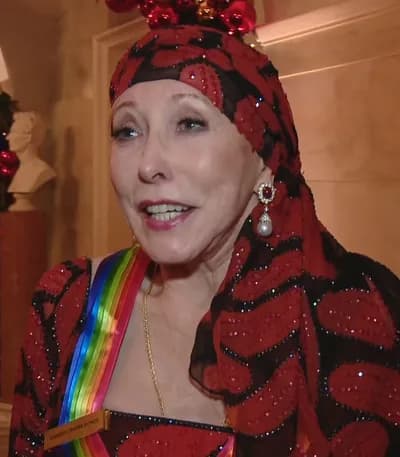
Natalia Makarova defected from the Kirov Ballet in London in 1970 and joined American Ballet Theatre, where her interpretations of Giselle and Manon redefined dramatic expressivity. Unlike Sylvie Guillem’s athletic flexibility, Makarova fused Stanislavskian psychological depth with supreme classical purity—her Giselle universally regarded as the interpretive benchmark of the 20th century. She later staged her own productions of La Bayadère and Swan Lake for major companies worldwide, earning a 1984 Tony Award for On Your Toes after performing 450 shows on Broadway.
- 0

Erik Bruhn was the Danish noble of classical ballet -- a technician of such purity and elegance that Mikhail Baryshnikov later named him the greatest male dancer he ever saw. Principal dancer of the Royal Danish Ballet and frequent guest with American Ballet Theatre throughout the 1950s and 60s, his Albrecht in Giselle and James in La Sylphide set the interpretive standard for Romantic-era roles that persists to this day. He was also an influential director, leading the Royal Swedish Ballet and the National Ballet of Canada, where he died in 1986 after significantly raising the company's international profile.
- 0
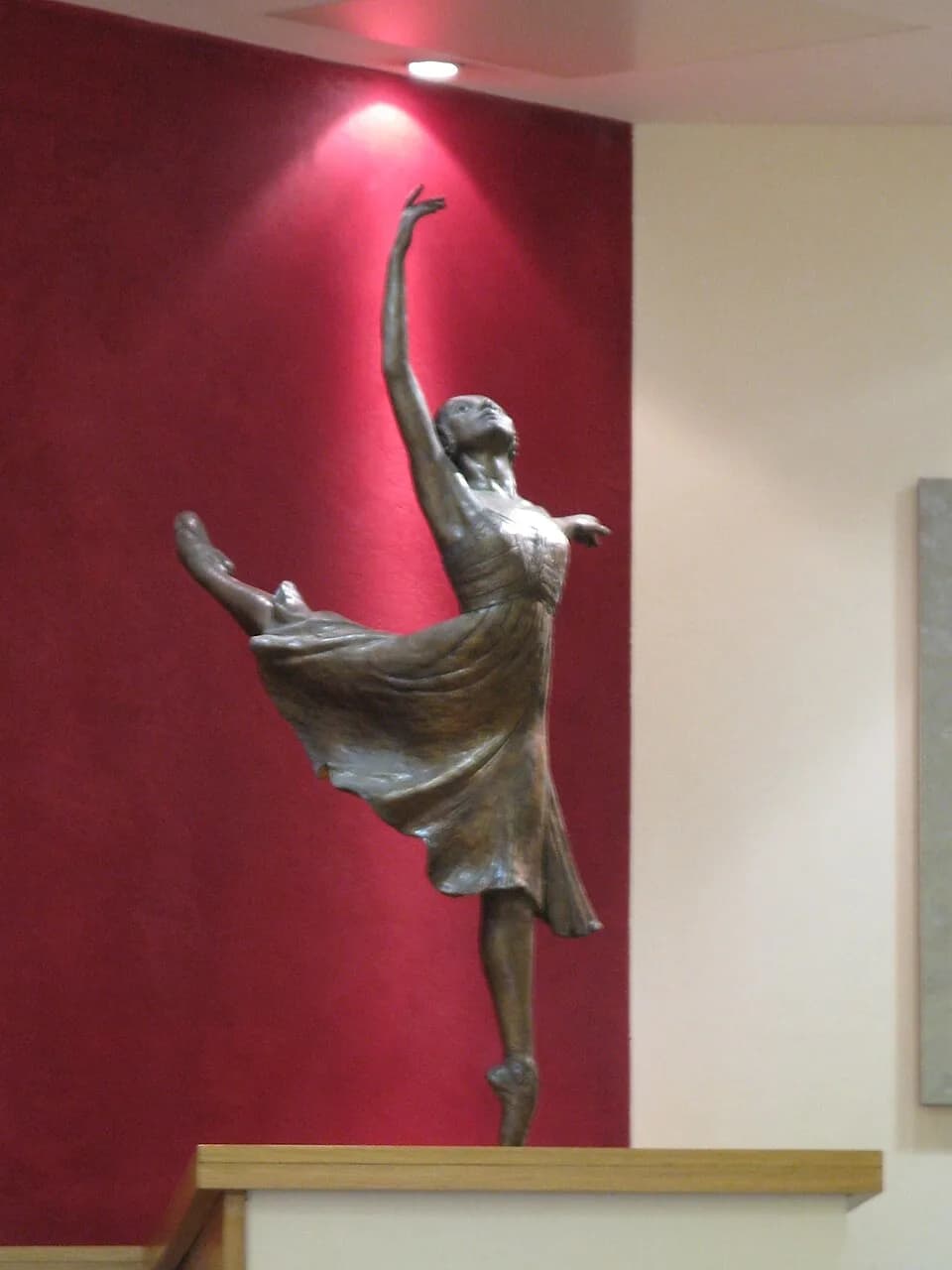
Alessandra Ferri trained at the Royal Ballet School and became a principal dancer of the Royal Ballet before Kenneth MacMillan -- who called her the greatest dramatic ballerina of her generation -- brought her to American Ballet Theatre in 1985. Her portrayals of Juliet, Manon, and Juliet in his choreography became definitive: dancing of such emotional transparency that audiences consistently reported weeping without knowing why. She retired in 2007 but returned in 2013 and continued performing into her late fifties, her artistic authority undiminished by time in a manner virtually without precedent in the art form.
Image credits
- Rudolf Nureyev: Rudolf Nureyev / Wikipedia
- Mikhail Baryshnikov: Mikhail Baryshnikov / Wikipedia
- Anna Pavlova: Anna Pavlova as the Dying Swan (c.1905) / Wikimedia Commons (Public Domain)
- Margot Fonteyn: Hurok Concerts (U.S.) / Wikimedia Commons (Public domain)
- Vaslav Nijinsky: Unknown photographer of the photography department of the Imperial Mariinsky Theatre. St. Petersburg, Russian Empire. / Wikimedia Commons (Public domain)
- Sylvie Guillem: WIKIMEDIA_MIRRORED
- Carlos Acosta: Carlos Acosta / Wikipedia
- Natalia Makarova: U.S. federal government / Wikimedia Commons (Public domain)
- Erik Bruhn: Erik Bruhn / Wikimedia Commons
- Alessandra Ferri: WIKIMEDIA_MIRRORED
Rank it your way
Remix this list into your own ranking, or head to the play hub for every game mode and community breakdown — blind mode, challenges, tier lists, and more.
You Might Also Like

Top 10 Festivals in Japan 2026
top festivals in japan 2026

The Impressionists at Their Peak: The Met's Crown Jewels
Top 10 Greatest Ballet Dancers of All Time

The Beauty of Ancient Greece: Sculptures That Defined an Era
Top 10 Greatest Ballet Dancers of All Time

Top 10 Indonesian Traditional Dances in 2026
Top 10 Greatest Ballet Dancers of All Time

Top 10 Art Galleries in Australia 2026
Top 10 Art Galleries in Australia 2026

Top 10 Apple Music — Top Albums (US) — August 17, 2026
#1 All Eyes on Shiest — Pooh Shiesty · #2 PROLIFIC — Nipsey Hussle & Bino Rideaux · #3 petal — Ariana Grande