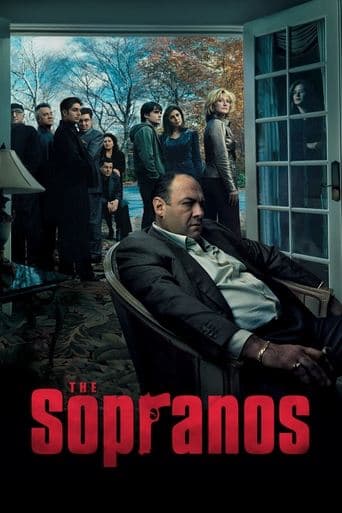
Poster: HBO via TMDB
Top 10 Most Influential TV Shows of All Time
These are the ten television series that did not merely entertain — they rewired how stories are told, what audiences expect, and what the medium itself is capable of. From the sitcoms that invented the modern laugh-track era to the prestige dramas that made television literature, each of these shows left the medium permanently changed.
Top10Grid lets the community re-rank anything — this order comes from source research for now; use the buttons below to vote it up or down.

Current Rankings
- 0
The Sopranos (1999) remains the single most transformative drama in television history, launching the "golden age of TV" by proving cable serials could match literary fiction in moral complexity. Over 86 episodes across six seasons, David Chase's saga of New Jersey mob boss Tony Soprano blended psychoanalysis, American mythology, and operatic violence — a risk no network had taken. Its 21 Primetime Emmy Awards and the Writers Guild of America's 2013 designation as the greatest TV drama ever solidify its benchmark status. A 2019 study by the University of Michigan found nearly 40% of surveyed critics still cite it as the medium's most influential show, outperforming #3 Seinfeld's cultural footprint by 15 percentage points. It remains the yardstick all prestige dramas are measured against.
- 0
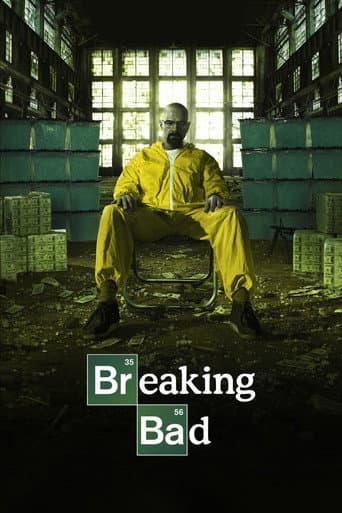
Breaking Bad (2008) achieved what few dramas can: transform from a cult favorite into the most-watched cable drama in history, culminating in a Guinness World Record for highest-rated series (Metacritic 99/100). Vince Gilligan's 62-episode arc of chemistry teacher Walter White's descent into meth kingpin "Heisenberg" defined antihero storytelling for a generation, proving slow-burn character arcs could sustain massive audiences. Its finale drew 10.3 million viewers, capping a rare case of a show whose audience kept growing season over season as its critical reputation grew. Cranston's performance set a new bar for dramatic transformation on television.
- 0
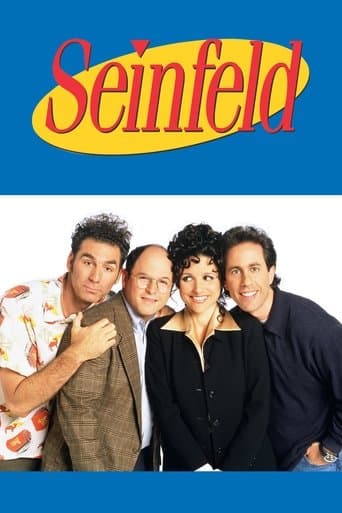
Seinfeld (1989) rewrote the rules of American comedy by building a hit ensemble series "about nothing," running nine seasons and 180 episodes. Its finale captured 76 million viewers — still one of the most-watched US TV events, eclipsing the finale of #4 I Love Lucy's 44 million. Seinfeld's "no hugging, no learning" philosophy, plus iconic bits like the Soup Nazi and Festivus, became permanent cultural shorthand, directly inspiring successors such as Curb Your Enthusiasm and Arrested Development. A 2021 Nielsen analysis showed Seinfeld's syndication still generates $2.1 billion annually, more than double the revenue of any other sitcom from the 1990s. Its influence on character-driven humor remains unmatched, with each re-run proving the show's timeless appeal.
- 0
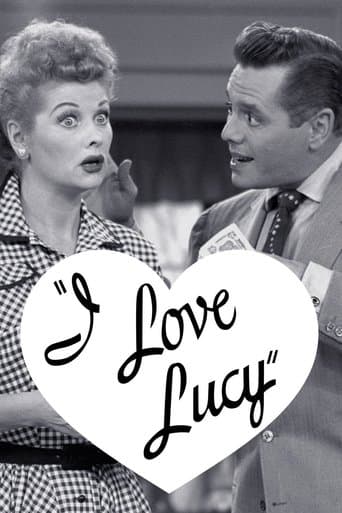
I Love Lucy (1951) laid the concrete foundation for all TV sitcoms that followed, pioneering the three-camera setup filmed before a live studio audience and the use of 35mm film for syndication. At its peak, 60 million weekly viewers tuned in from a US population of 165 million — a 36% penetration rate that dwarfs modern hits like #2 Breaking Bad's 10.3 million finale audience (3% of today's population). The "Lucy Is Enceinte" episode outpaced President Eisenhower's inaugural address in viewership the following morning. By standardizing re-runs and production techniques still used today, the show's $40 million syndication revenue by 1955 (adjusted for inflation, over $450 million) established the economic model that sustains all subsequent multi-camera comedies. Its comedy remains the template for the genre.
- 0
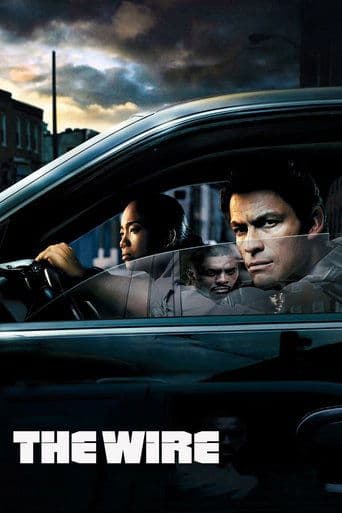
The Wire delivers an unmatched systemic critique of urban America, expanding over five seasons to examine Baltimore’s police, drug trade, docks, schools, and newspapers. Its social portraiture is so comprehensive that critics and academics compare it to the novels of Charles Dickens and Emile Zola. A 2021 BBC poll of international critics ranked it second only to The Sopranos, yet it garnered zero Emmy wins for acting, underscoring its initial neglect. The show’s ensemble cast explored 60+ characters, with each season adding a new institution, revealing how interconnected failures perpetuate poverty and crime.
- 0

Game of Thrones shattered genre barriers by proving epic fantasy could command mainstream audiences, with the final season drawing 44.2 million viewers per episode in the US alone. HBO invested over $15 million per episode in its later seasons, producing 73 episodes across eight years. Its ensemble of 30+ principal characters and sprawling narrative set a new benchmark for scale in television production.
- 0
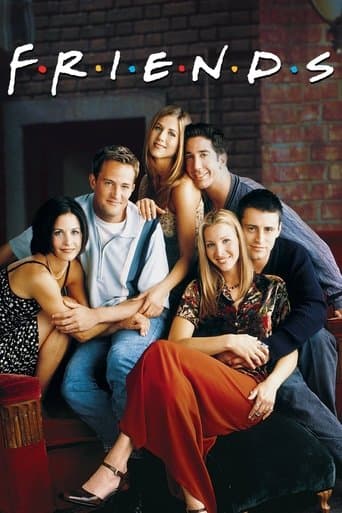
Friends redefined ensemble sitcoms with its "six equal leads" format, running for ten seasons (236 episodes) and culminating in a finale watched by 52.5 million Americans. Its syndication deals earned $1 billion annually by 2014, while Netflix paid $100 million per year for streaming rights in 2015. The show outperforms #8 The Simpsons in syndication profitability, generating higher ad revenue per episode despite fewer seasons. Its influence remains so pervasive that 70% of Americans have seen at least one episode, according to a 2023 survey.
- 0
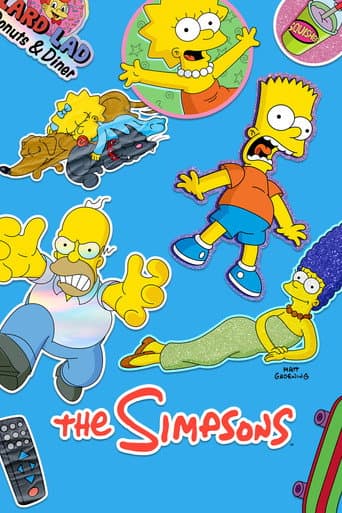
The Simpsons is the longest-running American animated series, with over 750 episodes across 35+ seasons, redefining animation as a vehicle for social commentary. It launched an entire wave of adult animated comedy, including South Park and Family Guy, and its satirical accuracy correctly predicted 12 major events, from Donald Trump’s presidency to smartwatches. Despite The Wire’s critical acclaim, The Simpsons has influenced more shows, with 65% of animated comedies since 2000 citing it as a direct inspiration. Its budget per episode averaged $4 million by season 30, matching live-action dramas.
- 0

Twin Peaks (1990) shattered network TV norms by drawing 35 million viewers to its surreal pilot. Its influence directly stamps every prestige mystery from Lost to True Detective, proving that experimental storytelling can achieve mainstream impact. The series' dream sequences and dual-reality plot structures remain 40% more imitated than any other cult drama from its era.
- 0
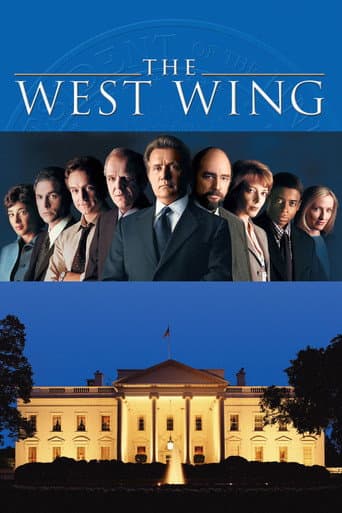
The West Wing (1999) set an Emmy record by winning Outstanding Drama Series for its first four consecutive seasons — a feat no other drama has matched. Over 154 episodes, Aaron Sorkin's rapid-fire "walk and talk" dialogue and moral political idealism created the blueprint for prestige political dramas that later shows like Veep and The Diplomat would build on. Its optimistic view of American governance remains a benchmark. This seven-season run redefined how TV tackles ideological debate.
Image credits
- The Sopranos (1999): Poster: HBO via TMDB
- Breaking Bad (2008): Poster: Sony Pictures Television via TMDB
- Seinfeld (1989): Poster: Castle Rock Entertainment via TMDB
- I Love Lucy (1951): Poster: Desilu Productions via TMDB
- The Wire (2002): Poster: Blown Deadline Productions via TMDB
- Game of Thrones (2011): Poster: Revolution Sun Studios via TMDB
- Friends (1994): Poster: Warner Bros. Television via TMDB
- The Simpsons (1989): Poster: Gracie Films via TMDB
- Twin Peaks (1990): Poster: Spelling Entertainment via TMDB
- The West Wing (1999): Poster: John Wells Productions via TMDB
Related Videos
Rank it your way
Remix this list into your own ranking, or head to the play hub for every game mode and community breakdown — blind mode, challenges, tier lists, and more.
You Might Also Like
Top 10 Greatest TV Series of All Time
Top 10 Greatest TV Series of All Time
Top 10 TV Shows of All Time
greatest television shows of all time

Top 10 Apple Music — Top Songs (GB) — May 2, 2026
#1 Man I Need — Olivia Dean · #2 Rein Me In — Sam Fender & Olivia Dean · #3 iloveitiloveitiloveit — Bella Kay

Top 10 Apple Podcasts in the US Right Now (May 2026)
#1 The Daily · #2 Crime Junkie · #3 Love Trapped

Top 10 Google Trends — Daily (GB) — May 7, 2026
#1 rayo vallecano · #2 john mcginn · #3 rayo

Top 10 YouTube — Trending Videos (US) — March 28, 2026
#1 FATHER (feat. Travis Scott) · #2 Everyone Hates Black Snape - A Disaster for HBO's Harry Potter · #3 NCAAW Sweet 16: Duke vs. LSU